
How Do I Gut and Remodel My Kitchen?
Why This Question Matters for Homeowners
Gutting and remodeling your kitchen is a significant undertaking that can transform not only the functionality of your home but also its overall value. The kitchen is often considered the heart of the home, where families gather to cook and share meals. A well-designed kitchen can enhance your daily life, making cooking more enjoyable and efficient. However, the process of remodeling is complex and requires careful consideration of several factors.
Money
- Budgeting is crucial. Kitchen remodels can range from a few thousand to tens of thousands of dollars, depending on the scope of the project.
- Consider not just the cost of materials and labor, but also potential hidden expenses like plumbing or electrical work.
- Financing options may be available, but they come with their own sets of risks and considerations.
Time
- Remodeling a kitchen is not a quick project. Depending on the extent of your remodel, it can take anywhere from a few weeks to several months.
- Consider how the timeline will affect your daily life, especially if you rely on your kitchen for meals and other activities.
Design
- Your kitchen’s design should reflect your personal style while also being functional. This includes layout, cabinetry, countertops, and appliances.
- Research current trends, but also think about timeless designs that will stand the test of time.
- Consulting with a designer can help, but be prepared for additional costs.
Regulations
- Local building codes and regulations can impact your remodel. This is especially true if you’re making significant structural changes or updating plumbing and electrical systems.
- Permits may be required, which can add to the time and cost of your project.
In summary, the question of how to gut and remodel your kitchen is not just about aesthetics; it’s about making informed decisions that affect your finances, time management, and overall satisfaction with your living space. Each of these factors plays a crucial role in the success of your kitchen remodel, making it essential to approach the project with a clear plan and realistic expectations.
Gutting and Remodeling Your Kitchen: A Step-by-Step Guide
Planning Your Kitchen Remodel

Before you start tearing down walls or ripping out cabinets, it’s essential to have a solid plan in place. This phase will set the tone for the entire project.
1. Define Your Goals
- Determine what you want to achieve. Are you looking for more space, better functionality, or a modern aesthetic?
- List must-have features, such as an island, upgraded appliances, or additional storage.
2. Set a Budget
- Establish a realistic budget that includes materials, labor, and a contingency fund (typically 10-20% of your total budget).
- Average kitchen remodel costs range from $15,000 to $50,000, depending on the extent of the changes.
3. Create a Timeline
- Develop a timeline that outlines each phase of the project, from design to completion.
- Expect the entire process to take anywhere from 6 to 12 weeks or longer, depending on the complexity.
Gutting the Kitchen
Once your plan is in place, it’s time to start the actual gutting process. This is where the transformation begins.
1. Prepare the Space
- Clear out all items from cabinets, drawers, and countertops. Consider renting a storage unit if needed.
- Disconnect utilities (water, gas, and electricity) to ensure safety during demolition.
2. Demolition
- Begin by removing cabinet doors and hardware. Use a pry bar for stubborn pieces.
- Take out appliances, countertops, and fixtures carefully to avoid damaging plumbing or electrical systems.
- Consider hiring a professional for heavy demolition work, especially if structural changes are involved.
3. Dispose of Debris
- Rent a dumpster to dispose of old materials. Costs can range from $300 to $600, depending on the size and rental duration.
- Check local regulations for recycling options for materials like wood and metal.
Design and Layout
After gutting, the next step is to design the new layout of your kitchen.
1. Choose a Layout
- Common kitchen layouts include L-shaped, U-shaped, and galley. Choose one that maximizes space and functionality.
- Consider the work triangle principle—keeping the sink, stove, and refrigerator in a triangular layout for efficiency.
2. Select Materials
- Choose cabinets, countertops, flooring, and backsplash materials that align with your style and budget.
- Average costs for cabinets can range from $5,000 to $15,000, while countertops can vary from $2,000 to $5,000 depending on the material.
3. Plan for Storage
- Incorporate smart storage solutions like pull-out shelves, lazy Susans, and vertical storage to maximize space.
- Consider open shelving for a modern look, but ensure it doesn’t compromise on storage needs.
Installation Phase
With the design finalized, it’s time to move into the installation phase.
1. Structural Changes
- If you’re making structural changes, such as removing walls or adding windows, hire a licensed contractor.
- Ensure all work complies with local building codes and regulations.
2. Install Cabinets and Countertops
- Start with base cabinets, followed by wall cabinets. Ensure they are level and securely fastened.
- Countertop installation typically follows cabinet installation, with costs ranging from $1,000 to $3,000 depending on the material.
3. Plumbing and Electrical Work
- Hire professionals for plumbing and electrical installations to ensure safety and compliance with codes.
- Expect to pay between $1,000 to $3,000 for plumbing and electrical updates, depending on the complexity.
4. Flooring and Backsplash
- Install flooring after cabinets to avoid damage. Costs for kitchen flooring can range from $1,500 to $4,000.
- Choose a backsplash that complements your design; average costs can vary from $600 to $1,500.
Final Touches
Once the main installations are complete, it’s time for the finishing touches.
1. Install Appliances
- Choose energy-efficient appliances that fit your design and needs. Average costs for appliances can range from $3,000 to $10,000.
- Ensure all appliances are properly installed and connected to utilities.
2. Lighting
- Incorporate various lighting options, including task, ambient, and accent lighting.
- Expect to pay between $500 to $2,000 for a comprehensive lighting plan.
3. Decor and Accessories
- Add personal touches with decor, such as artwork, plants, and utensils. Budget for these items based on personal preference.
- Consider the overall flow and functionality of the kitchen when selecting decor.
By following these structured steps, homeowners can approach their kitchen remodel with a clear plan in mind, ensuring a smoother process and a more satisfying final result.
Actionable Advice for Gutting and Remodeling Your Kitchen
DIY vs. Professional Work
Deciding whether to tackle your kitchen remodel as a DIY project or hire professionals can significantly impact the outcome, timeline, and budget.
DIY Approach
- Cost-Effective: DIY can save you labor costs, which can account for 20-35% of your total budget.
- Personal Satisfaction: Completing a project yourself can be rewarding and give you a sense of accomplishment.
- Time-Consuming: Be prepared for a longer timeline, especially if you have limited experience or time to dedicate.
Professional Approach
- Expertise: Professionals bring experience and knowledge, ensuring that the work meets building codes and standards.
- Efficiency: Contractors can often complete the project faster due to their skills and access to resources.
- Higher Costs: Hiring professionals can significantly increase your budget, with labor costs adding up quickly.
Budget vs. Premium Remodel
Understanding the differences between budget and premium remodels can help you choose the right path for your project.
| Aspect | Budget Remodel | Premium Remodel |
|---|---|---|
| Cost | $15,000 – $25,000 | $50,000+ |
| Materials | Standard options (laminate countertops, stock cabinets) | High-end materials (granite countertops, custom cabinets) |
| Design | Basic layout with minimal changes | Custom layouts with advanced features (islands, open concept) |
| Appliances | Basic, energy-efficient models | High-performance, luxury brands |
| Timeline | 4 – 8 weeks | 3 – 6 months |
Mistakes to Avoid
Avoiding common pitfalls can save you time, money, and frustration during your kitchen remodel.
1. Underestimating Costs
- Always include a contingency fund of 10-20% for unexpected expenses.
- Research material and labor costs thoroughly before starting.
2. Ignoring the Work Triangle
- Ensure that the sink, stove, and refrigerator are positioned for efficient workflow.
- Measure your space accurately to avoid layout issues.
3. Skipping Permits
- Check local regulations and obtain necessary permits before starting construction.
- Failure to do so can lead to fines and may require redoing work.
4. Choosing Style Over Functionality
- While aesthetics are important, prioritize functional layouts and durable materials.
- Consider how you use your kitchen daily when selecting features.
Insider Tips
Implementing insider tips can enhance your remodeling experience and results.
1. Plan for the Unexpected
- Be prepared for surprises, such as outdated wiring or plumbing issues that may arise during demolition.
- Have a backup plan for cooking and meal prep during the remodel.
2. Invest in Quality Fixtures
- Consider investing in high-quality faucets and fixtures, as they can greatly affect both functionality and aesthetics.
- Quality fixtures can also save you money in the long run by reducing maintenance and replacement costs.
3. Utilize Technology
- Use design software or apps to visualize your space and layout before making any purchases.
- Consider smart home technology for appliances and lighting to enhance efficiency.
4. Don’t Rush the Design Phase
- Take your time to finalize the design and layout. Rushing can lead to costly mistakes.
- Consult with friends or family who have remodeled their kitchens for additional insights.
By following this actionable advice, comparing approaches, avoiding common mistakes, and implementing insider tips, you can navigate your kitchen remodel more effectively and achieve the results you desire.
Facts About Gutting and Remodeling Your Kitchen
Statistical Insights
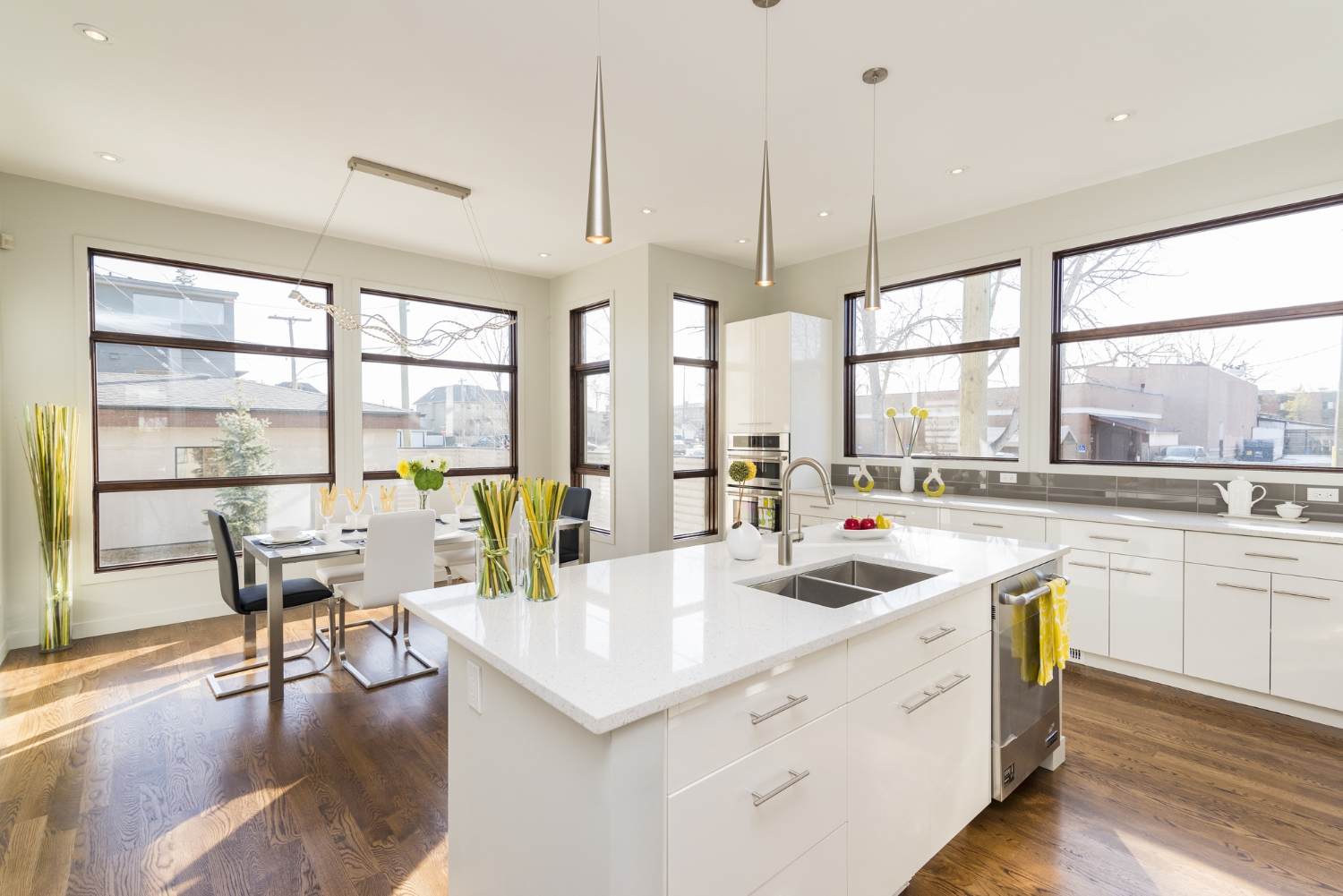
Understanding the statistics behind kitchen remodeling can guide homeowners in making informed decisions.
1. Cost Recovery
- According to the National Association of Realtors, a minor kitchen remodel can recoup up to 80% of its cost upon resale.
- Major remodels typically recover about 60-70% of the investment, depending on the scope and quality of materials used.
2. Average Costs
- The average kitchen remodel in the United States costs between $20,000 and $50,000.
- High-end remodels can exceed $100,000, especially in urban areas where labor and material costs are higher.
3. Home Value Increase
- According to Remodeling Magazine’s Cost vs. Value report, kitchen remodels consistently rank among the top home improvements for increasing property value.
- A well-executed kitchen remodel can elevate the marketability of your home, making it more appealing to potential buyers.
Benefits of a Thoughtful Approach
Taking a thoughtful approach to kitchen remodeling can yield significant advantages.
1. Saving Money
- Planning can prevent costly mistakes, such as purchasing the wrong materials or making design errors.
- By setting a budget and sticking to it, homeowners can avoid overspending and financial strain.
2. Improving Comfort
- A well-designed kitchen enhances functionality, making cooking and entertaining more enjoyable.
- Incorporating ergonomic designs can reduce fatigue and improve efficiency while preparing meals.
3. Increasing Home Value
- A modern, functional kitchen can significantly boost your home’s resale value, attracting more buyers.
- Investing in quality materials and fixtures can lead to long-term savings and added value.
When to Start and What to Prioritize
Knowing the right time to begin your remodel and what to focus on can lead to a successful project.
1. Best Time to Start
- Spring and summer are ideal for kitchen remodels due to favorable weather conditions, which facilitate construction.
- Planning during the off-peak season (late fall to early winter) can also lead to better contractor availability and potentially lower costs.
2. Prioritizing Key Elements
- Focus on layout and functionality first. Ensure the kitchen meets your cooking and entertaining needs.
- Invest in durable materials for countertops and flooring to withstand daily use.
- Consider energy-efficient appliances that can save money on utility bills over time.
Common Insights from Homeowners
Homeowners often share valuable insights and experiences in forums, which can help guide your remodeling journey.
| Topic | Common Insights |
|---|---|
| Budgeting | Many recommend setting a strict budget and sticking to it to avoid overspending. |
| Timing | Homeowners suggest starting in the spring or summer for better weather and contractor availability. |
| DIY vs. Professional | Some advise doing minor tasks yourself while leaving major work to professionals for the best results. |
| Design | Prioritizing functionality over aesthetics can lead to a more satisfying kitchen experience. |
| Permits | Many emphasize the importance of obtaining permits to avoid fines and ensure compliance. |
By considering these facts, insights, and advice, homeowners can approach their kitchen remodel with confidence, ensuring a successful and rewarding experience.