
Cost of Remodeling a 10×10 Kitchen
Why This Question Matters
Remodeling a kitchen is one of the most significant investments a homeowner can make. For many, the kitchen is the heart of the home, a space where families gather, meals are prepared, and memories are created. However, when considering a remodel, one of the first questions that arise is: how much will it cost? This inquiry is crucial for several reasons:
- Budget Planning: Knowing the potential costs helps homeowners set realistic budgets. Underestimating expenses can lead to financial stress or incomplete projects.
- Value Addition: A well-executed kitchen remodel can significantly increase a home’s resale value. Understanding costs allows homeowners to make informed decisions that maximize their return on investment.
- Design Choices: The budget directly influences design decisions, from materials to layout. Knowing how much one can spend will guide choices that align with both aesthetic desires and financial realities.
- Time Management: Remodeling a kitchen is not just about money; it also requires time. Homeowners must consider how long they can live without their kitchen and plan accordingly.
Broader Factors Influencing Kitchen Remodel Costs
Several factors can significantly impact the overall cost of remodeling a 10×10 kitchen. These include:
- Materials: The choice of materials—cabinets, countertops, flooring, and appliances—can vary widely in price. High-end materials may enhance aesthetics but can also inflate costs.
- Labor: Hiring skilled labor can be one of the largest expenses in a remodel. Rates can differ based on location, the complexity of the job, and the experience of the contractors.
- Design Complexity: A simple remodel may involve cosmetic changes, while a more complex redesign might include structural alterations. The latter often requires additional permits and inspections, increasing costs.
- Permits and Regulations: Depending on local regulations, permits may be necessary for plumbing, electrical work, or structural changes. These can add to the overall expense and timeline of the project.
- Current Kitchen Layout: If the existing layout is functional, costs may be lower. However, relocating plumbing or electrical outlets for a new layout can significantly increase expenses.

Understanding these factors is essential for homeowners planning a kitchen remodel. By being aware of the various elements that influence the cost, individuals can make informed choices that align with their financial capabilities and design aspirations.
Cost Breakdown for Remodeling a 10×10 Kitchen
1. Labor Costs
Labor costs are often the most significant portion of a kitchen remodel budget. Hiring professionals ensures quality work, but it comes at a price. Here’s how labor costs can vary:
- General Contractors: Hiring a general contractor can cost between $50 to $150 per hour, depending on their experience and location. For a 10×10 kitchen, expect to pay around $1,500 to $5,000 for labor alone, depending on the complexity of the remodel.
- Specialized Trades: Electricians, plumbers, and carpenters may charge $70 to $150 per hour or more. For instance, if you need to relocate plumbing for a new sink, this could add $1,000 to $2,500 to your total costs.
2. Materials and Fixtures
The choice of materials and fixtures can greatly influence the overall cost. Here’s a breakdown of average expenses for common items in a 10×10 kitchen remodel:
Cabinets
- Stock Cabinets: $100 to $300 per linear foot.
- Custom Cabinets: $500 to $1,200 per linear foot.
For a typical 10×10 kitchen, you might spend anywhere from $2,000 to $10,000 on cabinets.
Countertops
- Laminate: $20 to $50 per square foot.
- Granite: $40 to $100 per square foot.
- Quartz: $50 to $150 per square foot.
Depending on the material chosen, countertops can cost between $1,000 and $3,500.
Appliances
- Basic Appliances: $2,000 to $4,000 for a refrigerator, oven, and dishwasher.
- High-End Appliances: $5,000 to $15,000 or more.
For a complete set of appliances, budget around $3,000 to $10,000.
Flooring
- Vinyl: $2 to $7 per square foot.
- Tile: $5 to $15 per square foot.
- Hardwood: $8 to $15 per square foot.
Flooring can range from $1,000 to $3,000 depending on the material selected.
3. Design and Planning Costs
Designing a kitchen remodel involves careful planning and may require the assistance of professionals. Here’s what to consider:
- Designer Fees: Hiring a kitchen designer can cost between $50 to $200 per hour or a flat fee ranging from $1,500 to $5,000 for a complete design plan.
- 3D Renderings: Some designers offer 3D renderings for an additional fee, which can range from $300 to $1,000.
Having a clear design plan is crucial to avoid costly mistakes during the remodel process.
4. Permits and Regulations
Depending on your location and the extent of your remodel, you may need various permits. Here’s what to expect:
- Building Permits: These can range from $100 to $1,000 based on local regulations.
- Inspection Fees: After completing certain work, inspections may be required, costing between $50 to $300.
Ignoring permits can lead to fines and complications down the line, making it essential to factor these costs into your budget.
5. Timeline and Challenges

Remodeling a kitchen is not a quick process. Here’s a typical timeline with potential challenges:
- Planning Phase: 2 to 4 weeks for design and material selection.
- Demolition: 1 to 2 weeks to remove old fixtures and materials.
- Construction: 4 to 8 weeks for installation of cabinets, countertops, and appliances.
- Final Touches: 1 to 2 weeks for painting, flooring, and finishing details.
Challenges can arise, such as delays in material delivery, unexpected structural issues, or changes in design preferences during the process. Being prepared for these possibilities can help mitigate stress and keep the project on track.
Overall, the total cost of remodeling a 10×10 kitchen can range from $10,000 to $50,000 or more, depending on the choices made throughout the process. Understanding these aspects will help homeowners navigate their kitchen remodel with greater confidence and clarity.
Actionable Advice for Remodeling a 10×10 Kitchen
1. DIY vs. Professional Work
Choosing between a DIY approach and hiring professionals can significantly affect both the cost and outcome of your kitchen remodel. Here’s a comparison of the two:
| Aspect | DIY | Professional Work |
|---|---|---|
| Cost | Generally lower; save on labor costs. | Higher; includes labor and expertise. |
| Time | Can take longer; depends on personal schedule. | More efficient; professionals work quickly. |
| Quality | Varies; depends on skill level and experience. | Usually higher; trained professionals ensure quality. |
| Complexity | Best for simple tasks (painting, installing fixtures). | Recommended for complex tasks (plumbing, electrical work). |
Advice
- If you have experience with home improvement, consider tackling smaller projects like painting or installing backsplash.
- For plumbing or electrical work, hire professionals to avoid costly mistakes and ensure safety.
2. Budget vs. Premium Remodel
Understanding the difference between budget and premium remodels can help homeowners make informed decisions that align with their financial goals.
| Feature | Budget Remodel | Premium Remodel |
|---|---|---|
| Materials | Affordable options (laminate, stock cabinets). | High-end materials (granite, custom cabinets). |
| Appliances | Basic models with essential features. | High-efficiency, smart appliances with advanced features. |
| Design | Simplistic, functional layouts. | Custom designs with intricate details. |
| Return on Investment | May provide decent ROI. | Higher potential for significant ROI. |
Advice
- For a budget remodel, focus on cosmetic changes that can refresh the space without significant structural alterations.
- If you can afford a premium remodel, invest in quality materials and appliances that will last longer and enhance your kitchen’s value.
3. Common Mistakes to Avoid
Remodeling can be a daunting task, and mistakes can be costly. Here are some common pitfalls to avoid:
- Skipping the Planning Phase: Failing to create a detailed plan can lead to overspending and project delays.
- Underestimating Costs: Always budget for unexpected expenses, typically adding 10-20% to your overall budget.
- Ignoring Functionality: A beautiful kitchen is great, but it should also be functional. Ensure the layout supports your cooking and entertaining needs.
- Choosing Trends Over Timelessness: Avoid overly trendy designs that may not age well. Focus on classic styles that will remain appealing.
Insider Tips
- Consult with a kitchen designer, even if you plan to do most of the work yourself. Their insights can save you time and money.
- Visit showrooms and home improvement stores to get a feel for materials and appliances before making decisions.
- Consider resale value when choosing finishes and layouts. What might be trendy now may not appeal to future buyers.
- Document every step of the process, including receipts and contracts. This will help with budgeting and warranties later.
By weighing your options carefully and avoiding common mistakes, you can ensure a smoother remodeling process that aligns with your vision and budget.
Facts About the Cost of Remodeling a 10×10 Kitchen
Statistical Overview
Remodeling a kitchen is a substantial investment, and understanding the costs involved can help homeowners make informed decisions. Here are some key statistics and figures related to kitchen remodeling:
- The average cost to remodel a 10×10 kitchen ranges from $10,000 to $50,000, depending on the extent of the remodel and materials used.
- According to the National Kitchen & Bath Association (NKBA), homeowners typically spend about 15% of their home’s value on a kitchen remodel.
- A minor kitchen remodel can recoup about 80% of its cost upon resale, while a major remodel can recoup around 60%.
- On average, homeowners report spending between $150 to $250 per square foot for a kitchen remodel.
Benefits of a Thoughtful Approach
Taking a thoughtful approach to kitchen remodeling can yield significant benefits, including:
1. Saving Money
- By setting a clear budget and sticking to it, homeowners can avoid overspending and ensure they get the most value for their investment.
- Prioritizing necessary upgrades over cosmetic changes can help keep costs manageable.
2. Adding Home Value
- A well-planned remodel can significantly increase a home’s resale value, making it a smart investment for homeowners looking to sell in the future.
- Upgraded kitchens are often a key selling point for potential buyers, leading to quicker sales and higher offers.
3. Improving Comfort
- Thoughtful design can enhance the functionality of a kitchen, making it more comfortable for cooking and entertaining.
- Upgrading appliances and fixtures can lead to improved energy efficiency, lowering utility bills and creating a more sustainable home.
When to Start and What to Prioritize
Knowing when to start your kitchen remodel and what to prioritize can make a significant difference in the overall experience and outcome.
- Start Planning: Begin planning your remodel at least 6 months before you intend to start. This allows ample time for design, budgeting, and sourcing materials.
- Prioritize: Focus on essential upgrades such as:
- Appliances: Invest in energy-efficient models that enhance functionality.
- Cabinets: Choose durable materials that fit your design aesthetic.
- Countertops: Select surfaces that are both practical and visually appealing.
Common Owner Feedback in Forums
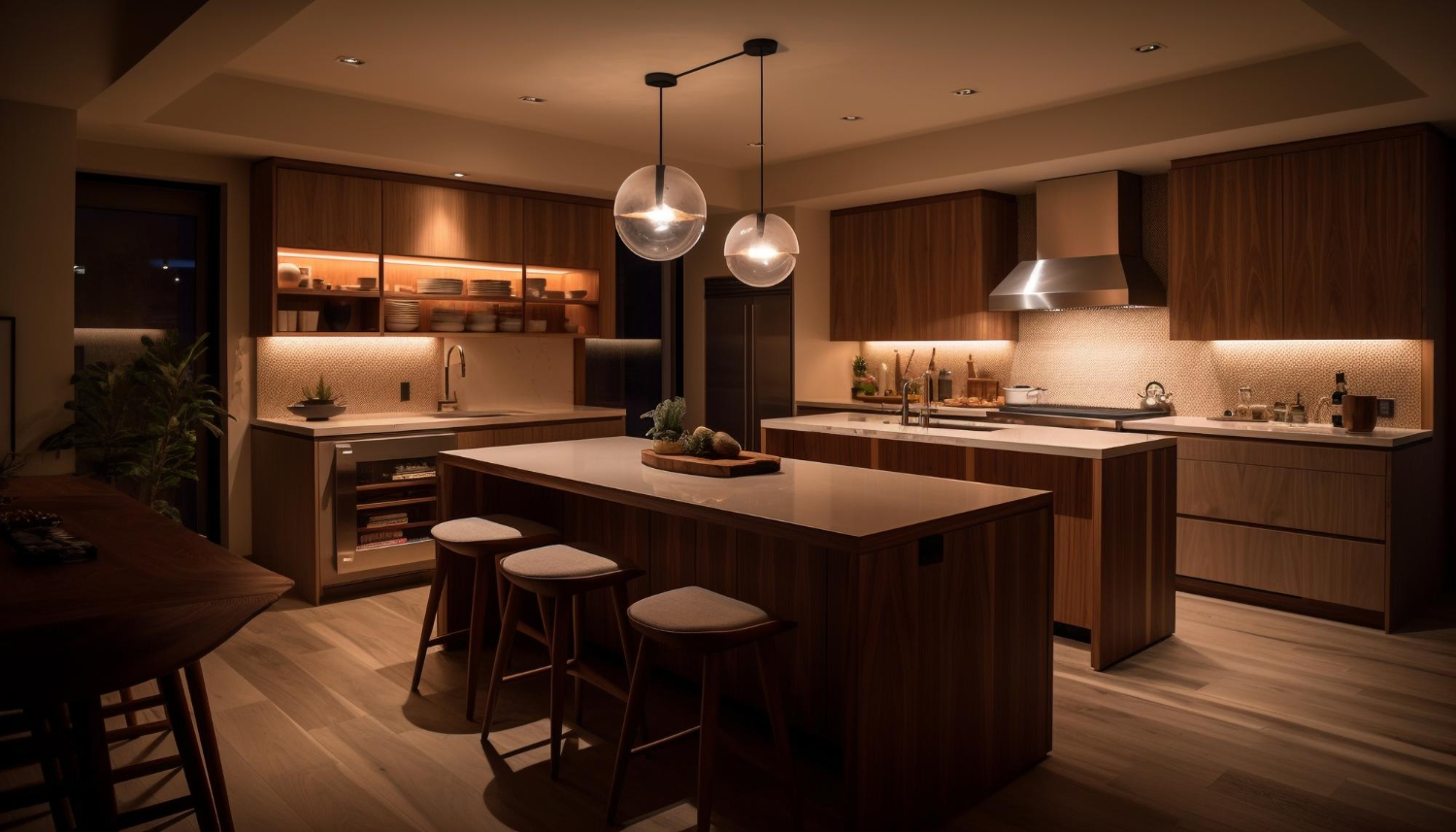
Homeowners often share their experiences and insights in online forums. Here’s a summary of what they commonly say:
| Topic | Common Feedback |
|---|---|
| Budgeting | Many recommend adding 20% to your budget for unexpected costs. |
| DIY vs. Hiring | Homeowners often suggest hiring professionals for plumbing and electrical work for safety and efficiency. |
| Materials | Choosing mid-range materials often yields the best balance between cost and quality. |
| Timeline | Expect delays; starting early and having a flexible timeline can help manage stress. |
| Design | Investing in a good design can save time and money in the long run. |
By understanding the costs, benefits, and common pitfalls associated with kitchen remodeling, homeowners can create a plan that maximizes their investment while improving their living space.