
Must Haves in Kitchen Remodel
Why This Matters for Homeowners
When considering a kitchen remodel, homeowners often face a myriad of choices that can significantly impact both functionality and aesthetics. The kitchen is often referred to as the heart of the home, serving not only as a cooking space but also as a gathering area for family and friends. Therefore, the decisions made during a remodel can influence daily life for years to come.
Investing in a kitchen remodel is not just about updating the look; it’s about enhancing usability, increasing property value, and ensuring safety. Homeowners need to prioritize specific elements that will yield the best return on investment, both in terms of functionality and financial value.
Broader Factors Influencing Kitchen Remodels

Several factors come into play when planning a kitchen remodel, including:
- Budget: Financial constraints are often the most significant factor. Homeowners must determine how much they are willing to spend and prioritize features accordingly.
- Time: A kitchen remodel can be time-consuming, often taking weeks or even months. Homeowners need to consider how long they can live without a fully functional kitchen.
- Design Preferences: Personal taste plays a critical role. Homeowners should aim for a design that reflects their style while also being practical for everyday use.
- Functionality: The kitchen’s layout should facilitate efficient workflows. Features like the kitchen work triangle (the relationship between the sink, stove, and refrigerator) are crucial.
- Regulations: Local building codes and regulations can affect what can and cannot be done during a remodel. It’s essential to consult with professionals to ensure compliance.
- Market Trends: Understanding current trends can help homeowners make informed decisions that align with what potential buyers may be looking for in the future.
By carefully considering these factors, homeowners can create a kitchen space that is not only aesthetically pleasing but also highly functional and valuable. The choices made during a remodel can have long-lasting implications, making it essential to approach the project with a clear plan and an understanding of what truly matters.
Essential Aspects of a Kitchen Remodel
1. Layout and Design
The layout of a kitchen is foundational to its functionality. A well-planned design can make cooking and entertaining more enjoyable. Common kitchen layouts include:
- U-Shaped: Offers ample counter space and storage. Ideal for larger kitchens.
- L-Shaped: Works well in smaller spaces and allows for an open feel.
- Galley: Efficient for cooking, with everything within reach. Best for narrower spaces.
- Island: Provides additional counter space and can serve as a dining area.
When planning the layout, consider the kitchen work triangle, which optimizes the space between the sink, stove, and refrigerator. This triangle should ideally be between 12 to 26 feet for maximum efficiency.
Example:
A U-shaped kitchen remodel may cost between $20,000 to $50,000, depending on materials and appliances selected.
2. Quality Appliances
Investing in high-quality appliances is crucial for both performance and longevity. Key appliances include:
- Refrigerators: Energy-efficient models can save homeowners up to $300 a year in energy costs.
- Stoves and Ovens: Consider dual-fuel ranges that combine gas and electric features for better cooking control.
- Dishwashers: Modern dishwashers are quieter and more efficient, with some models using as little as 3 gallons of water per cycle.
The average cost for a mid-range appliance package can range from $3,000 to $8,000, depending on the brand and features.
3. Countertops and Cabinets
Countertops and cabinets play a significant role in both aesthetics and functionality. When selecting materials, consider durability and maintenance:
- Granite: A popular choice due to its durability and resistance to heat and scratches. Prices typically range from $40 to $100 per square foot.
- Quartz: Non-porous and low maintenance, priced similarly to granite.
- Laminate: Budget-friendly but less durable, costing around $10 to $30 per square foot.
Cabinets should also be functional, with features like soft-close hinges and pull-out shelves. Custom cabinets can cost between $500 to $1,200 per linear foot.
Challenges:
Homeowners often face challenges with cabinet installation, including misalignment or sizing issues. Hiring a professional can mitigate these risks.
4. Lighting Solutions
Proper lighting enhances both functionality and ambiance in the kitchen. A layered lighting approach is recommended, including:
- Task Lighting: Focused lighting for work areas, such as under-cabinet lights.
- Ambient Lighting: General lighting that illuminates the entire space, often achieved with ceiling fixtures.
- Accent Lighting: Highlights design features, such as pendant lights over an island.
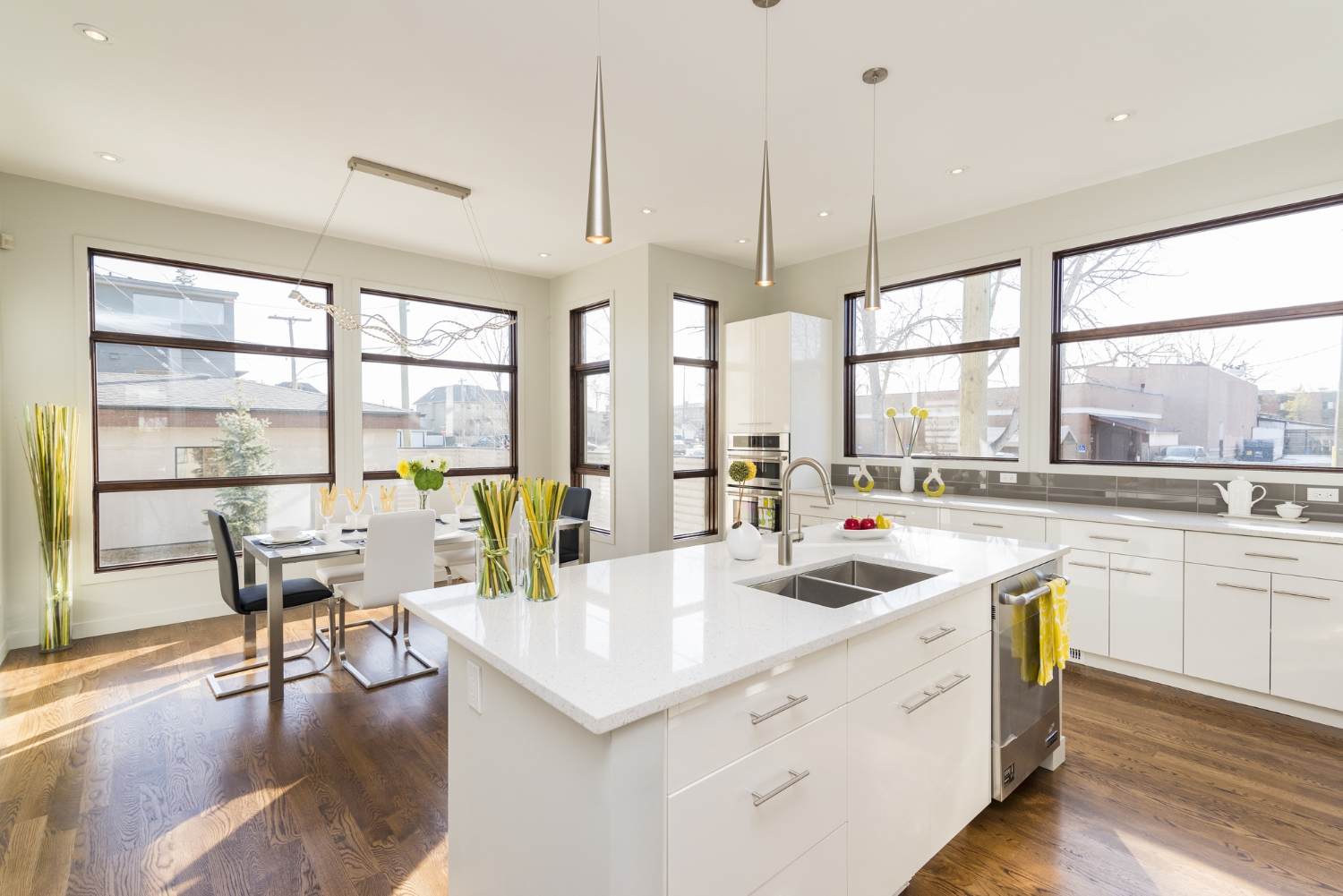
The average cost for lighting fixtures can range from $100 to $500 each, depending on design and brand.
5. Flooring Options
Choosing the right flooring is essential for both style and durability. Common options include:
- Hardwood: Offers warmth and timeless appeal but requires maintenance. Costs range from $5 to $10 per square foot.
- Tile: Durable and water-resistant, making it ideal for kitchens. Prices typically range from $1 to $20 per square foot.
- Vinyl: Budget-friendly and available in various styles, costing around $2 to $5 per square foot.
Timeline Considerations:
Installing new flooring can take anywhere from a few days to a week, depending on the material and size of the kitchen.
6. Storage Solutions
Maximizing storage is crucial in any kitchen remodel. Consider incorporating:
- Pantry Cabinets: Ideal for storing dry goods and keeping the kitchen organized.
- Pull-Out Drawers: Make accessing pots and pans easier.
- Vertical Storage: Utilize wall space with shelves or hooks for pots and utensils.
The cost for custom storage solutions can vary widely, from $1,000 to $5,000, depending on the complexity and materials used.
7. Plumbing and Electrical Updates
Updating plumbing and electrical systems is often necessary during a remodel. This can include:
- Plumbing: Ensuring pipes meet current codes and can handle new appliances.
- Electrical: Installing additional outlets and ensuring adequate power for appliances.
Consulting with licensed professionals is essential, as improper installation can lead to costly issues down the line. The average cost for plumbing and electrical updates can range from $2,000 to $5,000.
By focusing on these essential aspects during a kitchen remodel, homeowners can create a space that is not only visually appealing but also functional and efficient. Each element should be carefully considered to ensure a successful and satisfying renovation.
Actionable Advice for Your Kitchen Remodel
DIY vs. Professional Work
Deciding between a DIY approach and hiring professionals can significantly impact the outcome of your kitchen remodel. Both options have their pros and cons.
DIY Approach
- Cost Savings: You can save on labor costs, which can account for 20-35% of the total remodel budget.
- Flexibility: You have full control over the timeline and can work at your own pace.
- Personal Satisfaction: Completing a project yourself can be rewarding and allow for creativity.
Common Mistakes in DIY:
- Underestimating time and skill required for complex tasks.
- Failing to secure necessary permits, which can lead to fines.
- Not accounting for hidden issues, like plumbing or electrical problems.
Professional Work
- Expertise: Professionals bring experience and knowledge, ensuring high-quality work.
- Efficiency: They can complete projects faster, minimizing disruption to your home.
- Warranty: Many contractors offer warranties on their work, providing peace of mind.
Common Mistakes in Hiring Professionals:
- Not checking references or reviews, leading to subpar workmanship.
- Failing to get a written estimate, which can result in unexpected costs.
- Ignoring communication issues, which can lead to misunderstandings.
Budget vs. Premium Remodel
Understanding the difference between a budget remodel and a premium remodel can help you make informed choices that align with your goals.
| Aspect | Budget Remodel | Premium Remodel |
|---|---|---|
| Cost | $10,000 – $25,000 | $50,000+ |
| Materials | Laminate countertops, stock cabinets | Granite or quartz, custom cabinetry |
| Appliances | Basic, energy-efficient models | High-end, professional-grade appliances |
| Design | Simple, functional layouts | Custom designs with intricate details |
| Longevity | Shorter lifespan, may require updates sooner | Durable, long-lasting materials and finishes |
Insider Tips:
- Set a realistic budget and include a contingency of 10-20% for unexpected expenses.
- Research materials thoroughly; sometimes, mid-range options can offer similar quality to premium ones.
- Plan for the future; consider how your needs may change over time when selecting layout and features.
Mistakes to Avoid
Being aware of common pitfalls can save you time and money during your remodel.
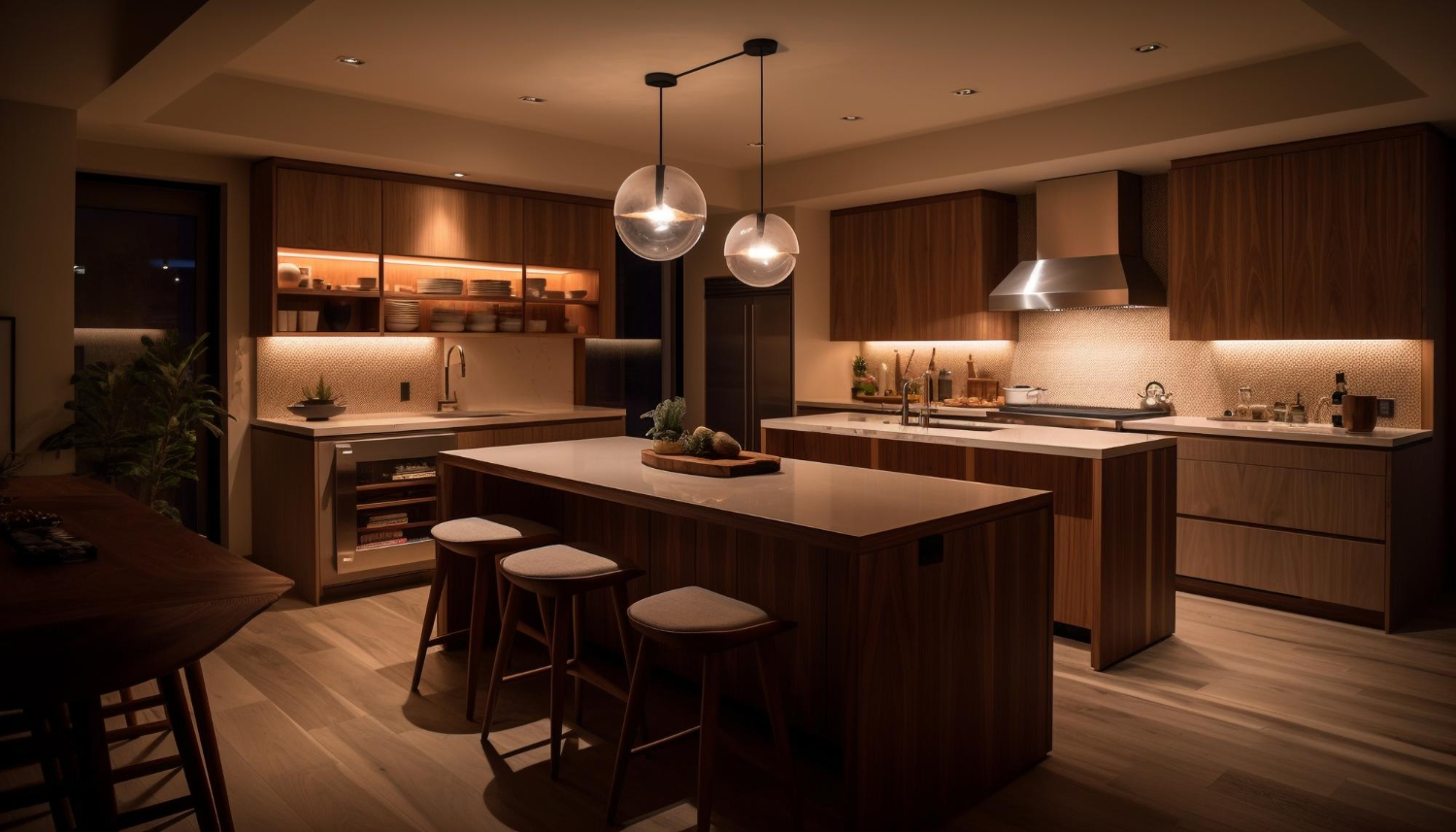
- Neglecting Lighting: Poor lighting can ruin the overall look and functionality of your kitchen. Plan for multiple sources of light.
- Ignoring Workflow: A poorly designed kitchen can hinder efficiency. Always consider how you will move between work areas.
- Over-customizing: While personalization is important, overly customized features may deter future buyers if you plan to sell.
- Skimping on Storage: Insufficient storage can lead to clutter. Plan for adequate cabinets and pantry space.
By carefully weighing your options and avoiding common mistakes, you can create a kitchen that not only meets your immediate needs but also adds lasting value to your home.
Facts About Must Haves in Kitchen Remodel
Statistical Insights
Understanding the statistical benefits of a kitchen remodel can guide homeowners in making informed decisions. Here are some key facts:
- Return on Investment (ROI): According to the National Association of Realtors, a minor kitchen remodel can yield an ROI of around 80%, while a major remodel can provide an ROI of approximately 60-70%.
- Home Value Increase: Remodeling Magazine’s Cost vs. Value report indicates that kitchen remodels can increase home value by an average of $20,000 to $50,000, depending on the scope of work.
- Energy Efficiency: Upgrading to energy-efficient appliances can save homeowners an average of $300 per year in energy costs, according to Energy Star.
- Improved Comfort: A well-designed kitchen can enhance comfort and convenience, as noted by 90% of homeowners who report increased satisfaction after a remodel.
The Benefits of a Thoughtful Approach
Taking the time to plan a kitchen remodel thoughtfully can lead to significant long-term benefits:
- Saving Money: Investing in quality materials and appliances can reduce long-term maintenance costs and improve energy efficiency.
- Adding Home Value: A well-executed kitchen remodel is one of the best ways to increase the resale value of a home, making it more appealing to buyers.
- Improving Comfort: A functional kitchen layout can make cooking and entertaining more enjoyable, enhancing the overall quality of life in the home.
When to Start and What to Prioritize
Timing and prioritization are crucial for a successful kitchen remodel. Here are some guidelines:
- Start When: Consider starting a remodel during the off-peak season (late fall to early spring) to potentially save on contractor costs and avoid delays.
- Prioritize: Focus on the following areas:
- Layout and functionality
- Quality appliances
- Durable countertops
- Efficient lighting
- Ample storage solutions
Common Owner Insights from Forums
Homeowners often share their experiences and advice in online forums. Here’s a summary of what they commonly say:
| Topic | Common Insights |
|---|---|
| Budgeting | Always include a contingency fund for unexpected expenses. |
| DIY vs. Professional | Consider hiring professionals for plumbing and electrical work to avoid costly mistakes. |
| Design Choices | Open layouts are popular but ensure they fit your lifestyle. |
| Appliance Selection | Invest in energy-efficient appliances for long-term savings. |
| Timing | Start planning early and be prepared for delays; it’s better to be patient than rushed. |
By leveraging statistical data and insights from fellow homeowners, you can approach your kitchen remodel with a clear understanding of its potential benefits and pitfalls. Prioritizing key elements will ensure that your investment pays off in comfort, functionality, and increased home value.