
Must-Haves in Kitchen Remodel
Why This Question Matters
Remodeling a kitchen is one of the most significant home improvement projects a homeowner can undertake. The kitchen often serves as the heart of the home, where families gather for meals, conversations, and celebrations. Therefore, ensuring that a kitchen remodel meets both functional and aesthetic needs is crucial.
A successful kitchen remodel can not only enhance the quality of life for the occupants but can also significantly increase the home’s value. According to various real estate studies, a well-executed kitchen remodel can return as much as 70-80% of the investment when the home is sold. However, this process is not without its challenges and considerations.
Factors Influencing Kitchen Remodels

Several factors come into play when deciding on a kitchen remodel. Homeowners should consider the following:
- Budget: Financial constraints are often the primary concern. Setting a realistic budget helps in making informed choices about materials, appliances, and labor.
- Time: A kitchen remodel can be time-consuming. Homeowners should factor in the duration of the project and how it will impact their daily lives.
- Design Preferences: Personal style plays a vital role in the remodel. Homeowners should have a clear vision of how they want their kitchen to look and function.
- Functionality: The kitchen should be designed with workflow in mind. This includes the placement of appliances, storage solutions, and counter space.
- Regulations: Local building codes and regulations can affect what can and cannot be done during a remodel. Homeowners must ensure compliance to avoid future issues.
- Resale Value: Even if the remodel is for personal enjoyment, considering the potential resale value is essential. Features that appeal to future buyers can influence decisions.
By understanding these factors, homeowners can make informed decisions that lead to a successful kitchen remodel. The right choices can enhance both the functionality and aesthetic appeal of the kitchen while also ensuring that the investment pays off in the long run.
Main Aspects of Must-Haves in Kitchen Remodel
1. Layout and Design
The layout of a kitchen is fundamental to its functionality. A well-planned kitchen layout optimizes workflow and ensures that cooking and entertaining can occur seamlessly. The most common layouts include:
- U-Shaped: Utilizes three walls and is ideal for maximizing storage and counter space.
- L-Shaped: Offers flexibility and is suitable for open-concept homes.
- Galley: Features two parallel counters, making it efficient for cooking.
- Island: Adds additional workspace and can serve as a dining area.
When planning the layout, consider the work triangle concept, which involves the optimal distance between the sink, stove, and refrigerator. This design principle helps streamline cooking tasks.
Average Costs:
The cost of a kitchen layout redesign can vary widely. A minor remodel may cost between $10,000 to $15,000, while a major overhaul can exceed $50,000, depending on the complexity and materials used.
2. Quality Appliances
Investing in quality appliances is crucial for a functional kitchen. Modern appliances not only enhance efficiency but also contribute to energy savings. Key appliances include:
- Refrigerator: Look for energy-efficient models with ample storage.
- Oven and Stove: Consider a range with both gas and electric options for versatility.
- Dishwasher: A quiet, efficient model can save time and water.
- Microwave: Essential for quick meal prep.
Average Costs:
The cost of appliances can range from $2,000 to $10,000 or more, depending on the brand and features. High-end brands can significantly increase this budget.
3. Countertops and Cabinets
Countertops and cabinets are not only essential for functionality but also impact the overall aesthetic of the kitchen.
Countertops:
Materials such as granite, quartz, and butcher block each have their advantages:
- Granite: Durable and heat-resistant but can be expensive, averaging $50 to $100 per square foot.
- Quartz: Low maintenance and available in various colors, typically costing $50 to $120 per square foot.
- Butcher Block: Offers a warm, natural look but requires regular maintenance, averaging $30 to $60 per square foot.
Cabinets:
Choosing the right cabinets is essential for storage and style. Options include:
- Stock Cabinets: Pre-manufactured and cost-effective, ranging from $75 to $150 per linear foot.
- Semi-Custom Cabinets: Offer more flexibility in design, costing between $150 to $300 per linear foot.
- Custom Cabinets: Tailored to your specifications, often costing $500 or more per linear foot.
4. Lighting
Proper lighting is vital for both functionality and ambiance in the kitchen. A layered lighting approach typically includes:
- Task Lighting: Focused on work areas like countertops and sinks.
- Ambient Lighting: General illumination for the entire space.
- Accent Lighting: Highlights architectural features or decor.
Average Costs:
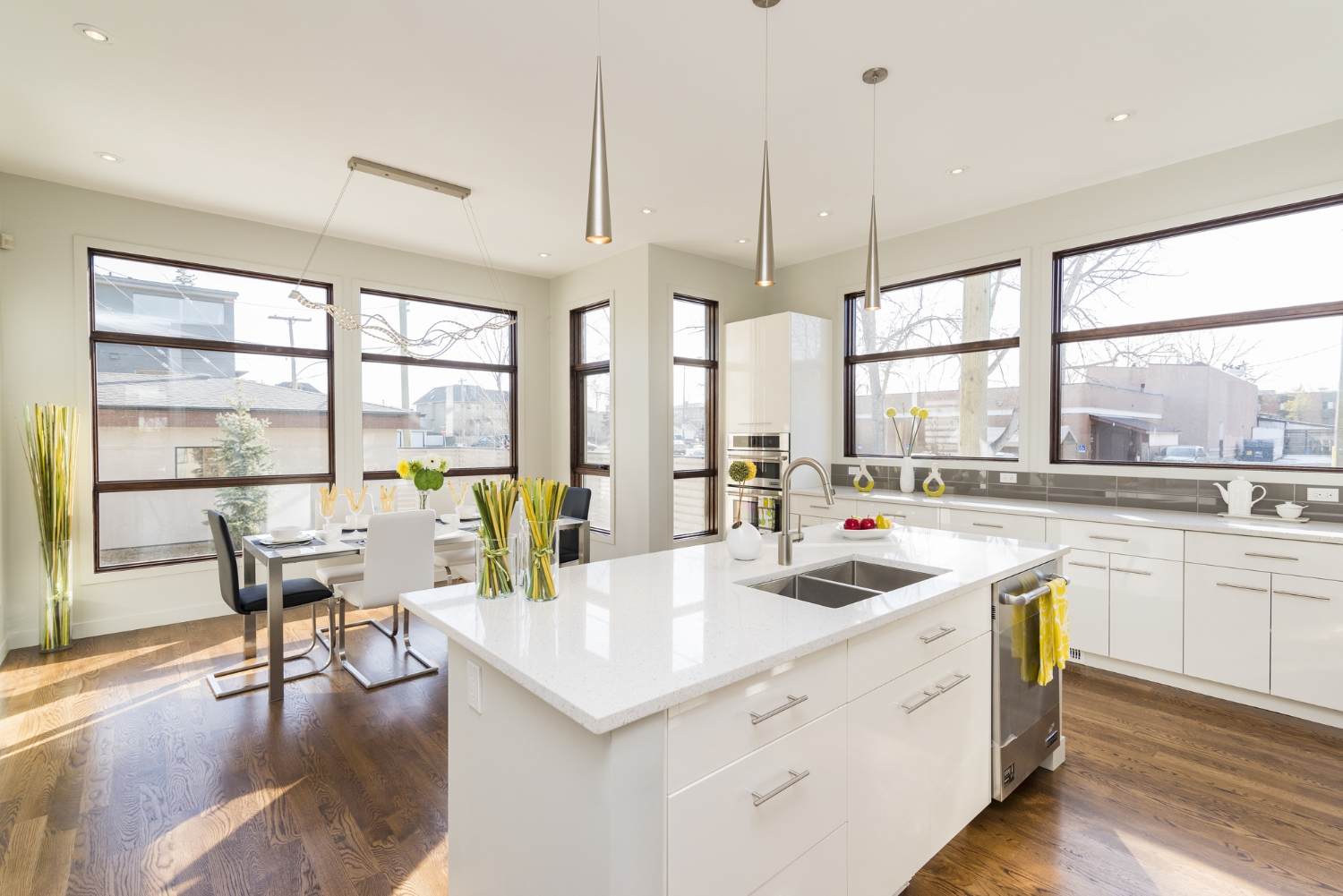
Lighting fixtures can range from $100 for basic options to $1,000 or more for designer fixtures, depending on the style and complexity.
5. Flooring
Choosing the right flooring is essential for durability and style. Popular options include:
- Tile: Durable and water-resistant, typically costing $1 to $20 per square foot.
- Hardwood: Offers warmth and beauty but can be susceptible to water damage, averaging $5 to $15 per square foot.
- Vinyl: Budget-friendly and available in various styles, costing $1 to $5 per square foot.
Considerations:
When selecting flooring, consider factors such as slip resistance, ease of cleaning, and compatibility with underfloor heating if applicable.
6. Storage Solutions
Effective storage solutions are essential for keeping the kitchen organized and functional. Homeowners should consider:
- Pull-Out Shelves: Maximize cabinet space and accessibility.
- Lazy Susans: Ideal for corner cabinets to make use of otherwise wasted space.
- Drawer Organizers: Help keep utensils and tools neatly arranged.
Average Costs:
Investing in storage solutions can range from $200 to $1,500 or more, depending on the complexity and materials used.
7. Plumbing and Electrical Updates
Upgrading plumbing and electrical systems is often necessary during a kitchen remodel. This includes:
- Plumbing: Ensure that pipes are up to code and capable of handling new appliances.
- Electrical: Update wiring to accommodate modern appliances and ensure safety.
Average Costs:
Plumbing and electrical updates can add $1,000 to $5,000 or more to the remodel budget, depending on the extent of the work required.
By focusing on these essential aspects, homeowners can create a kitchen that is not only aesthetically pleasing but also functional and efficient. Each element plays a vital role in the overall success of the remodel, so careful planning and execution are crucial.
Actionable Advice for Kitchen Remodels
DIY vs. Professional Work
When it comes to kitchen remodeling, homeowners often face the decision of whether to tackle the project themselves or hire professionals. Each approach has its pros and cons.
DIY Approach
- Cost Savings: Doing the work yourself can save on labor costs, which can be significant.
- Personal Touch: You have complete control over the design and execution.
- Skill Development: You can learn new skills and gain experience.
Common Challenges:
- Time-Consuming: DIY projects can take much longer than anticipated, disrupting daily life.
- Quality Risks: Lack of experience may lead to mistakes that could be costly to fix.
- Code Compliance: Ensuring that work meets local building codes can be challenging.
Professional Approach
- Expertise: Professionals bring experience and knowledge, ensuring high-quality work.
- Time Efficiency: Projects are typically completed faster with a skilled team.
- Warranty: Many contractors offer warranties on their work, providing peace of mind.
Common Challenges:
- Higher Costs: Labor costs can significantly increase the overall budget.
- Less Control: Homeowners may have to compromise on certain design aspects.
- Finding the Right Contractor: It can be challenging to find a trustworthy and skilled professional.
Budget vs. Premium Remodel
The budget you allocate for a kitchen remodel can greatly influence the quality and scope of the project. Here’s a comparison of budget and premium remodels.
| Aspect | Budget Remodel | Premium Remodel |
|---|---|---|
| Cost Range | $10,000 – $20,000 | $50,000+ |
| Materials | Stock cabinets, laminate countertops | Custom cabinetry, high-end stone countertops |
| Appliances | Basic, energy-efficient models | High-end, professional-grade appliances |
| Design | Simpler layouts, limited customization | Complex designs, full customization |
| Return on Investment | 70-80% on average | Varies, but can be higher with luxury features |
Tips for Budget Remodeling:
- Consider refacing cabinets instead of replacing them.
- Opt for open shelving instead of upper cabinets to save costs.
- Choose affordable yet durable materials, like quartz over granite.
Tips for Premium Remodeling:
- Invest in energy-efficient appliances to save on utility costs long-term.
- Incorporate smart technology for added convenience.
- Hire a designer to ensure that the layout maximizes both function and style.
Common Mistakes to Avoid
Avoiding common pitfalls can save time, money, and frustration. Here are some mistakes to watch out for:
- Not Setting a Realistic Budget: Underestimating costs can lead to financial strain.
- Ignoring Workflow: Failing to consider the kitchen work triangle can lead to inefficient layouts.
- Skipping Research: Not researching materials and appliances can result in poor choices.
- Neglecting Lighting: Poor lighting can ruin the functionality and ambiance of the kitchen.
- Forgetting About Storage: Insufficient storage can lead to a cluttered and disorganized space.
Insider Tips
Here are some insider tips that can enhance your kitchen remodel experience:
- Plan for the Unexpected: Set aside an additional 10-20% of your budget for unexpected expenses.
- Get Multiple Quotes: Always obtain several quotes from contractors to ensure competitive pricing.
- Keep It Simple: Sometimes, less is more. Focus on key elements that will provide the most impact.
- Involve Family: Get input from family members who use the kitchen to ensure it meets everyone’s needs.
- Think Long-Term: Choose timeless designs and durable materials that won’t go out of style quickly.
By considering these actionable pieces of advice, homeowners can navigate the complexities of a kitchen remodel more effectively, making informed decisions that align with their goals and budget.
Facts About Must-Haves in Kitchen Remodel
Statistical Insights
Understanding the statistical landscape of kitchen remodeling can provide valuable insights for homeowners. Here are some key facts based on authoritative sources:
- Return on Investment (ROI): According to Remodeling Magazine’s Cost vs. Value report, a mid-range kitchen remodel can yield a 70% ROI, while upscale remodels can return around 60%.
- Budget Allocation: The National Kitchen & Bath Association (NKBA) suggests that cabinets typically account for 29% of the total kitchen remodel budget, followed by appliances (14%) and countertops (10%).
- Home Value Increase: A well-executed kitchen remodel can increase a home’s value by an average of 15%, according to the National Association of Realtors.
- Energy Efficiency: Upgrading to energy-efficient appliances can save homeowners between $100 to $300 annually on utility bills, as reported by the U.S. Department of Energy.
Benefits of a Thoughtful Approach
Taking a thoughtful approach to kitchen remodeling can lead to several benefits:
1. Saving Money
- Smart budgeting can prevent overspending and ensure that funds are allocated to high-impact areas.
- Choosing durable materials can reduce the need for future repairs and replacements.
2. Adding Home Value
- A modern, functional kitchen is a strong selling point for potential buyers.
- Investing in high-quality finishes can elevate the overall appeal of the home.
3. Improving Comfort
- A well-designed kitchen enhances daily living, making cooking and entertaining enjoyable.
- Incorporating ergonomic designs can reduce strain and improve usability.
When to Start and What to Prioritize
Timing is crucial in a kitchen remodel. Here are some considerations:
- Start When: Spring or early summer is often ideal for renovations, as good weather allows for quicker project completion.
- Prioritize: Focus on layout, quality appliances, and essential storage solutions first, as these elements significantly impact functionality.
Common Owner Insights from Forums
Homeowners often share their experiences and advice on forums, which can provide valuable perspectives. Here is a summary of what they commonly say:
| Owner Insight | Common Themes |
|---|---|
| “Don’t underestimate the importance of lighting.” | Lighting significantly affects both functionality and ambiance. |
| “Budget for unexpected costs.” | Projects often exceed initial estimates; a contingency fund is essential. |
| “Focus on the workflow.” | A good layout saves time and enhances cooking efficiency. |
| “Invest in quality over quantity.” | Choosing high-quality materials can lead to long-term savings. |
| “Get multiple quotes from contractors.” | Comparing bids can help find the best value for services. |
By leveraging statistical data and insights from fellow homeowners, individuals can make informed decisions that lead to a successful kitchen remodel. Prioritizing key elements and planning thoughtfully can maximize both comfort and value.