
Must Haves in Kitchen Remodel
Importance of Kitchen Remodeling
The kitchen is often referred to as the heart of the home. It is where families gather, meals are prepared, and memories are made. Therefore, when considering a kitchen remodel, homeowners must identify the essential elements that will enhance both functionality and aesthetics. Knowing what to prioritize can significantly impact the overall satisfaction with the remodel and the long-term value of the home.
Why This Matters for Homeowners
For homeowners, a kitchen remodel is not just about aesthetics; it’s a significant investment of time and money. Here are several reasons why identifying must-haves is crucial:
- Financial Investment: Kitchen remodels can range from a few thousand to tens of thousands of dollars. Understanding what features are essential can help homeowners allocate their budget effectively.
- Time Commitment: A kitchen remodel can disrupt daily life for weeks or even months. Homeowners need to ensure that the changes made are worth the time spent living in a construction zone.
- Design Cohesion: The kitchen should complement the overall design of the home. Choosing the right elements ensures that the remodel feels cohesive rather than disjointed.
- Regulations and Codes: Local building codes and regulations can affect what can be done during a remodel. Being aware of these can prevent costly mistakes and delays.
Broader Factors Influencing Kitchen Remodels

Several broader factors come into play when planning a kitchen remodel:
- Budget Constraints: Homeowners must establish a realistic budget that includes all potential costs, such as labor, materials, and unexpected expenses.
- Current Trends: Understanding current kitchen design trends can help homeowners make choices that will remain appealing and functional for years to come.
- Family Needs: The needs of the household should guide decisions. For example, families with young children may prioritize safety and durability, while those who entertain frequently may focus on open layouts and high-end appliances.
- Energy Efficiency: Many homeowners are now considering eco-friendly options that reduce energy consumption and save money in the long run.
In summary, identifying must-haves in a kitchen remodel is essential for homeowners looking to enhance their living space effectively. By considering financial, time, design, and regulatory factors, homeowners can make informed decisions that lead to a successful and satisfying kitchen renovation.
Essential Aspects of a Kitchen Remodel
1. Layout and Design
The layout of a kitchen is crucial for its functionality. The most common layouts include U-shape, L-shape, galley, and island designs. Each layout serves different needs and can affect workflow.
Common Layouts
- U-Shape: Offers ample counter space and storage, ideal for larger kitchens.
- L-Shape: Provides flexibility and is suitable for smaller spaces while still allowing for an island.
- Galley: Efficient for small kitchens, maximizing space with parallel counters.
- Island: Adds additional workspace and can serve as a dining area, perfect for open-concept homes.
Consider the “kitchen work triangle” concept, which emphasizes the relationship between the sink, stove, and refrigerator. A well-planned triangle can enhance efficiency.
2. Cabinets and Storage
Cabinets are often the focal point of a kitchen remodel. They take up a significant portion of the budget, typically accounting for 30-40% of the total remodel cost.
Types of Cabinets
- Stock Cabinets: Pre-manufactured and available in standard sizes, usually the most affordable option.
- Semi-Custom Cabinets: Offer more flexibility in terms of sizes and finishes, at a mid-range price point.
- Custom Cabinets: Tailored to specific needs and preferences, but can be significantly more expensive.
Incorporating smart storage solutions like pull-out shelves, lazy Susans, and deep drawers can maximize space and improve accessibility.
3. Countertops
Choosing the right countertop material is essential, as it impacts both aesthetics and functionality. Popular materials include:
- Granite: Durable and heat-resistant, averaging $40-$100 per square foot.
- Quartz: Non-porous and low maintenance, typically priced between $50-$150 per square foot.
- Laminate: Budget-friendly, ranging from $10-$40 per square foot, but less durable.
- Butcher Block: Adds warmth and character, costing around $30-$100 per square foot.
Consider the long-term maintenance and durability of each material before making a decision.
4. Appliances
Upgrading appliances can significantly enhance a kitchen’s functionality and energy efficiency. Key appliances to consider include:
- Refrigerator: Look for energy-efficient models that fit your storage needs.
- Oven and Range: Decide between gas and electric based on cooking preferences.
- Dishwasher: Modern models are quieter and more efficient, often with energy-saving features.
- Microwave: Consider built-in options to save counter space.
Budgeting for appliances can range from $2,000 to $10,000 or more, depending on the brand and features.
5. Flooring
The kitchen floor must be durable and easy to clean. Options include:
- Tile: Water-resistant and available in various styles, typically costing $5-$15 per square foot.
- Hardwood: Offers warmth and beauty but requires maintenance, averaging $8-$15 per square foot.
- Vinyl: Budget-friendly and available in many designs, ranging from $1-$5 per square foot.
- Bamboo: Eco-friendly and durable, usually priced between $3-$8 per square foot.
6. Lighting
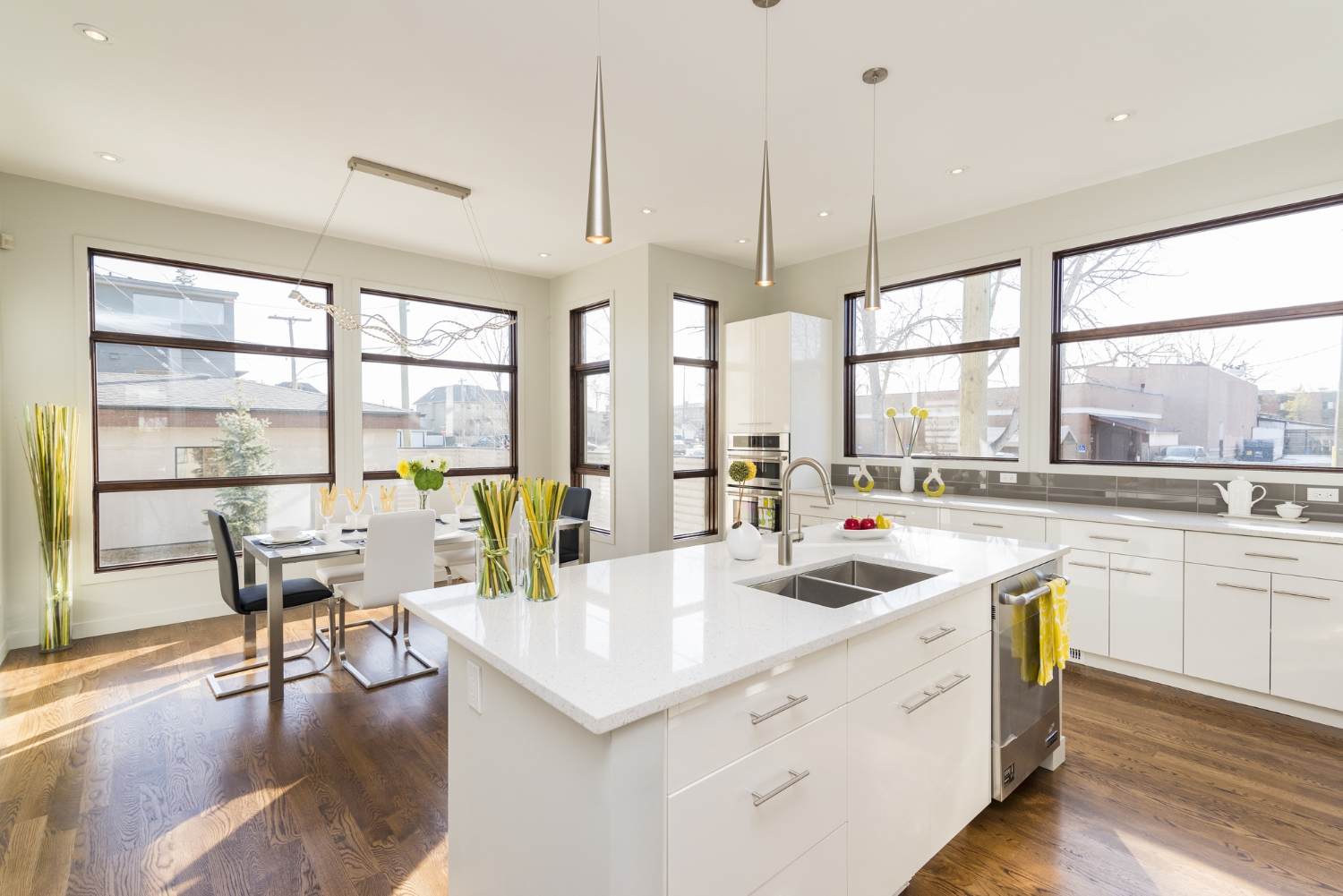
Good lighting is essential for both functionality and ambiance. A layered lighting approach is often recommended:
- Task Lighting: Focused on work areas, such as under-cabinet lights.
- Ambient Lighting: Provides overall illumination, often through ceiling fixtures.
- Accent Lighting: Highlights specific areas or features, like pendant lights over an island.
Budgeting for lighting can vary widely, from $100 for basic fixtures to several thousand for high-end options.
7. Plumbing and Electrical Upgrades
Upgrading plumbing and electrical systems may be necessary during a remodel, particularly in older homes. This can include:
- Re-routing plumbing: To accommodate new sinks or dishwashers.
- Updating electrical panels: To support additional appliances or lighting.
These upgrades can be significant expenses, often costing several thousand dollars, but are crucial for safety and functionality.
8. Finishing Touches
Finally, don’t overlook the importance of finishing touches, which can elevate the overall look of the kitchen. This includes:
- Backsplashes: Available in various materials, adding personality and style.
- Hardware: Knobs and pulls can provide a modern or traditional touch.
- Paint and Wall Treatments: Color can dramatically change the feel of the space.
These finishing touches can range from a few hundred to a few thousand dollars, depending on the choices made.
Actionable Advice for Kitchen Remodeling
DIY vs. Professional Work
When planning a kitchen remodel, one of the first decisions homeowners face is whether to tackle the project themselves or hire professionals. Each approach has its pros and cons.
DIY Approach
Many homeowners opt for DIY projects to save money and add a personal touch. However, this approach requires careful consideration.
- Pros:
- Cost savings on labor, which can account for 20-35% of the total remodel budget.
- Personal satisfaction and a sense of accomplishment.
- Flexibility to work at your own pace.
- Cons:
- Time-consuming, especially for inexperienced DIYers.
- Potential for costly mistakes if not executed properly.
- Limited access to professional-grade materials and tools.
Professional Work
Hiring professionals can streamline the remodeling process, but it comes at a higher cost.
- Pros:
- Expertise in design and execution, reducing the likelihood of mistakes.
- Access to high-quality materials and tools.
- Time-efficient; professionals can often complete projects faster.
- Cons:
- Higher upfront costs, which can be a significant part of the budget.
- Less control over the timeline and design choices.
- Possible communication issues if expectations are not clearly defined.
Budget vs. Premium Remodel
Another critical aspect of kitchen remodeling is choosing between a budget-friendly remodel and a premium upgrade. Understanding the differences can help homeowners make informed decisions.
| Aspect | Budget Remodel | Premium Remodel |
|---|---|---|
| Cost | Typically ranges from $10,000 to $25,000. | Can start from $25,000 and exceed $100,000. |
| Materials | Often uses stock cabinets, laminate countertops, and basic appliances. | Utilizes custom cabinetry, high-end countertops, and energy-efficient appliances. |
| Design | Focuses on functionality with limited customization. | Emphasizes aesthetics with personalized design elements. |
| Resale Value | May not significantly increase home value. | Can greatly enhance home value and appeal to buyers. |
Common Mistakes to Avoid
Whether opting for a DIY approach or hiring professionals, there are common pitfalls to be aware of:
- Ignoring the Budget: Failing to set a clear budget can lead to overspending. Always include a contingency fund of 10-20% for unexpected costs.
- Overlooking Functionality: Prioritizing aesthetics over practical needs can lead to an unusable kitchen. Always consider workflow and storage needs.
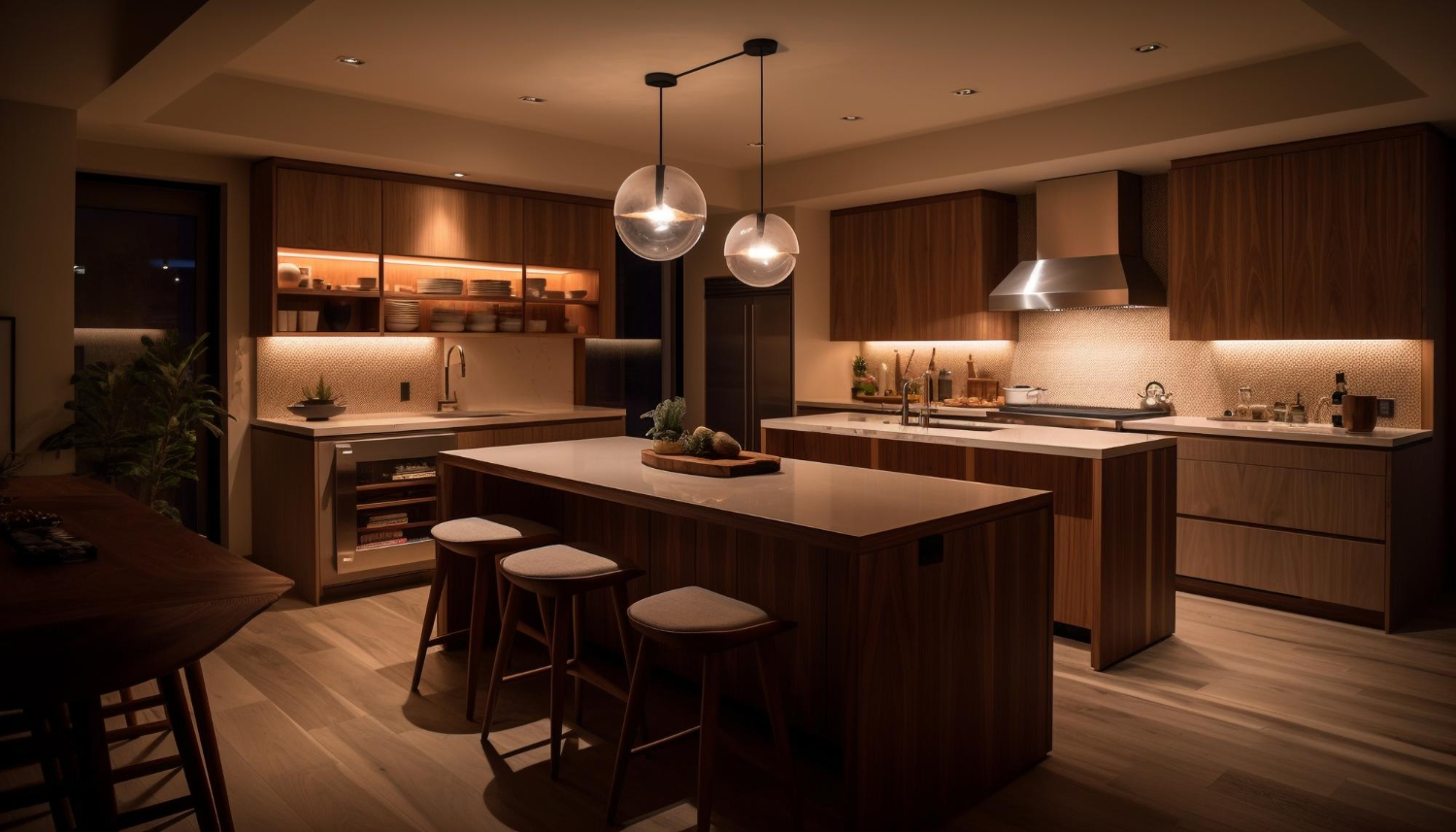
- Neglecting Lighting: Poor lighting can make even the most beautiful kitchens feel uninviting. Plan for layered lighting to enhance both functionality and ambiance.
- Rushing the Planning Stage: Skipping detailed planning can result in costly mistakes. Take the time to map out the layout, materials, and timeline.
Insider Tips
Here are some expert tips to ensure a successful kitchen remodel:
- Research and Compare: Always get multiple quotes from contractors and compare prices, materials, and timelines.
- Focus on High-Impact Areas: If on a budget, invest in key areas like countertops and appliances, which can significantly impact the kitchen’s overall look and functionality.
- Consider Resale Value: If planning to sell in the near future, opt for timeless designs and materials that appeal to a broad audience.
- Stay Organized: Keep a detailed project timeline and checklist to track progress and ensure nothing is overlooked.
Facts About Must-Haves in Kitchen Remodel
Statistical Insights
Understanding the statistics and data surrounding kitchen remodels can provide valuable insights for homeowners. Here are some key facts:
- Return on Investment (ROI): According to Remodeling Magazine’s Cost vs. Value Report, a mid-range kitchen remodel can yield an ROI of approximately 72% when selling a home.
- Average Cost: The average cost of a kitchen remodel in the U.S. ranges from $20,000 to $50,000, depending on the scope and materials used.
- Increased Home Value: The National Association of Realtors states that kitchen remodels are among the top renovations that can increase home value, with many homeowners recouping 60-70% of their investment.
- Energy Efficiency: Upgrading to energy-efficient appliances can save homeowners an average of $300 per year on utility bills, according to the U.S. Department of Energy.
Benefits of a Thoughtful Approach
A well-planned kitchen remodel can lead to numerous benefits:
- Saving Money: By setting a clear budget and prioritizing essential upgrades, homeowners can avoid costly mistakes and unnecessary expenses.
- Adding Home Value: A modern, functional kitchen can significantly increase a home’s marketability and value, making it a smart investment.
- Improving Comfort: A thoughtfully designed kitchen enhances daily living, making it more enjoyable to cook, entertain, and spend time with family.
When to Start and What to Prioritize
Timing and prioritization are crucial in a kitchen remodel. Here are some guidelines:
- When to Start: Begin planning your kitchen remodel during the off-peak season (typically late fall or winter) to secure better pricing and availability from contractors and suppliers.
- What to Prioritize:
- Layout and functionality: Ensure the kitchen is designed for efficiency and ease of use.
- Quality appliances: Invest in energy-efficient models that will save money in the long run.
- Durable materials: Choose materials that will withstand daily wear and tear while maintaining aesthetics.
- Storage solutions: Maximize space with smart storage options to keep the kitchen organized.
Common Homeowner Insights from Forums
Homeowners often share their experiences and advice in online forums. Here’s a summary of common insights:
| Topic | Common Insights |
|---|---|
| Budgeting | Many recommend setting a budget with a 10-20% contingency for unexpected costs. |
| Choosing Contractors | Homeowners emphasize the importance of checking references and reading reviews before hiring. |
| Design Choices | Popular advice includes focusing on timeless designs rather than trendy styles to ensure longevity. |
| Project Management | Staying organized and maintaining communication with contractors is crucial for a smooth process. |