
What to Pick Out First When Remodeling a Kitchen
Why This Question Matters
Remodeling a kitchen can be one of the most rewarding yet challenging projects a homeowner can undertake. The kitchen is often considered the heart of the home, where families gather, meals are prepared, and memories are made. Therefore, the decisions made during a kitchen remodel can significantly impact both functionality and aesthetics. However, determining what to prioritize can be overwhelming, especially given the myriad of choices available.
When embarking on a kitchen remodel, homeowners face several critical factors that influence their decisions:
Budget
- Establishing a budget is often the first step in any remodeling project. It dictates what materials, appliances, and design elements can be considered.
- Understanding the costs associated with various options can help prevent overspending and ensure that the project remains financially feasible.
Time
- Time is a crucial element in kitchen remodeling. Homeowners must consider how long they can manage without a fully functional kitchen.
- Some choices may extend the timeline significantly, while others can expedite the process.
Design
- The overall design vision is essential. Homeowners should have a clear idea of their desired style, whether it’s modern, traditional, or eclectic.
- Design choices can influence everything from the layout to the selection of materials and colors.
Regulations and Codes
- Local building codes and regulations can impact what can and cannot be done in a kitchen remodel.
- Understanding these regulations early on can save homeowners from costly mistakes and delays.
Functionality
- Consideration of how the kitchen will be used is vital. Homeowners should think about their cooking habits, storage needs, and the flow of movement within the space.
- Choosing elements that enhance functionality can lead to a more enjoyable cooking and dining experience.

Given these factors, the question of what to pick out first is not trivial. It sets the stage for the entire remodel and can influence the overall success of the project. Whether it’s selecting appliances, cabinets, or countertops, each decision will have a ripple effect on the remaining choices and the final outcome. Homeowners should approach this question with careful consideration, weighing all factors to ensure a cohesive and satisfying kitchen remodel.
What to Pick Out First When Remodeling a Kitchen
1. Establishing Your Budget
Before making any selections, it is crucial to establish a budget. This will guide all subsequent decisions and keep the project on track financially. Here’s how to approach budgeting:
Assessing Costs
- The average kitchen remodel can range from $15,000 to $50,000, depending on the scope of work.
- High-end remodels can exceed $100,000, especially if custom cabinetry and premium appliances are involved.
Allocating Funds
- Typically, allocate about 30% of your budget to cabinetry, 20% to appliances, 15% to countertops, and the remainder to flooring, lighting, and labor.
- Be sure to set aside 10-20% for unexpected expenses, as surprises are common in remodeling projects.
2. Selecting a Layout
Once the budget is established, the next step is to decide on the kitchen layout. The layout affects both functionality and design.
Common Layouts
- U-Shaped: Offers ample counter space and storage, ideal for larger kitchens.
- L-Shaped: Provides an open layout that works well for smaller spaces.
- Galley: Efficient for cooking but can feel cramped if not designed thoughtfully.
Considerations for Layout
- Think about the work triangle (the distance between the sink, stove, and refrigerator) to ensure efficiency.
- Consider how many people will use the kitchen and if you need space for multiple cooks.
3. Choosing Cabinets
Cabinets are often the most visually prominent feature in a kitchen. Choosing them early in the process is wise.
Types of Cabinets
- Stock Cabinets: Pre-manufactured and available in standard sizes, typically the most affordable option.
- Semi-Custom Cabinets: Offer more flexibility in sizes and finishes, falling in the mid-range price category.
- Custom Cabinets: Made to order, allowing for unique designs but at a higher cost.
Average Costs
- Stock cabinets can range from $100 to $300 per linear foot.
- Semi-custom cabinets typically cost between $150 and $600 per linear foot.
- Custom cabinets can start at $500 per linear foot and go much higher.
4. Selecting Appliances
Appliances are essential for functionality and should be chosen after the layout and cabinetry.
Types of Appliances
- Consider energy-efficient models to save on utility bills.
- Decide on built-in versus freestanding appliances based on your layout.
Average Costs
- A standard refrigerator can range from $800 to $3,000.
- Ovens typically cost between $600 and $2,500.
- Dishwashers range from $400 to $1,500.
5. Picking Countertops
Countertops are another significant element that can influence the kitchen’s overall look and functionality.
Materials
- Granite: Durable and heat-resistant, typically costs $40 to $100 per square foot.
- Quartz: Low maintenance and available in various colors, costing $50 to $150 per square foot.
- Laminate: Budget-friendly option at $10 to $40 per square foot but less durable.
Considerations for Selection
- Choose a material that fits your cooking habits and maintenance preferences.
- Consider the color and pattern to complement your cabinetry and overall design.
6. Flooring Choices
Flooring can make a significant impact on the kitchen’s aesthetics and functionality.
Common Flooring Options
- Tile: Durable and water-resistant, typically ranging from $1 to $20 per square foot.
- Hardwood: Offers warmth and beauty, ranging from $5 to $15 per square foot.
- Vinyl: Affordable and easy to install, costing between $1 and $5 per square foot.
Factors to Consider
- Choose flooring that can withstand spills and heavy foot traffic.
- Consider comfort underfoot, especially if you spend a lot of time cooking.
7. Lighting and Fixtures
Lighting plays a crucial role in both functionality and ambiance in the kitchen.
Types of Lighting
- Ambient Lighting: General illumination that provides overall brightness.
- Task Lighting: Focused lighting for specific areas, such as over the sink or countertops.
- Accent Lighting: Decorative lighting to highlight features like cabinets or artwork.
Average Costs
- Basic light fixtures can range from $50 to $200.
- More decorative or specialized fixtures can cost $200 to $1,000 or more.
8. Final Touches
Once the major elements are selected, it’s time to focus on the details that will complete the kitchen.
Backsplash and Hardware
- Backsplashes can range from $10 to $50 per square foot, depending on the material.
- Cabinet hardware can cost anywhere from $1 to $20 per piece, depending on style and material.
Decorative Elements
- Consider adding decorative elements like open shelving, artwork, or plants to personalize the space.
- Choose colors and textures that tie the overall design together.
By following these steps and considering these factors, homeowners can effectively navigate the complexities of a kitchen remodel. Each decision influences the next, making it essential to approach the process methodically.
Actionable Advice for Kitchen Remodeling
Common Approaches: DIY vs. Professional Work
When it comes to kitchen remodeling, one of the first decisions homeowners face is whether to tackle the project themselves or hire professionals. Each approach has its advantages and disadvantages.
DIY Remodeling
- Cost Savings: Doing the work yourself can save on labor costs, which can be significant.
- Personal Touch: Homeowners can customize every aspect of the project to their liking.
- Learning Experience: DIY can be a rewarding way to learn new skills and take pride in your work.
Challenges of DIY
- Time-Consuming: Remodeling can take much longer without professional experience.
- Skill Limitations: Not all tasks are suitable for amateurs; plumbing and electrical work often require expertise.
- Potential for Mistakes: DIY projects can lead to costly errors if not done correctly.
Professional Remodeling
- Expertise: Professionals bring experience and knowledge, ensuring quality work.
- Time Efficiency: A professional team can complete the project much faster than a DIY effort.
- Design Guidance: Professionals can help with design choices that maximize space and functionality.
Challenges of Professional Work
- Higher Costs: Labor costs can significantly increase the overall budget.
- Less Control: Homeowners may have to compromise on certain design elements.
- Finding the Right Contractor: The quality of work can vary widely among contractors.
Budget vs. Premium Remodel
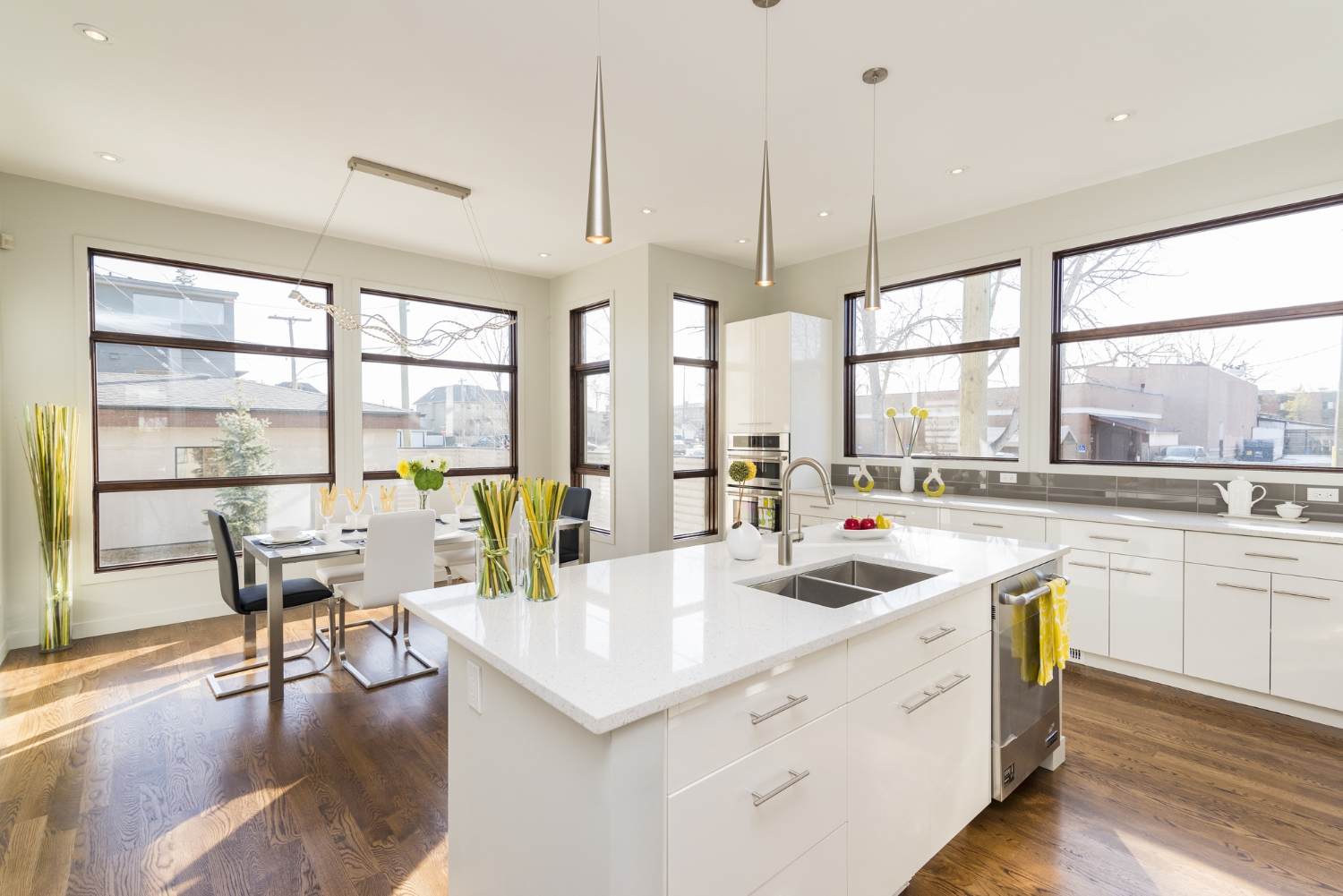
Choosing between a budget-friendly remodel and a premium upgrade involves evaluating your needs and financial situation.
Budget Remodel
- Cost-Effective Materials: Opt for laminate countertops and stock cabinets to save money.
- Focus on Essentials: Prioritize appliances and fixtures that improve functionality.
- DIY Elements: Incorporate DIY projects like painting cabinets or installing a backsplash.
Premium Remodel
- High-Quality Materials: Invest in granite countertops and custom cabinetry for durability and aesthetics.
- Top-of-the-Line Appliances: Consider energy-efficient models with advanced features.
- Professional Design Services: Hire a designer to create a cohesive and functional layout.
| Aspect | Budget Remodel | Premium Remodel |
|---|---|---|
| Materials | Laminate, stock cabinets | Granite, custom cabinetry |
| Appliances | Basic models | Energy-efficient, high-end models |
| Labor | DIY or minimal professional help | Full professional team |
| Design | Basic functionality | Custom, cohesive design |
Common Mistakes to Avoid
When remodeling a kitchen, avoiding common pitfalls can save time, money, and frustration.
1. Underestimating Costs
- Many homeowners fail to account for the full scope of expenses, including permits and unexpected repairs.
- Always add a buffer of 10-20% to your budget for contingencies.
2. Ignoring the Work Triangle
- Failing to consider the work triangle (sink, stove, refrigerator) can lead to inefficient layouts.
- Ensure that these three elements are easily accessible to improve workflow.
3. Skimping on Quality
- Choosing cheaper materials may save money initially but can lead to higher long-term costs due to replacements.
- Invest in quality where it counts, especially for cabinets and appliances.
4. Neglecting Lighting
- Inadequate lighting can make a kitchen feel cramped and uninviting.
- Incorporate a mix of ambient, task, and accent lighting for a well-lit space.
Insider Tips
To ensure a successful kitchen remodel, consider the following insider tips:
1. Do Your Research
- Research design trends, materials, and appliances to make informed decisions.
- Visit showrooms and read reviews to understand what works best for your needs.
2. Create a Detailed Plan
- Outline every aspect of the remodel, from the layout to the materials, to avoid confusion later.
- Include timelines and milestones to keep the project on track.
3. Consult with Professionals Early
- Even if you plan to DIY, consult with professionals for critical tasks like plumbing and electrical work.
- Getting expert input can prevent costly mistakes down the line.
4. Be Flexible
- Remodels rarely go exactly as planned; be prepared for changes and adapt as necessary.
- Stay open to suggestions from contractors and designers, as they may offer valuable insights.
By following this actionable advice, homeowners can navigate the complexities of kitchen remodeling more effectively and avoid common pitfalls. Whether choosing between DIY and professional help or deciding on a budget versus premium remodel, informed decisions will lead to a more satisfying outcome.
Facts About What to Pick Out First When Remodeling a Kitchen
Statistical Insights
Understanding the statistics surrounding kitchen remodeling can guide homeowners in making informed choices about what to prioritize first.
Cost vs. Value
- According to the National Association of Realtors (NAR), a minor kitchen remodel can return approximately 80% of its cost upon resale.
- Major kitchen renovations typically recoup around 60% to 70% of their costs, underscoring the importance of thoughtful planning.
Popular Priorities
- A survey by Houzz found that 75% of homeowners prioritize new cabinets when remodeling their kitchens.
- Countertops and appliances are also high on the list, with about 60% of homeowners focusing on these elements first.
Benefits of a Thoughtful Approach
Taking a strategic approach to kitchen remodeling can yield several benefits:
1. Saving Money
- By planning ahead and prioritizing essential elements, homeowners can avoid costly mistakes and unnecessary expenses.
- Choosing materials wisely can lead to significant savings without sacrificing quality.
2. Adding Home Value
- A well-executed kitchen remodel can enhance a home’s marketability and resale value.
- Investing in high-demand features, such as energy-efficient appliances, can attract potential buyers.
3. Improving Comfort
- Thoughtful design choices can create a more functional and comfortable cooking space.
- Incorporating features like adequate lighting and efficient layouts enhances the overall kitchen experience.
When to Start and What to Prioritize
Timing and prioritization are crucial in the remodeling process.
Starting Point
- It’s advisable to start planning your kitchen remodel at least 6-12 months before you intend to begin construction.
- This allows ample time for research, budgeting, and design considerations.
Prioritization Strategies
- Begin with a clear budget and overall vision for the kitchen.
- Focus on functional elements first, such as layout and appliances.
- Next, prioritize cabinetry and countertops, as they significantly impact both aesthetics and usability.
- Finally, consider decorative elements and finishes that will enhance the overall design.
Common Insights from Homeowners
Homeowners often share valuable insights and experiences in forums. The following table summarizes common themes:
| Common Insights | Details |
|---|---|
| Prioritize Layout | Many emphasize the importance of a functional layout over aesthetics. |
| Invest in Quality | Homeowners frequently recommend investing in quality materials for long-term value. |
| Don’t Rush | Taking time to plan can prevent costly mistakes and ensure satisfaction. |
| Seek Professional Help | Many suggest consulting with professionals for critical design and technical aspects. |
| Focus on Lighting | Good lighting is often mentioned as a game-changer for kitchen functionality. |
By leveraging these facts and insights, homeowners can approach their kitchen remodel with a clear strategy, ensuring that they prioritize effectively and make informed choices that enhance both their living space and property value.
