
Understanding What $20,000 Gets You in a Kitchen Remodel
Why This Question Matters for Homeowners
When contemplating a kitchen remodel, one of the first questions homeowners ask is, “What can I realistically achieve with a budget of $20,000?” This inquiry is crucial for several reasons:
- Budget Management: Knowing what $20,000 can get you helps homeowners allocate funds wisely, avoiding overspending or underestimating costs.
- Realistic Expectations: A clear understanding of the budget allows for setting achievable goals, ensuring that the remodel meets both aesthetic and functional needs.
- Investment Value: Kitchen remodels can significantly impact home value. Understanding the scope of what $20,000 can accomplish helps homeowners make informed decisions that can enhance resale value.
Broader Factors Influencing Kitchen Remodels
Several factors play a role in determining what can be accomplished within a $20,000 budget for a kitchen remodel. Here are some key considerations:
- Materials: The choice of materials—cabinets, countertops, flooring, and appliances—can drastically affect the overall cost. High-end materials will consume a larger portion of the budget, while budget-friendly options can allow for more extensive renovations.
- Labor Costs: Labor can account for a significant part of the budget. Hiring skilled contractors can ensure quality work but may also lead to higher expenses. DIY options can save money but require time and effort.
- Design Complexity: A simple, straightforward design will generally be less expensive than a complex layout that requires extensive plumbing or electrical work. Custom designs can also increase costs.
- Regulations and Permits: Depending on local laws, certain renovations may require permits, which can add to the overall budget. Understanding these regulations is essential for avoiding unexpected expenses.
- Timeframe: The time allocated for the remodel can influence costs. A rushed project may lead to higher labor costs, while a more relaxed schedule could allow for better deals on materials and labor.

By considering these factors, homeowners can better navigate their $20,000 kitchen remodel and make choices that align with their goals and budget constraints.
What $20,000 Gets You in a Kitchen Remodel
Cabinetry and Storage Solutions
One of the most significant components of a kitchen remodel is cabinetry. For a budget of $20,000, homeowners can expect to allocate around $10,000 to $15,000 for cabinets, depending on the style and material chosen.
- Stock Cabinets: These are pre-manufactured and can be found at major retailers. Prices typically range from $100 to $300 per linear foot. For a medium-sized kitchen, a budget of $4,000 to $6,000 can cover stock cabinets.
- Semi-Custom Cabinets: Offering more flexibility in design, these cabinets usually range from $150 to $750 per linear foot. A budget of $6,000 to $10,000 may be more appropriate for semi-custom options.
- Custom Cabinets: Tailored to fit specific needs, custom cabinets can be the most expensive option, costing anywhere from $500 to $1,200 per linear foot. With a $20,000 budget, this option may be limited to a few specialty pieces.
Countertops
Countertops are another essential aspect of kitchen design. The material chosen can significantly impact both aesthetics and functionality.
- Laminate: A cost-effective option, laminate countertops typically range from $10 to $40 per square foot. With a budget of $1,000 to $2,500, homeowners can achieve a clean, modern look.
- Granite: A popular choice for its durability and elegance, granite countertops usually range from $40 to $100 per square foot. A budget of $3,000 to $5,000 can cover a mid-range granite installation.
- Quartz: Similar in price to granite, quartz countertops can cost between $50 and $120 per square foot. For a $20,000 budget, allocating around $3,500 to $6,000 for quartz is reasonable.
Appliances
Investing in new appliances is often a priority in kitchen remodels. The cost of appliances can vary widely based on brand and functionality.
- Refrigerators: A mid-range refrigerator can cost between $1,000 and $2,500. Budgeting around $1,500 for a quality model is typical.
- Ovens and Ranges: Depending on whether you choose gas or electric, prices can range from $800 to $3,000. A budget of $1,500 for a solid mid-range option is reasonable.
- Dishwashers: Dishwashers typically range from $400 to $1,500. Allocating around $800 should provide a reliable model.
Plumbing and Electrical Work
Depending on the scope of the remodel, plumbing and electrical work can add significant costs.
- Plumbing: If you are relocating sinks or adding a dishwasher, plumbing costs can range from $1,000 to $3,000. A budget of around $1,500 should cover minor adjustments.
- Electrical: Upgrading electrical outlets or adding new lighting fixtures can cost between $500 and $2,000. Budgeting around $1,000 for electrical work is reasonable.
Flooring Options
Flooring is another critical element of a kitchen remodel, impacting both style and functionality.
- Vinyl Flooring: A budget-friendly option, vinyl can range from $2 to $7 per square foot. For a medium-sized kitchen, a budget of $1,000 to $2,500 can cover vinyl flooring.
- Tile Flooring: Ceramic or porcelain tile costs between $5 and $15 per square foot. A budget of $2,500 to $5,000 can provide for quality tile installation.
- Hardwood Flooring: This option is more expensive, ranging from $8 to $20 per square foot. A budget of $3,000 to $6,000 is typical for hardwood flooring.
Design and Labor Costs
Design and labor costs are essential to consider in any kitchen remodel.
- Design Fees: Hiring a designer can cost between $50 and $200 per hour. For a small project, budgeting $500 to $1,500 for design services is common.
- Labor Costs: General contractors typically charge 10% to 20% of the total project cost. For a $20,000 remodel, expect to allocate $2,000 to $4,000 for labor.
Potential Challenges
While planning a kitchen remodel, homeowners may face several challenges:
- Unexpected Costs: Always budget for unforeseen expenses, which can arise from hidden plumbing or electrical issues.
- Timelines: Delays in material delivery or labor can extend the remodel timeline, leading to additional costs.
- Design Conflicts: Striking a balance between aesthetics and functionality can be challenging, especially when working with a limited budget.
By breaking down the costs associated with each aspect of a kitchen remodel, homeowners can better understand what $20,000 can realistically achieve, allowing for informed decision-making throughout the process.
Actionable Advice for a $20,000 Kitchen Remodel
Common Approaches: DIY vs. Professional Work
When planning a kitchen remodel, one of the first decisions homeowners face is whether to tackle the project themselves (DIY) or hire professionals. Each approach has its pros and cons, and understanding these can help you make the right choice for your situation.
| Approach | Pros | Cons |
|---|---|---|
| DIY |
|
|
| Professional Work |
|
|
Choosing the Right Approach
– Assess Your Skills: If you have experience in home improvement, consider tackling simpler tasks like painting or installing hardware. For more complex tasks like plumbing or electrical work, hiring professionals is advisable.
– Evaluate Time Availability: If you have a full-time job or other commitments, a DIY project may take longer than anticipated. Professionals can often complete the work more efficiently.
– Budget Considerations: If your budget is tight, DIY can save money, but ensure you have the skills to avoid costly mistakes.
Budget vs. Premium Remodel
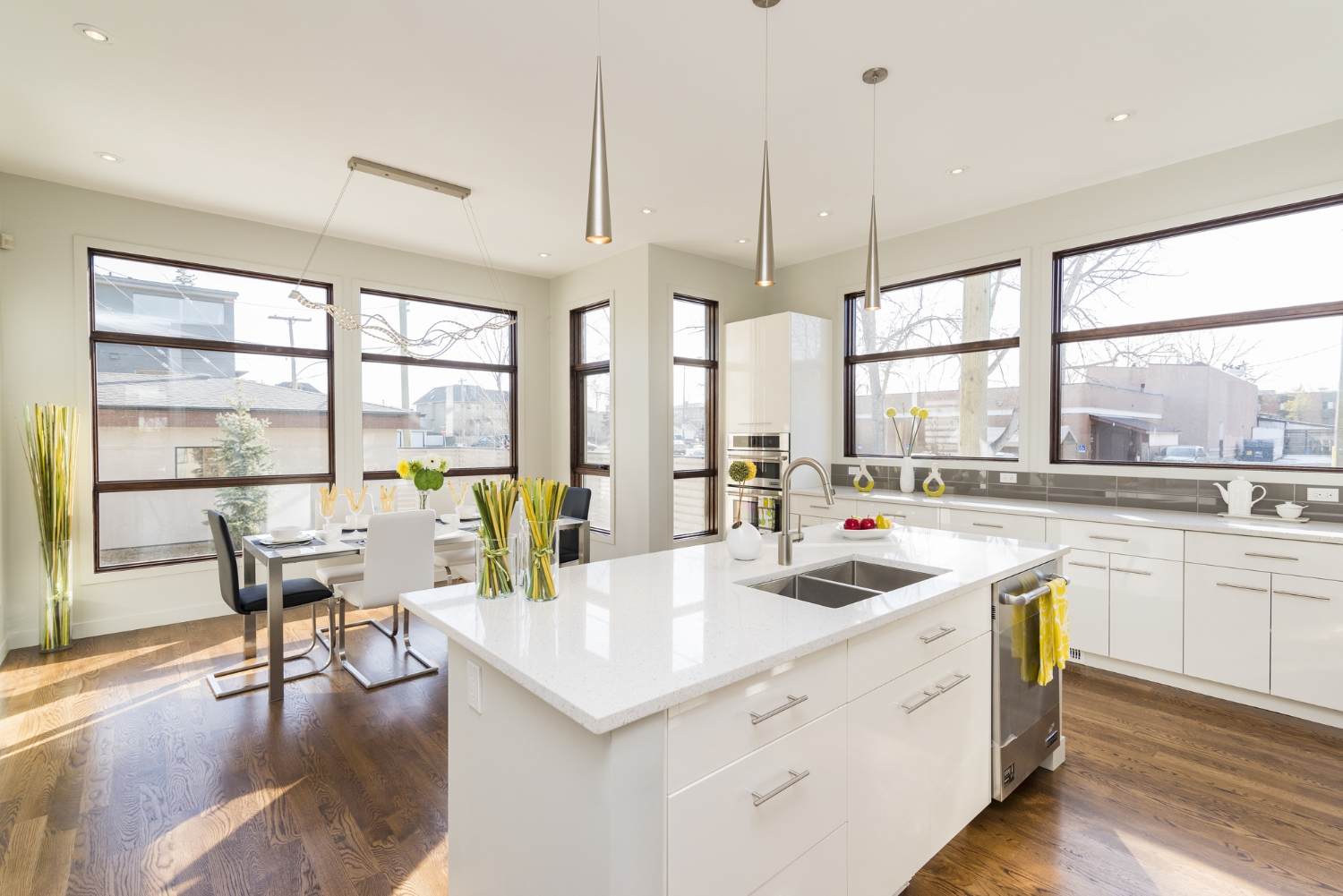
Deciding between a budget remodel and a premium remodel can significantly influence the outcome of your kitchen project. Here’s a comparison of the two approaches:
| Aspect | Budget Remodel | Premium Remodel |
|---|---|---|
| Materials | Stock cabinets, laminate countertops, basic appliances | Custom cabinets, high-end countertops (granite or quartz), premium appliances |
| Labor | DIY or low-cost contractors | Skilled professionals with experience in high-end projects |
| Design | Simple, functional layouts | Custom designs tailored to specific needs and aesthetics |
| Return on Investment (ROI) | Moderate ROI, good for first-time homeowners | Higher ROI, appealing to luxury home buyers |
Making the Right Choice
– Consider Your Goals: If you plan to stay in your home for many years, investing in a premium remodel may be worth it. For those looking to sell soon, a budget remodel can make your home more appealing without breaking the bank.
– Evaluate Neighborhood Standards: Look at comparable homes in your area. If most kitchens are high-end, a budget remodel may not yield the best ROI.
Common Mistakes to Avoid
Avoiding common pitfalls can save both time and money during your kitchen remodel. Here are some mistakes to watch out for:
- Underestimating Costs: Always budget for unexpected expenses. Aim to set aside at least 10-20% of your total budget for contingencies.
- Skipping Planning: Failing to plan can lead to rushed decisions and costly mistakes. Spend time on design and layout before starting work.
- Ignoring Functionality: A beautiful kitchen is great, but it must also be functional. Consider workflow and usability when designing your space.
- Over-Personalizing: While it’s essential to create a space you love, overly personalized choices may deter future buyers. Aim for a balance between personal style and broad appeal.
Insider Tips
Here are some insider tips to help ensure a successful kitchen remodel:
- Shop Around: Don’t settle for the first quote you receive. Get multiple estimates from contractors and suppliers to find the best deal.
- Prioritize Lighting: Good lighting can transform a kitchen. Consider adding under-cabinet lighting and pendant fixtures for both function and style.
- Think Long-Term: Invest in durable materials that will stand the test of time, especially in high-traffic areas like kitchens.
- Communicate Clearly: If hiring professionals, ensure you communicate your vision and expectations clearly to avoid misunderstandings.
By following this actionable advice and being aware of common pitfalls, homeowners can navigate their kitchen remodel more effectively, maximizing their $20,000 budget.
Facts About What $20,000 Gets You in a Kitchen Remodel
Statistical Insights
Understanding what you can achieve with a $20,000 budget in a kitchen remodel can be informed by various statistical data and authoritative sources. Here are some key facts:
- Average Cost of Kitchen Remodel: According to Remodeling Magazine’s Cost vs. Value Report, the national average cost for a mid-range kitchen remodel is approximately $75,000. However, a budget of $20,000 can still yield significant improvements, particularly in smaller spaces.
- Return on Investment (ROI): A kitchen remodel typically offers a return of about 60% to 80% of the investment when selling a home. A $20,000 remodel can therefore add approximately $12,000 to $16,000 in value to your home.
- Cost Breakdown: HomeAdvisor reports that homeowners spend an average of $150 to $250 per square foot on kitchen remodels. This means a $20,000 budget can cover approximately 80 to 130 square feet, depending on the materials and labor costs.
Benefits of a Thoughtful Approach
Taking a strategic approach to your kitchen remodel can yield several benefits:
- Saving Money: By carefully planning your remodel, you can avoid costly mistakes and unexpected expenses. Setting a clear budget and prioritizing essential upgrades can help keep costs in check.
- Adding Home Value: A well-executed kitchen remodel can significantly increase the resale value of your home. Potential buyers often prioritize updated kitchens, making it a smart investment.
- Improving Comfort: A thoughtful kitchen design enhances not only aesthetics but also functionality. Creating an efficient layout with ample storage and workspace can improve daily living and cooking experiences.
When to Start and What to Prioritize
Timing and prioritization are critical in a kitchen remodel. Here’s some advice on when to start and what to focus on:
- Best Time to Start: The ideal time to begin a kitchen remodel is during the off-peak seasons, typically late fall or winter. This can lead to better availability of contractors and potentially lower prices on materials.
- Prioritize Key Features: Focus on elements that will provide the most significant impact, such as:
- Cabinet upgrades
- Countertop replacements
- Energy-efficient appliances
- Improved lighting solutions
Common Insights from Homeowners
Homeowners often share their experiences and insights in forums, offering valuable advice on kitchen remodels. Here’s a summary of what they commonly say:
| Insight | Common Advice |
|---|---|
| Budgeting | Always allocate an additional 10-20% for unexpected costs. |
| Design | Consider both aesthetics and functionality; an efficient layout is key. |
| Material Choices | Invest in durable materials; they save money in the long run. |
| Hiring Professionals | Get multiple quotes and check references before hiring contractors. |
| Timing | Plan for delays; renovations often take longer than expected. |
By leveraging statistical insights and prioritizing essential elements during a kitchen remodel, homeowners can maximize their $20,000 budget while enhancing both the functionality and value of their home.