
What is Involved in a Kitchen Remodel?
Why This Question Matters for Homeowners
A kitchen remodel is one of the most significant home improvement projects a homeowner can undertake. It not only enhances the functionality and aesthetics of one of the most used spaces in a home but can also significantly increase property value. Homeowners often ask what is involved in a kitchen remodel because the answers can help them make informed decisions, set realistic expectations, and plan effectively.
Understanding the various components of a kitchen remodel is crucial for several reasons:
- Financial Investment: A kitchen remodel can be a costly endeavor, often ranging from a few thousand to tens of thousands of dollars. Knowing what to expect can help homeowners budget appropriately and avoid unexpected expenses.
- Time Commitment: A remodel can take anywhere from a few weeks to several months, depending on the scope of the project. Homeowners need to be prepared for the disruption this can cause in their daily lives.
- Design Choices: The kitchen is a focal point in a home, and design choices can significantly impact both functionality and aesthetics. Homeowners must consider layout, materials, and appliances to create a space that meets their needs.
- Regulations and Permits: Many areas have building codes and regulations that must be adhered to during a remodel. Homeowners need to be aware of these requirements to avoid legal issues and ensure the safety of their renovations.
Broader Factors Influencing a Kitchen Remodel

Several broader factors can influence the scope and outcome of a kitchen remodel:
- Budget: Setting a realistic budget is the first step in any remodel. Homeowners must consider not only the cost of materials and labor but also potential overages.
- Timeline: Establishing a timeline is essential for managing expectations. Delays can occur due to unforeseen circumstances, so flexibility is key.
- Design Trends: Staying updated with current design trends can help homeowners make choices that will remain appealing over time. However, personal preferences should also play a significant role.
- Functionality: The kitchen should be designed with functionality in mind. This includes considering the work triangle, storage solutions, and ease of movement.
- Environmental Considerations: More homeowners are opting for eco-friendly materials and energy-efficient appliances. This can impact both costs and design choices.
By addressing these factors, homeowners can navigate the complexities of a kitchen remodel more effectively, ensuring a smoother process and a more satisfying outcome.
What is Involved in a Kitchen Remodel?
Planning and Design
The planning phase is critical to the success of a kitchen remodel. It involves several steps that help define the project’s scope, budget, and timeline.
1. Define Your Goals
Before diving into design, homeowners should clarify their goals. Common objectives include:
- Improving functionality
- Updating aesthetics
- Increasing home value
- Enhancing energy efficiency
2. Budgeting
Setting a budget is essential. On average, a kitchen remodel can cost anywhere from $12,000 to $35,000, depending on the extent of the work. Homeowners should account for:
- Materials (cabinets, countertops, flooring)
- Labor costs (contractors, electricians, plumbers)
- Permits and inspections
- Unexpected expenses (10-20% of the total budget)
3. Timeline
The timeline for a kitchen remodel can vary widely. A minor update may take 3-4 weeks, while a complete overhaul can stretch to 12 weeks or more. Key phases include:
- Design and Planning: 2-4 weeks
- Demolition: 1-2 weeks
- Construction: 4-8 weeks
- Finishing Touches: 1-2 weeks
Demolition and Structural Changes
Once planning is complete, the next step is demolition, which can be one of the most challenging aspects of a remodel.
1. Removing Old Fixtures
Demolition involves removing outdated cabinets, countertops, and appliances. Homeowners should be prepared for dust and debris. If structural changes are needed, such as removing walls to create an open-concept space, this requires careful planning and possibly hiring a structural engineer.
2. Addressing Plumbing and Electrical Needs
Most kitchen remodels require updates to plumbing and electrical systems. This may include:
- Repositioning sinks and appliances
- Installing new outlets
- Upgrading to code-compliant fixtures
Average costs for plumbing and electrical work can range from $1,000 to $3,000, depending on the complexity.
Cabinetry and Storage Solutions
Cabinets are often the focal point of a kitchen remodel and can significantly impact both aesthetics and functionality.
1. Choosing Cabinet Styles
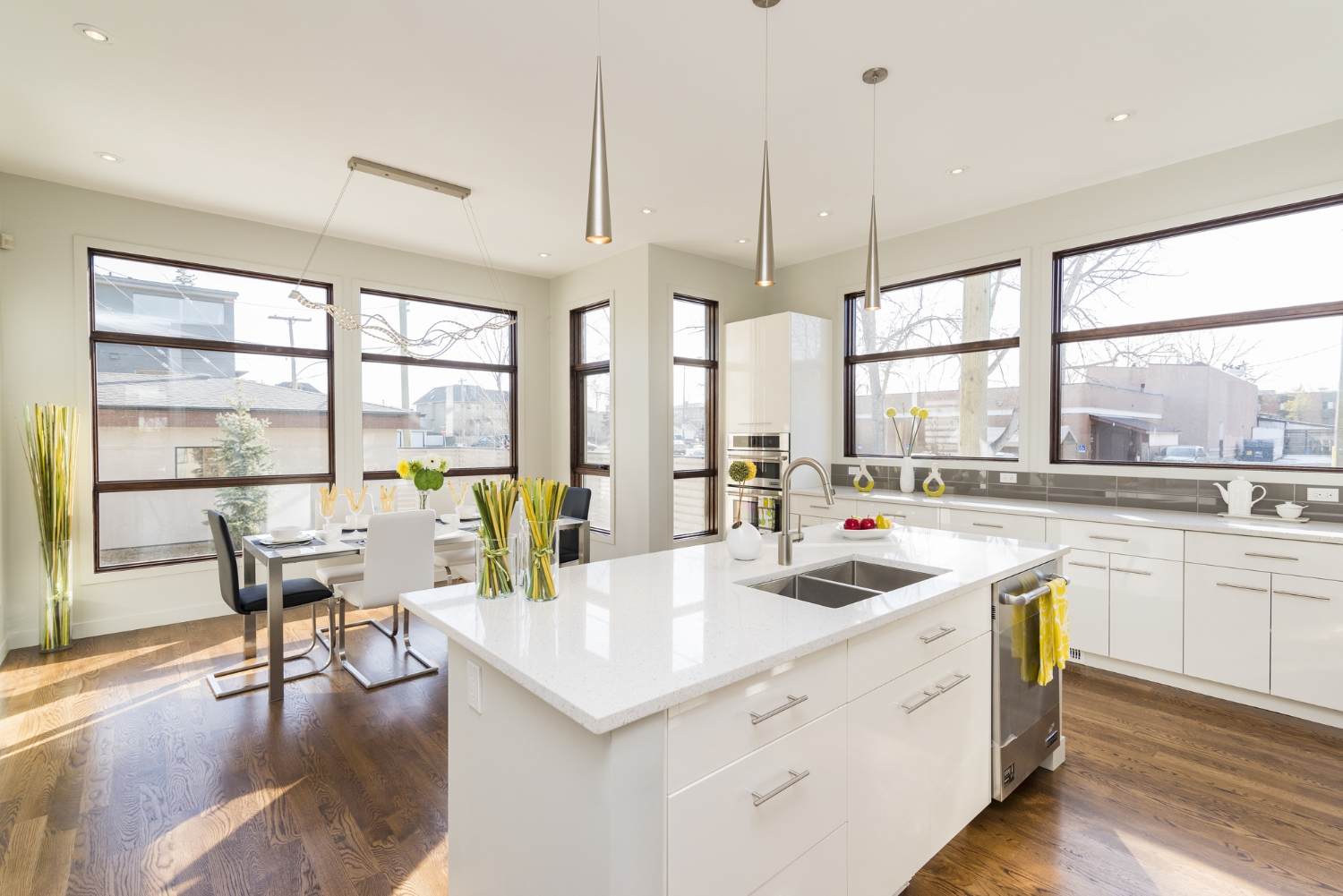
Homeowners have various options, including:
- Stock cabinets (affordable, limited styles)
- Semi-custom cabinets (more options, moderate cost)
- Custom cabinets (tailored to specific needs, higher cost)
On average, cabinetry can consume 30-40% of the total kitchen remodel budget.
2. Maximizing Storage
Incorporating innovative storage solutions can enhance kitchen functionality. Consider:
- Pull-out shelves
- Corner cabinets with lazy Susans
- Vertical dividers for baking sheets
Countertops and Flooring
Selecting materials for countertops and flooring is another critical aspect of a kitchen remodel.
1. Countertop Materials
Popular countertop materials include:
- Granite (durable, range from $50 to $200 per square foot)
- Quartz (low maintenance, range from $60 to $150 per square foot)
- Laminate (budget-friendly, range from $10 to $40 per square foot)
2. Flooring Options
Flooring choices can impact both aesthetics and durability. Common options include:
- Tile (durable, range from $1 to $20 per square foot)
- Hardwood (classic look, range from $5 to $15 per square foot)
- Vinyl (affordable, range from $1 to $5 per square foot)
Appliances and Fixtures
Upgrading appliances and fixtures can improve efficiency and enhance the overall kitchen experience.
1. Selecting Appliances
When choosing appliances, consider energy efficiency ratings and features. Average costs for major appliances include:
- Refrigerator: $1,000 to $3,000
- Oven/Range: $800 to $2,500
- Dishwasher: $400 to $1,500
2. Lighting and Fixtures
Lighting plays a crucial role in kitchen design. Options include:
- Task lighting (focused on work areas)
- Ambient lighting (overall illumination)
- Accent lighting (highlighting features)
Average costs for lighting fixtures can range from $100 to $500 each, depending on the style and complexity.
Finishing Touches and Final Inspection

The final phase of a kitchen remodel involves adding finishing touches and ensuring everything is up to code.
1. Painting and Decor
Painting walls and adding decorative elements can tie the kitchen design together. Homeowners should budget for paint, which can range from $30 to $60 per gallon, depending on quality.
2. Final Inspection
Before considering the remodel complete, a final inspection should be conducted to ensure all work meets local codes and standards. This step may require hiring a professional inspector, which can cost between $200 and $500.
By understanding these aspects, homeowners can better navigate the complexities of a kitchen remodel, making informed decisions that lead to a successful outcome.
Actionable Advice for Your Kitchen Remodel
DIY vs. Professional Work
One of the first decisions homeowners face during a kitchen remodel is whether to tackle the project themselves or hire professionals. Each approach has its pros and cons.
1. DIY Kitchen Remodel
Going the DIY route can save money but requires time, skill, and a willingness to learn.
- Pros:
- Cost savings on labor (potentially 20-30% of the total budget)
- Complete control over design and materials
- Personal satisfaction from completing the project
- Cons:
- Time-consuming, especially for inexperienced individuals
- Potential for mistakes that can lead to costly repairs
- Limited access to professional-grade materials and tools
2. Professional Kitchen Remodel
Hiring professionals can streamline the process but comes at a higher cost.
- Pros:
- Expertise and experience in design and execution
- Access to high-quality materials and resources
- Time-efficient, often completing projects faster
- Cons:
- Higher costs, often 20-50% more than DIY
- Less control over the project timeline and decisions
- Potential for miscommunication or unmet expectations
Budget vs. Premium Remodel
Deciding between a budget remodel and a premium remodel involves assessing your needs and financial situation.
1. Budget Remodel
A budget remodel focuses on cost-effective solutions while still achieving a refreshed look.
- Key Features:
- Refacing cabinets instead of replacing them
- Using laminate or tile for countertops
- Choosing mid-range appliances
- Average Cost: $12,000 to $20,000
2. Premium Remodel
A premium remodel emphasizes high-quality materials and finishes, often resulting in a luxurious space.
- Key Features:
- Custom cabinetry and high-end finishes
- Natural stone countertops
- Top-of-the-line appliances
- Average Cost: $30,000 to $70,000+
| Aspect | Budget Remodel | Premium Remodel |
|---|---|---|
| Cabinetry | Refacing or stock cabinets | Custom cabinetry |
| Countertops | Laminate or tile | Granite or quartz |
| Appliances | Mid-range brands | Top-tier brands |
| Flooring | Vinyl or laminate | Hardwood or high-end tile |
| Overall Cost | $12,000 – $20,000 | $30,000 – $70,000+ |
Common Mistakes to Avoid
To ensure a successful kitchen remodel, homeowners should be aware of common pitfalls.
- Ignoring the Work Triangle: The work triangle (the distance between the sink, stove, and refrigerator) should be efficient. A poor layout can hinder functionality.
- Underestimating Costs: Always budget for at least 10-20% more than your initial estimate to cover unexpected expenses.
- Choosing Trends Over Timelessness: While it’s tempting to follow trends, opting for timeless designs can provide lasting appeal and value.
- Neglecting Lighting: Adequate lighting is essential for both functionality and ambiance. Overlooked lighting can diminish the overall design.
Insider Tips for a Smooth Remodel
Consider these insider tips to enhance your kitchen remodel experience:
- Plan for Delays: Construction projects often face delays. Build extra time into your timeline to avoid frustration.
- Communicate Clearly: If hiring professionals, maintain open communication to ensure everyone is on the same page regarding expectations and timelines.
- Research Materials: Take the time to research materials and their durability. This can save money in the long run by reducing the need for replacements.
- Stay Organized: Keep all receipts, contracts, and communication in one place. This can help resolve disputes and track expenses effectively.
By carefully considering these factors and implementing actionable advice, homeowners can navigate their kitchen remodel with greater confidence and success.
Facts About What is Involved in a Kitchen Remodel
Statistical Insights
Understanding the statistics behind kitchen remodels can provide valuable insights for homeowners considering this significant investment.
1. Average Costs
According to the National Kitchen and Bath Association (NKBA), the average cost of a kitchen remodel in the United States is approximately $25,000 to $30,000. However, costs can vary widely based on location, materials, and scope of work.
2. Return on Investment (ROI)
A well-planned kitchen remodel can yield a high return on investment. Remodeling Magazine’s Cost vs. Value Report indicates that homeowners can expect to recoup about 60-80% of their remodeling costs upon selling their home, depending on the extent of the renovations.
3. Popular Features
Homeowners often prioritize certain features during a remodel. A survey by Houzz found the following popular upgrades:
- New countertops (94%)
- New cabinets (93%)
- Upgraded appliances (88%)
- Improved lighting (75%)
Benefits of a Thoughtful Approach
Taking a thoughtful approach to a kitchen remodel can lead to several benefits.
1. Saving Money
A well-researched plan can help homeowners avoid costly mistakes. For example, choosing mid-range materials instead of high-end options can save thousands without sacrificing quality.
2. Adding Home Value
Investing in a kitchen remodel can significantly enhance property value. A report from the National Association of Realtors states that kitchen remodels are among the top projects that add value to a home, often making it more appealing to potential buyers.
3. Improving Comfort and Functionality
A remodeled kitchen can improve daily living by enhancing functionality and comfort. Homeowners often report that a well-designed kitchen makes cooking and entertaining more enjoyable.
When to Start and What to Prioritize
Timing and prioritization are key factors in a successful kitchen remodel.
1. When to Start
Homeowners should consider starting their remodel when:
- They have sufficient savings to cover the project.
- They are experiencing significant issues with their current kitchen (e.g., lack of space, outdated appliances).
- They plan to stay in their home for several years, allowing them to enjoy the benefits of the remodel.
2. What to Prioritize
When planning a remodel, homeowners should prioritize:
- Functionality: Focus on the kitchen layout and workflow to ensure it meets daily needs.
- Quality Materials: Invest in durable materials that will stand the test of time.
- Energy Efficiency: Consider energy-efficient appliances and fixtures to save on utility bills.
- Storage Solutions: Maximize storage to reduce clutter and improve organization.
Common Insights from Homeowners
Homeowners often share their experiences and advice on forums. Here’s a summary of common themes:
| Topic | Common Insights |
|---|---|
| Budgeting | Always set aside an additional 10-20% for unexpected costs. |
| Choosing Contractors | Get multiple quotes and check references before hiring. |
| Design Choices | Focus on timeless designs rather than trendy styles. |
| Project Timeline | Expect delays and be flexible with your timeline. |
| Functionality | Consider the work triangle and storage needs when designing. |
By leveraging these facts and insights, homeowners can approach their kitchen remodel with confidence, ensuring a project that meets their needs and enhances their living space.