
The Most Expensive Part of a Kitchen Remodel
Why This Question Matters
When it comes to kitchen remodeling, one of the most pressing questions homeowners face is: what is the most expensive part of the project? This inquiry is not just a matter of curiosity; it has significant implications for budgeting, planning, and ultimately the success of the renovation. Knowing where the bulk of the expenses will lie allows homeowners to allocate resources more effectively, prioritize certain aspects of the remodel, and avoid financial pitfalls.
Factors Influencing Kitchen Remodel Costs
Several broader factors play a crucial role in determining the overall cost of a kitchen remodel. These include:
- Money: Budget constraints are often the primary concern. Homeowners need to assess their financial situation and decide how much they can realistically invest in the remodel.
- Time: The timeline for the remodel can also impact costs. Rushed projects may lead to higher expenses due to expedited shipping for materials or labor costs associated with overtime work.
- Design Choices: The aesthetic vision for the kitchen significantly influences costs. High-end finishes, custom cabinetry, and designer appliances can dramatically increase the budget.
- Regulations: Local building codes and regulations can add complexity and expense to a remodel. Homeowners may need to factor in costs for permits and inspections, which can vary widely by location.
- Labor Costs: Hiring skilled contractors can be one of the largest expenses. The quality of workmanship and the reputation of the contractor often dictate labor rates.

Understanding these factors is essential for homeowners embarking on a kitchen remodel. By having a clear picture of the potential costs associated with each element of the project, homeowners can make informed decisions and avoid surprises down the line. Whether it’s the choice of materials, the complexity of the design, or the need for professional help, each aspect will contribute to the overall financial outlay.
Breaking Down the Most Expensive Parts of a Kitchen Remodel
Cabinetry and Storage Solutions
Cost Overview
Cabinetry typically represents one of the largest expenses in a kitchen remodel. Custom cabinets can range from $500 to $1,200 per linear foot, depending on materials, finishes, and design complexity. For an average kitchen with 30 linear feet of cabinetry, this can lead to costs between $15,000 and $36,000.
Factors Influencing Cabinet Costs
- Material: Solid wood cabinets are generally more expensive than plywood or particle board options. Additionally, finishes and hardware can add to the overall cost.
- Customization: Custom cabinets, which are built to fit specific spaces and design preferences, can significantly increase costs compared to stock or semi-custom options.
- Installation: Professional installation can add another $1,000 to $3,000, depending on the complexity of the project.
Countertops: A Key Investment
Cost Overview
Countertops are another major expense in kitchen remodeling. Materials like granite, quartz, and marble can cost anywhere from $50 to $200 per square foot. For an average kitchen countertop area of 50 square feet, homeowners may spend between $2,500 and $10,000.
Material Choices
- Granite: Known for its durability and aesthetic appeal, granite typically costs between $60 and $120 per square foot.
- Quartz: Engineered stone options like quartz can range from $70 to $150 per square foot, offering a wide variety of colors and patterns.
- Marble: A luxurious choice, marble can be priced at $100 to $200 per square foot, but it requires more maintenance.
Appliances: Essential Yet Expensive
Cost Overview
High-quality appliances can also take a significant chunk out of the kitchen remodel budget. A full suite of kitchen appliances, including a refrigerator, oven, cooktop, dishwasher, and microwave, can cost anywhere from $5,000 to $20,000 or more.
Appliance Costs
- Refrigerators: Prices range from $1,000 to $3,000 for mid-range models, while high-end options can exceed $10,000.
- Ovens and Cooktops: These can cost between $1,000 and $5,000, depending on the brand and features.
- Dishwashers: Expect to spend $500 to $2,000, with smart features driving up the price.
Flooring: Setting the Foundation
Cost Overview
Flooring can vary widely in cost, depending on the material chosen. Options like tile, hardwood, and laminate can range from $2 to $20 per square foot. For a kitchen of 200 square feet, flooring costs can range from $400 to $4,000.
Material Choices
- Tile: Durable and water-resistant, tile can cost between $5 and $15 per square foot.
- Hardwood: A popular choice for its aesthetic appeal, hardwood flooring typically costs $8 to $15 per square foot.
- Laminate: A budget-friendly option, laminate flooring ranges from $2 to $5 per square foot.
Labor Costs: The Hidden Expense
Cost Overview
Labor costs can add up quickly and often account for 20% to 35% of the total remodel budget. Depending on the complexity of the remodel, labor can range from $50 to $150 per hour.
Labor Considerations
- Complexity: More complicated designs requiring structural changes or advanced installations will necessitate more skilled labor, increasing costs.
- Project Duration: Longer projects will naturally incur higher labor costs. A typical kitchen remodel can take anywhere from a few weeks to several months.
- Specialized Skills: Hiring specialists for plumbing, electrical work, or custom cabinetry can significantly increase labor expenses.
Conclusion: The Total Cost of a Kitchen Remodel
While the exact breakdown of expenses will vary by project, understanding the major components that contribute to the overall cost is crucial for effective budgeting. By being aware of these key areas—cabinetry, countertops, appliances, flooring, and labor—homeowners can make informed decisions that align with their financial capabilities and design aspirations.
Actionable Advice for Your Kitchen Remodel
DIY vs. Professional Work
When considering a kitchen remodel, one of the first decisions to make is whether to tackle the project yourself or hire professionals. Each approach has its benefits and drawbacks.
DIY Approach
- Cost Savings: Doing it yourself can save significant labor costs, allowing you to allocate your budget to materials or appliances.
- Personal Touch: You have complete control over the design and execution, ensuring it reflects your personal style.
- Learning Experience: Completing the remodel yourself can be a rewarding experience, providing valuable skills for future projects.
Challenges of DIY
- Time-Consuming: A DIY project can take much longer than anticipated, especially if you have a full-time job or other commitments.
- Skill Limitations: Not all tasks are suitable for DIY. Complex plumbing, electrical work, or structural changes may require professional expertise.
- Potential Mistakes: Inexperience can lead to costly errors, such as mismeasuring materials or improper installations.
Professional Work
- Expertise: Professionals bring experience and knowledge, ensuring the job is done correctly and efficiently.
- Time Efficiency: Professional teams can complete the project in a fraction of the time it would take an amateur.
- Quality Assurance: Many professionals offer warranties on their work, providing peace of mind.
Challenges of Hiring Professionals
- Higher Costs: Labor costs can significantly inflate your budget, especially if you’re hiring high-end contractors.
- Less Control: You may have to compromise on certain aspects of the design or execution based on the contractor’s recommendations.
- Finding the Right Contractor: It can be challenging to find a reliable contractor, and poor choices can lead to delays and additional costs.
Budget vs. Premium Remodel
Deciding between a budget and a premium remodel can greatly affect the outcome and overall satisfaction with your kitchen.
| Aspect | Budget Remodel | Premium Remodel |
|---|---|---|
| Cost | $10,000 – $25,000 | $25,000 – $100,000+ |
| Cabinetry | Stock or semi-custom cabinets | Custom cabinets with high-end finishes |
| Countertops | Laminate or basic granite | Quartz, marble, or exotic materials |
| Appliances | Basic models | High-end, energy-efficient appliances |
| Flooring | Vinyl or laminate | Hardwood or luxury tile |
Budget Remodel Tips
- Focus on Cosmetic Changes: Small updates like painting, new hardware, or backsplash can refresh the space without a complete overhaul.
- Shop Sales: Look for seasonal sales on materials and appliances to maximize your budget.
- Refurbish Existing Items: Consider refinishing cabinets or countertops instead of replacing them entirely.
Premium Remodel Tips
- Invest in Quality: High-quality materials and appliances can enhance the kitchen’s longevity and resale value.
- Hire Experienced Professionals: Ensure that you are working with reputable contractors who specialize in high-end renovations.
- Plan for the Future: Consider how the kitchen will fit into your long-term plans, especially if you anticipate changes in family size or lifestyle.
Common Mistakes to Avoid
- Neglecting a Detailed Plan: Failing to create a comprehensive plan can lead to overspending and missed deadlines.
- Ignoring the Budget: Keep track of expenses and stick to your budget to avoid financial strain.
- Overlooking Lighting: Proper lighting can dramatically enhance the functionality and aesthetics of your kitchen. Don’t skimp on this essential aspect.
- Forgetting About Storage: Adequate storage solutions are crucial. Plan for enough cabinets and pantry space to keep your kitchen organized.
Insider Tips
- Get Multiple Quotes: When hiring contractors, obtain at least three quotes to ensure competitive pricing and quality.
- Consider Resale Value: If you plan to sell your home in the near future, choose designs and materials that will appeal to a broad audience.
- Stay Flexible: Be prepared for unexpected issues, such as hidden water damage or outdated wiring, which can arise during the remodel process.
Facts About the Most Expensive Part of a Kitchen Remodel
Statistical Insights
Understanding the financial landscape of a kitchen remodel can help homeowners make informed decisions. Here are some key statistics that highlight the costs associated with various aspects of kitchen remodeling:
- Cabinetry: According to the National Kitchen and Bath Association (NKBA), cabinetry can account for 30% to 40% of the total kitchen remodel budget.
- Countertops: A report from Remodeling Magazine indicates that countertop materials can represent 10% to 20% of the overall costs, depending on the material chosen.
- Labor Costs: HomeAdvisor reports that labor typically makes up about 20% to 35% of the total project cost, with skilled labor often commanding higher rates.
- Appliances: The average cost for a full suite of kitchen appliances ranges from $5,000 to $20,000, depending on the brand and features.
Benefits of a Thoughtful Approach
Taking a strategic approach to kitchen remodeling can yield multiple advantages, including financial savings, increased home value, and enhanced comfort.
Saving Money
- Smart Budgeting: By prioritizing essential features and materials, homeowners can avoid overspending on unnecessary upgrades.
- Cost-Effective Choices: Opting for mid-range materials instead of high-end options can still provide a beautiful kitchen without breaking the bank.
- DIY Opportunities: Homeowners can save on labor costs by taking on manageable tasks themselves, such as painting or installing backsplash.
Adding Home Value
- High ROI: According to Remodeling Magazine’s Cost vs. Value report, a minor kitchen remodel can recoup about 80% of its costs upon resale.
- Appeal to Buyers: A well-planned kitchen remodel can significantly enhance the attractiveness of a home, making it more appealing to potential buyers.
- Modern Features: Upgrading appliances and fixtures can make a home more competitive in the market, especially in areas where modern amenities are sought after.
Improving Comfort
- Functional Layout: A thoughtfully designed kitchen can improve workflow, making cooking and entertaining more enjoyable.
- Enhanced Aesthetics: A beautiful kitchen can enhance the overall ambiance of the home, contributing to a more pleasant living environment.
- Better Lighting: Improved lighting can create a warm and inviting atmosphere, making the kitchen a more comfortable space for family gatherings.
When to Start and What to Prioritize
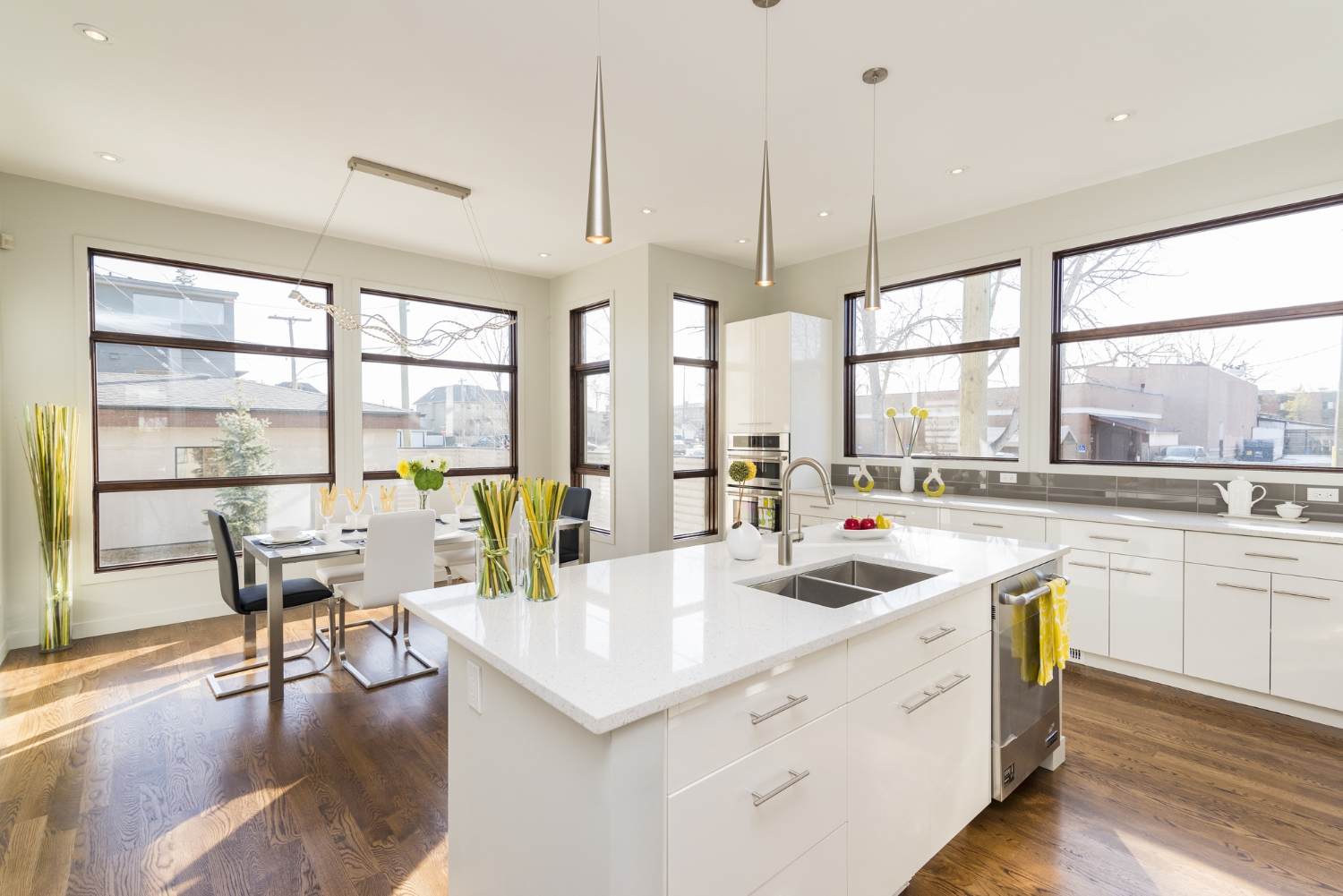
Timing and priorities are crucial in a successful kitchen remodel.
- Start Early: Begin planning your remodel at least six months in advance, especially if you require permits or custom materials.
- Prioritize Key Areas: Focus on the most impactful elements first, such as cabinetry, countertops, and appliances. These areas often contribute the most to both functionality and aesthetics.
- Consider Seasonal Factors: Spring and summer are popular times for renovations, so starting early can help you avoid delays and higher costs associated with peak season.
Common Insights from Homeowners
Homeowners often share valuable insights and experiences in forums regarding kitchen remodels. Here’s a summary of common themes:
| Topic | Common Insights |
|---|---|
| Budgeting | Many emphasize the importance of sticking to a budget and tracking expenses closely. |
| Cabinet Choices | Homeowners frequently recommend investing in quality cabinetry, as it affects both appearance and durability. |
| DIY vs. Hiring | There is a split opinion; some suggest DIY for minor tasks while others advise hiring professionals for complex jobs. |
| Appliance Selection | Homeowners often stress the importance of energy-efficient appliances to save on utility bills in the long run. |
| Layout Considerations | Many recommend focusing on functionality and flow to create a more enjoyable cooking experience. |