
What Order Do I Remodel a Kitchen?
Importance of Kitchen Remodeling Order
Remodeling a kitchen is one of the most significant home improvement projects a homeowner can undertake. The kitchen serves as the heart of the home, where families gather, meals are prepared, and memories are made. However, the process can be overwhelming, and the order in which you tackle the remodel can make or break the project. Knowing the right sequence not only saves time and money but also ensures a smoother workflow.
Factors Influencing the Remodeling Process
When planning a kitchen remodel, several key factors come into play that can influence the order of operations:
- Budget: Your financial constraints will dictate many decisions. A clear budget helps prioritize which elements to tackle first and which can be postponed.
- Time: The timeline for completion is crucial. Some tasks, like ordering materials or waiting for permits, can take longer than anticipated, affecting the overall project timeline.
- Design: The layout and aesthetic choices significantly impact how the remodel unfolds. A well-thought-out design can streamline the process and reduce the need for rework.
- Regulations: Local building codes and regulations may influence certain aspects of the remodel, such as plumbing and electrical work. Understanding these requirements upfront can prevent delays later on.
- Contractor Availability: If hiring professionals, their schedules can dictate when certain tasks can commence. This can affect the order in which work is completed.

Each of these factors plays a vital role in determining the best sequence for your kitchen remodel. A disorganized approach can lead to increased costs, extended timelines, and even safety hazards. Therefore, it’s essential to have a clear plan before diving into the project.
Order of Kitchen Remodeling
Step-by-Step Process
Remodeling a kitchen is a multi-faceted process that requires careful planning and execution. Here’s a breakdown of the essential steps to follow:
1. Planning and Design
Before any physical work begins, planning is crucial. This phase involves:
- Designing the Layout: Decide on the kitchen layout (e.g., L-shape, U-shape, or galley). For instance, open-concept designs are popular and can range from $5,000 to $15,000 depending on complexity.
- Choosing Materials: Select countertops, cabinets, and flooring. Granite countertops can cost between $50 to $200 per square foot, while laminate is more budget-friendly at $20 to $50.
- Setting a Budget: Establish a realistic budget that includes materials, labor, and a contingency fund of about 10-20% for unexpected expenses.
2. Obtaining Permits
Depending on your location and the extent of your remodel, you may need permits for plumbing, electrical work, or structural changes.
- Research Local Regulations: Check with your local building department to understand what permits are necessary. Permit costs can vary widely, often ranging from $50 to several hundred dollars.
- Timeline: Allow 2-4 weeks for permit approval, which can delay the start of your project.
3. Demolition
Once permits are secured, it’s time to clear out the old kitchen. This step includes:
- Removing Fixtures: Take out cabinets, countertops, appliances, and flooring. This can take 1-3 days depending on the kitchen size.
- Disposing of Waste: Rent a dumpster to manage debris, which can cost around $300-$600 depending on size and rental duration.
4. Structural Changes
If your remodel involves moving walls or changing layouts, this is the time to make those changes.
- Framing and Drywall: If you’re adding or removing walls, expect this phase to take 1-2 weeks. Costs can range from $1,500 to $5,000.
- Electrical and Plumbing Work: Hire licensed professionals for any electrical or plumbing adjustments. This work can take another week and cost $1,000 to $3,000.
5. Installing Cabinets and Countertops
Once the structural changes are complete, focus on the cabinetry.
- Cabinet Installation: This usually takes 2-5 days. Custom cabinets can cost between $500 to $1,200 per linear foot, while stock cabinets are more affordable at $100 to $300.
- Countertop Installation: After cabinets are installed, countertops can be put in place. This typically takes 1-2 days and costs $1,500 to $4,500 depending on material.
6. Flooring Installation
With cabinets and countertops in place, it’s time for flooring.
- Selecting Flooring: Options range from tile ($5 to $15 per square foot) to hardwood ($8 to $20 per square foot).
- Installation Time: Flooring installation usually takes 2-4 days.
7. Final Touches
Once the major installations are complete, focus on the finishing touches.
- Backsplash Installation: This can take 1-2 days and costs between $10 to $50 per square foot.
- Lighting Fixtures: Install new lighting, which can vary greatly in price. Budget $100 to $1,000 depending on the style and complexity.
- Appliance Installation: Finally, install appliances. Expect this to take a day and budget $1,000 to $10,000 depending on the brand and features.
Potential Challenges
Throughout the remodeling process, several challenges may arise:
- Delays: Weather, permit issues, or contractor availability can cause delays, pushing back the timeline by weeks.
- Budget Overruns: Unexpected expenses are common. Always have a contingency fund to cover these costs.
- Design Changes: Mid-project design changes can be costly and time-consuming, so stick to your initial plan as much as possible.
By following these steps in the correct order, you can streamline your kitchen remodel and avoid common pitfalls. Each phase builds upon the last, ensuring a cohesive and efficient process.
Actionable Advice for Kitchen Remodeling
Common Approaches: DIY vs. Professional Work
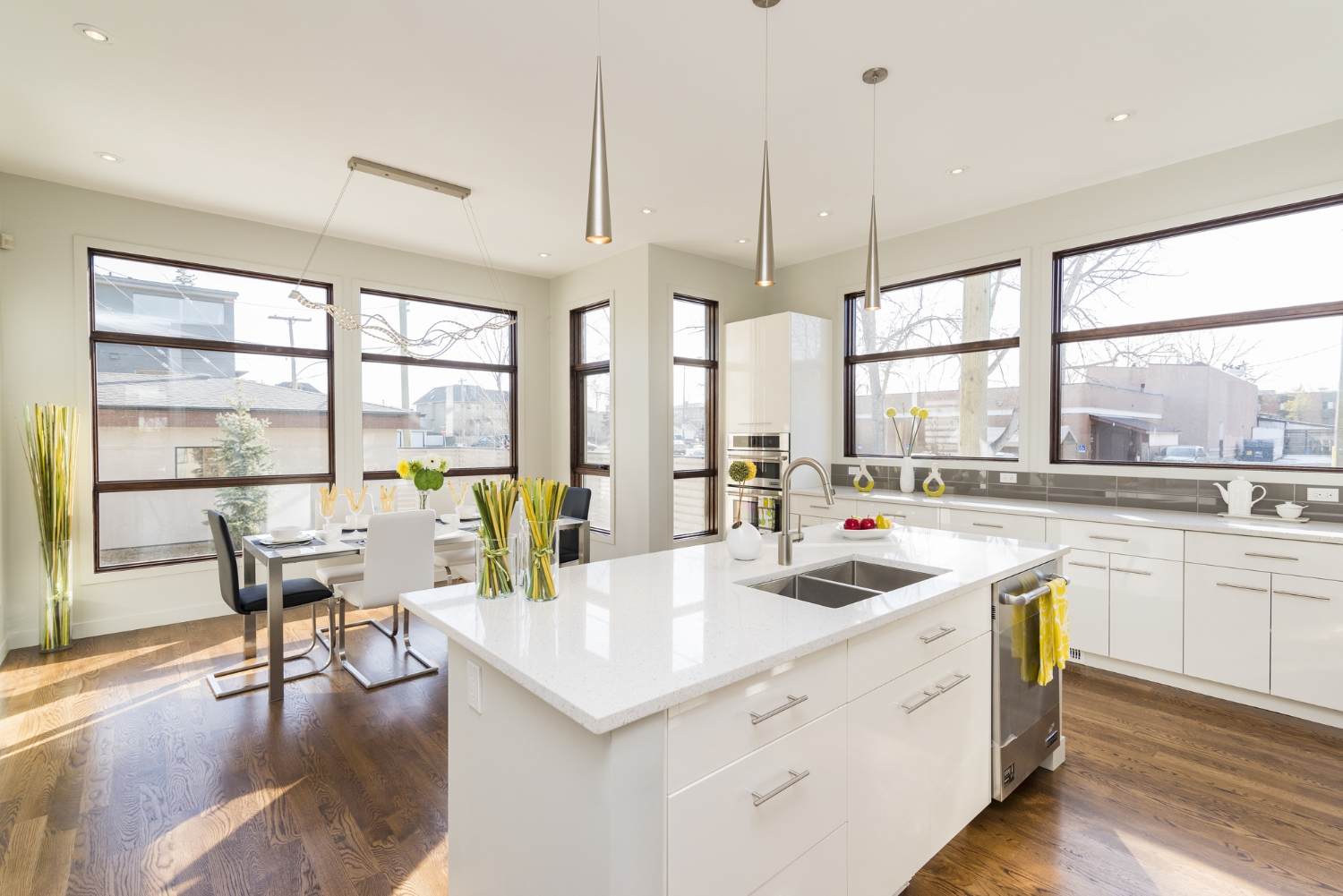
When it comes to kitchen remodeling, homeowners often face the choice between doing it themselves (DIY) or hiring professionals. Both approaches have their pros and cons.
DIY Remodeling
- Cost Savings: Doing the work yourself can save on labor costs, which can account for 20-35% of the total budget.
- Flexibility: You can work on your own schedule and make changes as you go.
- Skill Development: DIY projects can enhance your skills and provide a sense of accomplishment.
Professional Remodeling
- Expertise: Professionals bring experience and knowledge, reducing the likelihood of costly mistakes.
- Time Efficiency: Professionals can often complete the project faster due to their expertise and resources.
- Quality Assurance: Many professionals offer warranties on their work, providing peace of mind.
Comparison Table: DIY vs. Professional Work
| Aspect | DIY | Professional |
|---|---|---|
| Cost | Lower (save on labor) | Higher (includes labor costs) |
| Time | Longer (may take weeks/months) | Shorter (typically weeks) |
| Quality | Variable (depends on skill level) | Consistent (experienced professionals) |
| Flexibility | High (work at your pace) | Lower (schedule dependent) |
| Risk of Mistakes | Higher (inexperience may lead to errors) | Lower (experienced oversight) |
Budget vs. Premium Remodel
Your budget will significantly influence the quality and scope of your kitchen remodel.
Budget Remodel
- Focus on Essentials: Prioritize necessary updates, such as replacing appliances or fixtures, rather than a complete overhaul.
- Cost-Effective Materials: Use laminate countertops and stock cabinets to keep costs down. Expect to spend around $10,000 to $20,000 for a budget remodel.
- Minimal Structural Changes: Avoid moving walls or plumbing to save on labor and material costs.
Premium Remodel
- High-Quality Materials: Invest in custom cabinetry, granite countertops, and high-end appliances, which can push costs to $30,000 and beyond.
- Focus on Design: Hire a designer to create a cohesive look that maximizes functionality and aesthetics.
- Structural Changes: Don’t shy away from significant changes, such as moving walls or adding islands, to create an open-concept space.
Common Mistakes to Avoid
Avoiding common pitfalls can save you time and money during your kitchen remodel. Here are some mistakes to watch out for:
- Skipping the Planning Phase: A rushed plan can lead to costly mistakes. Take the time to plan thoroughly.
- Underestimating Costs: Always budget for unexpected expenses. A contingency fund of 10-20% is essential.
- Ignoring Functionality: A beautiful kitchen is useless if it doesn’t work well. Prioritize functionality over aesthetics.
- Choosing Trends Over Timelessness: Trends can quickly become outdated. Opt for classic designs that will stand the test of time.
Insider Tips
Here are some insider tips that can enhance your remodeling experience:
- Measure Twice, Cut Once: Always double-check your measurements before making any cuts or purchases.
- Communicate Clearly with Contractors: Set clear expectations and maintain open lines of communication to avoid misunderstandings.
- Consider Resale Value: If you plan to sell your home in the near future, choose designs and materials that appeal to a broad audience.
- Stay Organized: Keep all receipts, contracts, and plans in one place to simplify tracking expenses and timelines.
By considering these approaches, avoiding common mistakes, and employing insider tips, you can navigate your kitchen remodel more effectively and achieve a space that meets your needs and desires.
Facts About Kitchen Remodeling Order
Statistical Insights
Understanding the statistics surrounding kitchen remodeling can provide valuable insights for homeowners. Here are some key facts:
- Return on Investment (ROI): According to the National Association of Realtors, a minor kitchen remodel can yield an ROI of approximately 80%.
- Average Costs: The average kitchen remodel costs around $25,000, with high-end remodels reaching $50,000 or more.
- Time Investment: On average, a kitchen remodel can take anywhere from 6 to 12 weeks, depending on the scope of the project.
- Home Value Increase: Remodeling Magazine reports that a kitchen remodel can increase home value by an average of 15%, making it one of the most effective home improvement projects.
Benefits of a Thoughtful Approach
Taking a strategic approach to kitchen remodeling offers several benefits:
1. Saving Money
- Cost Efficiency: A well-planned remodel can help you avoid unnecessary expenses, such as redoing work that was poorly executed.
- Long-Term Savings: Investing in energy-efficient appliances can reduce utility bills over time.
2. Adding Home Value
- Market Appeal: A thoughtfully remodeled kitchen can attract potential buyers, making your home stand out in a competitive market.
- Increased Equity: Enhancing your kitchen can increase the overall equity in your home, providing financial leverage for future investments.
3. Improving Comfort
- Enhanced Functionality: A well-designed kitchen improves workflow and usability, making cooking and entertaining more enjoyable.
- Personalization: A remodel allows homeowners to create a space that reflects their personal style and meets their specific needs.
When to Start and What to Prioritize
Timing and prioritization are crucial for a successful kitchen remodel. Here are some tips:
- Best Time to Start: Late winter to early spring is often the best time to begin a remodel, as contractors are typically more available and materials can be sourced more easily.
- Prioritize Key Areas: Focus on essential elements such as layout, cabinetry, and appliances before cosmetic upgrades like paint or decor.
Common Owner Insights from Forums
Homeowners often share their experiences and advice in online forums. Here’s a summary of what they commonly say:
| Common Insights | Advice |
|---|---|
| Plan Thoroughly | Spend ample time in the planning phase to avoid costly mistakes. |
| Set a Realistic Budget | Include a contingency fund for unexpected expenses. |
| Hire Professionals | Consider hiring experts for plumbing and electrical work to ensure safety and compliance. |
| Don’t Rush the Process | Take your time to make decisions, especially regarding layout and design. |
| Focus on Functionality | Design the kitchen for usability rather than just aesthetics. |
By following a thoughtful approach to kitchen remodeling, homeowners can save money, increase their home’s value, and create a comfortable space tailored to their needs. Prioritizing planning and essential elements will lead to a successful and satisfying remodel.