
What Should You Not Do in a Kitchen Remodel
Importance of Knowing What to Avoid
When embarking on a kitchen remodel, homeowners often focus on the exciting aspects: selecting new cabinets, choosing countertops, and picking out appliances. However, it’s equally important to be aware of the pitfalls that can derail your project, inflate costs, and lead to dissatisfaction. Knowing what not to do can save you time, money, and a significant amount of stress.
Financial Considerations
Remodeling a kitchen can be one of the most expensive home improvement projects. Homeowners frequently underestimate costs, leading to budget overruns. Here are some financial factors to keep in mind:
- Ignoring the total budget and allowing for unexpected expenses.
- Over-investing in high-end materials that may not yield a return on investment.
- Neglecting to account for labor costs, which can vary significantly based on the scope of the project.
Time Management

A kitchen remodel can be time-consuming, and many homeowners fail to allocate sufficient time for the project. Here are common time-related missteps:
- Underestimating the time required for permits and inspections.
- Not allowing for delays due to supply chain issues or contractor availability.
- Rushing through design decisions, leading to regret later.
Design Flaws
The kitchen should be functional as well as aesthetically pleasing. Poor design choices can lead to frustration and inefficiency. Consider these design pitfalls:
- Neglecting the kitchen work triangle, which connects the sink, stove, and refrigerator.
- Choosing trendy designs that may not suit your personal style or the home’s overall aesthetic.
- Failing to plan for adequate storage, leading to cluttered countertops.
Regulatory Issues
Many homeowners overlook local regulations and codes when planning their remodel. Ignoring these can result in costly fines or the need for rework. Key points include:
- Not obtaining necessary permits for plumbing, electrical, or structural changes.
- Ignoring building codes that ensure safety and compliance.
- Falling short on inspections that could affect the sale of the home in the future.
Emotional Factors
A kitchen remodel can be an emotional journey. Homeowners often experience stress, excitement, and frustration. Here are some emotional pitfalls to avoid:
- Getting too attached to a specific design, making it hard to adapt when issues arise.
- Not communicating effectively with contractors, leading to misunderstandings.
- Allowing the project to take over your life, causing unnecessary stress.
By being aware of these factors and the common mistakes associated with kitchen remodeling, homeowners can set themselves up for a more successful and satisfying project.
What You Should Not Do in a Kitchen Remodel
Neglecting Proper Planning
Planning is the backbone of any successful kitchen remodel. Skipping this crucial step can lead to a chaotic project filled with unexpected challenges. Here are some aspects to consider:
Define Your Goals
Before diving into the remodel, clearly define what you want to achieve. Is it more space, better functionality, or simply a fresh look? Failing to establish goals can result in a disjointed design.
- Example: A homeowner wants an open-concept kitchen but fails to consider how it impacts the flow of the living area.
- Average Time: Spend at least 2-4 weeks on initial planning and goal-setting.
Set a Realistic Budget
Many homeowners underestimate costs, leading to budget overruns. A kitchen remodel can range from $15,000 to $50,000 or more, depending on the scope.
- Include all expenses: cabinetry, countertops, appliances, labor, and unexpected costs (10-20% of the budget).
- Example: A homeowner budgets $20,000 but ends up spending $30,000 due to unanticipated plumbing issues.
Choosing the Wrong Contractor
Selecting the right contractor is crucial for a smooth remodeling experience.
Do Your Research
Hiring an inexperienced or unqualified contractor can lead to subpar work and costly mistakes.
- Check reviews, ask for references, and verify licenses and insurance.
- Example: A homeowner hires a cheap contractor who skips necessary permits, resulting in fines and rework.
Clear Communication
Miscommunication can derail a project.
- Establish clear lines of communication from the start.
- Example: A contractor misunderstands the homeowner’s vision, leading to a design that doesn’t meet expectations.
Ignoring the Importance of Functionality
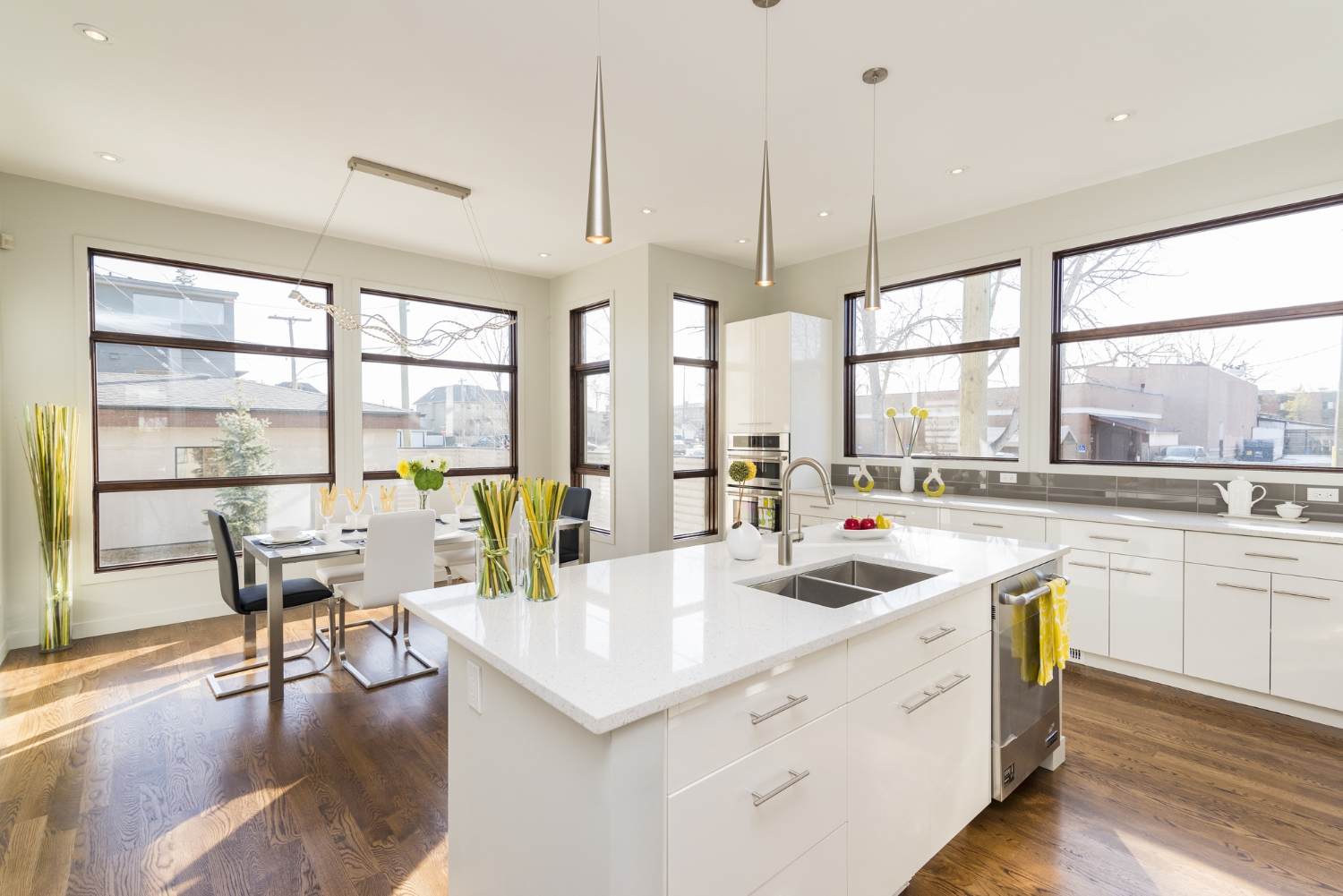
While aesthetics are important, functionality should be the priority in a kitchen remodel.
Work Triangle Considerations
The kitchen work triangle connects the sink, stove, and refrigerator.
- Ignoring this layout can lead to inefficiencies.
- Example: A kitchen design places the stove too far from the sink, making cooking cumbersome.
Storage Solutions
Many homeowners overlook adequate storage, leading to clutter.
- Incorporate cabinets, drawers, and pantry space into your design.
- Example: A homeowner opts for open shelving but quickly finds it impractical for daily use.
Overlooking Building Codes and Permits
Ignoring local regulations can lead to costly fines and project delays.
Research Local Codes
Before starting, familiarize yourself with local building codes.
- Failure to obtain necessary permits can result in fines and the need for rework.
- Example: A homeowner completes a remodel without a permit, only to face fines when selling the home.
Plan for Inspections
Building inspections are often required at various stages of the remodel.
- Schedule inspections ahead of time to avoid delays.
- Example: A homeowner neglects to schedule an electrical inspection, causing delays in project completion.
Being Trend-Driven Instead of Timeless
Trendy designs can quickly become outdated, leading to regret and additional costs.
Choose Timeless Designs
While it’s tempting to follow the latest trends, focus on timeless designs that will age well.
- Example: A homeowner chooses bright-colored cabinetry that feels dated within a few years.
- Consider neutral colors and classic styles that will stand the test of time.
Budget for Future Updates
If you do choose trendy elements, budget for future updates.
- Example: A homeowner spends $5,000 on trendy backsplash tiles, knowing they might want to replace them in a few years.
- Plan for a refresh every 5-10 years if you opt for trendy features.
Underestimating the Impact of Lighting
Lighting is often overlooked but plays a crucial role in kitchen design.
Layered Lighting

Incorporating multiple layers of lighting can enhance functionality and ambiance.
- Consider task lighting, ambient lighting, and accent lighting.
- Example: A homeowner installs only overhead lights, resulting in a dark workspace.
Natural Light Considerations
Maximize natural light wherever possible.
- Consider adding windows or skylights to brighten the space.
- Example: A homeowner remodels but doesn’t account for window placement, resulting in a dim kitchen.
By understanding these common pitfalls, homeowners can navigate their kitchen remodels more effectively and avoid costly mistakes.
Actionable Advice for Your Kitchen Remodel
DIY vs. Professional Work
Deciding whether to tackle your kitchen remodel as a DIY project or hire professionals is a critical choice that can significantly impact the outcome. Each approach has its advantages and disadvantages.
DIY Projects
Many homeowners consider DIY to save money, but this can backfire if not approached carefully.
- Cost Savings: Labor costs can be eliminated, saving 20-50% of the overall budget.
- Personal Satisfaction: Completing a project yourself can be rewarding.
- Time-Consuming: DIY projects often take longer, especially for those without experience.
- Potential for Mistakes: Lack of expertise can lead to costly errors.
Professional Work
Hiring professionals can ensure a smoother process, but it comes at a cost.
- Expertise: Professionals bring experience and knowledge, reducing the likelihood of mistakes.
- Time Efficiency: Contractors can complete projects faster due to their skills and resources.
- Higher Costs: Labor can account for 20-50% of your total budget.
- Limited Control: Homeowners may have less say in the day-to-day decisions.
Budget vs. Premium Remodel
Your budget will dictate the scope of your remodel. Understanding the differences between budget and premium remodels can help you make informed decisions.
| Aspect | Budget Remodel | Premium Remodel |
|---|---|---|
| Cabinetry | Stock cabinets or refacing existing ones | Custom cabinets with high-quality finishes |
| Countertops | Laminate or basic granite | Quartz or exotic stone |
| Appliances | Basic models with fewer features | High-end, energy-efficient appliances |
| Flooring | Vinyl or low-cost tiles | Hardwood or premium ceramic tiles |
| Lighting | Basic overhead fixtures | Layered lighting with designer fixtures |
Mistakes to Avoid
Being aware of common mistakes can save you from major headaches down the line.
Skipping the Research Phase
Many homeowners rush into decisions without adequate research.
- Example: A homeowner chooses a trendy backsplash without considering its maintenance.
- Insider Tip: Spend time researching materials, styles, and costs before making decisions.
Ignoring the Importance of a Timeline
A lack of a clear timeline can lead to extended project durations.
- Example: A homeowner fails to set deadlines for each phase, resulting in an unfinished kitchen for months.
- Insider Tip: Create a detailed timeline with milestones to track progress.
Overlooking Lighting Needs
Lighting is often an afterthought but is essential for functionality and aesthetics.
- Example: A homeowner installs only one overhead light, leaving dark corners.
- Insider Tip: Plan for multiple light sources, including task, ambient, and accent lighting.
Insider Tips for a Smooth Remodel
Implementing insider tips can enhance your remodeling experience and outcome.
Prioritize Functionality Over Aesthetics
While a beautiful kitchen is important, functionality should take precedence.
- Example: A stunning design with poor workflow can be frustrating to use.
- Insider Tip: Focus on the layout and how you will use the space before finalizing aesthetics.
Invest in Quality Materials
Cutting corners on materials can lead to long-term issues.
- Example: Using low-quality cabinets may save money upfront but result in replacements sooner.
- Insider Tip: Invest in high-quality materials where it counts, such as cabinets and countertops.
Plan for Future Needs
Consider your future lifestyle when designing your kitchen.
- Example: A homeowner with young children may need durable surfaces and ample storage.
- Insider Tip: Think about how your needs may change over the next 5-10 years.
By following these actionable pieces of advice, homeowners can navigate their kitchen remodels more effectively, making informed decisions that lead to successful outcomes.
Facts About What You Should Not Do in a Kitchen Remodel
Statistical Insights
Understanding the statistics surrounding kitchen remodels can help homeowners make informed decisions. Here are some key facts:
Cost Overruns
According to a report from Remodeling Magazine’s Cost vs. Value, homeowners typically experience cost overruns of about 20%. This can be attributed to:
- Unforeseen structural issues.
- Changes in design mid-project.
- Underestimating labor costs.
Return on Investment
A well-planned kitchen remodel can yield a return on investment (ROI) of approximately 70-80% when selling the home. However, poor planning can diminish this return significantly.
- Example: Spending excessively on luxury finishes without considering the neighborhood can lead to a lower ROI.
- Source: National Association of Realtors (NAR) reports that kitchen remodels are among the top renovations that add value.
Benefits of a Thoughtful Approach
A thoughtful approach to kitchen remodeling offers multiple benefits that can enhance both the living experience and the value of the home.
Saving Money
Proper planning and budgeting can lead to substantial savings.
- By setting a realistic budget and sticking to it, homeowners can avoid unnecessary expenses.
- Example: Choosing mid-range materials instead of high-end options can save thousands while still providing quality.
Adding Home Value
A kitchen remodel can significantly increase the value of a home.
- Homeowners can expect a return of 70-80% on their kitchen remodel investment, depending on the quality and scope of the work.
- Well-executed remodels can make a home more appealing to potential buyers, leading to quicker sales.
Improving Comfort
A functional and aesthetically pleasing kitchen can enhance daily living.
- Improved layouts can lead to better workflow and efficiency.
- Modern appliances and fixtures can make cooking and entertaining more enjoyable.
Common Advice from Homeowners in Forums
Homeowners often share their experiences and advice in online forums. Here’s a summary of common insights:
| Advice | Details |
|---|---|
| Plan Ahead | Take time to research materials, designs, and costs before starting. |
| Stick to Your Budget | Set a realistic budget and include a buffer for unexpected expenses. |
| Focus on Functionality | Prioritize a layout that works for your cooking and entertaining style. |
| Hire Qualified Professionals | Invest in experienced contractors to avoid costly mistakes. |
| Consider Resale Value | Choose designs and materials that appeal to a broad range of buyers. |
Final Piece of Advice
When considering a kitchen remodel, it’s crucial to start with a clear vision and plan.
When to Start
- Begin planning at least 6-12 months before you intend to start the remodel.
- Consider your lifestyle changes, such as growing families or aging in place, to inform your design choices.
What to Prioritize
- Focus on functionality: Ensure the kitchen layout enhances workflow.
- Invest in quality materials: Prioritize essential elements like cabinets and countertops.
- Plan for future needs: Think about how your kitchen will serve you over the next decade.
By taking these factors into account, homeowners can avoid common pitfalls and create a kitchen that is both functional and valuable.