
Do It Yourself Kitchen Remodel on a Budget
Why This Matters for Homeowners
Remodeling a kitchen can be one of the most rewarding yet daunting tasks for homeowners. The kitchen is often the heart of the home, where families gather, meals are prepared, and memories are made. However, the cost of a kitchen remodel can quickly spiral out of control, making it a significant concern for many. This is where the concept of a do-it-yourself (DIY) kitchen remodel on a budget comes into play.
Financial Considerations
Money is usually the first factor that comes to mind when considering a kitchen remodel. A full-scale renovation can easily run into the tens of thousands of dollars. By opting for a DIY approach, homeowners can save on labor costs, which can account for a substantial portion of the overall budget. However, it’s essential to be realistic about the costs involved:
- Materials: Quality materials can be pricey, but they are crucial for durability and aesthetics.
- Tools: Some projects may require specialized tools, which can add to the initial investment.
- Permits: Depending on the extent of the remodel, local regulations may require permits that come with fees.
Time Commitment

Time is another critical factor that homeowners must consider. A DIY kitchen remodel is not just about saving money; it also requires a significant time investment. Homeowners need to assess:
- Availability: Do you have the time to dedicate to this project, or is your schedule too packed?
- Skill Level: Are you comfortable tackling plumbing, electrical work, or complex installations?
- Project Timeline: How long do you expect the remodel to take, and can you live without a functional kitchen during that time?
Design Challenges
Design is a crucial element in any remodel. A well-thought-out design can enhance functionality and aesthetics, but it can also complicate a DIY project. Homeowners should consider:
- Layout: How will the new layout improve workflow and space utilization?
- Style: What design style aligns with your vision and complements the rest of your home?
- Functionality: Are you incorporating features that will make the kitchen more user-friendly, such as adequate storage and counter space?
Regulatory Factors
Lastly, it’s vital to be aware of any regulations that may impact your remodel. Local building codes can dictate everything from electrical work to plumbing installations. Homeowners should:
- Research local codes: Understand what is permissible in your area to avoid legal issues.
- Consult professionals: When in doubt, it might be wise to consult with a contractor or inspector.
By recognizing these factors, homeowners can better prepare for a DIY kitchen remodel that aligns with their budget and vision.
Breaking Down the DIY Kitchen Remodel on a Budget
Planning Your Kitchen Remodel
Before diving into a DIY kitchen remodel, it’s crucial to have a well-structured plan. This phase will help you stay organized and avoid costly mistakes.
Step 1: Set a Budget
Determine how much you are willing to spend. A typical kitchen remodel can range from $10,000 to $50,000, depending on the extent of the changes. For a DIY project, aim for a budget of $5,000 to $15,000. Here are some average costs to consider:
- Cabinets: $1,500 to $4,000
- Countertops: $1,000 to $3,000
- Appliances: $1,500 to $3,000
- Flooring: $1,000 to $2,500
- Lighting: $200 to $800
Step 2: Create a Timeline
Establish a realistic timeline for your remodel. A DIY kitchen remodel can take anywhere from a few weeks to several months, depending on the complexity of the project. Here’s a rough timeline:
- Planning and Design: 1-2 weeks
- Demolition: 1 week
- Installation of Cabinets and Countertops: 2-4 weeks
- Flooring Installation: 1 week
- Finishing Touches (lighting, hardware, etc.): 1-2 weeks
Step 3: Design Your Layout
A functional kitchen layout is essential. Use design software or graph paper to sketch your ideas. Consider the “work triangle” concept, which involves the relationship between the stove, sink, and refrigerator.
Choosing Materials Wisely
Selecting the right materials can significantly impact your budget. Here are some cost-effective options:
Cabinets
Instead of custom cabinets, consider purchasing ready-to-assemble (RTA) cabinets. They typically cost 30-50% less than custom options. For example, you might find RTA cabinets for around $1,500 for a standard kitchen.
Countertops
Laminate countertops are a budget-friendly alternative to granite or quartz. Prices can range from $20 to $50 per square foot, compared to $50 to $100 for stone options. For a 30-square-foot countertop, laminate could cost between $600 and $1,500.
Flooring

Vinyl plank flooring is an affordable option that mimics hardwood. It typically costs between $2 to $5 per square foot. For a 200-square-foot kitchen, your flooring costs could range from $400 to $1,000.
DIY Installation Techniques
Knowing how to install various components will save you money. Here are some tasks you can tackle yourself:
Demolition
Removing old cabinets, countertops, and appliances can be a straightforward process. Make sure to wear safety gear and take precautions to avoid damaging plumbing or electrical systems.
Cabinet Installation
Installing cabinets can be done with basic tools like a level, drill, and screwdriver. Follow manufacturer instructions carefully. Expect to spend a weekend on this task.
Countertop Installation
If you choose laminate, you can often install it yourself with adhesive and a few tools. For stone countertops, you might need professional help due to their weight and complexity.
Backsplash and Finishing Touches
Installing a backsplash can be a fun DIY project. Peel-and-stick tiles are a user-friendly option that can cost between $5 to $15 per square foot.
Potential Challenges
While a DIY kitchen remodel can save money, it comes with challenges:
Skill Level
Assess your skill level honestly. Some tasks may require professional help, especially plumbing and electrical work. Hiring a licensed electrician or plumber can cost between $50 to $150 per hour.
Time Management
Unexpected delays can occur, especially if you uncover issues like mold or outdated wiring during demolition. Always build a buffer into your timeline.
Quality Control
Ensure that your DIY work meets standards. Poorly installed cabinets or countertops can lead to future issues. Don’t hesitate to consult professionals for guidance.
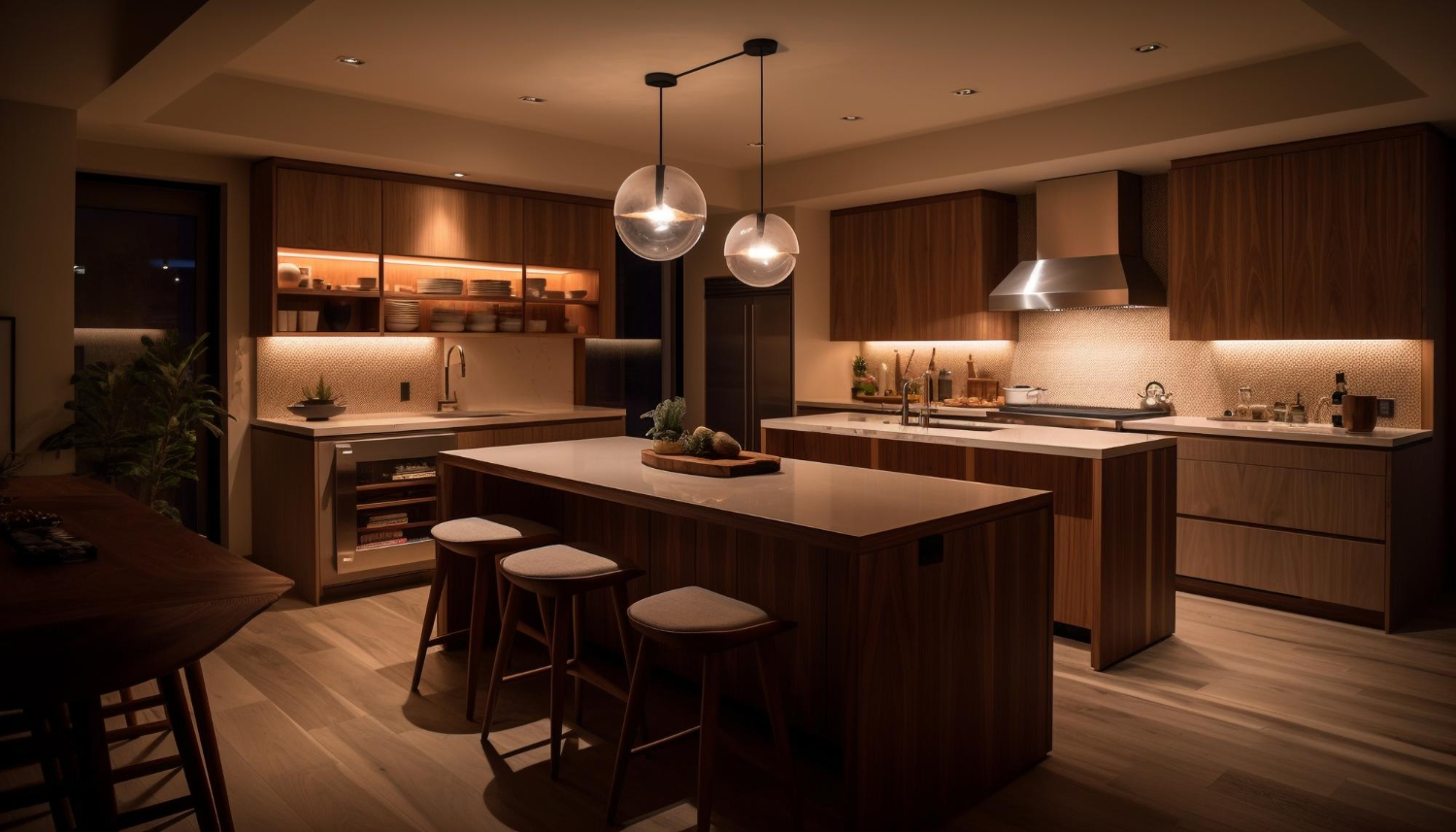
By carefully planning your DIY kitchen remodel, selecting the right materials, and being prepared for challenges, you can achieve a beautiful kitchen without breaking the bank.
Actionable Advice for Your DIY Kitchen Remodel
Common Approaches: DIY vs. Professional Work
When it comes to remodeling your kitchen, you generally have two main options: taking the DIY route or hiring professionals. Each approach has its pros and cons.
DIY Remodeling
- Pros:
- Cost savings: You can save on labor costs, which can account for 20-35% of the total budget.
- Flexibility: You control the timeline and can work at your own pace.
- Personal satisfaction: Completing the project yourself can be rewarding.
- Cons:
- Time-consuming: DIY projects can take longer than anticipated.
- Skill limitations: Not everyone has the skills for complex tasks.
- Quality risk: Poor workmanship can lead to costly mistakes.
Professional Work
- Pros:
- Expertise: Professionals have the skills and experience to deliver high-quality results.
- Time-efficient: They can complete the project more quickly due to their experience.
- Warranty: Many professionals offer warranties on their work.
- Cons:
- Higher costs: Labor can significantly increase your total budget.
- Less control: You may have to compromise on some design choices.
- Scheduling: Finding a good contractor can take time.
Budget vs. Premium Remodel
When deciding how much to spend on your kitchen remodel, it’s essential to understand the differences between budget and premium options.
| Aspect | Budget Remodel | Premium Remodel |
|---|---|---|
| Cabinets | RTA or stock cabinets ($1,500 – $2,500) | Custom cabinets ($5,000 – $10,000) |
| Countertops | Laminate or butcher block ($600 – $1,500) | Granite or quartz ($3,000 – $7,000) |
| Flooring | Vinyl or laminate ($400 – $1,000) | Hardwood or tile ($2,000 – $5,000) |
| Appliances | Basic models ($1,500 – $2,500) | High-end brands ($3,000 – $6,000) |
Mistakes to Avoid
Even with the best intentions, DIY projects can go awry. Here are some common mistakes to avoid:
- Not Planning Properly: Failing to create a detailed plan can lead to costly mistakes. Always measure twice and double-check your layout.
- Ignoring Permits: Skipping necessary permits can lead to legal issues. Always check local regulations before starting work.
- Underestimating Costs: Many DIYers underestimate material costs. Always budget an extra 10-20% for unexpected expenses.
- Overlooking Lighting: Poor lighting can ruin the functionality of your kitchen. Invest in adequate task and ambient lighting.
Insider Tips
Here are some insider tips to help you achieve a successful kitchen remodel:
- Shop Sales: Keep an eye on sales at home improvement stores. You can often find significant discounts on materials.
- Learn from Online Tutorials: Utilize online resources like YouTube for step-by-step guides on various tasks.
- Start Small: If you’re new to DIY, consider starting with smaller projects like painting or installing a backsplash before tackling larger tasks.
- Ask for Help: Don’t hesitate to enlist friends or family for assistance. Many hands make light work.
By comparing approaches, understanding budget versus premium remodels, avoiding common mistakes, and applying insider tips, you can navigate your DIY kitchen remodel more effectively.
Facts About DIY Kitchen Remodel on a Budget
Statistical Insights
Understanding the statistics behind kitchen remodels can provide valuable context for homeowners considering a DIY approach. Here are some key facts:
- According to Remodeling Magazine’s 2021 Cost vs. Value Report, a minor kitchen remodel can recoup about 72% of its cost when selling a home.
- The average cost of a DIY kitchen remodel is approximately $10,000, while a full remodel by professionals can range from $30,000 to $50,000.
- HomeAdvisor reports that homeowners can save between 20% to 35% on labor costs by opting for a DIY approach.
- A survey by the National Association of Realtors found that 80% of homeowners believe that a kitchen remodel increases their home’s value.
Benefits of a Thoughtful Approach
Taking a thoughtful approach to your DIY kitchen remodel can yield multiple benefits:
Saving Money
By planning carefully and executing tasks yourself, you can significantly reduce costs. Here are some ways to save:
- Use budget materials that mimic high-end finishes.
- Shop at discount home improvement stores or during sales.
- Take on tasks like painting, tiling, and installing fixtures to save on labor costs.
Adding Home Value
A well-executed kitchen remodel can enhance your home’s resale value. Here’s how:
- Modernizing outdated features can make your home more appealing to buyers.
- Upgrading appliances to energy-efficient models can be a selling point.
- A functional layout with improved workflow can attract more buyers.
Improving Comfort
A kitchen remodel can also enhance your daily living experience:
- Creating an open layout can foster family interaction and make cooking more enjoyable.
- Incorporating better lighting can improve the kitchen’s ambiance and functionality.
- Adding storage solutions can reduce clutter and make the space more organized.
When to Start and What to Prioritize
Timing and priorities are crucial in a DIY kitchen remodel. Here’s some advice:
When to Start
Consider starting your remodel during off-peak seasons, such as late winter or early spring, when contractors are less busy, and material prices may be lower. Additionally, plan your project around your personal schedule to ensure you have the time and energy to commit.
What to Prioritize
Focus on the following elements to maximize impact:
- Layout: Ensure that the kitchen layout maximizes space and functionality.
- Cabinets: Invest in quality cabinets, as they can significantly influence both aesthetics and storage.
- Countertops: Choose durable materials that fit your budget and style.
- Lighting: Incorporate multiple light sources to enhance both task and ambient lighting.
Common Insights from Homeowners
Homeowners often share their experiences and insights on forums. Here’s a summary of common sentiments:
| Topic | Common Sentiment |
|---|---|
| Budgeting | Many recommend setting a strict budget and sticking to it to avoid overspending. |
| Time Management | Homeowners often note that projects take longer than expected; planning for delays is crucial. |
| DIY Skills | Many suggest starting with smaller projects to build confidence before tackling larger tasks. |
| Research | Homeowners emphasize the importance of researching materials and techniques before starting. |
| Consulting Experts | Some recommend consulting professionals for specific tasks, even if doing most work yourself. |