
Cost of Remodeling a Galley Kitchen: An Overview
Why This Question Matters
Remodeling a galley kitchen can be one of the most impactful home improvement projects for homeowners. This specific kitchen layout, characterized by two parallel countertops, is often found in smaller homes or apartments. However, even though the space is compact, the costs associated with remodeling can vary significantly. Homeowners need to have a clear picture of these costs to make informed decisions, budget effectively, and avoid financial pitfalls.
The question of how much it costs to remodel a galley kitchen matters for several reasons:
- Budgeting: Knowing potential costs helps homeowners allocate funds appropriately and avoid overspending.
- Return on Investment: A well-executed kitchen remodel can increase property value, making it crucial to understand cost versus potential return.
- Design Choices: Understanding costs can guide homeowners in making realistic design choices that fit their vision without breaking the bank.
- Time Management: Remodeling can be time-consuming. Knowing the costs can help set realistic timelines and expectations.
- Regulations and Permits: Some remodels may require permits or adherence to local building codes, adding to the overall cost.
Broader Factors Influencing Costs

When considering a galley kitchen remodel, several broader factors come into play that can significantly influence the overall costs:
- Scope of the Remodel: Are you doing a full renovation or just updating certain elements? A complete overhaul will naturally cost more than a cosmetic update.
- Materials: The choice of materials for cabinets, countertops, flooring, and appliances can dramatically affect costs. High-end materials can quickly escalate the budget.
- Labor Costs: Hiring professionals versus DIY can lead to substantial differences in expenses. Labor costs can vary based on location and the complexity of the work involved.
- Design Complexity: Custom designs or unique layouts may require more time and resources, impacting the overall cost.
- Market Conditions: The housing market and local economy can influence material prices and labor availability, affecting your overall budget.
By considering these factors, homeowners can better prepare for the financial implications of a galley kitchen remodel, ensuring they are equipped to make decisions that align with their goals and limitations.
Breaking Down the Costs of Remodeling a Galley Kitchen
1. Average Cost Estimates
The cost to remodel a galley kitchen can vary widely based on several factors, including the extent of the remodel and the quality of materials used. On average, homeowners can expect to spend between $10,000 and $30,000 for a full remodel. Here’s a breakdown:
- Low-End Remodel: $10,000 – $15,000
- Basic updates such as painting cabinets, new hardware, and budget-friendly appliances.
- Laminate countertops and vinyl flooring.
- Mid-Range Remodel: $15,000 – $25,000
- New cabinetry, quartz or granite countertops, and upgraded appliances.
- Improved lighting and possibly new flooring.
- High-End Remodel: $25,000 – $30,000+
- Custom cabinetry, high-end appliances, and luxury finishes.
- Structural changes, such as moving walls or adding windows.
2. Key Components of the Remodel
When planning a kitchen remodel, several key components will contribute to the overall cost. Here’s a closer look:
2.1 Cabinets
Cabinetry is often the most significant expense in a kitchen remodel. Depending on the material and style, costs can range from:
- Stock Cabinets: $100 – $300 per linear foot.
- Semi-Custom Cabinets: $150 – $650 per linear foot.
- Custom Cabinets: $500 – $1,200 per linear foot.
2.2 Countertops
Countertops also play a crucial role in the remodel budget. Average costs include:
- Laminate: $20 – $50 per square foot.
- Granite: $40 – $100 per square foot.
- Quartz: $50 – $150 per square foot.
2.3 Appliances
Upgrading appliances can significantly impact the budget. Average costs for essential kitchen appliances are:
- Refrigerator: $800 – $3,000.
- Oven/Range: $500 – $2,500.
- Dishwasher: $400 – $1,500.
2.4 Flooring
Flooring choices can also vary widely in cost. Here are some common options:
- Vinyl: $2 – $7 per square foot.
- Tile: $5 – $20 per square foot.
- Hardwood: $8 – $15 per square foot.
3. Planning and Process
The remodeling process involves careful planning and execution. Here’s a step-by-step guide:
3.1 Initial Assessment
Start by assessing your current kitchen layout and identifying what needs to change. This may involve:
- Creating a wish list of features and improvements.
- Setting a realistic budget based on your goals.
3.2 Hiring Professionals
Decide whether to hire a contractor, designer, or handle the project yourself. If hiring professionals, consider:
- Getting multiple quotes to compare costs.
- Checking references and past work.
3.3 Design Phase

During this phase, you will finalize the layout and design elements. Consider:
- Choosing materials, colors, and finishes.
- Creating a detailed plan with measurements.
3.4 Permits and Regulations
Check local regulations to determine if your remodel requires permits. This can include:
- Electrical and plumbing work.
- Structural changes to the space.
3.5 Timeline
A typical galley kitchen remodel can take anywhere from 4 to 12 weeks, depending on the complexity. Key factors affecting the timeline include:
- Size of the kitchen.
- Extent of the remodel (cosmetic vs. structural).
- Availability of materials and labor.
4. Potential Challenges
Remodeling a galley kitchen can come with its own set of challenges. Be prepared for:
- Unexpected costs due to hidden issues, such as plumbing or electrical problems.
- Delays in material delivery, which can push back the timeline.
- Design changes that may arise during the process.
By understanding the costs and processes involved, homeowners can better navigate the complexities of remodeling a galley kitchen.
Actionable Advice for Remodeling a Galley Kitchen
1. DIY vs. Professional Work
Deciding between a DIY approach and hiring professionals can significantly impact your budget and the quality of the remodel. Here’s a comparison of both approaches:
| Aspect | DIY | Professional |
|---|---|---|
| Cost | Lower; you save on labor costs | Higher; includes labor and expertise |
| Time | Longer; depends on your schedule and skill level | Shorter; professionals work efficiently |
| Quality | Varies; depends on your skills and knowledge | Consistent; experienced tradespeople deliver quality |
| Complexity | Best for simple tasks (painting, hardware updates) | Recommended for complex tasks (plumbing, electrical) |
1.1 When to Choose DIY
Consider a DIY approach if you are comfortable with basic home improvement tasks. This can include:
- Painting cabinets or walls.
- Installing new hardware.
- Updating light fixtures.
1.2 When to Hire Professionals
Hire professionals for more complex tasks, such as:
- Electrical and plumbing work.
- Structural changes, like moving walls.
- Custom cabinetry or high-end installations.
2. Budget vs. Premium Remodel
When planning your remodel, you will need to decide between a budget-friendly approach and a premium remodel. Here’s a comparison of both:
| Feature | Budget Remodel | Premium Remodel |
|---|---|---|
| Materials | Standard finishes and stock cabinets | High-end materials and custom cabinetry |
| Appliances | Basic models with essential features | High-efficiency, smart appliances |
| Design | Simple, functional design | Custom design with unique features |
| Return on Investment | Moderate increase in home value | Significant increase in home value |
2.1 Tips for a Budget Remodel
If you’re opting for a budget remodel, consider these tips:
- Focus on cosmetic changes rather than structural alterations.
- Shop sales and consider second-hand appliances.
- Use paint to refresh cabinets and walls.
2.2 Tips for a Premium Remodel
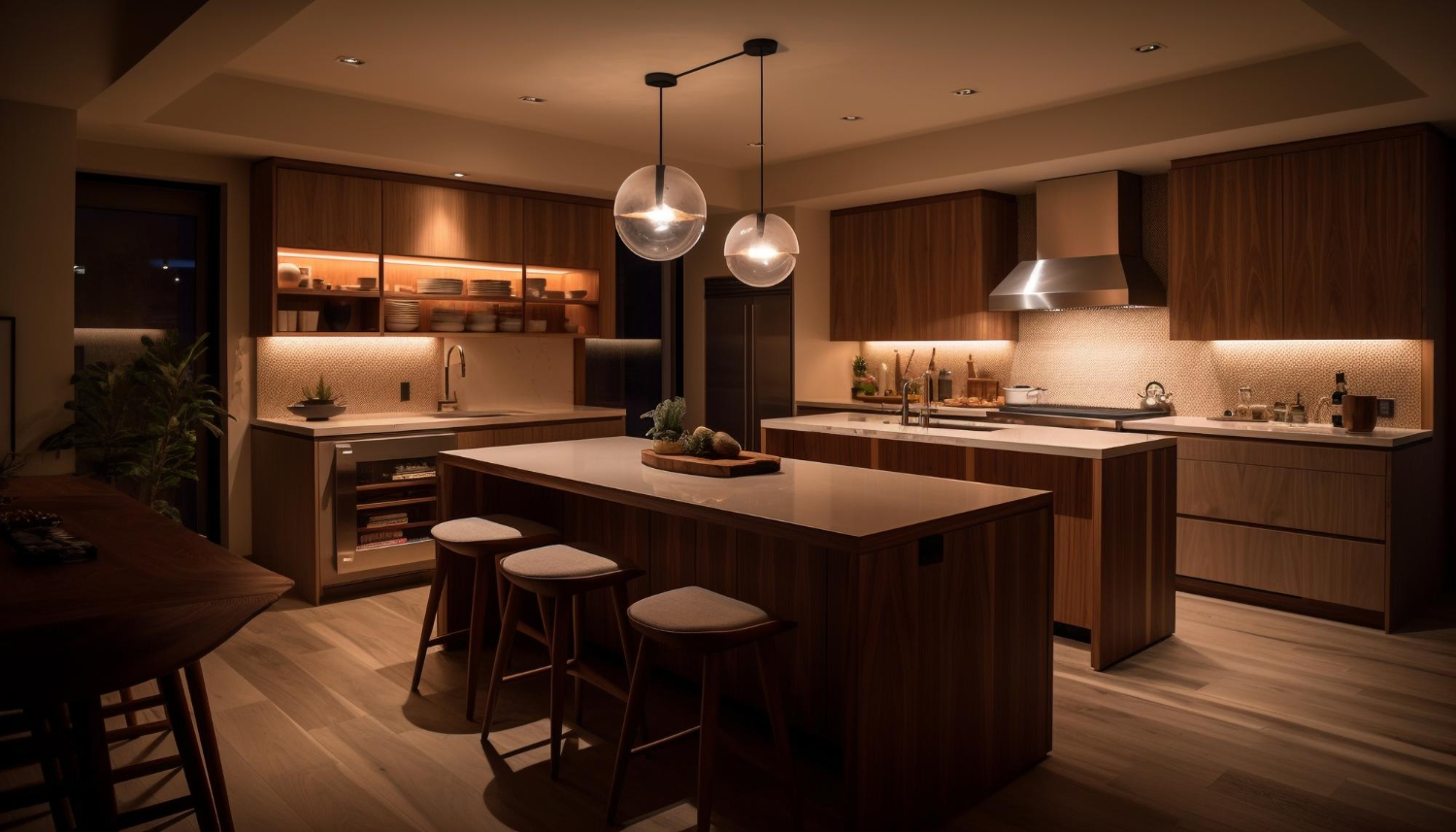
For those looking to invest in a premium remodel, here are some suggestions:
- Invest in high-quality materials that will last longer.
- Hire a designer to create a cohesive and functional layout.
- Consider energy-efficient appliances to save on utility bills.
3. Common Mistakes to Avoid
Avoiding common mistakes can save you time and money during your kitchen remodel. Here are some pitfalls to watch out for:
- Underestimating Costs: Always budget for unexpected expenses, typically 10-20% of your total budget.
- Ignoring the Layout: Ensure that the kitchen layout remains functional; avoid making changes that disrupt workflow.
- Choosing Aesthetic Over Functionality: While looks are important, prioritize functionality to ensure the kitchen meets your needs.
4. Insider Tips
Here are some insider tips that can make your remodeling process smoother:
- Plan for storage: Use vertical space and consider pull-out shelves for better organization.
- Lighting matters: Invest in layered lighting (task, ambient, and accent) for a well-lit kitchen.
- Research local building codes: Ensure all work complies with regulations to avoid fines or issues later.
- Stay flexible: Be prepared for changes and adjustments during the remodel process.
By carefully considering your approach, budget, and potential pitfalls, you can effectively navigate the complexities of remodeling your galley kitchen.
Facts About Remodeling Costs for a Galley Kitchen
1. Statistical Data on Costs
Understanding the costs involved in remodeling a galley kitchen can help homeowners make informed decisions. Here are some statistics and data points from authoritative sources:
- The average cost of a kitchen remodel in the U.S. is approximately $25,000, with galley kitchens typically falling between $10,000 and $30,000, depending on the scope.
- According to Remodeling Magazine’s “Cost vs. Value” report, homeowners can expect to recoup about 60-80% of their remodeling costs when selling their home.
- Minor remodels, which may include painting, new hardware, and updated fixtures, can cost as little as $5,000 but can significantly enhance the kitchen’s appeal.
- High-end remodels can exceed $30,000, especially when custom cabinetry and premium materials are involved.
2. Benefits of a Thoughtful Approach
Taking a thoughtful approach to remodeling not only enhances the kitchen’s functionality but also provides several benefits:
2.1 Saving Money
By carefully planning your remodel, you can avoid unnecessary expenses:
- Prioritize essential upgrades that will provide the most value.
- Consider DIY options for less complex tasks to save on labor costs.
- Shop around for materials and appliances to find the best deals.
2.2 Adding Home Value
Investing in a kitchen remodel can significantly increase your home’s market value:
- A modern and functional kitchen is a key selling point for potential buyers.
- Upgraded kitchens can lead to quicker sales, as they are often a major factor in home-buying decisions.
2.3 Improving Comfort
A well-designed kitchen enhances daily living:
- Improved layout and functionality can make cooking and entertaining easier.
- Upgraded appliances and fixtures can increase efficiency and enjoyment while using the space.
3. When to Start and What to Prioritize
Timing and prioritization are crucial when planning a remodel. Here’s some advice:
- Start When: You have a clear vision of what you want to achieve and a budget in place. Spring and summer are popular times for renovations, as good weather can facilitate outdoor work.
- Prioritize: Focus on the following elements:
- Functionality: Ensure the layout works for your cooking and entertaining needs.
- Quality: Invest in durable materials and appliances that will last.
- Aesthetics: Choose colors and finishes that reflect your personal style and appeal to potential buyers.
4. Common Insights from Homeowners
Homeowners often share their experiences and insights in forums. Here’s a summary of what they commonly say:
| Topic | Common Insights |
|---|---|
| Budgeting | Many emphasize the importance of having a detailed budget and sticking to it. |
| DIY vs. Professional | Homeowners often recommend hiring professionals for plumbing and electrical work but suggest DIY for cosmetic updates. |
| Design Choices | Users frequently advise choosing timeless designs that will appeal to a broad audience. |
| Unexpected Costs | Many warn about unexpected expenses arising from hidden issues, like outdated wiring or plumbing. |
By considering these facts and insights, homeowners can navigate the complexities of remodeling their galley kitchen with greater confidence and clarity.