
Do It Yourself Kitchen Remodel Ideas
Why This Matters for Homeowners
Remodeling a kitchen can be one of the most rewarding home improvement projects. It not only enhances the functionality and aesthetic of one of the most used spaces in a home but can also significantly increase property value. For homeowners, the question of whether to undertake a DIY kitchen remodel is crucial for several reasons:
- Cost Savings: Hiring professionals can be expensive. A DIY approach allows homeowners to save on labor costs, which can account for a significant portion of the total budget.
- Personalization: A DIY remodel enables homeowners to infuse their personal style into the kitchen design. This customization can result in a space that truly reflects individual tastes and preferences.
- Learning Experience: Taking on a remodel can be a valuable learning opportunity. Homeowners can acquire new skills and knowledge about home maintenance and improvement.
- Flexibility: DIY projects allow for greater control over timelines. Homeowners can work at their own pace, making adjustments as needed without the pressure of a contractor’s schedule.
Broader Factors Influencing DIY Kitchen Remodels
Several broader factors influence the decision to embark on a DIY kitchen remodel:
- Budget: Financial constraints are often the primary reason homeowners consider a DIY remodel. Establishing a clear budget is essential, as it will dictate what can realistically be achieved.
- Time Availability: A DIY remodel requires a significant investment of time. Homeowners must assess their schedules to determine how much time they can dedicate to the project without disrupting their daily lives.
- Design Choices: The design of a kitchen remodel can be overwhelming. Homeowners must consider layout, materials, and color schemes, all of which require careful planning and research.
- Local Regulations: Depending on the location, certain remodeling projects may require permits or adherence to building codes. Homeowners should be aware of these regulations to avoid potential legal issues.

By considering these factors, homeowners can make informed decisions about whether a DIY kitchen remodel is the right choice for them. The potential benefits are significant, but the challenges should not be underestimated.
Exploring Do It Yourself Kitchen Remodel Ideas
Planning Your DIY Kitchen Remodel
Before diving into a kitchen remodel, thorough planning is essential. This phase can determine the project’s success and help avoid costly mistakes. Here are key steps to consider:
1. Set a Budget
Establishing a budget is the first and most critical step. On average, a kitchen remodel can range from $10,000 to $50,000, depending on the scope. For a DIY project, you can typically save 20-30% by doing the labor yourself. Consider the following when setting your budget:
- Materials: Cabinets, countertops, flooring, and appliances can vary widely in price. Research and compare options to find quality materials within your budget.
- Tools: You may need to purchase or rent tools, which can add to the cost. Factor in these expenses when budgeting.
- Unexpected Costs: Always allocate an additional 10-15% for unforeseen issues, such as plumbing or electrical repairs.
2. Create a Timeline
A realistic timeline can help manage expectations and keep the project on track. Depending on the complexity, a DIY kitchen remodel can take anywhere from a few weeks to several months. Consider the following phases:
- Design Phase: Spend 1-2 weeks finalizing your design and selecting materials.
- Preparation Phase: Allocate 1 week for demolition and preparation work, such as removing old fixtures and cabinets.
- Installation Phase: This can take 2-6 weeks, depending on the scope of work, including cabinets, countertops, and appliances.
- Finishing Touches: Allow 1-2 weeks for painting, installing hardware, and final clean-up.
Choosing Your Design and Layout
The design and layout of your kitchen are crucial for functionality and aesthetics. Here are common layouts and design considerations:
1. Popular Kitchen Layouts
Different layouts can affect how you use your kitchen. Here are some common options:
- U-Shaped: Ideal for maximizing space, this layout allows for efficient workflow and plenty of storage.
- L-Shaped: This layout is versatile and works well in smaller spaces, providing an open feel.
- Galley: Best for narrow spaces, a galley kitchen features two parallel counters, facilitating easy movement.
- Island: Adding an island can enhance functionality, providing extra counter space and storage.
2. Selecting Materials
Choosing the right materials can greatly impact the look and durability of your kitchen. Average costs for popular materials include:
- Cabinets: Stock cabinets range from $100 to $300 per linear foot, while custom cabinets can cost $500 or more per linear foot.
- Countertops: Laminate options start at $20 per square foot, while granite and quartz can range from $50 to $150 per square foot.
- Flooring: Vinyl flooring can cost as little as $2 per square foot, while hardwood can range from $5 to $15 per square foot.
Executing the Remodel
Once planning is complete, it’s time to execute the remodel. Here are key aspects to focus on during execution:
1. Demolition and Preparation
This phase involves removing old fixtures, cabinets, and appliances. Safety is crucial here:
- Wear protective gear, including gloves, goggles, and masks.
- Turn off utilities (water, gas, electricity) before starting.
- Dispose of debris responsibly; check local regulations for disposal.
2. Installation
Installation can be the most labor-intensive part of the project. Here’s a breakdown:
- Cabinets: Start with the upper cabinets to avoid working over lower units. Ensure they are level and securely mounted.
- Countertops: Measure carefully and follow manufacturer instructions for installation. If using heavy materials like granite, consider getting help.
- Appliances: Make sure to read the installation manuals. Properly connect plumbing and electrical lines to avoid leaks or hazards.
Finishing Touches
The final phase of your DIY kitchen remodel involves adding the finishing touches that will bring your vision to life:
1. Painting and Touch-ups
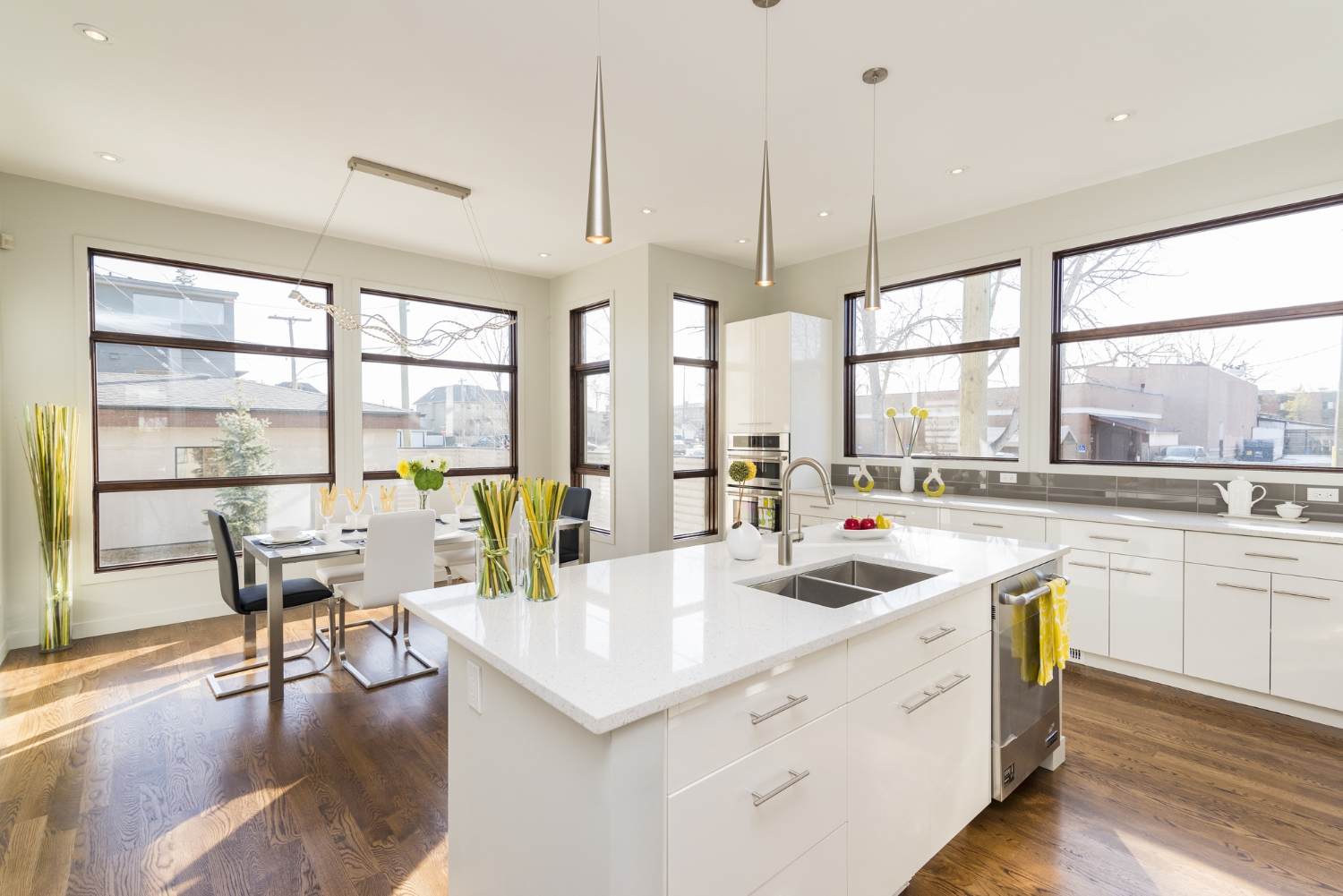
A fresh coat of paint can dramatically change the look of your kitchen. Consider these tips:
- Choose a color that complements your cabinets and countertops.
- Use high-quality paint designed for kitchens to withstand humidity and stains.
2. Hardware and Accessories
Installing new hardware can modernize your kitchen without a major overhaul:
- Choose cabinet knobs and pulls that match your kitchen style.
- Consider adding accessories like open shelving or decorative lighting to enhance the overall design.
By following these steps and considerations, homeowners can successfully navigate the complexities of a DIY kitchen remodel, creating a space that meets their needs and reflects their personal style.
Actionable Advice for Your DIY Kitchen Remodel
DIY vs. Professional Work
When considering a kitchen remodel, homeowners often face the choice between doing it themselves or hiring professionals. Each approach has its pros and cons.
Comparative Overview
| Aspect | DIY | Professional Work |
|---|---|---|
| Cost | 20-30% savings on labor | Higher costs, typically 30-50% of total budget |
| Control | Full control over design and timeline | Less control; depends on contractor’s schedule |
| Skill Level | Requires some DIY skills and research | Professional expertise and experience |
| Time | Longer, as you work at your own pace | Typically quicker, but depends on availability |
| Quality | Varies based on skill; potential for mistakes | Consistent quality, but varies by contractor |
Budget vs. Premium Remodel
Another critical decision is whether to opt for a budget remodel or a premium upgrade. Each option has distinct characteristics and implications.
Budget Remodel
A budget remodel focuses on maximizing value while minimizing costs. Here are some strategies:
- Refinish Cabinets: Instead of replacing cabinets, consider refinishing or repainting them. This can save thousands of dollars.
- Affordable Countertops: Use laminate or butcher block instead of granite or quartz. Average costs can be as low as $20 per square foot.
- DIY Installation: Handle installation of cabinets and countertops yourself to save on labor costs.
Premium Remodel
A premium remodel focuses on high-quality materials and finishes. Here are some features to consider:
- Custom Cabinets: Invest in custom cabinetry for a tailored fit and high-quality materials. Costs can range from $500 to $1,200 per linear foot.
- High-End Appliances: Choose energy-efficient, high-performance appliances that can enhance functionality and aesthetics.
- Luxury Countertops: Opt for materials like quartz or marble, which can elevate the kitchen’s overall look and feel.
Common Mistakes to Avoid
Even seasoned DIYers can make mistakes during a kitchen remodel. Here are some pitfalls to watch out for:
- Underestimating Costs: Always budget for unexpected expenses. A minimum 10-15% contingency is advisable.
- Ignoring Layout: Ensure that your new layout maintains an efficient workflow. The classic kitchen work triangle (sink, stove, refrigerator) should remain functional.
- Skipping Research: Failing to research materials and installation techniques can lead to poor choices and costly errors.
- Neglecting Permits: Check local regulations and obtain necessary permits to avoid fines or legal issues.
Insider Tips for a Successful Remodel
To enhance your DIY kitchen remodel experience, consider these insider tips:
- Start Small: If you’re new to DIY projects, begin with smaller tasks, such as painting or hardware installation, before tackling larger renovations.
- Document Everything: Keep a detailed record of your budget, timeline, and materials. This will help you stay organized and on track.
- Ask for Help: Don’t hesitate to enlist friends or family for assistance, especially for heavy lifting or complex tasks.
- Invest in Quality Tools: Using the right tools can make a significant difference in the quality of your work. Consider renting expensive tools if you won’t use them frequently.
By weighing the pros and cons of DIY versus professional work, deciding between budget and premium remodels, avoiding common mistakes, and following insider tips, homeowners can navigate their kitchen remodels more effectively and achieve satisfying results.
Facts About Do It Yourself Kitchen Remodel Ideas
Statistical Insights
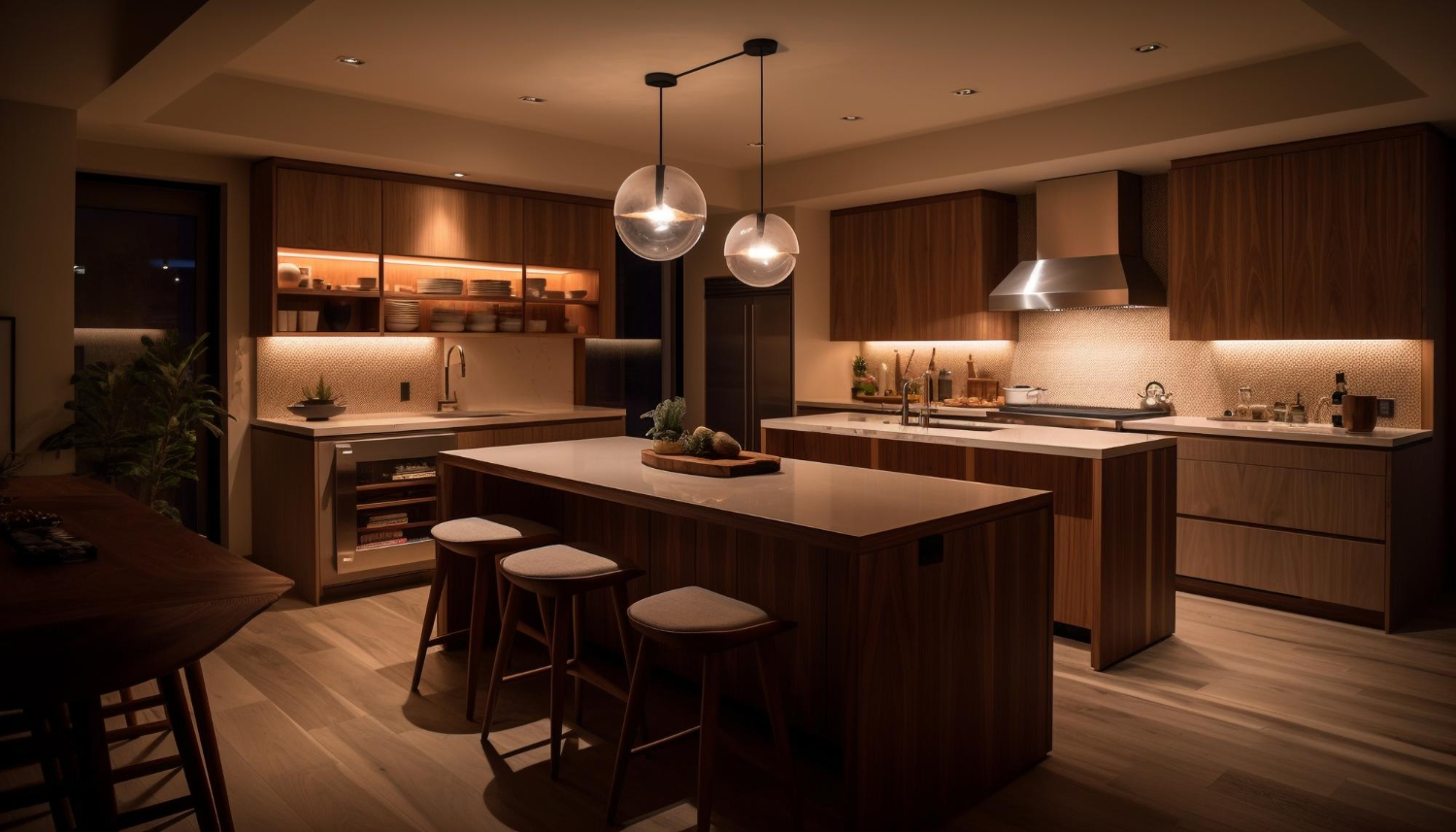
Understanding the statistical landscape of DIY kitchen remodels can provide valuable context for homeowners considering this route. Here are some noteworthy facts:
- Cost Savings: According to a survey by HomeAdvisor, homeowners can save an average of 20-30% on labor costs by opting for DIY projects.
- Return on Investment: Remodeling Magazine’s 2023 Cost vs. Value report states that a minor kitchen remodel can recoup about 72% of its cost at resale, making it one of the best home improvement investments.
- Increased Home Value: The National Association of Realtors reports that kitchen remodels can increase home value by an average of $20,000, depending on the scope and quality of the work.
- Comfort Improvement: A survey by Houzz found that 95% of homeowners who remodeled their kitchens reported increased enjoyment of their home as a result.
Benefits of a Thoughtful Approach
Taking a thoughtful approach to a DIY kitchen remodel can yield significant benefits:
1. Saving Money
By carefully planning and executing a remodel, homeowners can maximize their budget. This includes:
- Choosing cost-effective materials without sacrificing quality.
- Handling labor-intensive tasks personally to save on contractor fees.
- Using online resources and tutorials to learn new skills, thus avoiding costly mistakes.
2. Adding Home Value
A well-executed kitchen remodel can significantly boost a home’s market value. Key aspects include:
- Updating outdated appliances and fixtures to appeal to modern buyers.
- Enhancing functionality with smart storage solutions and open layouts.
- Choosing timeless designs that attract a broader range of potential buyers.
3. Improving Comfort
A kitchen remodel can greatly enhance the comfort and usability of the space. Benefits include:
- Creating a more efficient workflow for cooking and entertaining.
- Incorporating personal style elements that make the kitchen feel inviting.
- Addressing any existing issues, such as poor lighting or inadequate storage.
When to Start and What to Prioritize
Timing and prioritization are critical for a successful DIY kitchen remodel. Here’s when to start and what to focus on:
When to Start
Consider starting your remodel during the off-peak seasons, typically late fall or winter, when contractors are less busy and materials may be on sale. This can also provide you with ample time to plan without the pressure of a tight schedule.
What to Prioritize
Focus on the following areas to ensure a successful remodel:
- Layout: Ensure that the kitchen layout promotes efficiency and meets your cooking and entertaining needs.
- Cabinets: Prioritize updating or refinishing cabinets, as they significantly influence both aesthetics and storage.
- Countertops: Choose durable and attractive countertops that can withstand daily use.
- Lighting: Implement a mix of task, ambient, and accent lighting to enhance the kitchen’s functionality and atmosphere.
Common Homeowner Insights from Forums
Homeowners often share valuable insights and experiences in online forums. Here’s a summary of common sentiments:
| Common Insight | Frequency of Mention |
|---|---|
| Planning is key to success | 85% |
| Budgeting for unexpected costs is crucial | 75% |
| DIY can be rewarding but challenging | 70% |
| Researching materials and techniques pays off | 80% |
| Getting help from friends makes the process easier | 60% |
By leveraging statistical data and insights from experienced homeowners, individuals can approach their DIY kitchen remodels with confidence, ensuring they maximize benefits while minimizing potential pitfalls.