
How to Cook When Your Kitchen is Being Remodeled
Why This Question Matters
Impact on Daily Life
Cooking is a fundamental part of daily life for many homeowners. When your kitchen is being remodeled, it can disrupt meal preparation, leading to stress and frustration. The kitchen is often considered the heart of the home, and a remodel can make it challenging to maintain your usual routine. Understanding how to adapt during this time is crucial for keeping your household running smoothly.
Financial Considerations
Remodeling a kitchen is typically a significant financial investment. Homeowners need to consider not only the cost of materials and labor but also how to manage their budget during the renovation. Eating out or ordering takeout frequently can quickly add up, putting additional strain on finances. Finding ways to cook at home, even with limited resources, can help mitigate these costs.
Time Management
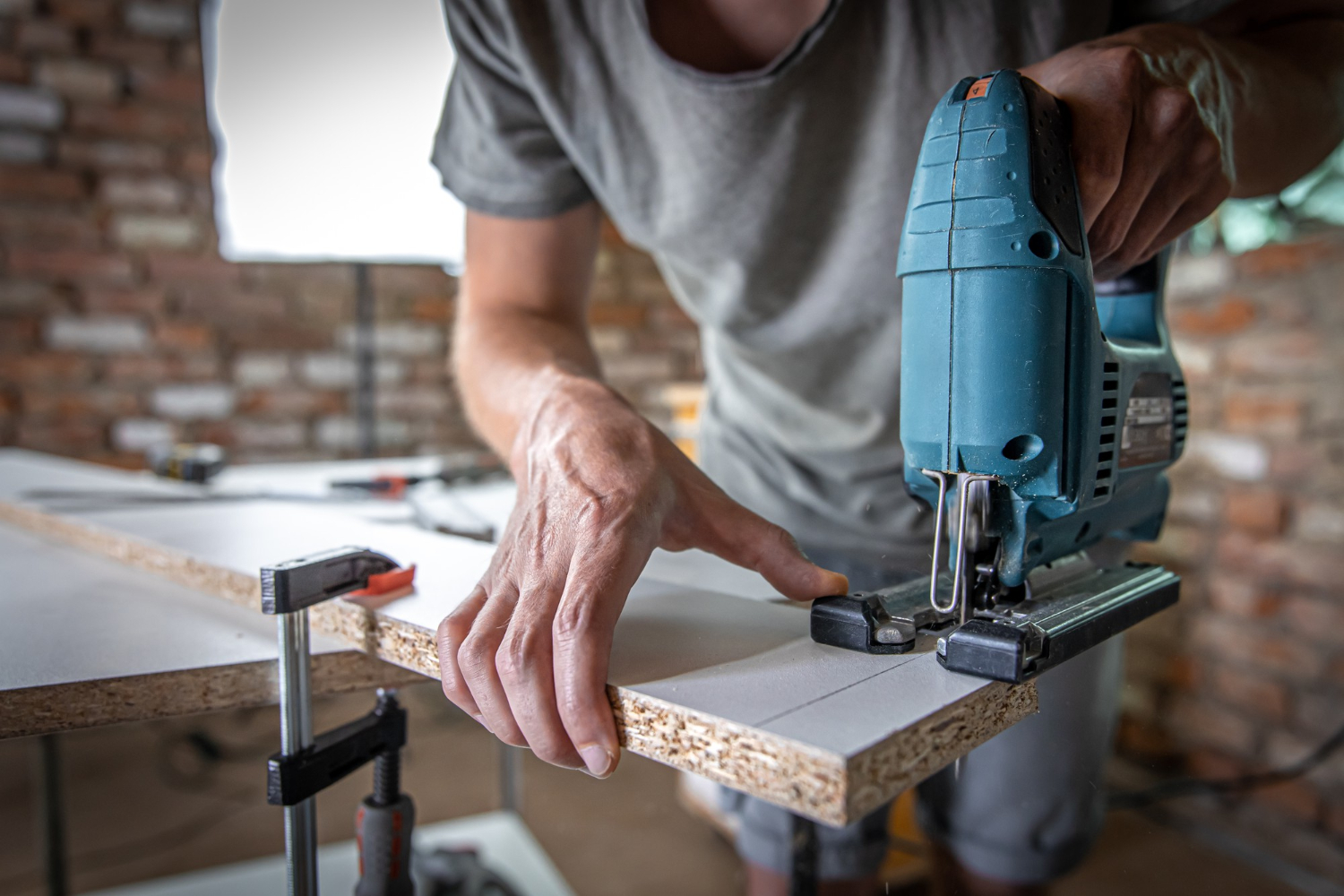
A kitchen remodel can take anywhere from a few weeks to several months, depending on the scope of the project. During this time, homeowners must manage their time effectively. This includes planning meals that can be prepared with minimal equipment and time. Incorporating quick and easy recipes can help ease the burden of cooking during this transitional period.
Design and Functionality
Remodeling often involves rethinking the design and functionality of the kitchen space. Homeowners may need to adapt their cooking habits to accommodate temporary setups, such as using a makeshift kitchen in another room. This requires creativity and flexibility, as the usual layout and tools may not be available. Understanding how to work with limited space and equipment is essential for maintaining a functional cooking environment.
Regulations and Safety
Depending on the extent of the remodel, homeowners may need to consider local regulations and safety protocols. For instance, if electrical or plumbing work is involved, it may not be safe to use certain appliances. Being aware of these factors is crucial for ensuring safety during the remodeling process. Homeowners should also consider how the remodel may affect fire safety and ventilation while cooking in a temporary setup.
Broader Influences
Several broader factors can influence how homeowners approach cooking during a kitchen remodel:
- Availability of Equipment: Limited access to appliances can dictate meal choices.
- Family Dynamics: Different family members may have varying needs and preferences, complicating meal planning.
- Health Considerations: Dietary restrictions or preferences may require more planning and creativity.
- Seasonal Factors: The time of year can impact ingredient availability and cooking methods.
In summary, knowing how to cook effectively during a kitchen remodel is essential for maintaining routines, managing finances, and ensuring safety. Homeowners must adapt to the challenges posed by the renovation while keeping their culinary needs in mind.
How to Cook When Your Kitchen is Being Remodeled
Planning Your Temporary Cooking Space
Identify an Alternative Cooking Area
When your kitchen is under construction, the first step is to identify an alternative space for cooking. This could be:
- Dining Room: Use a small table to set up a temporary cooking station.
- Garage: If you have a garage, consider using a portable stove or grill.
- Outdoor Space: Utilize a grill or outdoor kitchen setup if available.
- Living Room: With a microwave and a few appliances, you can create a makeshift kitchen.
Gather Essential Cooking Tools
Depending on the available space, gather the essential cooking tools you will need. You may not have access to your full kitchen set, so prioritize:
- Microwave: Great for reheating meals and cooking quick dishes.
- Slow Cooker: Allows for easy meal prep with minimal supervision.
- Electric Griddle: Useful for cooking multiple items at once.
- Portable Induction Cooktop: Offers a quick way to cook without a full stove.
Meal Planning Strategies
Focus on Simple Recipes
During a remodel, it’s vital to simplify your cooking. Choose recipes that require minimal ingredients and equipment. For example:
- One-Pot Meals: Dishes like chili or pasta can be made in a single pot.
- Sheet Pan Dinners: Roast vegetables and proteins together on a single pan.
- Salads and Cold Dishes: These require no cooking and can be assembled quickly.
Batch Cooking and Freezing
Batch cooking can save time and effort. Prepare larger quantities of meals and freeze portions for later. For example:
- Cook a large pot of soup and freeze individual servings.
- Prepare casseroles that can be frozen and baked later.
- Make smoothie packs that can be blended quickly in the morning.
Time Management During Renovation
Establish a Cooking Schedule
With your kitchen out of commission, creating a cooking schedule can help you stay organized. Consider:
- Designating specific days for meal prep.
- Allocating time slots for cooking to avoid overlap with construction work.
- Involving family members in meal prep to share the workload.
Utilize Convenience Foods
While not ideal for everyday cooking, convenience foods can help during a remodel. Examples include:
- Pre-cut vegetables and fruits for quick salads and snacks.
- Frozen meals that can be quickly heated.
- Meal kits that provide all ingredients and instructions.
Adapting to Limited Resources
Make Use of Small Appliances
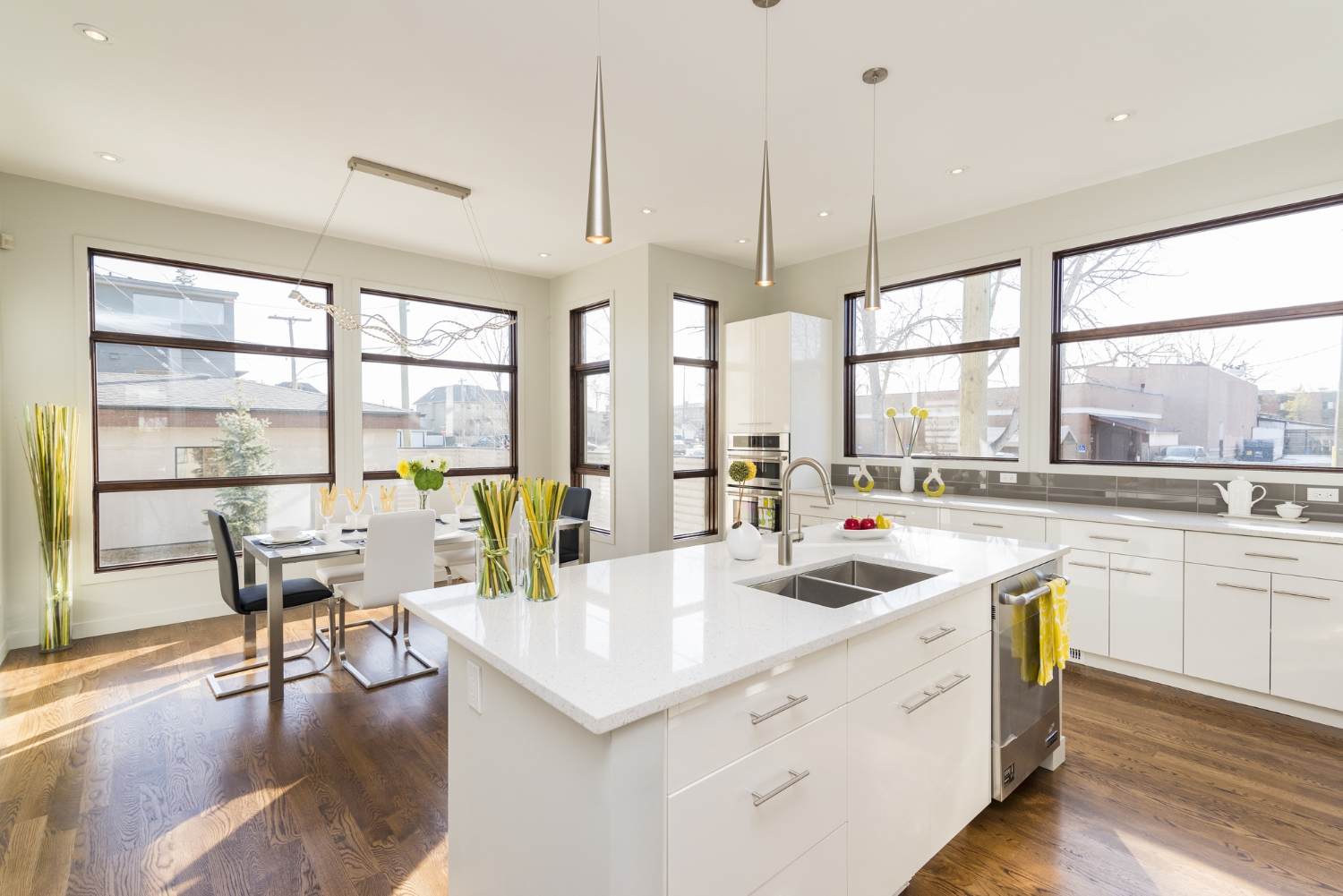
Small appliances can be lifesavers when your kitchen is in disarray. Consider:
- Instant Pot: Combine the functions of a pressure cooker and slow cooker.
- Air Fryer: Cook meals quickly with less oil for healthier options.
- Electric Kettle: Useful for boiling water for instant meals or tea.
Creative Cooking Techniques
When traditional methods are unavailable, think outside the box:
- Grilling: Use a grill for cooking meats and vegetables, adding a smoky flavor.
- Microwave Cooking: Explore microwave recipes for cakes, eggs, and more.
- Stovetop Cooking: Use a hot plate or induction burner for stovetop meals.
Safety and Regulations
Be Aware of Safety Hazards
Safety should always be a priority, especially during a renovation. Be mindful of:
- Electrical hazards: Ensure that all appliances are properly plugged in and not overloaded.
- Fire safety: Keep flammable materials away from cooking areas.
- Ventilation: Ensure proper airflow, especially when using grills or gas appliances indoors.
Follow Local Regulations
Depending on the extent of your remodel, you may need to adhere to local building codes. This can affect:
- Permits for electrical or plumbing work.
- Restrictions on using certain appliances during construction.
- Guidelines for safety measures in temporary cooking areas.
By planning effectively and adapting to your temporary cooking environment, you can continue to prepare meals without significant disruption during your kitchen remodel.
Actionable Advice for Cooking During a Kitchen Remodel
Common Approaches: DIY vs. Professional Work
DIY Cooking Setup
Taking a DIY approach can save money and give you more control over your temporary cooking setup. Here are some advantages and disadvantages:
- Advantages:
- Cost savings on labor.
- Flexibility to set up as you see fit.
- Opportunity to learn new skills.
- Disadvantages:
- Time-consuming; may extend the remodel timeline.
- Potential for mistakes that could lead to safety issues.
- Limited expertise could result in an inefficient setup.
Professional Cooking Setup
Hiring professionals can streamline the process but comes with its own set of pros and cons:
- Advantages:
- Expertise in setting up safe and functional temporary kitchens.
- Faster setup time, allowing for quicker meal preparation.
- Access to professional-grade equipment if needed.
- Disadvantages:
- Higher costs associated with labor.
- Less control over the setup process.
- Potential delays in scheduling professionals.
Budget vs. Premium Remodel
Budget-Friendly Options
If you’re working with a limited budget, consider the following strategies:
- Use existing furniture and appliances creatively.
- Purchase second-hand or discounted equipment.
- Focus on essential items only; avoid unnecessary upgrades.
Premium Options
If you have the budget for a premium remodel, you can enhance your cooking experience:
- Invest in high-quality, versatile appliances.
- Consider a temporary outdoor kitchen setup with premium grills.
- Hire professionals to create a seamless transition between your old and new kitchen.
Mistakes to Avoid During a Remodel
Common Pitfalls
Being aware of common mistakes can help you avoid costly setbacks:
- Neglecting Meal Prep: Failing to plan meals in advance can lead to reliance on takeout.
- Overcomplicating the Setup: Trying to use too many appliances can create clutter and confusion.
- Ignoring Safety Regulations: Not following safety guidelines can lead to accidents or damage.
Insider Tips
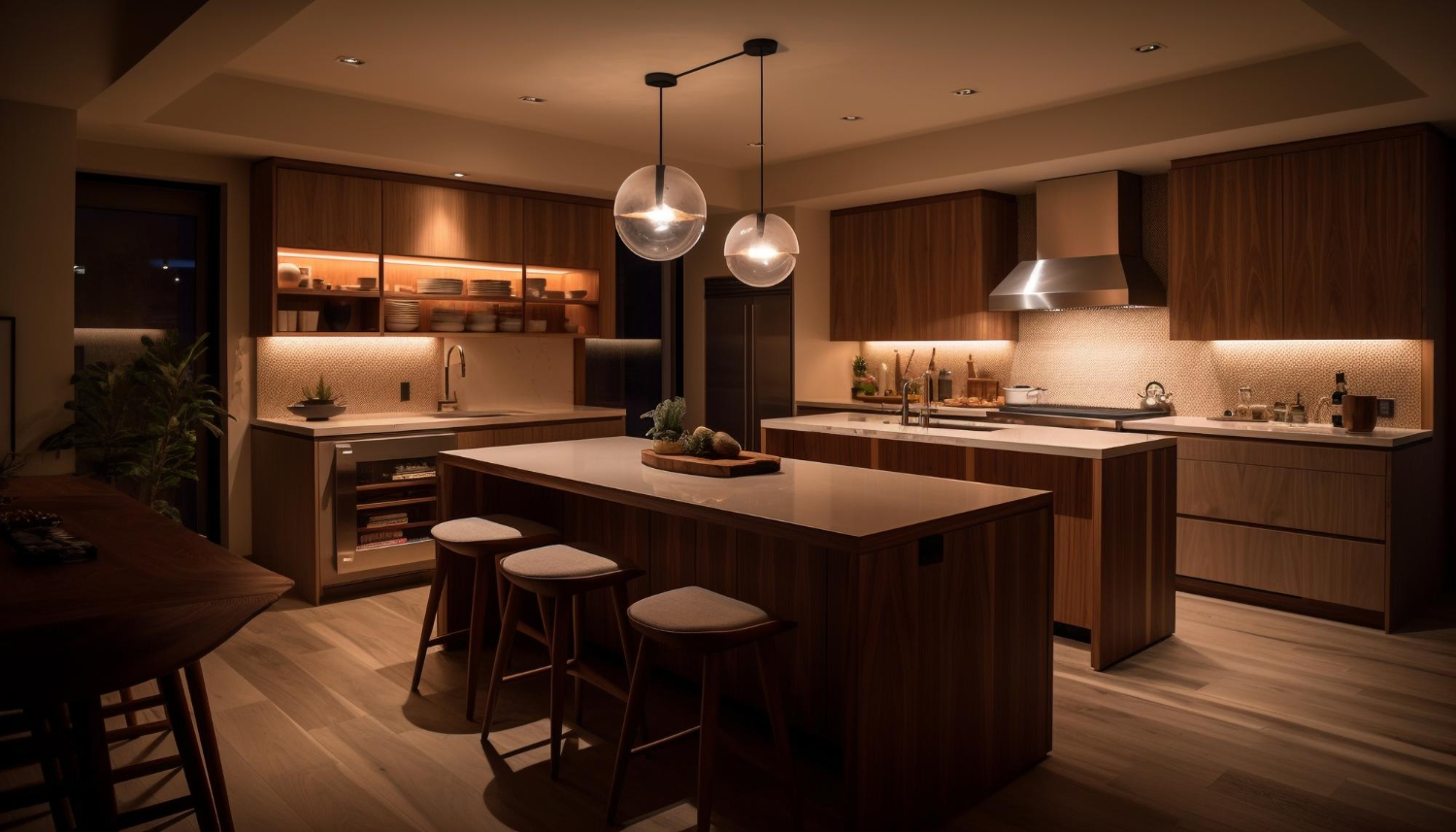
Here are some insider tips for making the most of your situation:
- Communicate with contractors about your cooking needs to ensure they accommodate your setup.
- Invest in a portable kitchen island for additional prep space.
- Set up a meal-sharing schedule with neighbors or friends to ease the burden of cooking.
Comparison Table: DIY vs. Professional Setup
| Aspect | DIY Setup | Professional Setup |
|---|---|---|
| Cost | Lower, but varies based on materials | Higher due to labor costs |
| Time | More time-consuming | Quicker setup |
| Expertise | Limited; relies on personal skills | Professional knowledge |
| Flexibility | High; can adjust as needed | Lower; depends on contractor |
| Safety | Potential for issues | Adheres to safety regulations |
By considering these actionable strategies, you can effectively navigate cooking during your kitchen remodel while minimizing stress and maximizing efficiency.
Facts About Cooking During a Kitchen Remodel
Statistical Insights
Impact on Household Spending
According to the National Kitchen and Bath Association (NKBA), homeowners can expect to spend an average of $20,000 to $50,000 on a kitchen remodel. However, cooking at home during this period can significantly reduce expenses related to dining out. A study by the USDA found that families can save around $200 to $300 monthly by preparing meals at home instead of eating out.
Home Value Increase
Investing in a kitchen remodel can yield a return on investment (ROI) of approximately 60% to 80%, depending on the quality of the remodel and local real estate trends. A well-planned kitchen remodel not only enhances the cooking experience but can also increase the overall value of your home, making it a worthwhile endeavor for homeowners.
Improving Comfort and Functionality
A survey by Houzz revealed that 87% of homeowners who remodeled their kitchens reported increased satisfaction with their home. This improvement in comfort is often linked to enhanced functionality, which can make cooking more enjoyable and efficient. Homeowners frequently mention that an organized and well-thought-out cooking space reduces stress during meal preparation.
Benefits of a Thoughtful Approach
Saving Money
By planning meals and utilizing alternative cooking methods, homeowners can save significantly during a remodel. For instance:
- Batch cooking can reduce grocery bills by minimizing food waste.
- Using less expensive ingredients in home-cooked meals can cut costs compared to takeout.
Adding Home Value
Investing in a thoughtful remodel can lead to increased home value. HomeAdvisor reports that kitchens are one of the top areas that potential buyers focus on, making it essential to create a functional and aesthetically pleasing space.
Improving Comfort
A well-designed temporary cooking setup can enhance comfort during the remodeling process. Homeowners often find that:
- Having a designated cooking area reduces chaos and confusion.
- Comfortable seating arrangements during meal prep can make the experience more enjoyable.
Final Piece of Advice
When to Start and What to Prioritize
It’s advisable to start planning your temporary cooking setup as soon as you decide on a kitchen remodel. Prioritize the following:
- Identify an Alternative Cooking Space: Choose a location that is safe and convenient.
- Gather Essential Cooking Tools: Ensure you have the necessary appliances to make meal preparation manageable.
- Plan Your Meals: Create a meal plan that accommodates your temporary setup and minimizes waste.
Common Owner Insights from Forums
| Owner Insight | Common Theme |
|---|---|
| “Batch cooking saved us from eating out too much.” | Meal Planning |
| “Using a slow cooker was a game-changer.” | Appliance Utilization |
| “I wish I had set up a better temporary kitchen.” | Setup Planning |
| “We saved more than we expected by cooking at home.” | Cost Savings |
| “Involving the family made it easier to manage meals.” | Family Involvement |
By leveraging these facts and insights, homeowners can navigate the cooking challenges that come with kitchen remodeling while maximizing savings, home value, and comfort.