
Cooking During a Kitchen Remodel: An Overview
Why This Question Matters for Homeowners
When embarking on a kitchen remodel, many homeowners face the daunting question of how to continue cooking without a fully functional kitchen. This situation is not just an inconvenience; it can significantly impact daily life, meal planning, and overall well-being.
A kitchen remodel often involves substantial changes, including layout adjustments, new appliances, and aesthetic upgrades. These changes can take weeks or even months to complete, leaving homeowners without a central hub for meal preparation. Understanding how to navigate this period can make the transition smoother and less stressful.
Broader Factors Influencing Cooking During a Remodel
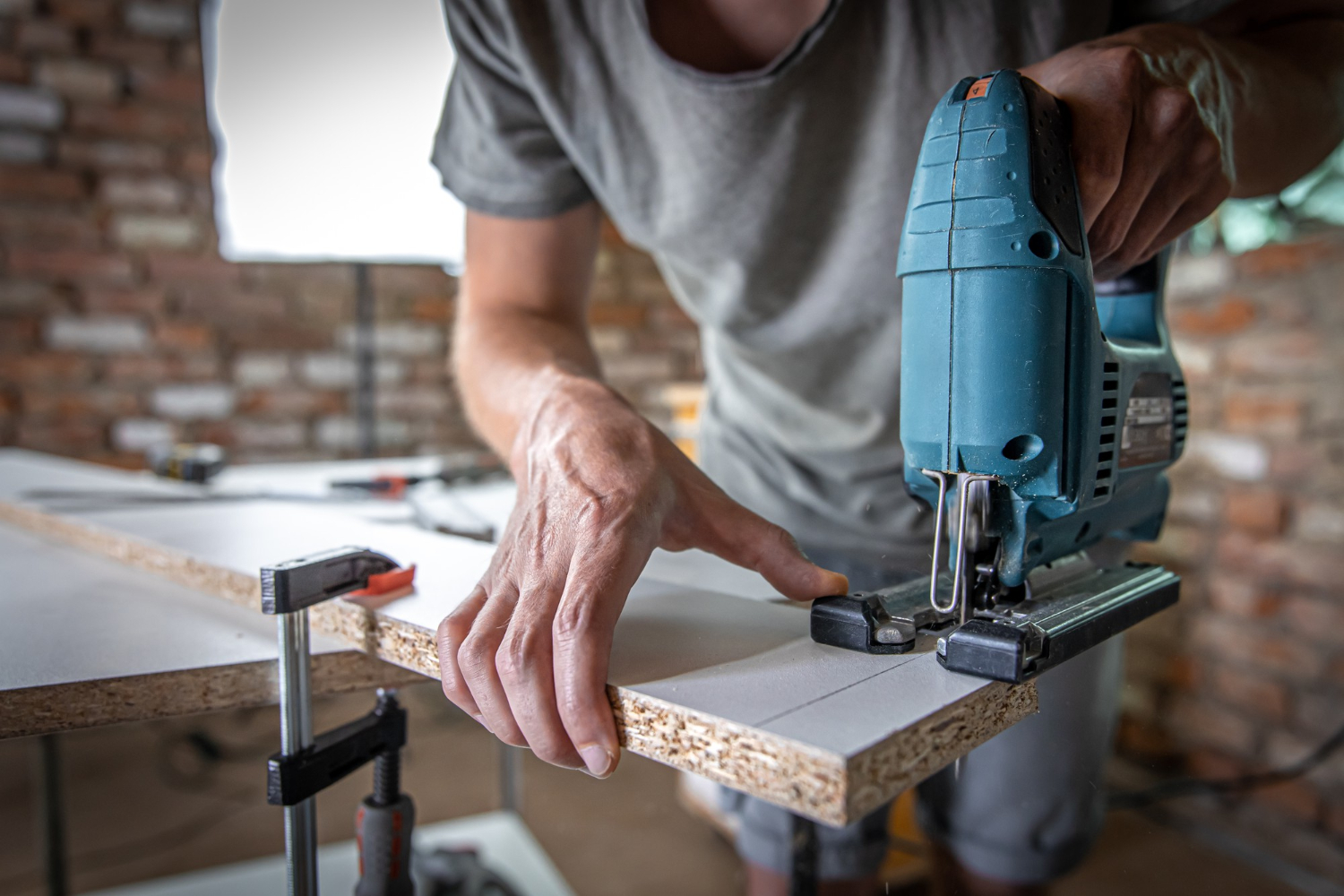
Several factors come into play when considering how to cook during a kitchen remodel:
- Money: Remodeling can be expensive, and many homeowners find themselves on a tight budget. This can limit options for temporary cooking solutions, making it essential to find cost-effective alternatives.
- Time: The duration of a remodel can vary significantly. Homeowners need to plan meals around the timeline of construction, which may require flexibility and creativity in meal preparation.
- Design: Depending on the extent of the remodel, homeowners may have limited access to essential kitchen tools and appliances. This can affect cooking methods and require adjustments in meal planning.
- Regulations: Some remodels may involve permits and inspections, which can dictate when and how work can be done. Homeowners need to be aware of these regulations to avoid delays that could further disrupt cooking.
Navigating the complexities of cooking during a kitchen remodel is essential for maintaining a sense of normalcy. By addressing these factors head-on, homeowners can make informed decisions that will ease the burden of this transitional period.
How to Cook When Your Kitchen is Being Remodeled
Planning Ahead: Meal Prep and Strategy
When your kitchen is undergoing a remodel, planning is crucial. Without a fully functional kitchen, you’ll need to think creatively about meal preparation. Here are some steps to consider:
1. Assess Your Cooking Options
Before the remodel begins, evaluate what cooking tools and appliances you will have access to. Consider the following:
- Microwave: A microwave can be a lifesaver for reheating pre-prepared meals. It’s quick and requires minimal cleanup.
- Slow Cooker or Instant Pot: These appliances are versatile and can be used for a variety of meals with minimal supervision.
- Grill or Hot Plate: If you have outdoor space, a grill can be an excellent alternative for cooking. A hot plate can also suffice for basic cooking needs.
2. Create a Meal Plan
With limited cooking facilities, having a meal plan is essential. Aim for simple meals that require minimal preparation. For example:
- One-Pot Meals: Dishes like chili, stews, or pasta can be made in a single pot, reducing cleanup time.
- Batch Cooking: Prepare large quantities of food at once and freeze portions for later use. Soups and casseroles freeze well.
- Salads and Cold Dishes: Incorporate more salads, sandwiches, and wraps that don’t require cooking.
Utilizing Temporary Cooking Spaces
If your kitchen is completely out of commission, you may need to set up a temporary cooking space. Here’s how to do it:
1. Designate a Cooking Area
Choose a spot in your home that can be used for cooking. This could be:
- Dining Room Table: Clear off the table and set up your small appliances here.
- Garage or Basement: If you have access to a power outlet, these areas can be utilized for cooking.
2. Gather Essential Supplies
Make sure to have the necessary cooking tools readily available. Consider the following:
- Utensils: Keep a basic set of knives, cutting boards, and measuring cups at hand.
- Storage Containers: Use containers for meal prep and leftovers to keep your temporary space organized.
- Disposable Plates and Utensils: If cleanup is a concern, consider using disposable options for meals.
Time Management During a Remodel
Timing is everything during a remodel. Here are some tips to manage your cooking schedule effectively:
1. Coordinate with Contractors
Communicate with your contractors about their schedule. Knowing when they will be working can help you plan your cooking times accordingly. For example, if they are working in the morning, you might want to prepare meals in the evening.
2. Use Leftovers Wisely
Plan to use leftovers strategically. For instance, if you make a large batch of chili one night, you can use the leftover chili for burritos or nachos the next day. This not only saves time but also minimizes the number of meals you need to prepare.
Healthy Eating During the Transition
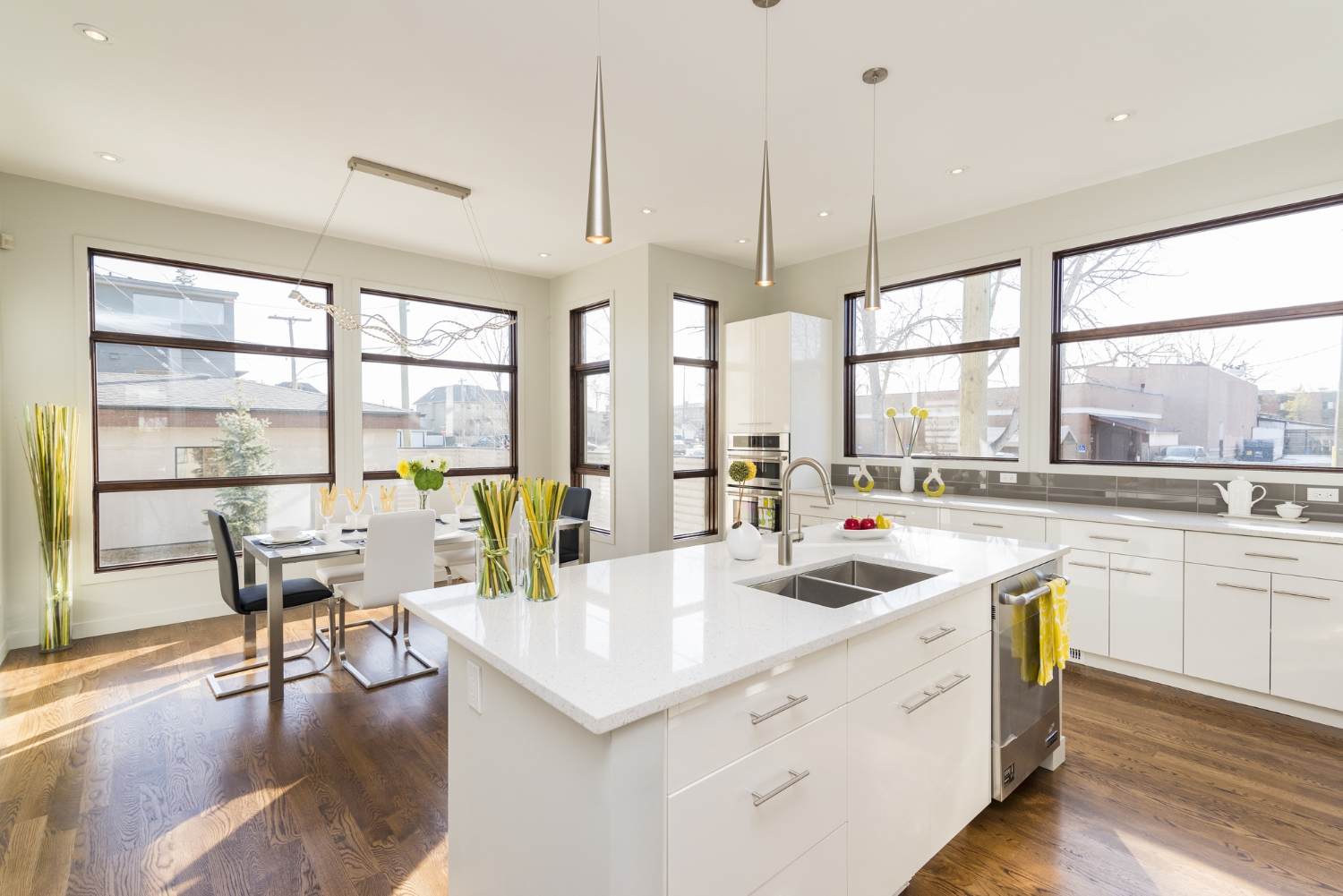
It’s easy to fall into the trap of convenience foods when your kitchen is out of commission. However, maintaining a balanced diet is important. Here are some strategies:
1. Choose Nutrient-Dense Foods
Focus on foods that are high in nutrients but easy to prepare. Some examples include:
- Fresh Fruits and Vegetables: These require no cooking and can be used in salads or as snacks.
- Whole Grains: Options like quinoa or brown rice can be prepared quickly in a microwave or slow cooker.
2. Limit Processed Foods
While it might be tempting to rely on takeout or pre-packaged meals, these can be costly and unhealthy. Aim to prepare meals from scratch whenever possible, even if it requires more effort.
Challenges to Anticipate
While planning and executing meals during a remodel, be ready for potential challenges:
1. Limited Space
With construction taking place, you may have limited space to work. Be prepared to adapt and use whatever area is available for cooking.
2. Disruption and Noise
Construction can be noisy and disruptive. This may affect your ability to cook or enjoy meals. Consider planning meal times around the work schedule to minimize interruptions.
3. Unforeseen Delays
Remodels often take longer than expected. Be flexible with your meal planning and have backup options ready in case of delays in your kitchen’s completion.
By planning ahead, utilizing temporary cooking spaces, managing your time effectively, and maintaining healthy eating habits, you can navigate the challenges of cooking during a kitchen remodel with relative ease.
Actionable Advice for Cooking During a Kitchen Remodel
Common Approaches: DIY vs. Professional Work
When planning a kitchen remodel, homeowners often face the decision of whether to take a DIY approach or hire professionals. Each option has its pros and cons, especially when it comes to cooking during the transition.
1. DIY Remodeling
- Cost-Effective: DIY can save money on labor costs, allowing you to allocate more funds for materials.
- Flexibility: You can work at your own pace and schedule, which might allow for cooking in between tasks.
- Learning Experience: It can be rewarding to learn new skills and complete a project yourself.
2. Professional Remodeling
- Expertise: Professionals bring experience and knowledge, ensuring that the work is done correctly and efficiently.
- Time-Saving: Hiring professionals can significantly reduce the time it takes to complete the remodel, minimizing the disruption to your cooking routine.
- Quality Assurance: Professionals often provide warranties on their work, giving you peace of mind.
Budget vs. Premium Remodels
The budget you set for your remodel can greatly influence your cooking options during the process. Here’s a comparison of budget and premium remodels:
| Aspect | Budget Remodel | Premium Remodel |
|---|---|---|
| Cost | Typically ranges from $10,000 to $20,000 | Often exceeds $30,000 |
| Materials | Basic materials and finishes | High-end materials, custom designs |
| Timeline | May take longer due to limited resources | Generally quicker due to professional expertise |
| Cooking Options | Limited appliances; focus on simple meals | Potential for a temporary kitchen setup |
Common Mistakes to Avoid
When cooking during a remodel, certain pitfalls can complicate your experience. Here are mistakes to avoid:
- Not Planning Meals: Failing to create a meal plan can lead to stress and unhealthy eating choices. Take time to plan ahead.
- Ignoring Cleanup: A remodel can be messy. Don’t neglect cleanup after each meal to maintain a workable cooking area.
- Overlooking Safety: Be aware of any hazards due to construction. Ensure that cooking areas are free from debris and tools.
- Underestimating Time: Don’t assume that cooking will be quick. Allow extra time for meal preparation, especially in a limited space.
Insider Tips for a Smooth Cooking Experience
To make cooking during a remodel more manageable, consider these insider tips:
1. Keep a Portable Cooking Kit
Create a portable cooking kit that includes essential tools like:
- Small cutting board
- Sharp knife
- Measuring cups and spoons
- Mixing bowls
This kit will allow you to cook more efficiently, even in a temporary setup.
2. Use a Meal Delivery Service
If cooking becomes too challenging, consider using a meal delivery service. These services provide pre-portioned ingredients and recipes, allowing you to cook without the hassle of grocery shopping.
3. Set Up a Snack Station
Designate a small area for snacks and quick meals. Stock it with:
- Fruits and vegetables
- Nuts and trail mix
- Granola bars
This will help you avoid the temptation of ordering takeout.
4. Communicate with Your Contractors
Keep an open line of communication with your contractors. Let them know your cooking needs and schedule, which can help them minimize disruptions during meal prep times.
By comparing common approaches, understanding budget implications, avoiding mistakes, and implementing insider tips, you can make cooking during a kitchen remodel a more manageable and less stressful experience.
Facts About Cooking During a Kitchen Remodel
Statistical Insights on Kitchen Remodels
Understanding the implications of a kitchen remodel can help homeowners make informed decisions. Here are some key statistics and insights:
- Cost Recovery: According to the National Association of Realtors, kitchen remodels can recoup about 70% to 80% of their costs upon resale, depending on the extent of the remodel and the local real estate market.
- Time Investment: The average kitchen remodel can take anywhere from 6 weeks to 6 months, depending on the scope of work. Homeowners should plan for meal preparation during this entire period.
- DIY vs. Professional: A survey by HomeAdvisor indicates that homeowners who take a DIY approach save an average of 30% on labor costs, but they may face longer project timelines and potential quality issues.
Benefits of a Thoughtful Approach
Taking a thoughtful approach to cooking during a remodel can yield multiple benefits:
1. Saving Money
By planning meals and utilizing existing appliances effectively, homeowners can save on food expenses. For example, cooking at home is generally 50% cheaper than eating out.
2. Adding Home Value
Investing in a well-planned kitchen remodel not only enhances cooking functionality but also increases home value. A well-designed kitchen is a major selling point for potential buyers, making it a worthwhile investment.
3. Improving Comfort
A thoughtful remodel can improve the comfort and efficiency of the kitchen space. Homeowners often report that a well-organized kitchen reduces stress and improves their overall cooking experience.
Common Priorities for Homeowners
When planning a kitchen remodel, homeowners often prioritize certain aspects based on their needs. Here are some common priorities:
- Functionality: Ensuring the kitchen layout supports efficient cooking and meal prep.
- Storage: Maximizing storage solutions to keep the kitchen organized.
- Appliance Upgrades: Investing in energy-efficient appliances that save money in the long run.
- Aesthetic Appeal: Choosing finishes and colors that enhance the overall look of the home.
Common Insights from Homeowners
Homeowners often share their experiences and advice in online forums. Here’s a summary of common insights:
| Topic | Common Insights |
|---|---|
| Meal Planning | Plan meals in advance and focus on simple recipes to minimize stress. |
| Temporary Cooking Spaces | Set up a temporary cooking area to maintain some level of normalcy. |
| Communication | Keep open communication with contractors about your cooking needs. |
| Cleaning | Stay on top of cleanup to keep your temporary cooking area functional. |
| Flexibility | Be prepared for delays and adjust your meal plans as needed. |
Final Advice on Starting Your Remodel
When considering a kitchen remodel, it’s worth starting when you can allocate sufficient time and resources. Prioritize the following:
- Research: Take the time to research design ideas and materials that fit your budget and needs.
- Consult Professionals: If your budget allows, consult with a kitchen designer or contractor to ensure a well-thought-out plan.
- Focus on Functionality: Prioritize the layout and functionality of the kitchen to enhance your cooking experience.
By taking a thoughtful and informed approach, homeowners can navigate the challenges of cooking during a kitchen remodel while maximizing the benefits of their investment.