
Designing a Small Kitchen Remodel
Why This Matters for Homeowners
Remodeling a small kitchen is a significant decision for homeowners, often driven by the need for improved functionality, aesthetics, or increased home value. A well-designed kitchen can enhance daily living, making cooking and entertaining more enjoyable. However, the process is not without its challenges. Homeowners must navigate a complex landscape of factors that can influence the outcome of their remodel.
Key Factors Influencing a Small Kitchen Remodel
- Budget: One of the most critical aspects of any remodel is the budget. Homeowners must determine how much they are willing to spend, which can dictate the quality of materials, appliances, and labor. A clear budget helps in making informed decisions and avoiding overspending.
- Time: The timeline for a remodel can vary significantly based on the scope of the project. Homeowners need to consider how long they can live without a fully functional kitchen and plan accordingly. Delays can occur due to unforeseen issues, so it’s wise to build some buffer time into the schedule.
- Design: The design of a small kitchen is crucial for maximizing space and functionality. Homeowners should think about the layout, storage solutions, and the flow of movement within the kitchen. A well-thought-out design can make a small kitchen feel larger and more efficient.
- Regulations: Depending on the location, there may be building codes and zoning regulations that must be adhered to during a remodel. This can include permits for plumbing, electrical work, and structural changes. Ignoring these regulations can lead to costly fines and delays.
- Style: The aesthetic appeal of a kitchen is essential for many homeowners. Choosing a style that complements the rest of the home while also being practical for daily use can be a balancing act. Trends in kitchen design can influence choices, but it’s important to select options that will stand the test of time.
- Functionality: The primary purpose of a kitchen is to serve as a functional space for cooking and gathering. Homeowners should prioritize features that enhance usability, such as adequate counter space, efficient storage solutions, and modern appliances.
In summary, designing a small kitchen remodel requires careful consideration of various factors. Homeowners must balance their budget, time constraints, design preferences, regulations, and the need for functionality to create a space that meets their needs and enhances their home’s value.
How to Design a Small Kitchen Remodel
Step-by-Step Process for Planning Your Remodel

Designing a small kitchen remodel can seem overwhelming, but breaking it down into manageable steps can simplify the process. Here’s a structured approach to help you navigate through your project.
1. Define Your Goals
Before diving into design, clarify what you want to achieve with your remodel. Common goals include:
- Improving functionality and workflow
- Updating outdated appliances and fixtures
- Increasing storage space
- Enhancing the aesthetic appeal
Having clear goals will guide your decisions throughout the remodel.
2. Set a Realistic Budget
Establishing a budget is crucial. The average small kitchen remodel can range from $10,000 to $25,000, depending on the extent of the changes. Consider the following breakdown:
- Cabinets: 30-40% of your budget
- Countertops: 10-20%
- Appliances: 15-20%
- Labor: 20-35%
Be prepared for unexpected costs, and allocate 10-15% of your budget for contingencies.
3. Create a Functional Layout
Maximizing space is essential in a small kitchen. Consider these popular layouts:
- Galley Layout: Efficient for narrow spaces, with parallel countertops and a central aisle.
- L-Shaped Layout: Utilizes two adjacent walls, allowing for an open floor plan.
- U-Shaped Layout: Offers ample counter space and storage but may feel cramped.
Each layout has its advantages, so choose one that fits your cooking habits and lifestyle.
4. Optimize Storage Solutions
In small kitchens, effective storage is vital. Consider these strategies:
- Vertical Storage: Use wall-mounted shelves and cabinets that reach the ceiling.
- Pull-Out Cabinets: Maximize corner spaces with pull-out shelves or lazy Susans.
- Multi-Functional Furniture: Incorporate islands that double as dining areas or storage units.
Investing in smart storage solutions can significantly improve your kitchen’s functionality.
5. Choose the Right Materials
Selecting appropriate materials can impact both aesthetics and durability. Consider the following average costs:
- Cabinets: Ranges from $100 to $1,200 per linear foot, depending on the material.
- Countertops: Laminate ($20-$50/sq ft), Quartz ($50-$150/sq ft), and Granite ($40-$100/sq ft).
- Flooring: Vinyl ($2-$7/sq ft), Tile ($5-$15/sq ft), and Hardwood ($5-$15/sq ft).
Choose materials that balance aesthetics, durability, and budget.
6. Consider Lighting

Proper lighting can transform a small kitchen, making it feel larger and more inviting. Implement a combination of:
- Task Lighting: Focused lights over work areas, such as under-cabinet lighting.
- Ambient Lighting: Ceiling fixtures that provide overall illumination.
- Accent Lighting: Decorative elements that highlight features like open shelving.
A well-lit kitchen enhances usability and creates a welcoming atmosphere.
7. Plan for Appliances
Selecting the right appliances is crucial in a small kitchen. Consider these factors:
- Size: Choose compact or built-in appliances that fit your space.
- Energy Efficiency: Look for ENERGY STAR-rated appliances to save on utility bills.
- Functionality: Opt for multi-functional appliances, such as a combination microwave and convection oven.
Properly sizing and selecting appliances can maximize your kitchen’s efficiency.
8. Stay Compliant with Regulations
Before starting your remodel, check local building codes and regulations. This may include:
- Permits for plumbing and electrical work
- Compliance with safety standards
- Restrictions on structural changes
Ignoring regulations can lead to costly fines and project delays.
Potential Challenges to Consider
Despite careful planning, challenges can arise during a small kitchen remodel. Here are some common issues:
- Space Limitations: Fitting larger appliances or cabinets can be tricky.
- Unexpected Costs: Hidden issues like plumbing or electrical problems may arise.
- Delays: Material shortages or contractor schedules can push timelines back.
Being aware of these challenges can help you prepare and adapt as needed throughout the remodel process.
Actionable Advice for Your Small Kitchen Remodel
DIY vs. Professional Work
When planning your kitchen remodel, one of the first decisions you’ll face is whether to tackle the project yourself or hire professionals. Each approach has its pros and cons:
DIY Approach
- Cost Savings: Doing the work yourself can significantly reduce labor costs, allowing you to allocate more of your budget to materials.
- Personal Touch: You have complete control over the design and execution, ensuring the kitchen reflects your style.
- Flexibility: You can work at your own pace, fitting the project around your schedule.
Professional Approach
- Expertise: Professionals bring experience and knowledge, which can lead to a higher-quality finish.
- Time Efficiency: Skilled contractors can complete the project faster than an inexperienced DIYer.
- Access to Resources: Professionals often have access to better materials and tools, which can enhance the overall quality of the remodel.
Comparison Table
| Aspect | DIY | Professional |
|---|---|---|
| Cost | Lower, but requires time investment | Higher initial cost, but potentially better quality |
| Time | Variable, depending on personal schedule | Typically faster due to experience |
| Quality | Depends on skill level | Generally higher due to expertise |
| Control | Complete control over design | Less control, but can provide input |
Budget vs. Premium Remodel
Another significant aspect of your kitchen remodel is deciding between a budget-friendly approach and a premium remodel. Here’s a breakdown of what to expect from each option:
Budget Remodel
- Cost: Typically ranges from $10,000 to $15,000. Focus on essential updates rather than high-end finishes.
- Key Changes: Repainting cabinets, updating hardware, and installing affordable laminate countertops.
- DIY Options: Many homeowners opt for DIY projects, such as painting or installing backsplash tiles.
Premium Remodel
- Cost: Can exceed $25,000, depending on the materials and appliances chosen.
- Key Changes: High-end cabinetry, granite or quartz countertops, and energy-efficient appliances.
- Professional Help: Most premium remodels involve hiring professionals for installation and design.
Comparison Table
| Aspect | Budget Remodel | Premium Remodel |
|---|---|---|
| Cost | $10,000 – $15,000 | Over $25,000 |
| Materials | Affordable options, like laminate | High-end materials, such as granite |
| Labor | DIY or minimal professional help | Full professional services |
| Design | Functional but basic | Custom and high-quality design |
Mistakes to Avoid
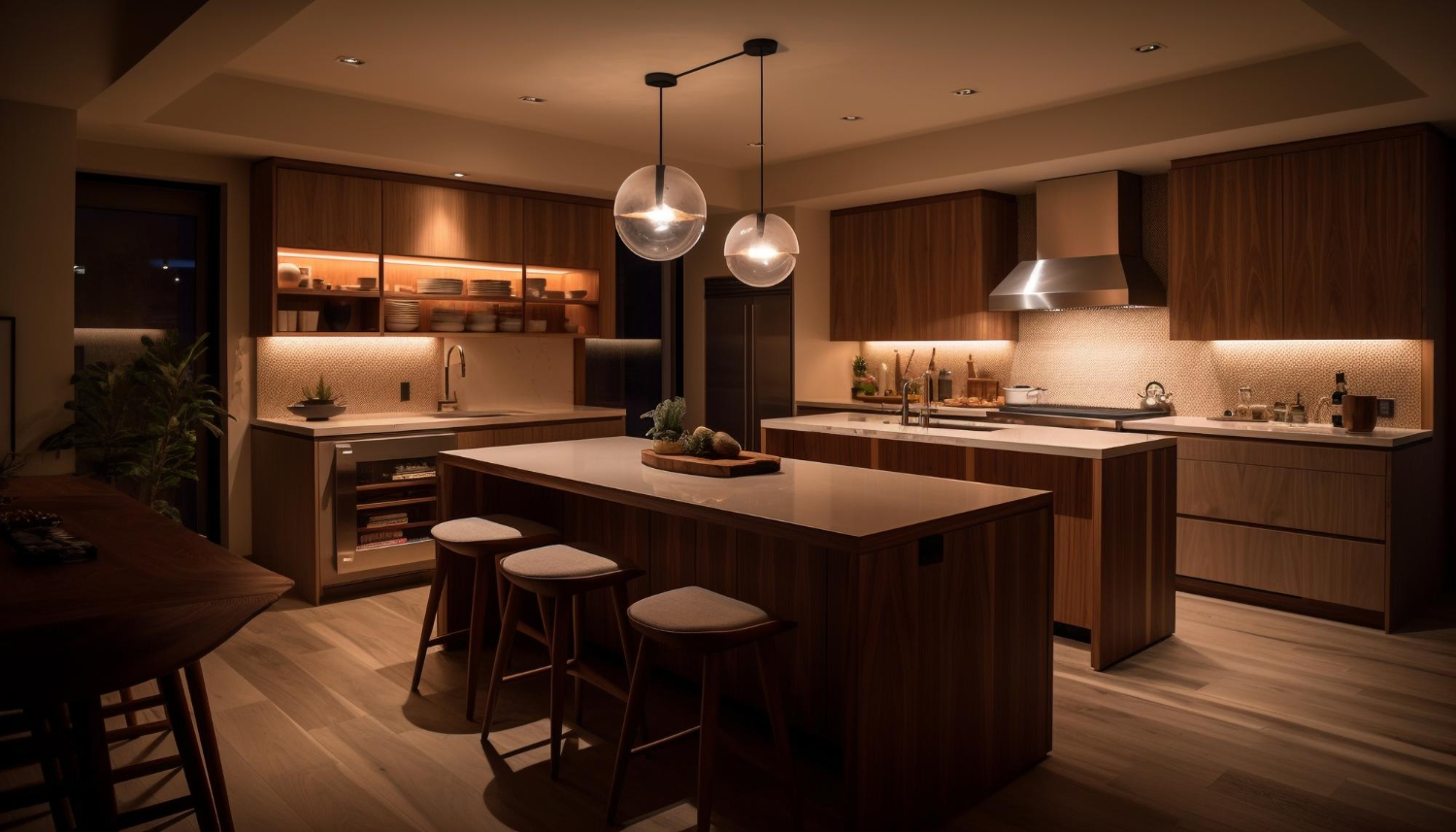
When remodeling a small kitchen, certain pitfalls can derail your project. Here are some common mistakes to avoid:
- Ignoring Workflow: Failing to plan for the kitchen work triangle (sink, stove, refrigerator) can lead to inefficiencies.
- Overlooking Storage: Not incorporating sufficient storage solutions can make your kitchen feel cluttered and cramped.
- Skimping on Lighting: Poor lighting can make a small kitchen feel even smaller. Ensure you have adequate task and ambient lighting.
- Choosing Trends Over Timelessness: Opting for trendy designs may lead to a quickly outdated kitchen. Focus on classic styles that will endure.
Insider Tips
To make the most of your small kitchen remodel, consider these insider tips:
- Use Light Colors: Light paint colors and finishes can create the illusion of a larger space.
- Incorporate Open Shelving: Open shelves can make a kitchen feel less closed in and provide easy access to frequently used items.
- Invest in Quality Fixtures: High-quality faucets and hardware can elevate the overall look without a complete remodel.
- Think Vertically: Utilize vertical space for storage and decor to maximize every inch of your kitchen.
By weighing your options carefully and avoiding common mistakes, you can create a small kitchen that is functional, stylish, and tailored to your needs.
Facts About Designing a Small Kitchen Remodel
Statistical Insights and Benefits
When considering a small kitchen remodel, several statistics and insights can guide homeowners in making informed decisions. A thoughtful approach can yield significant benefits, including cost savings, increased home value, and enhanced comfort.
1. Cost Savings
According to the National Kitchen and Bath Association (NKBA), homeowners can save up to 30% on their remodel costs by opting for a budget-friendly approach. Here are some cost-effective strategies:
- Refurbishing existing cabinets instead of replacing them
- Choosing laminate or vinyl flooring over hardwood or tile
- Installing energy-efficient appliances that can lower utility bills
2. Home Value Increase
A well-executed kitchen remodel can significantly increase the value of a home. The Remodeling 2022 Cost vs. Value Report indicates that minor kitchen remodels recoup about 72% of their costs upon resale. Key areas to focus on for maximum return include:
- Updating appliances
- Improving countertops
- Enhancing lighting fixtures
3. Improved Comfort and Functionality
Homeowners frequently report that a remodeled kitchen enhances their daily living experience. A survey by Houzz found that 90% of homeowners who remodeled their kitchens feel more satisfied with their space. Benefits include:
- Better organization and storage solutions
- Increased space for cooking and entertaining
- Improved aesthetics that create a welcoming environment
When to Start and What to Prioritize
Timing and prioritization are crucial in the remodeling process. Here’s when to start and what to focus on:
When to Start
- During Off-Peak Seasons: Late fall or winter is often less busy for contractors, which can lead to better rates and availability.
- When You Have a Clear Vision: Start when you have a solid plan and budget in place to avoid rushed decisions.
What to Prioritize
- Layout and Functionality: Ensure the kitchen layout promotes efficiency and ease of movement.
- Quality Materials: Invest in durable materials for countertops and flooring to withstand daily use.
- Lighting: Prioritize natural light and layered lighting options to create an inviting atmosphere.
- Storage Solutions: Incorporate innovative storage options to maximize space and organization.
Common Homeowner Insights from Forums
Homeowners often share valuable insights and experiences in online forums. Here’s a summary of common themes:
| Topic | Common Insights |
|---|---|
| Budgeting | Many recommend setting aside 20% of the budget for unexpected costs. |
| Design Choices | Neutral colors are favored for a timeless appeal, while bold accents can add character. |
| Contractor Selection | Homeowners stress the importance of checking references and reading reviews. |
| DIY vs. Professional | Many suggest tackling smaller tasks DIY but hiring professionals for plumbing and electrical work. |
By understanding these facts and insights, homeowners can approach their small kitchen remodel with confidence, ensuring a thoughtful and effective transformation.