
Designing an Energy-Efficient Kitchen Remodel
Why Energy Efficiency Matters
Energy efficiency in kitchen remodeling is not just a trend; it is a crucial consideration for homeowners looking to reduce their environmental footprint and save on utility bills. The kitchen is often the heart of the home, where families gather, meals are prepared, and energy consumption tends to be high. By focusing on energy-efficient design, homeowners can achieve multiple goals:
- Cost Savings: Energy-efficient appliances and fixtures can significantly lower monthly utility bills, providing long-term savings that offset initial investment costs.
- Environmental Impact: Reducing energy consumption helps decrease greenhouse gas emissions, contributing to a more sustainable future.
- Home Value: An energy-efficient kitchen can enhance property value, making it more attractive to potential buyers who prioritize sustainability.
Factors Influencing Energy-Efficient Kitchen Design
When planning an energy-efficient kitchen remodel, several factors come into play that can affect the overall design and execution of the project:
- Budget: Determine how much you are willing to invest. Energy-efficient options can sometimes have higher upfront costs, but they often pay off in the long run.
- Time: Remodeling can be time-consuming. Consider how long you can be without a functional kitchen and plan accordingly.
- Design Aesthetics: Energy efficiency does not mean sacrificing style. Many modern energy-efficient appliances and materials are designed to be visually appealing.
- Local Regulations: Be aware of building codes and regulations that may dictate certain energy standards or requirements in your area.
- Available Space: The layout and size of your kitchen will influence the types of energy-efficient solutions you can implement.

In summary, designing an energy-efficient kitchen remodel is a multifaceted process that requires careful consideration of various factors. By prioritizing energy efficiency, homeowners can create a functional, stylish, and sustainable kitchen that meets their needs while also benefiting the environment.
Key Aspects of Designing an Energy-Efficient Kitchen Remodel
1. Assess Your Current Energy Usage
Before embarking on a kitchen remodel, it is essential to assess your current energy usage. This evaluation will help you identify areas where you can improve efficiency.
- Energy Audit: Consider hiring a professional to conduct an energy audit. This can cost between $200 and $600 but can reveal significant savings opportunities.
- Utility Bills: Review your utility bills from the past year to identify peak usage times and high-cost appliances.
Example:
Many homeowners find that older refrigerators consume up to 50% more energy than newer models. By replacing an outdated appliance with an ENERGY STAR certified model, you can save an average of $200 annually on energy costs.
2. Choose Energy-Efficient Appliances
Investing in energy-efficient appliances is one of the most impactful choices you can make. These appliances are designed to use less energy while maintaining performance.
- Refrigerators: Look for models with the ENERGY STAR label. They use about 15% less energy than non-certified models.
- Ovens and Ranges: Induction cooktops are more energy-efficient than traditional electric or gas models, using about 10-20% less energy.
- Dishwashers: Modern dishwashers use as little as 3 gallons of water per cycle, compared to older models that may use up to 10 gallons.
Average Figures:
An ENERGY STAR certified refrigerator can save homeowners around $300 over its lifetime compared to a non-certified model.
3. Optimize Lighting Solutions
Lighting plays a crucial role in both energy consumption and kitchen ambiance. Transitioning to energy-efficient lighting can significantly reduce energy costs.
- LED Bulbs: Replace incandescent bulbs with LED options, which use up to 75% less energy and last 25 times longer.
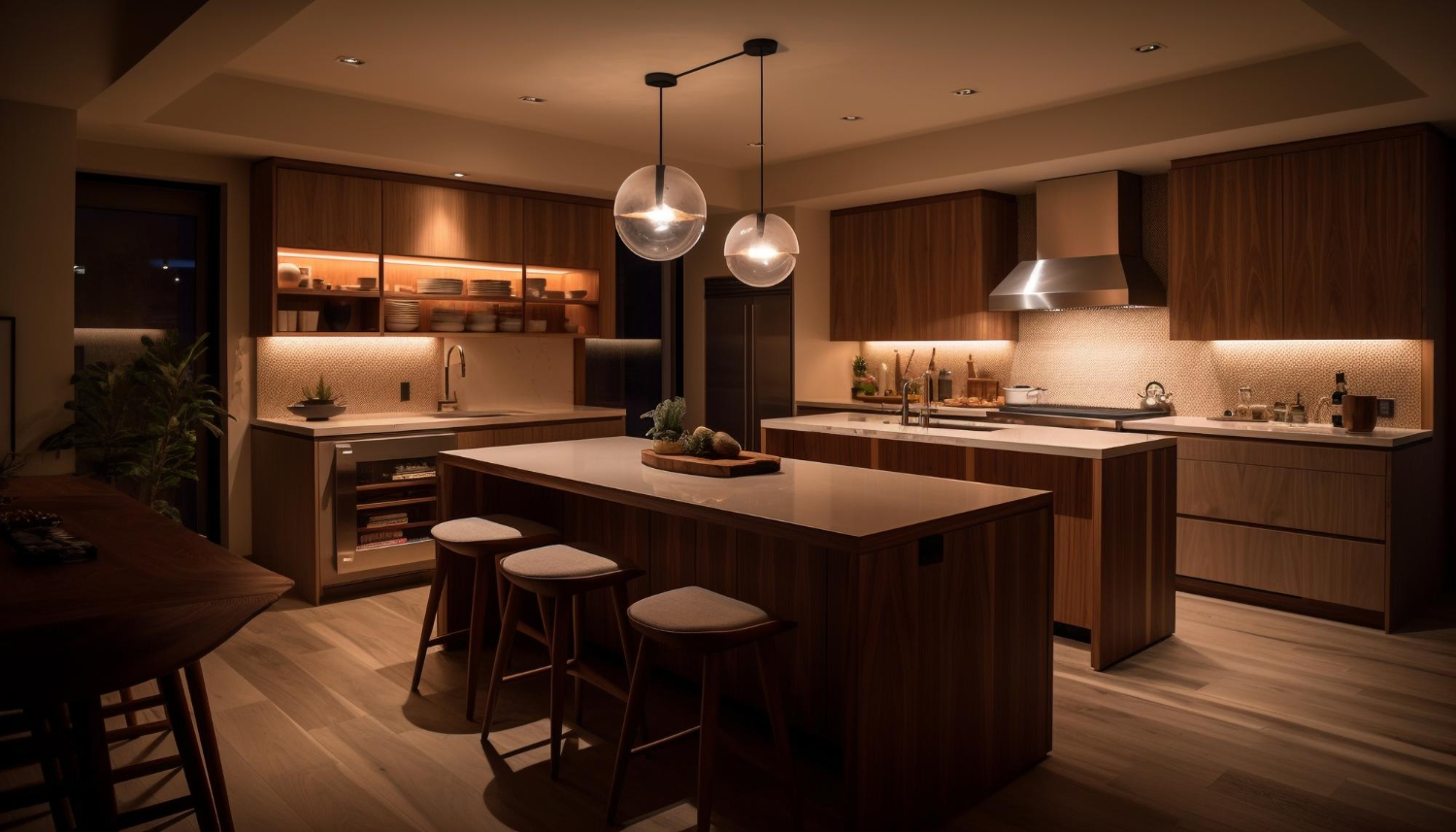
- Task Lighting: Implement under-cabinet lighting to improve visibility while cooking and reduce the need for overhead lights.
- Natural Light: Consider adding windows or skylights to utilize natural light, which can also enhance the kitchen’s aesthetic appeal.
Example:
Switching to LED bulbs can save an average household about $225 in energy costs over the lifespan of the bulbs.
4. Improve Insulation and Ventilation
Proper insulation and ventilation can significantly impact energy efficiency. This aspect often goes overlooked during kitchen remodels.
- Insulation: Ensure that walls, ceilings, and floors are well-insulated. Upgrading insulation can cost between $1.50 and $3.00 per square foot but can lead to substantial energy savings.
- Ventilation: Install energy-efficient exhaust fans to remove heat and moisture, which can help maintain a comfortable kitchen environment.
Potential Challenges:
Improving insulation may require additional construction work, which can extend the timeline of your remodel. Plan for potential disruptions.
5. Select Sustainable Materials
Choosing sustainable materials not only contributes to energy efficiency but also enhances the overall environmental impact of your remodel.
- Cabinets: Opt for cabinets made from recycled or sustainably sourced wood. Look for certifications like FSC (Forest Stewardship Council).
- Countertops: Consider materials like bamboo, recycled glass, or quartz, which offer durability and lower environmental impact.
- Flooring: Eco-friendly options such as cork or reclaimed wood can improve energy efficiency and provide a unique aesthetic.
Average Figures:
Sustainable materials may have a higher upfront cost, but they can lead to long-term savings through durability and lower maintenance needs.
6. Plan for Efficient Layout

An efficient kitchen layout can enhance functionality and energy efficiency. The design should minimize unnecessary movements and maximize workflow.
- Work Triangle: Follow the work triangle principle, ensuring that the stove, refrigerator, and sink are positioned within a reasonable distance of each other (typically 4 to 9 feet).
- Storage Solutions: Incorporate pull-out shelves and lazy Susans to make it easier to access ingredients and tools without excessive movement.
Timeline Considerations:
A well-planned layout may require additional time for design but can streamline the remodel process and improve efficiency once completed.
By focusing on these key aspects, homeowners can successfully design an energy-efficient kitchen remodel that meets their needs while promoting sustainability and cost savings.
Actionable Advice for Designing an Energy-Efficient Kitchen Remodel
1. DIY vs. Professional Help
Deciding whether to tackle your kitchen remodel as a DIY project or to hire professionals is a critical step that can impact both the budget and results.
| Aspect | DIY Approach | Professional Work |
|---|---|---|
| Cost | Generally lower; potential savings on labor | Higher; labor costs can be significant |
| Time | Can take longer due to inexperience | Typically quicker; professionals have experience and resources |
| Quality | Varies; depends on skill level | Generally higher; expertise leads to better results |
| Customization | More room for personal touches | Can offer tailored solutions based on experience |
Insider Tips:
– If you choose to DIY, start with smaller projects like painting or installing new hardware before moving to more complex tasks.
– Research local contractors and ask for multiple quotes if you opt for professional help.
2. Budget vs. Premium Remodel
Understanding the difference between a budget remodel and a premium remodel can help you set realistic expectations and allocate funds appropriately.
| Aspect | Budget Remodel | Premium Remodel |
|---|---|---|
| Cost | Typically under $20,000 | Can exceed $50,000 |
| Materials | Affordable options, possibly lower quality | High-end materials, custom designs |
| Appliances | Basic, energy-efficient models | Top-of-the-line, high-efficiency appliances |
| Design | Functional but less aesthetic focus | Highly aesthetic, tailored designs |
Common Mistakes to Avoid:
– Underestimating the budget: Always include a contingency of at least 10-20% for unexpected expenses.
– Focusing solely on aesthetics: Prioritize energy efficiency and functionality alongside looks.
3. Choosing the Right Materials
Selecting appropriate materials is crucial for both performance and sustainability.
- Countertops: Avoid cheap laminate options that may wear quickly. Instead, consider quartz or recycled glass for durability and aesthetics.
- Cabinets: Opt for solid wood or plywood instead of particleboard to ensure longevity and better air quality.
- Flooring: Choose sustainable materials like bamboo or cork, which are both eco-friendly and durable.
Insider Tips:
– Always request samples before making a final decision on materials to ensure they meet your expectations.
– Look for certifications like LEED or GREENGUARD for sustainable materials.
4. Lighting and Ventilation
Proper lighting and ventilation are often overlooked but are essential for energy efficiency.
- Lighting: Use a combination of ambient, task, and accent lighting to reduce energy use. LED lights are a great option.
- Ventilation: Consider energy-efficient range hoods and exhaust fans to improve air quality and reduce energy consumption.
Common Mistakes to Avoid:
– Neglecting natural light: Incorporate windows or skylights to reduce reliance on artificial lighting.
– Overlooking ventilation needs: Ensure proper airflow to maintain a comfortable cooking environment.
5. Planning for Future Needs
When remodeling, think about long-term usability and adaptability.
- Flexible Spaces: Design your kitchen with movable islands or adjustable shelving to accommodate future changes.
- Universal Design: Consider features that make the kitchen accessible for all ages, such as lower countertops or pull-out shelves.
Insider Tips:
– Consult with a kitchen designer to explore future-proof options that can save you from costly renovations down the line.
– Keep in mind the potential for technology upgrades, such as smart appliances, that can enhance energy efficiency.
By considering these actionable pieces of advice, homeowners can make informed decisions that lead to a successful energy-efficient kitchen remodel.
Facts About Designing an Energy-Efficient Kitchen Remodel
1. Energy Savings Potential
Investing in energy-efficient appliances and fixtures can lead to substantial savings on utility bills. According to the U.S. Department of Energy:
- Upgrading to ENERGY STAR certified appliances can save homeowners an average of $300 per year.
- Energy-efficient lighting can reduce lighting costs by up to 75% compared to traditional incandescent bulbs.
Statistical Insights:
– The average household spends about $2,200 annually on energy bills, with the kitchen accounting for a significant portion of that expense.
2. Increased Home Value
A well-planned energy-efficient kitchen remodel can enhance your home’s marketability. According to Remodeling Magazine’s Cost vs. Value Report:
- Homeowners can expect to recoup about 70-80% of their investment in a kitchen remodel when selling their home.
- Energy-efficient upgrades can increase the appeal of a home, particularly among eco-conscious buyers.
Market Trends:
– Homes with energy-efficient features tend to sell faster and at higher prices in competitive markets.
3. Improved Comfort and Functionality
A thoughtfully designed energy-efficient kitchen can significantly enhance comfort and usability.
- Proper insulation and ventilation can maintain a more stable temperature, reducing the need for heating and cooling.
- Energy-efficient layouts can improve workflow, making cooking and entertaining more enjoyable.
Benefits of Comfort:
– Homeowners often report greater satisfaction and a more pleasant cooking experience after remodeling their kitchens with energy efficiency in mind.
4. Common Advice from Homeowners
Many homeowners share their experiences and tips in online forums. Here are some common sentiments:
| Common Advice | Details |
|---|---|
| Start with an Energy Audit | Many recommend assessing current energy usage to identify the most impactful upgrades. |
| Focus on Quality over Quantity | Investing in high-quality appliances and materials pays off in the long run. |
| Plan for the Future | Homeowners advise considering future needs and potential family changes when designing. |
| Don’t Rush the Process | Take time to research and plan to avoid costly mistakes. |
Final Piece of Advice:
When considering a kitchen remodel, it’s worth starting when you can allocate sufficient time and funds to the project. Prioritize energy-efficient appliances and fixtures, as these will offer the most immediate return on investment through savings and comfort. Focus on creating a functional layout that enhances usability while incorporating sustainable materials that align with your long-term vision.