
How to Do a Pass-Through Kitchen Remodel
Why This Matters for Homeowners
A pass-through kitchen remodel can significantly enhance both the functionality and aesthetic appeal of your home. This type of renovation involves creating an opening between the kitchen and adjacent living spaces, fostering a more open and inviting atmosphere. For homeowners, this is not just about aesthetics; it’s also about improving the flow of daily activities and social interactions. Whether you’re cooking, entertaining, or simply spending time with family, a well-designed pass-through can make a world of difference.
Broader Factors Influencing a Pass-Through Kitchen Remodel
When considering a pass-through kitchen remodel, several key factors come into play:
- Budget: Remodeling a kitchen can be a significant financial investment. Costs can vary widely based on the extent of the remodel, materials used, and labor. It’s crucial to establish a clear budget upfront to avoid overspending.
- Time: The time required for a remodel can range from a few weeks to several months, depending on the complexity of the project. Homeowners should plan accordingly, especially if they rely on their kitchen for daily meals.
- Design: The design of the pass-through is critical. It should complement the existing layout while enhancing functionality. Consider factors such as counter space, seating arrangements, and the overall flow between the kitchen and living areas.
- Regulations: Depending on your location, there may be building codes and regulations that dictate how you can modify your home. Always check with local authorities to ensure compliance and avoid potential fines or issues down the line.
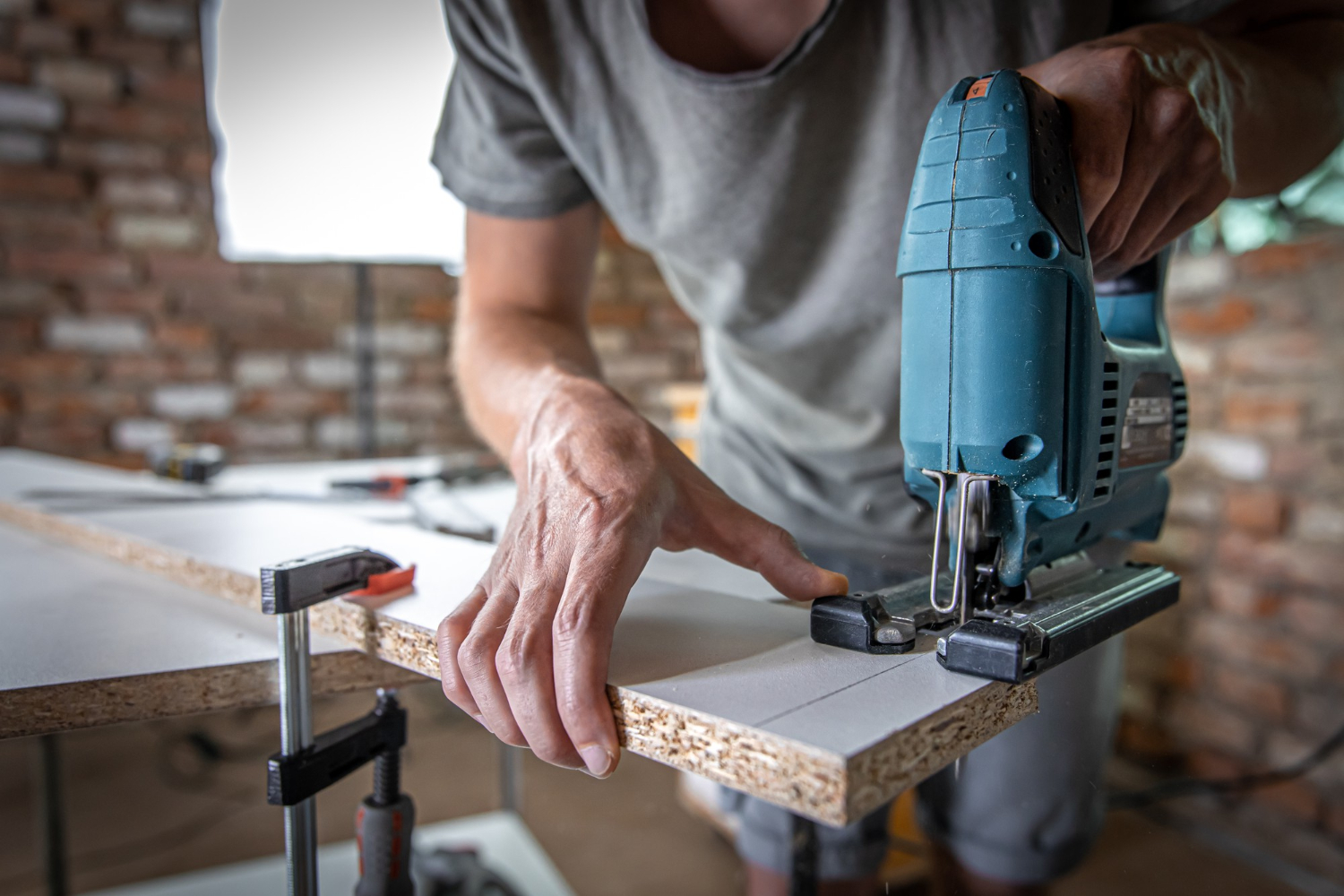
Understanding these factors can help homeowners make informed decisions, ensuring that their pass-through kitchen remodel meets their needs and enhances their living space effectively.
Steps to Execute a Pass-Through Kitchen Remodel
1. Planning and Design
The first step in a successful pass-through kitchen remodel is meticulous planning and design. This phase is crucial as it sets the foundation for everything that follows.
Assessing Your Space
Begin by evaluating your current kitchen layout. Consider the following:
- Dimensions of the kitchen and adjacent rooms
- Existing plumbing and electrical configurations
- Traffic flow and accessibility
For example, if your kitchen is 10×12 feet, think about how much space you want to allocate for the pass-through and whether it will impact your current layout.
Creating a Design
Once you have assessed your space, sketch out potential designs. Consider:
- Openings: Will it be a window-style pass-through or a full doorway?
- Counter space: Will you include a bar or seating area?
- Materials: What type of finishes and materials will you use?
Consulting with a professional designer can provide insights and ideas that you may not have considered. Design costs can range from $50 to $200 per hour, depending on the expertise of the designer.
2. Budgeting
Next, create a comprehensive budget. This should include all elements of the remodel:
- Construction costs
- Materials
- Labor
- Permits and inspections
On average, a pass-through kitchen remodel can cost between $5,000 to $20,000, depending on the scale and materials used. For instance, a simple opening with a countertop may cost less than a fully framed and finished pass-through with cabinetry.
3. Permits and Regulations
Before any physical work begins, check with local building authorities regarding required permits. This step is crucial to avoid potential legal issues later. Common permits needed might include:
- Structural modifications
- Electrical work
- Plumbing changes
Depending on your location, permit costs can range from $50 to several hundred dollars.
4. Demolition
Once permits are secured, the next phase is demolition. This step involves:
- Removing existing walls or cabinetry
- Clearing the area for new construction
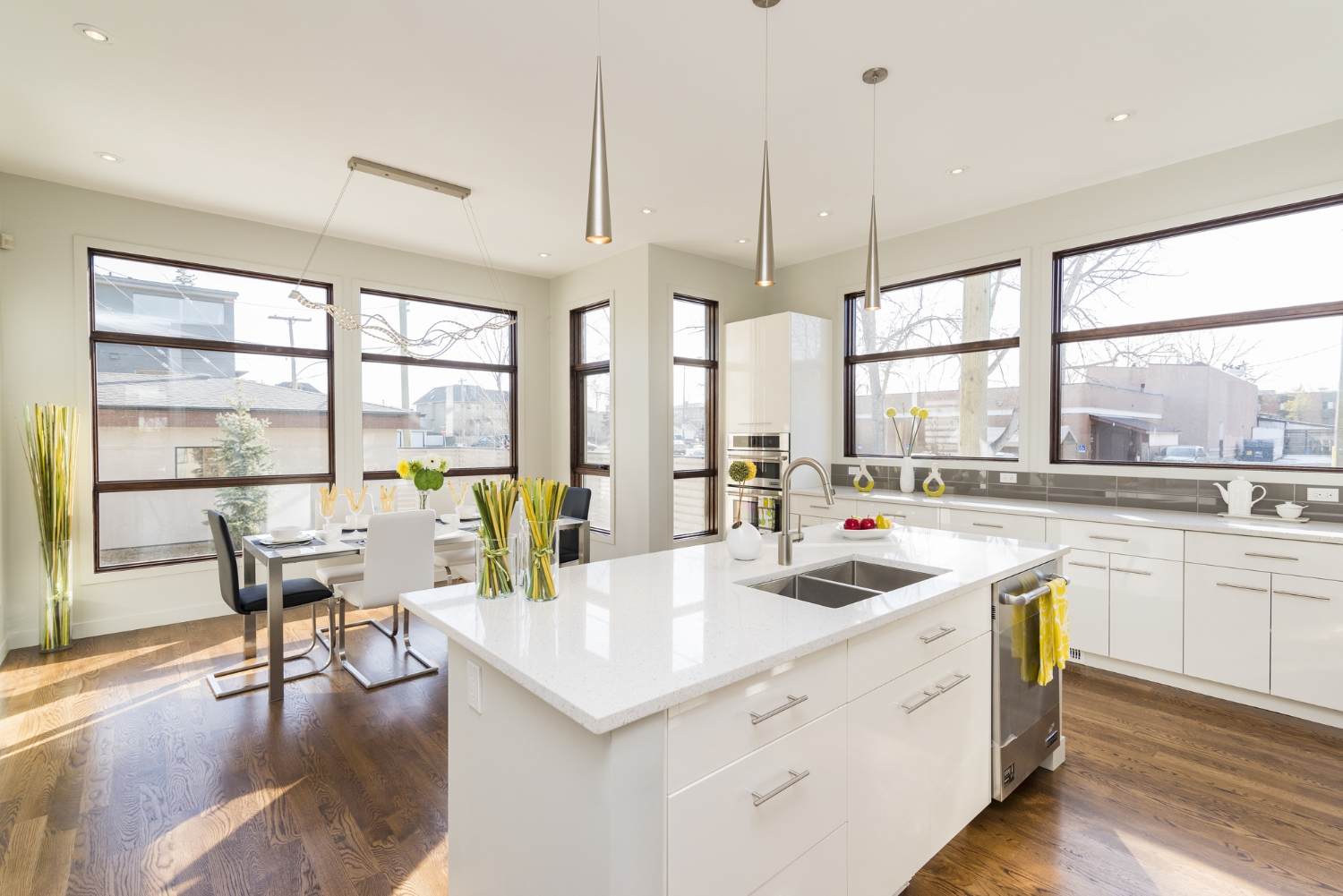
It’s essential to proceed cautiously, especially if the wall is load-bearing. Hiring a contractor for this phase can prevent costly mistakes. Demolition costs can range from $1,000 to $3,000, depending on the complexity.
5. Construction
With the old structures removed, it’s time for construction. This phase typically includes:
- Framing the new pass-through
- Installing electrical and plumbing as needed
- Adding drywall and finishes
Construction timelines can vary widely, but expect this phase to take anywhere from 2 to 6 weeks, depending on the complexity of the remodel.
6. Finishing Touches
Once the basic construction is complete, focus on the finishing touches, which can significantly impact the overall look and feel:
- Painting and wall treatments
- Countertop installation
- Lighting fixtures
- Decorative elements
Finishing touches can add an additional $1,500 to $5,000 to your budget, depending on your choices.
7. Final Inspection
After the remodel is complete, a final inspection is necessary to ensure everything complies with local regulations. This step is crucial for safety and compliance. Be prepared for potential adjustments based on feedback from inspectors.
Potential Challenges
Throughout the remodeling process, several challenges may arise:
- Unexpected structural issues, such as hidden plumbing or electrical lines
- Delays in material delivery
- Budget overruns due to unforeseen expenses
Having a contingency fund of around 10-20% of your total budget can help mitigate these challenges.
Actionable Advice for Your Pass-Through Kitchen Remodel
DIY vs. Professional Work
One of the first decisions you’ll face in your pass-through kitchen remodel is whether to take a DIY approach or hire professionals. Each option has its pros and cons.
DIY Approach
Choosing to do the work yourself can save money but requires a significant time investment and skill level. Consider the following:
- Pros:
- Cost savings on labor (typically 20-30% of total budget)
- Complete control over design and execution
- Cons:
- Time-consuming, potentially delaying project completion
- Risk of making costly mistakes
Professional Approach
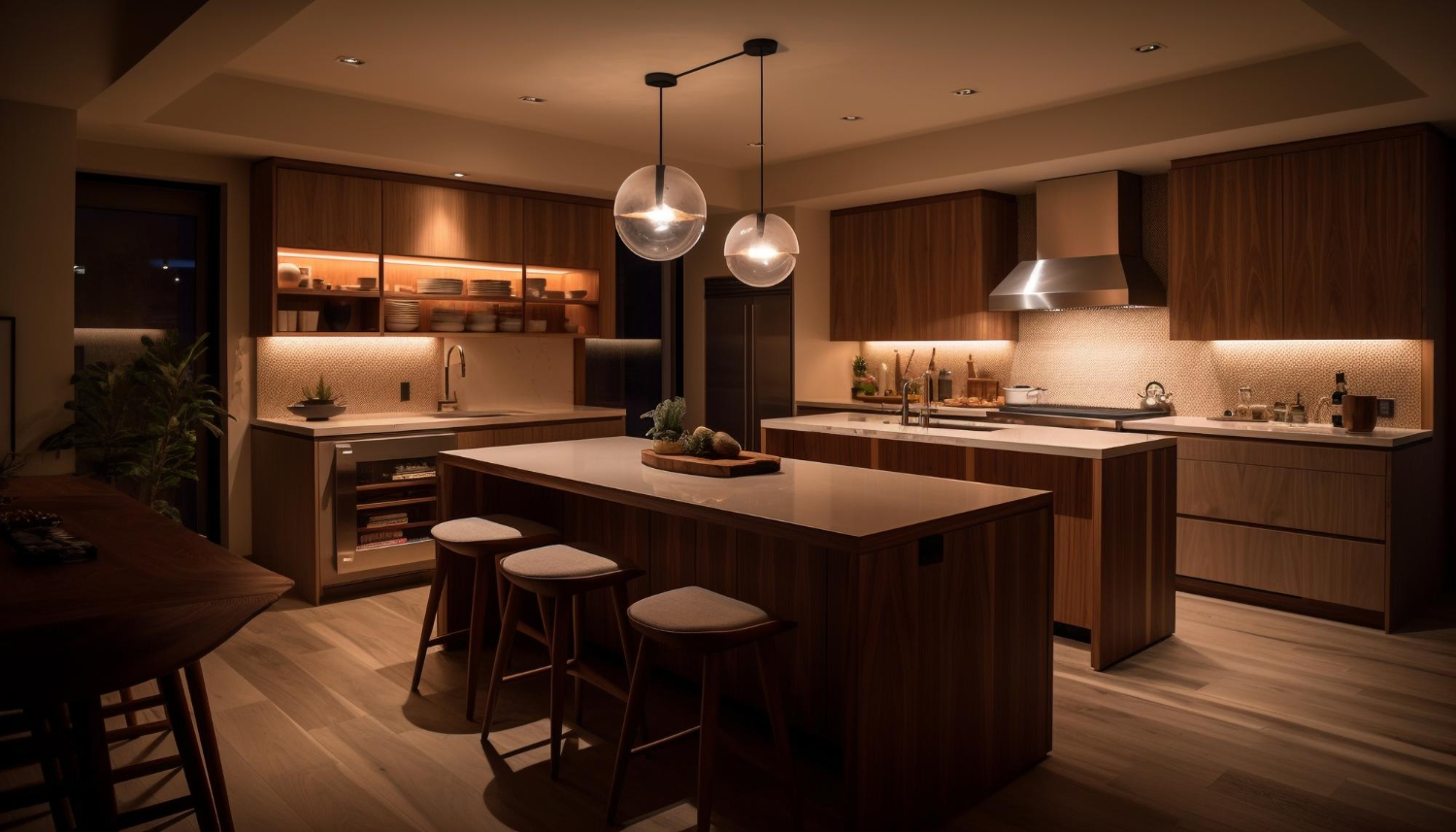
Hiring professionals can streamline the process and reduce the risk of errors. Here are some points to consider:
- Pros:
- Expertise in design and execution
- Access to quality materials and labor
- Faster project completion
- Cons:
- Higher costs (typically 20-50% more than DIY)
- Less control over the final design
| Aspect | DIY | Professional |
|---|---|---|
| Cost | Lower (20-30% savings) | Higher (20-50% increase) |
| Time | Longer, variable | Shorter, more predictable |
| Quality | Variable, depends on skill | Generally higher, due to expertise |
| Control | Full control | Less control, but can provide input |
Budget vs. Premium Remodel
Another critical decision is whether to go for a budget remodel or a premium one. Your choice will affect the materials, finishes, and overall outcome.
Budget Remodel
A budget remodel focuses on essential updates without breaking the bank:
- Cost: Typically ranges from $5,000 to $10,000.
- Materials: Opt for cost-effective materials like laminate countertops, stock cabinetry, and basic fixtures.
- Focus: Prioritize functionality and minor aesthetic upgrades.
Premium Remodel
A premium remodel offers high-end materials and finishes:
- Cost: Can range from $15,000 to $50,000 or more.
- Materials: Use high-quality materials like granite or quartz countertops, custom cabinetry, and designer fixtures.
- Focus: Emphasize both functionality and luxury aesthetics.
| Aspect | Budget Remodel | Premium Remodel |
|---|---|---|
| Cost | $5,000 – $10,000 | $15,000 – $50,000+ |
| Materials | Laminate, stock cabinetry | Granite, custom cabinetry |
| Focus | Functionality | Luxury aesthetics |
Common Mistakes to Avoid
When undertaking a pass-through kitchen remodel, avoiding common pitfalls can save you time and money:
- Ignoring Local Regulations: Always check for necessary permits and codes. Failing to do so can lead to costly fines.
- Underestimating Costs: Create a realistic budget that includes a contingency fund for unexpected expenses (10-20% of total budget).
- Neglecting Lighting: Proper lighting is essential in a kitchen. Plan for both task and ambient lighting to enhance functionality.
- Overlooking Workflow: Ensure your pass-through design maintains an efficient workflow. The kitchen work triangle (sink, stove, refrigerator) should remain optimal.
Insider Tips
Here are some expert tips to ensure a successful remodel:
- Consult with a Designer: Even if you’re going DIY, a consultation can provide valuable insights and help prevent costly mistakes.
- Choose Timeless Designs: Opt for classic styles and finishes that won’t quickly go out of fashion, ensuring longevity.
- Invest in Quality Fixtures: High-quality plumbing and electrical fixtures can save you money on repairs in the long run.
- Plan for Storage: Incorporate ample storage solutions in your design to maximize space efficiency.
Facts About Pass-Through Kitchen Remodels
Statistical Insights
Understanding the statistics around kitchen remodels can guide homeowners in making informed decisions about a pass-through kitchen remodel.
- According to the National Association of Realtors (NAR), kitchen remodels can yield an average return on investment (ROI) of approximately 70-80% when selling a home.
- The Remodeling 2023 Cost vs. Value Report indicates that a mid-range kitchen remodel typically costs around $28,000, while upscale remodels can exceed $75,000.
- HomeAdvisor reports that homeowners can save between 15-30% on labor costs by opting for a DIY approach, but this requires a significant time commitment and skill level.
- A survey by Houzz found that 40% of homeowners who remodeled their kitchens reported an increase in family interaction and comfort.
Benefits of a Thoughtful Approach
Taking a thoughtful approach to your pass-through kitchen remodel can yield significant benefits:
- Saving Money: By planning carefully and sticking to a budget, homeowners can avoid overspending. Allocating funds for essential upgrades while keeping luxury items in check can maximize the impact of the remodel.
- Adding Home Value: A well-executed kitchen remodel can significantly enhance your home’s market value. The NAR suggests that a modernized kitchen is a top priority for potential buyers.
- Improving Comfort: A pass-through kitchen design fosters a more open and inviting environment, improving the overall comfort of your living space. Homeowners often report that this layout enhances both cooking and socializing experiences.
When to Start and What to Prioritize
Timing and prioritization are crucial when planning your remodel:
- Start During Off-Peak Seasons: The best time to begin your remodel is during the off-peak seasons (late fall or winter) when contractors may be more available and materials may be on sale.
- Prioritize Structural Changes: Focus first on any structural changes, such as removing walls or adding support beams, before moving on to finishes and appliances.
- Invest in Quality Over Quantity: Prioritize high-quality materials for key elements like countertops and cabinetry, as these will have the most significant impact on both functionality and aesthetics.
Common Homeowner Feedback
Homeowners often share their experiences and advice in forums. Here’s a summary of what they commonly say:
| Feedback Category | Common Comments |
|---|---|
| Budgeting | “Always set a budget and stick to it. Unexpected costs can add up quickly.” |
| Design | “Consider how the pass-through will affect the flow of your home. Open concepts are great!” |
| DIY vs. Professional | “If you’re not skilled, hire a pro. It’s worth the investment to avoid mistakes.” |
| Functionality | “Make sure to plan for adequate storage. It’s easy to overlook, but crucial for a functional kitchen.” |
| Timing | “Starting during the winter saved us money on labor and materials.” |