
How to Eat During a Kitchen Remodel
Why This Question Matters
Remodeling a kitchen can be an exciting yet chaotic time for homeowners. It’s often the heart of the home, where meals are prepared, families gather, and memories are made. However, when this essential space is undergoing renovation, the question of how to manage meals becomes critical. This situation can significantly impact daily life, and planning ahead can save you from a lot of frustration.
Broader Factors Influencing Meal Management
When considering how to eat during a kitchen remodel, several factors come into play:
- Money: Remodeling can be expensive, and you may not want to spend a fortune on takeout during the process. Budgeting for meals is essential to avoid overspending.
- Time: With contractors in your home, your schedule may be disrupted. You might find yourself short on time to prepare meals, making it necessary to have quick and easy options available.
- Design: Depending on the extent of your remodel, you may have limited access to appliances, counter space, and storage. This can affect what and how you can cook.
- Regulations: Local building codes and regulations may dictate certain safety measures that can impact your meal preparation options. For instance, if your kitchen is completely torn apart, you may not have access to running water, which is crucial for cooking and cleaning.

With these factors in mind, it’s essential to create a meal plan that accommodates your new reality. Whether it involves setting up a temporary kitchen in another room, relying on convenience foods, or planning for takeout, being proactive will make the remodeling process smoother and less stressful.
How to Eat During a Kitchen Remodel
Planning Your Meals
When embarking on a kitchen remodel, the first step is to plan your meals. This planning is crucial, as it can help you avoid last-minute scrambles for food. Here are some strategies to consider:
1. Assess Your Cooking Capabilities
Before you start, evaluate what cooking facilities you will have during the remodel. If you have a separate area with a microwave, toaster oven, or slow cooker, you can prepare some meals. If you have no access to these appliances, you will need to rely on alternatives.
2. Create a Meal Plan
Drafting a meal plan for the duration of the remodel can streamline your food preparation. Consider the following:
- Duration of the Remodel: If your remodel is expected to last two weeks, plan meals accordingly. Aim for simple recipes that require minimal cooking.
- Use of Convenience Foods: Stock up on frozen meals, canned goods, and pre-packaged items. These can be lifesavers when you have limited cooking options.
- Batch Cooking: If you have a few days before the remodel begins, prepare and freeze meals in advance. This can include soups, casseroles, and stews that can be easily reheated.
Temporary Kitchen Setup
Creating a temporary kitchen can make a significant difference during your remodel. Here’s how to set one up:
1. Choose an Alternative Space
Identify a space in your home where you can set up a temporary kitchen. This could be a dining room, garage, or even a basement. Ensure that it has access to electrical outlets if you plan to use appliances.
2. Gather Essential Appliances
Depending on the space you choose, gather the following appliances:
- Microwave
- Toaster oven
- Slow cooker or Instant Pot
- Electric kettle
These appliances can help you prepare a variety of meals without needing a full kitchen setup.
3. Keep Cooking Tools Handy
Make sure to have essential cooking tools accessible in your temporary kitchen:
- Cutting board
- Knives
- Pots and pans (if applicable)
- Dishes and utensils
Keeping these items organized can help streamline the cooking process.
Meal Preparation Strategies
With limited resources, you need to be strategic about meal preparation. Here are some effective strategies:
1. Embrace No-Cook Meals

No-cook meals can save time and effort. Some ideas include:
- Salads with pre-cooked proteins like rotisserie chicken or canned beans
- Sandwiches or wraps with deli meats and cheese
- Fruit and yogurt bowls
These options are quick to prepare and require minimal cleanup.
2. Plan for Takeout
While takeout can be expensive, it can also be a practical choice during a remodel. Consider the following:
- Set a budget for takeout meals. For instance, allocating $50-$100 per week can help manage costs.
- Explore local restaurants that offer meal deals or family packs, which can be more economical.
- Keep a list of nearby restaurants that deliver to minimize the hassle of finding food.
3. Utilize Outdoor Cooking
If you have outdoor space, consider using a grill or portable camping stove. This can expand your cooking options:
- Grill meats and vegetables for easy meals.
- Prepare skewers or foil packets for minimal cleanup.
Just ensure you follow safety guidelines when cooking outdoors.
Managing Food Storage
With a kitchen remodel, food storage can become a challenge. Here are some tips:
1. Organize Your Refrigerator
If your refrigerator is still functional, organize it efficiently:
- Label containers with meal prep items to make it easy to find ingredients.
- Use clear bins for easy visibility of snacks and easy meals.
2. Consider a Cooler
If your refrigerator is inaccessible, using a cooler can help keep perishables fresh:
- Stock it with ice packs to maintain a low temperature.
- Limit the number of times you open the cooler to retain cold air.
Potential Challenges
Be prepared for challenges that may arise during your kitchen remodel:
1. Limited Access to Water
If your remodel involves plumbing work, you may have limited or no access to running water. This can complicate meal preparation and cleanup:
- Fill containers with water before the remodel begins for cooking and cleaning.
- Use disposable plates and utensils to minimize cleanup.
2. Disruptions from Contractors
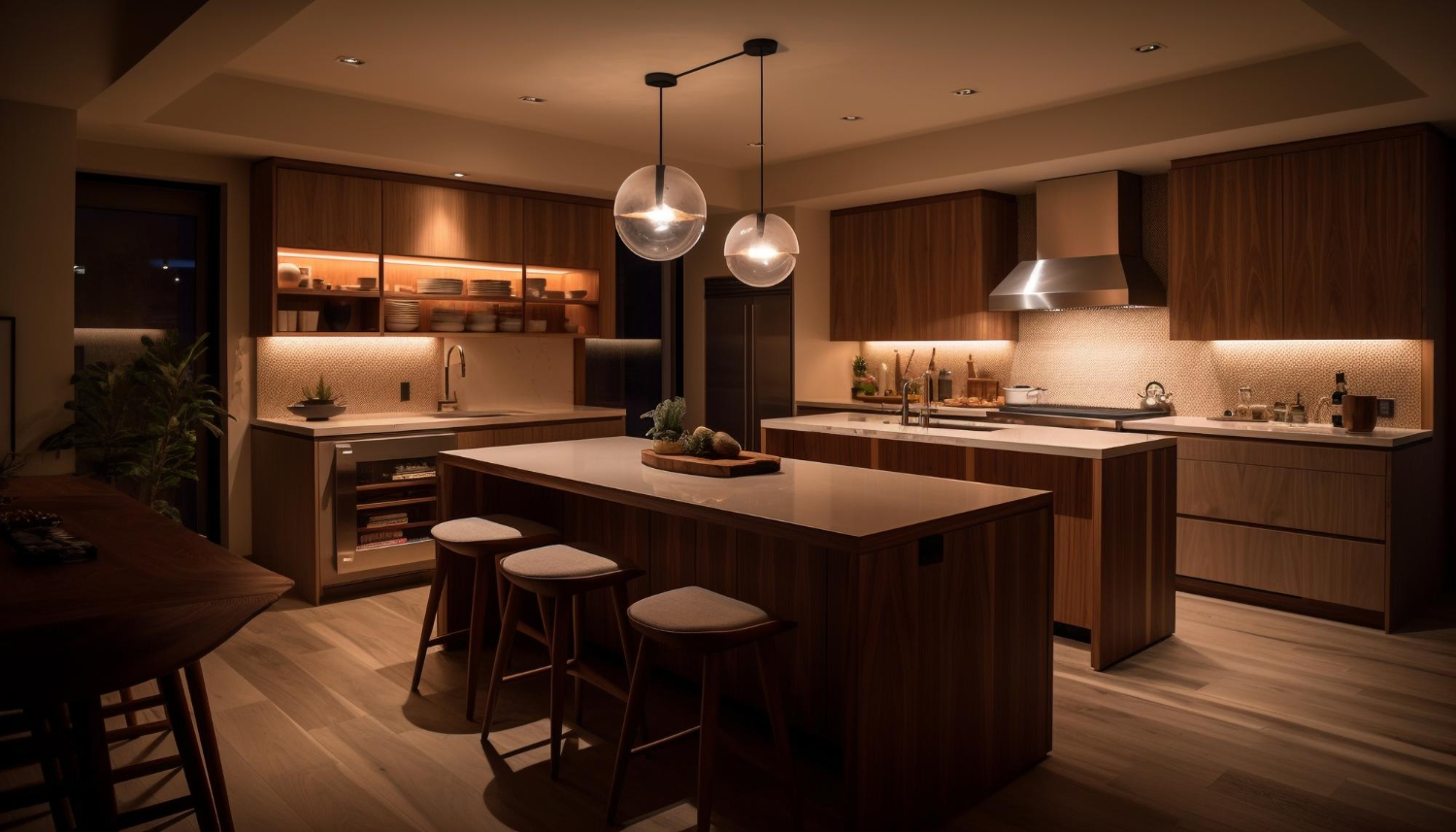
Contractors may be in and out of your home, which can disrupt meal times:
- Coordinate with your contractors to understand their schedule. This can help you plan your meals around their work hours.
- Consider preparing meals in advance to avoid interruptions.
Actionable Advice for Eating During a Kitchen Remodel
Common Approaches: DIY vs. Professional Work
When planning a kitchen remodel, homeowners often face the decision of whether to tackle the project themselves or hire professionals. Each approach has its advantages and disadvantages, especially when it comes to meal planning during the remodel.
DIY Remodeling
- Pros:
- Cost savings: Doing the work yourself can significantly reduce labor costs.
- Control: You have complete control over the design and timeline.
- Cons:
- Time-consuming: DIY projects can take longer than anticipated, impacting meal prep.
- Skill level: Lack of experience may lead to mistakes that require professional correction.
Professional Remodeling
- Pros:
- Efficiency: Professionals can complete the work faster, minimizing the disruption to your kitchen.
- Expertise: Skilled contractors can handle complex tasks that may be beyond a DIYer’s capabilities.
- Cons:
- Higher costs: Hiring professionals can significantly increase the overall budget.
- Less control: You may have to compromise on design choices based on contractor recommendations.
Budget vs. Premium Remodel
Your budget will also dictate your approach to meal management during the remodel. Here’s a comparison of budget-friendly versus premium remodels:
| Aspect | Budget Remodel | Premium Remodel |
|---|---|---|
| Cost | Typically under $15,000 | Can exceed $50,000 |
| Materials | Basic materials like laminate and stock cabinets | High-end materials like granite and custom cabinetry |
| Design | Functional but may lack aesthetic appeal | Focus on both function and aesthetics |
| Timeline | May take longer due to budget constraints | Typically completed faster with a professional team |
Mistakes to Avoid
Avoiding common pitfalls can make your kitchen remodel and meal planning much smoother:
1. Underestimating the Timeline
Many homeowners underestimate how long a remodel will take. Here are some tips:
- Consult with professionals to get a realistic timeline.
- Factor in unexpected delays, such as shipping issues for materials.
2. Ignoring Meal Prep Needs
Don’t overlook your meal preparation needs during the remodel:
- Create a meal prep schedule that aligns with the remodel timeline.
- Stock up on easy-to-prepare foods before the work begins.
3. Not Communicating with Contractors
Communication is key when working with contractors:
- Set clear expectations about your meal needs and schedule.
- Discuss any disruptions that may affect your cooking capabilities.
Insider Tips for Smooth Meal Management
Here are some insider tips to help you navigate meal planning during your kitchen remodel:
1. Set Up a Snack Station
Designate a specific area for snacks and easy-to-eat meals:
- Keep healthy snacks like fruits, nuts, and granola bars easily accessible.
- Store quick meal options like canned soups and microwaveable rice.
2. Utilize Food Delivery Services
Consider using food delivery services to ease the burden of cooking:
- Many meal kit services can provide pre-portioned ingredients and recipes.
- Look for local restaurants that offer delivery or meal prep services.
3. Prepare for Cleanup
With limited kitchen facilities, cleanup can become a hassle:
- Use disposable plates and utensils to minimize washing dishes.
- Have a designated trash area to keep things organized and tidy.
By keeping these actionable steps in mind, you can better manage your meals during a kitchen remodel while navigating the challenges that come with it.
Facts About Eating During a Kitchen Remodel
Statistical Insights
Understanding the statistics surrounding kitchen remodels can help homeowners make informed decisions about meal planning during the renovation process. Here are some key facts:
- Average Cost: According to the National Kitchen and Bath Association (NKBA), the average kitchen remodel costs around $25,000, but can vary widely depending on the scope of the project.
- Time Investment: A typical kitchen remodel can take anywhere from 6 to 12 weeks, with some projects extending even longer due to unforeseen issues.
- Return on Investment: Remodeling Magazine reports that a minor kitchen remodel can recoup about 81% of its costs upon resale, while a major remodel can recoup around 60%.
Benefits of a Thoughtful Approach
Taking a thoughtful approach to meal planning during your kitchen remodel can yield several benefits:
1. Saving Money
Planning meals effectively can help you avoid overspending on takeout and convenience foods. By preparing in advance, homeowners can:
- Limit the frequency of dining out, which can average $15-$30 per meal.
- Utilize bulk purchasing for ingredients, reducing overall costs.
2. Adding Home Value
Investing in a kitchen remodel can significantly increase the value of your home. A well-planned kitchen not only enhances aesthetics but also functionality, making it more appealing to potential buyers.
- A modernized kitchen can attract buyers, leading to quicker sales.
- Upgraded appliances and finishes can justify a higher asking price.
3. Improving Comfort
A kitchen remodel can enhance your living experience, making meal preparation more enjoyable. Benefits include:
- Better layout and organization can streamline cooking processes.
- Modern appliances can improve efficiency and reduce cooking time.
Final Piece of Advice
When planning your kitchen remodel, consider starting the process at a time that minimizes disruption to your daily routine. Here are some priorities to keep in mind:
- Begin planning during a season when you typically cook less, such as summer.
- Prioritize essential elements like appliances and countertops to ensure you have functional cooking capabilities.
- Consider setting up a temporary kitchen early in the process to ease the transition.
Common Insights from Homeowners
Homeowners often share their experiences and tips in online forums. Here’s a summary of what they commonly say:
| Common Insight | Details |
|---|---|
| Plan Ahead | Many recommend preparing meals in advance and freezing them to avoid the hassle of last-minute cooking. |
| Set a Budget | Homeowners emphasize the importance of budgeting for meals during the remodel to avoid overspending. |
| Communicate with Contractors | Effective communication with contractors about meal needs can help minimize disruptions. |
| Utilize Outdoor Cooking | Grilling or using a portable stove can provide alternative cooking options during the remodel. |
| Stay Flexible | Homeowners advise being adaptable to changes in the timeline and meal plans due to unexpected delays. |