
How to Fix Food at Home While Remodeling Your Kitchen
Why This Question Matters
Remodeling a kitchen is a significant undertaking that often involves a complete overhaul of the space where meals are prepared and shared. For homeowners, the question of how to fix food during this time is not merely a matter of convenience; it touches on various broader factors that can impact daily life, budget, and overall satisfaction with the home.
Financial Considerations
One of the primary reasons this question is crucial is the financial aspect. Kitchen remodels can be costly, often ranging from a few thousand to tens of thousands of dollars. Homeowners need to balance their budget for renovations while still managing their day-to-day food needs. The cost of dining out can quickly add up, leading many to seek ways to prepare meals at home, even in a less-than-ideal kitchen setup.
Time Constraints
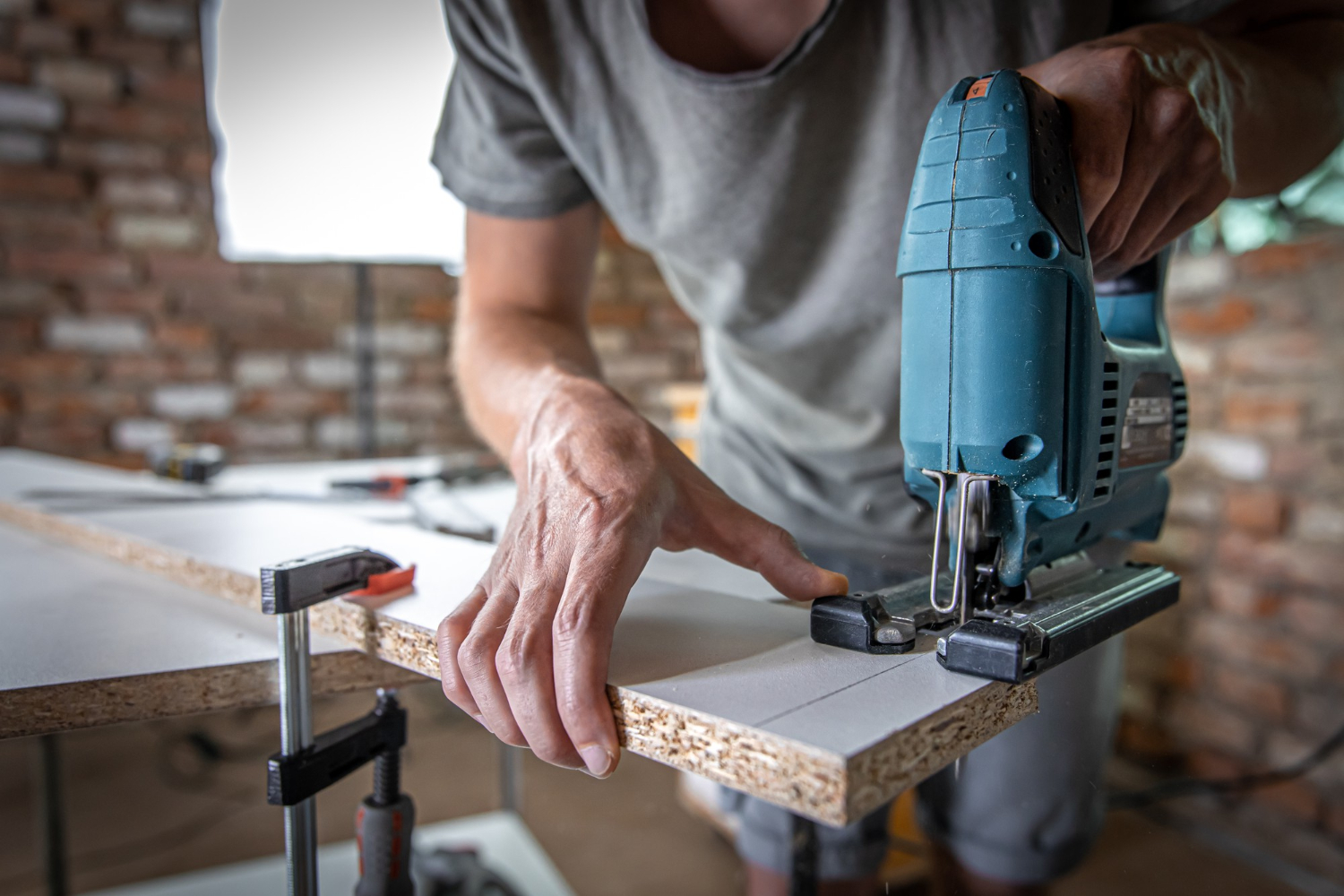
Time is another critical factor. Kitchen remodels can take weeks or even months, depending on the scope of the project. Homeowners may find themselves juggling work, family, and the renovation process, making it essential to have a plan for meal preparation that is efficient and practical. The last thing anyone wants is to waste precious time figuring out how to cook in a half-finished kitchen.
Design and Space Limitations
The design of the remodel can also influence how food is prepared. Temporary setups may need to be created in other areas of the home, such as living rooms or dining areas. Homeowners must consider the layout and accessibility of these spaces to ensure that meal prep is as smooth as possible. This can involve using appliances that are not typically used for cooking, such as microwaves or slow cookers, which may require careful planning and organization.
Regulatory Factors
Lastly, it’s important to consider any regulations that may affect cooking during a remodel. For example, if you’re doing extensive work that involves plumbing or electrical changes, it may not be safe or legal to use certain appliances until the work is completed. Homeowners should be aware of these regulations to avoid fines or unsafe cooking conditions.
Summary of Broader Influences
In summary, the question of how to fix food at home while remodeling the kitchen is multifaceted. Homeowners must navigate financial limitations, time constraints, design challenges, and regulatory considerations. Each of these factors plays a crucial role in determining how successfully meals can be prepared during a kitchen renovation. Addressing these elements head-on will help ensure that cooking remains manageable, even amid the chaos of remodeling.
How to Fix Food at Home While Remodeling Your Kitchen
Planning Your Temporary Kitchen Setup
When embarking on a kitchen remodel, the first step is to plan a temporary kitchen setup. This can alleviate stress and ensure that meal preparation continues smoothly. Here are the essential steps to consider:
1. Identify a Temporary Cooking Space
Choose a location in your home where you can set up a temporary kitchen. Common options include:
- Dining room
- Living room
- Basement or garage
Make sure the space is clean, accessible, and has enough room for essential appliances.
2. Gather Essential Appliances
Identify which appliances you will need for cooking. Consider the following:
- Microwave
- Slow cooker
- Electric skillet
- Toaster oven
- Hot plate
These appliances can help you prepare a variety of meals without needing a full kitchen. For example, a slow cooker can be used to prepare stews, soups, or casseroles with minimal effort.
3. Create a Functional Workspace
Set up a designated area for meal preparation. This should include:
- Counter space for chopping and assembling meals
- A table or cart for holding appliances
- Storage for utensils and cookware
Using a folding table can be a practical solution for maximizing space.
Meal Planning and Preparation

Once you have your temporary kitchen set up, meal planning becomes essential. Here are some strategies to keep in mind:
1. Plan Simple, Quick Meals
During a remodel, focus on meals that require minimal steps and time. Consider:
- Sandwiches and wraps
- Pre-packaged salads
- Microwaveable rice or pasta
- Stir-fries with pre-cut vegetables
These options can be prepared quickly and require little cleanup.
2. Batch Cooking
Batch cooking can save time and effort. Prepare larger quantities of meals and store them in individual portions. Some ideas include:
- Chili or soup
- Casseroles
- Grains like quinoa or brown rice
You can freeze these meals for later use, ensuring you have ready-to-eat options when needed.
3. Utilize Convenience Foods
Don’t hesitate to use convenience foods to make meal preparation easier. Examples include:
- Frozen vegetables
- Pre-marinated proteins
- Store-bought sauces
These can significantly reduce cooking time and effort.
Managing Time and Resources
Time management is crucial during a kitchen remodel. Here are some tips to help you stay organized:
1. Create a Meal Schedule
Develop a weekly meal schedule to keep track of what you’ll be cooking. This can help you avoid last-minute decisions and reduce stress. A simple format could include:
- Monday: Slow cooker chili
- Tuesday: Stir-fried vegetables with rice
- Wednesday: Sandwich night
- Thursday: Pasta with store-bought sauce
- Friday: Pizza night (use pre-made crust)
2. Set Time Limits for Cooking
Limit your cooking time to avoid frustration. Aim for meals that can be prepared in 30 minutes or less. This will help you maintain a sense of normalcy during the remodeling process.
Challenges to Anticipate

While remodeling, you may encounter several challenges that can impact meal preparation. Here are some common issues and how to address them:
1. Limited Access to Ingredients
With a remodel, you may find it challenging to access your pantry or refrigerator. To mitigate this:
- Keep a small supply of essential ingredients in your temporary kitchen.
- Utilize a cooler for perishable items if your fridge is unavailable.
2. Increased Cleanup
Cooking in a temporary setup can lead to increased cleanup. To simplify this:
- Use disposable plates and utensils when possible.
- Clean as you go to keep the workspace manageable.
3. Noise and Disruption
Remodeling can be noisy and disruptive, making cooking less enjoyable. To cope with this:
- Try to schedule meal prep during quieter times of the day.
- Use noise-canceling headphones if necessary.
By planning carefully and adapting your cooking strategies, you can effectively manage meal preparation during your kitchen remodel. This approach will help keep your household running smoothly while you work towards your dream kitchen.
Actionable Advice for Fixing Food at Home While Remodeling Your Kitchen
Choosing Between DIY and Professional Work
When remodeling your kitchen, one of the first decisions you’ll face is whether to tackle the project yourself or hire professionals. Each approach has its pros and cons.
DIY Remodeling
Doing it yourself can save money, but it requires time, skills, and careful planning. Consider the following:
- Cost savings: DIY can reduce labor costs significantly, often saving 20-30% of the total budget.
- Personalization: You have full control over design choices and materials.
- Learning experience: You can gain valuable skills and knowledge.
However, be aware of the challenges:
- Time commitment: DIY projects can take longer than anticipated, especially if you lack experience.
- Quality risks: Poor workmanship can lead to costly mistakes.
Professional Remodeling
Hiring professionals can ensure a high-quality finish but comes at a premium. Here are some benefits:
- Expertise: Professionals bring experience and knowledge, reducing the risk of errors.
- Time efficiency: They can complete the project faster than most homeowners.
- Access to resources: Professionals often have connections for better materials and pricing.
However, consider the downsides:
- Higher costs: Labor can account for 20-35% of the overall budget.
- Less control: You may have to compromise on certain design aspects.
Budget vs. Premium Remodel
Another critical decision is the level of investment you want to make in your kitchen remodel. Here’s a comparison of budget and premium remodels:
| Aspect | Budget Remodel | Premium Remodel |
|---|---|---|
| Cost | $10,000 – $25,000 | $25,000 – $100,000+ |
| Materials | Stock cabinets, laminate countertops | Custom cabinets, granite or quartz countertops |
| Appliances | Basic, energy-efficient models | High-end, smart appliances |
| Design | Functional but basic layout | Custom designs with high-end finishes |
| Return on Investment | 70-80% on resale | 60-70% on resale |
Mistakes to Avoid
Navigating a kitchen remodel can be tricky. Here are common mistakes to avoid:
- Neglecting a realistic budget: Always account for unexpected costs, which can add 10-20% to your initial estimate.
- Overlooking functionality: Focus on how the kitchen will be used, not just aesthetics.
- Ignoring timelines: Be realistic about how long the remodel will take and plan meals accordingly.
- Skipping permits: Ensure you have the necessary permits for any major work to avoid fines.
Insider Tips for a Smooth Experience
To make your kitchen remodel more manageable, consider these insider tips:
- Communicate clearly with contractors: Set expectations and timelines upfront to avoid misunderstandings.
- Document everything: Keep a record of all communications, contracts, and receipts for accountability.
- Prioritize essential repairs: Focus on structural issues before cosmetic changes to avoid future problems.
- Have a backup plan: Prepare for potential delays by having alternative meal options available.
- Incorporate smart technology: Consider smart appliances that can help streamline meal prep and monitoring.
By weighing your options carefully and avoiding common pitfalls, you can navigate the complexities of preparing food at home during a kitchen remodel. Prioritizing planning, budgeting, and communication will help ensure that the process is as smooth and efficient as possible.
Facts About Fixing Food at Home While Remodeling Your Kitchen
Statistical Insights
Understanding the impact of kitchen remodeling on meal preparation can help homeowners make informed decisions. Here are some key statistics and insights from authoritative sources:
1. Kitchen Remodel Costs
According to the National Kitchen and Bath Association (NKBA), the average kitchen remodel costs between $20,000 and $50,000, depending on the scope and materials. A thoughtful approach can help manage these costs effectively.
2. Return on Investment
Remodeling Magazine’s Cost vs. Value report indicates that homeowners can expect a return on investment (ROI) of approximately 70-80% for a minor kitchen remodel. This makes it one of the most valuable home improvements.
3. Meal Preparation Efficiency
A survey by the American Institute of Architects (AIA) found that 35% of homeowners prioritize improving kitchen functionality during a remodel. A well-designed kitchen can significantly enhance meal preparation efficiency, leading to quicker cooking times and less stress.
Benefits of a Thoughtful Approach
Taking a thoughtful approach to kitchen remodeling can yield numerous benefits:
1. Saving Money
By planning meals and utilizing a temporary kitchen effectively, homeowners can avoid the high costs associated with dining out. According to the Bureau of Labor Statistics, the average household spends around $3,000 on dining out annually. Cooking at home during a remodel can save a significant portion of this expense.
2. Adding Home Value
Investing in a well-planned kitchen remodel can increase a home’s value. The National Association of Realtors (NAR) reports that kitchen remodels rank among the top home improvements that yield high returns at resale.
3. Improving Comfort
A thoughtful kitchen design can enhance comfort and usability. Homeowners frequently report that a well-organized kitchen makes meal prep more enjoyable and less of a chore. A survey by Houzz found that 75% of homeowners feel happier in their kitchen after a remodel.
When to Start and What to Prioritize
Timing and prioritization are essential when planning a kitchen remodel. Here’s some advice:
1. Start Planning Early
Begin your planning at least 3-6 months before the remodel. This allows enough time for research, budgeting, and design decisions.
2. Prioritize Functionality
Focus on the layout and functionality of the kitchen first. Ensure that the cooking and prep areas are efficient and accessible. This includes considering the kitchen work triangle—sink, stove, and refrigerator placement.
3. Budget for Flexibility
Set a budget that includes a contingency fund for unexpected expenses. Aim to allocate an additional 10-20% of your total budget for surprises that may arise during the remodel.
Common Insights from Homeowners
Homeowners often share valuable insights in forums about their kitchen remodeling experiences. Here’s a summary of what they commonly say:
| Insight | Common Feedback |
|---|---|
| Meal Prep Challenges | Many struggle with limited cooking space and access to appliances. |
| Budgeting Tips | Homeowners recommend tracking expenses closely and avoiding impulse purchases. |
| Time Management | Scheduling meal prep during quieter construction times helps reduce stress. |
| Convenience Foods | Utilizing convenience foods can save time and effort during the remodel. |
| Communication with Contractors | Clear communication with contractors is crucial for a smooth remodeling process. |
By leveraging these facts and insights, homeowners can navigate the complexities of remodeling their kitchens while still managing to fix food at home effectively. Prioritizing functionality, budgeting wisely, and planning meals can significantly enhance the overall experience during this transformative process.