
How to Furnish a Kitchen Without a Remodel
Introduction
Furnishing a kitchen without undertaking a full remodel is a topic that resonates with many homeowners. Whether you’re renting, on a tight budget, or simply looking to refresh your space, knowing how to effectively furnish your kitchen can make a significant difference in both functionality and aesthetics. This approach allows you to create a space that feels new and inviting without the stress and expense associated with major renovations.
Why It Matters
For homeowners, the kitchen often serves as the heart of the home. It’s where meals are prepared, families gather, and memories are made. However, remodeling can be a costly and time-consuming endeavor, often requiring significant financial investment, planning, and adherence to local regulations. Here are some broader factors that influence the decision to furnish rather than remodel:
- Cost: Full kitchen remodels can range from thousands to tens of thousands of dollars, depending on the extent of the changes. Furnishing allows for upgrades without breaking the bank.
- Time: Renovations can take weeks or even months to complete. Furnishing offers a quicker solution, allowing homeowners to enjoy their revamped space almost immediately.
- Design Flexibility: Trends in kitchen design change frequently. By focusing on furnishings, homeowners can easily adapt their kitchen to current styles without committing to permanent changes.
- Regulations and Permits: Major remodels often require permits and adherence to building codes, which can complicate the process. Furnishing typically does not involve such regulations, making it a simpler option.
Key Considerations

When furnishing a kitchen, there are several key factors to keep in mind to ensure that the space is both functional and visually appealing:
- Layout: Consider the current layout of your kitchen. Are there areas that feel cramped or underutilized? Strategic placement of furniture can enhance flow and usability.
- Storage Needs: Assess your storage requirements. Open shelving, cabinets, and multifunctional furniture can help maximize space without the need for structural changes.
- Style Cohesion: Choose furnishings that complement your existing kitchen design. This helps create a cohesive look while allowing for personal expression.
- Durability: Kitchens are high-traffic areas. Opt for materials and furnishings that can withstand wear and tear, especially if you have children or pets.
By considering these factors, homeowners can create a kitchen that meets their needs and reflects their personal style, all without the hassle of a remodel.
Furnishing Your Kitchen Without a Remodel
Assessing Your Current Space
Before diving into the furnishing process, it’s crucial to evaluate your current kitchen layout and functionality. This assessment will help you identify areas that need improvement and guide your furnishing choices.
Steps to Assess Your Kitchen
- Take Measurements: Measure your kitchen dimensions, including the length and width of countertops, cabinet space, and floor area. This information is essential for selecting appropriately sized furniture.
- Identify Problem Areas: Look for spots that may be cluttered or inefficient. Are your counters overcrowded? Is there insufficient seating? Make a list of these issues.
- Consider Traffic Flow: Observe how people move through the kitchen. Ensure that your furniture choices won’t obstruct common pathways, especially in high-traffic areas.
Choosing the Right Furniture
Selecting the right furniture is key to enhancing both the functionality and aesthetics of your kitchen. Here are some options to consider:
Bar Stools and Counter Height Seating
Bar stools can be a stylish and space-saving option for kitchen islands or counters. They come in various styles, materials, and price points. For example, a set of four basic metal bar stools can range from $100 to $300, while designer options can exceed $1,000.
Dining Tables
If space allows, adding a small dining table can create a cozy eating area. Round tables often work well in smaller kitchens, as they can fit into tighter spaces. A compact table can cost anywhere from $150 to $600, depending on the material and design.
Open Shelving
Replacing upper cabinets with open shelves can create an airy feel and provide additional display space for dishes and decor. Floating shelves made of wood or metal can range from $50 to $200 per shelf. This option not only maximizes storage but also adds a modern touch to your kitchen.
Storage Solutions
Effective storage is essential in any kitchen. Here are some furnishing options that can help maximize your storage without a remodel:
Multi-Functional Furniture
Consider furniture that serves multiple purposes. For example, an island with built-in storage can provide counter space for meal prep while also offering additional storage for pots, pans, and utensils. Prices for kitchen islands can vary widely, from $200 for basic models to over $1,500 for custom options.
Rolling Carts
A rolling cart can be a versatile addition to your kitchen, providing extra counter space and storage. These carts can be moved as needed and often come with shelves or drawers. Expect to pay between $100 and $400 for a quality rolling cart.
Cabinet Organizers
Investing in cabinet organizers can help you make the most of your existing cabinet space. Pull-out shelves, lazy Susans, and drawer dividers can range from $20 to $150 each, depending on the complexity and materials.
Decor and Accessories
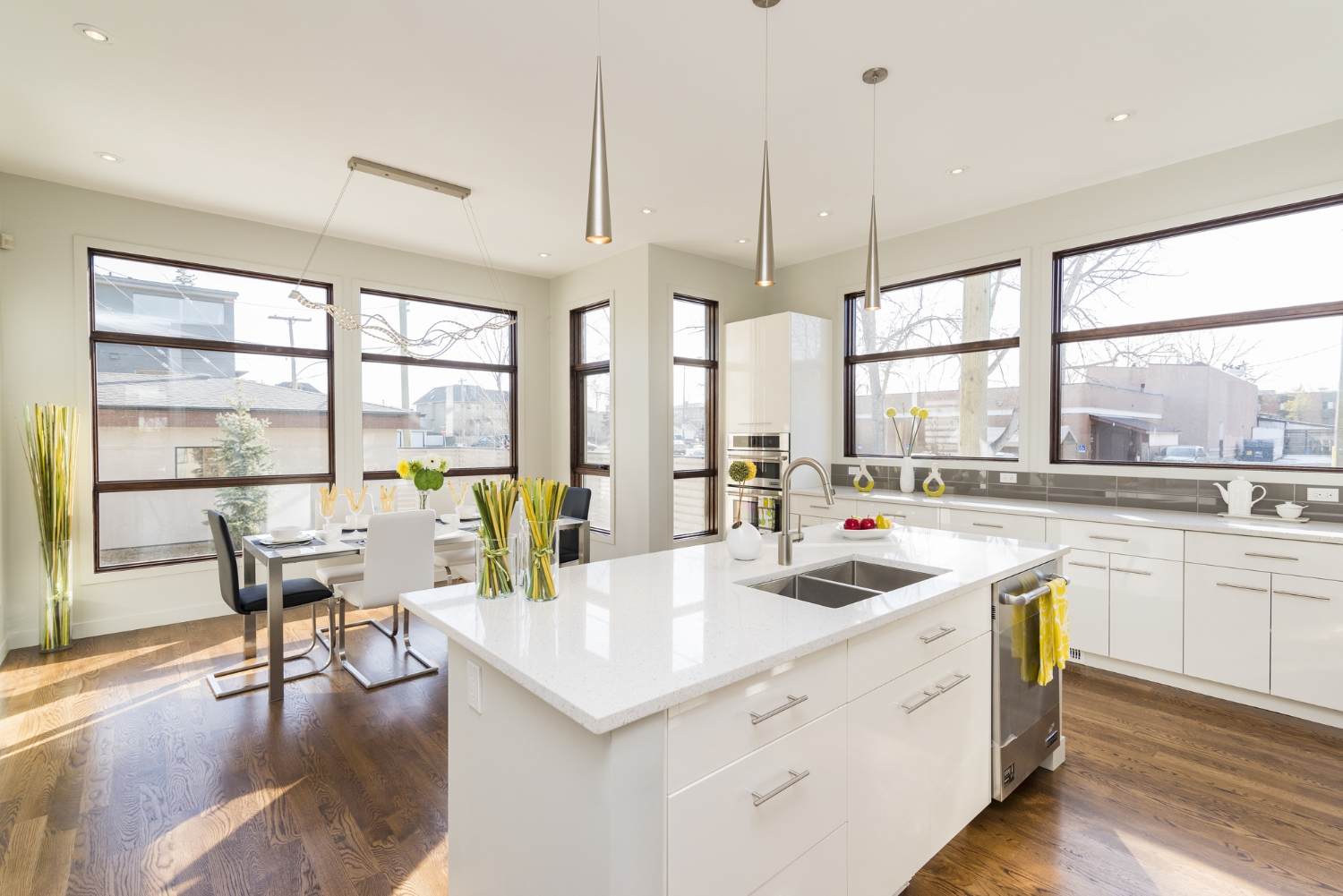
Furnishing your kitchen isn’t just about functional pieces; aesthetics matter too. Here are some decorative elements to consider:
Wall Art and Decor
Adding artwork or decorative elements can personalize your kitchen. Consider framed prints, wall-mounted herb gardens, or decorative plates. Budget for around $50 to $300 for art, depending on your choices.
Textiles
Incorporate textiles such as tablecloths, curtains, or dish towels to add color and texture. A set of dish towels can cost as little as $10, while custom window treatments may range from $100 to $500.
Lighting Fixtures
Upgrading your lighting can dramatically change the ambiance of your kitchen. Pendant lights over an island or under-cabinet lighting can enhance both functionality and style. Expect to spend between $50 and $300 per fixture, depending on the design.
Implementation Timeline
Furnishing your kitchen can be a straightforward process, but having a timeline can help keep you organized:
- Week 1: Assess your kitchen and create a plan, including a budget and a list of necessary items.
- Week 2: Research and shop for your chosen furniture and decor items. Consider both online and local options to compare prices.
- Week 3: Purchase and begin arranging your new furnishings. Start with larger pieces and work your way to smaller accessories.
- Week 4: Finalize your setup, making adjustments as needed. Add decorative elements to complete the look.
Potential Challenges
While furnishing your kitchen can be rewarding, be aware of potential challenges:
- Space Limitations: Smaller kitchens may limit your options. Be strategic in your choices, prioritizing multifunctional pieces.
- Budget Constraints: Furnishing can still add up. Set a clear budget and stick to it to avoid overspending.
- Style Conflicts: Ensure that new pieces complement your existing decor to avoid a mismatched look.
By carefully assessing your space, selecting the right furniture, and planning your implementation, you can successfully furnish your kitchen without the need for a full remodel.
Actionable Advice for Furnishing Your Kitchen Without a Remodel
Common Approaches: DIY vs. Professional Help
When it comes to furnishing your kitchen, you have two primary approaches: doing it yourself (DIY) or hiring professionals. Each has its pros and cons, and understanding these can help you make an informed decision.
DIY Approach
The DIY approach can be cost-effective and allows for personal creativity. Here are some advantages and potential drawbacks:
- Advantages:
- Lower costs: You save on labor costs, focusing your budget on materials and furnishings.
- Personal touch: You have complete control over the design and execution.
- Flexibility: Work at your own pace and schedule.
- Drawbacks:
- Time-consuming: DIY projects can take longer than expected, especially for beginners.
- Skill limitations: If you lack experience, results may not meet your expectations.
- Potential for mistakes: Errors can lead to additional costs and frustration.
Professional Help
Hiring professionals can streamline the process and ensure quality results. Consider the following:
- Advantages:
- Expertise: Professionals bring experience and knowledge, leading to high-quality results.
- Efficiency: They can complete projects faster than most DIYers.
- Warranty: Many professionals offer warranties on their work, providing peace of mind.
- Drawbacks:
- Higher costs: Labor can significantly increase your overall budget.
- Less control: You may have to compromise on some design choices.
- Scheduling: You’ll need to work around the contractor’s timeline.
Budget vs. Premium Furnishing Options
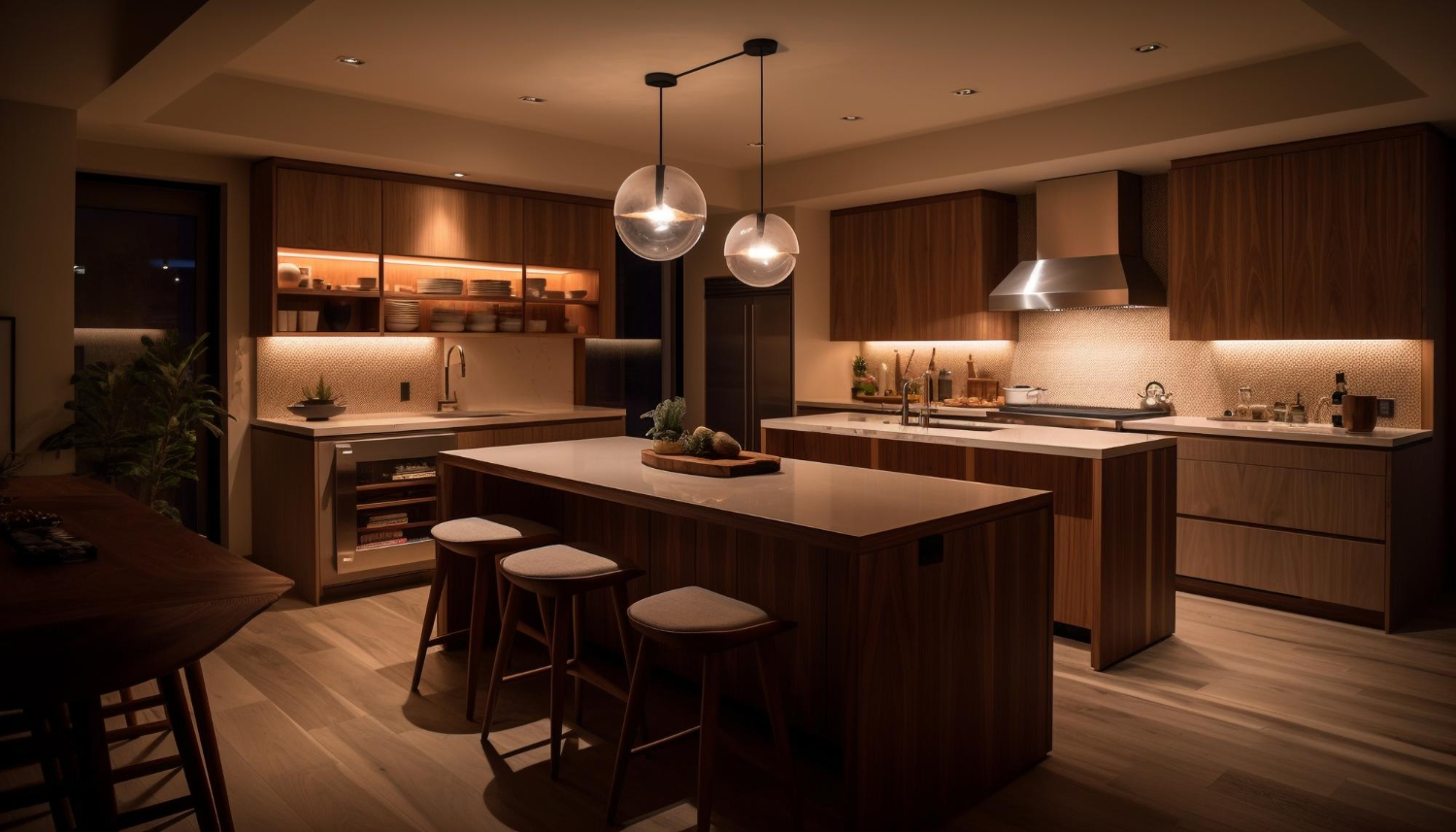
When furnishing your kitchen, you’ll also need to decide between budget and premium options. Each category has its own set of considerations.
| Category | Budget Options | Premium Options |
|---|---|---|
| Furniture | Basic materials like laminate or MDF, starting at $50 for stools. | High-quality woods or metals, with prices starting at $200 for stools. |
| Storage Solutions | DIY shelving or budget organizers, costing around $20 to $50 each. | Custom cabinetry or designer organizers, starting at $500. |
| Decor | Affordable art prints or DIY decor, costing $10 to $50. | Original artwork or designer pieces, often exceeding $300. |
| Lighting | Basic fixtures or LED strips, ranging from $20 to $100. | Designer pendant lights or smart lighting, starting at $150. |
Mistakes to Avoid
Furnishing your kitchen can be a rewarding experience, but there are common pitfalls to watch out for:
- Ignoring Functionality: Always prioritize functionality over aesthetics. A beautiful kitchen is useless if it doesn’t work for your needs.
- Overcrowding: Avoid cramming too much furniture into your kitchen. Leave enough space for movement and cooking.
- Neglecting Lighting: Lighting is crucial in a kitchen. Ensure you have a mix of ambient, task, and accent lighting.
- Skipping Measurements: Always measure your space before purchasing furniture. Items that look great in a store may not fit your kitchen.
- Not Considering Maintenance: Choose materials that are easy to clean and maintain, especially in high-use areas.
Insider Tips
Here are some insider tips to help you navigate the furnishing process:
- Start Small: Begin with one or two key pieces, such as a dining table or bar stools, before making larger purchases.
- Shop Sales: Look for seasonal sales or clearance events to score quality items at lower prices.
- Mix and Match: Don’t be afraid to combine different styles and materials for a unique look. Eclectic designs can be very appealing.
- Use Vertical Space: Make the most of your kitchen’s vertical space with wall-mounted shelves or cabinets.
- Test Layouts: Use painter’s tape to outline furniture dimensions on the floor before buying to visualize how items will fit.
By considering these approaches, budgeting wisely, avoiding common mistakes, and applying these insider tips, you can effectively furnish your kitchen without the need for extensive remodeling.
Facts About Furnishing a Kitchen Without a Remodel
Statistical Insights
Furnishing your kitchen thoughtfully can have significant benefits, not just in terms of aesthetics but also in functionality and value. Here are some compelling statistics and facts:
- Cost Savings: According to HomeAdvisor, the average kitchen remodel costs between $12,000 and $35,000. In contrast, furnishing a kitchen can often be achieved for less than $5,000, depending on choices.
- Return on Investment (ROI): The National Association of Realtors reports that minor kitchen remodels can yield an ROI of up to 80%. Thoughtful furnishings can enhance this value without the need for extensive renovations.
- Improved Comfort: A survey by Houzz found that 69% of homeowners who updated their kitchen felt it improved their overall comfort and enjoyment of the space.
- Increased Functionality: A well-furnished kitchen can improve workflow and organization. According to the American Institute of Architects, 60% of homeowners prioritize functionality in kitchen design.
Benefits of a Thoughtful Approach
Taking a thoughtful approach to furnishing your kitchen can yield several benefits:
Saving Money
Investing wisely in furnishings allows homeowners to avoid the high costs associated with remodeling. By focusing on key pieces, you can allocate your budget effectively.
Adding Home Value
A well-furnished kitchen can enhance your home’s appeal to potential buyers. Aesthetic upgrades can make a significant difference in how your home is perceived in the market.
Improving Comfort
Comfort is key in any living space. Thoughtful furnishings can create a welcoming environment, making the kitchen a place where families gather and memories are made.
When to Start and What to Prioritize
Starting your furnishing project at the right time can make a difference in your results. Here’s when to start and what to prioritize:
- Start Early: If you’re planning to sell your home, consider furnishing before listing. If you’re staying put, start when you feel your kitchen needs a refresh.
- Prioritize Key Areas:
- Seating: Invest in comfortable seating options that encourage gathering.
- Storage Solutions: Focus on maximizing storage to keep your kitchen organized.
- Lighting: Upgrade lighting fixtures to enhance both functionality and ambiance.
- Decor: Add decorative elements that reflect your style and personality.
Common Owner Insights from Forums
Homeowners often share valuable insights in online forums regarding their experiences with kitchen furnishing. Here’s a summary of what they commonly say:
| Owner Insight | Details |
|---|---|
| Start with a Plan | Many recommend creating a clear plan before purchasing, including a budget and a list of must-have items. |
| Measure First | Homeowners frequently emphasize the importance of measuring spaces to avoid purchasing items that don’t fit. |
| Mix and Match | Users often suggest mixing different styles and materials for a unique look, rather than sticking to a single theme. |
| Use Vertical Space | Many find that utilizing vertical space with shelves or hanging racks maximizes storage and keeps the kitchen organized. |
| Invest in Quality | Homeowners often advise investing in high-quality, durable items for long-term use rather than opting for the cheapest options. |
By considering these facts and insights, homeowners can make informed decisions about furnishing their kitchens effectively and efficiently.