
How to Open Up Your Kitchen Remodel
Why This Question Matters for Homeowners
Opening up your kitchen can transform not just the space itself, but also the way you live and interact with your home. In an era where open-concept living is highly desirable, homeowners are increasingly looking to remodel their kitchens to create a more spacious, inviting environment. This question matters because it directly impacts functionality, aesthetics, and even the resale value of your home.
A well-executed kitchen remodel can enhance your daily life by making cooking and entertaining easier and more enjoyable. However, it is crucial to approach this transformation with a clear understanding of the factors that can influence the process, including:
Financial Considerations
- Budget: Determine how much you are willing to spend. Kitchen remodels can range from a few thousand to tens of thousands of dollars.
- Return on Investment: Consider how much value the remodel will add to your home if you plan to sell in the future.
- Hidden Costs: Be prepared for unexpected expenses, such as plumbing or electrical work that may arise once you start the remodel.
Time Commitment
- Project Timeline: Understand the scope of the remodel and how long it will take to complete. A kitchen remodel can take anywhere from a few weeks to several months.
- Disruption: Be ready for the inconvenience of living without a fully functional kitchen during the remodel.
Design Factors
- Layout: Decide on an open layout that best suits your lifestyle. Consider how you want to flow between the kitchen, dining, and living areas.
- Aesthetic Appeal: Choose colors, materials, and finishes that align with your personal style and the overall design of your home.
Regulatory Issues
- Permits: Check local regulations to see if you need permits for structural changes, especially if you are removing walls.
- Building Codes: Ensure that your remodel complies with safety and building codes to avoid issues down the line.

In summary, opening up your kitchen remodel is a multifaceted decision that involves careful planning and consideration. By addressing financial, time, design, and regulatory factors, homeowners can create a space that enhances their living experience while also potentially increasing their property’s value.
Opening Up Your Kitchen Remodel: Key Aspects to Consider
1. Planning the Layout
Assess Your Current Space
Before diving into the remodel, take a close look at your existing kitchen layout. Identify what works and what doesn’t. Consider the following:
- Traffic Flow: How do you move around the kitchen? Is it easy to access the refrigerator, stove, and sink?
- Functionality: Are there enough storage and counter space? Do you have adequate seating for family and guests?
Designing an Open Concept
An open-concept kitchen often involves removing walls to create a seamless flow between the kitchen, dining, and living areas. This can enhance natural light and make the space feel larger. Here are some design options:
- Island Installation: Adding an island can provide additional counter space and serve as a gathering spot. Average costs for a kitchen island range from $3,000 to $5,000, depending on materials and features.
- Connecting Spaces: Consider how your kitchen will integrate with adjacent rooms. Think about sightlines and how to maintain a cohesive design.
2. Structural Changes
Understanding Load-Bearing Walls
Not all walls can be removed without significant structural implications. Load-bearing walls support the weight of the structure above. Here’s how to identify and address them:
- Consult a Professional: Always hire a structural engineer or contractor to evaluate which walls are load-bearing.
- Support Beams: If you need to remove a load-bearing wall, you will likely need to install a support beam, which can cost between $1,200 and $3,000.
Permits and Regulations
Before any major changes, check with your local building department for necessary permits. Failing to do so can lead to fines or complications during the sale of your home. Typical permits might include:
- Building Permit: Required for structural changes.
- Electrical and Plumbing Permits: Needed if you are modifying any electrical or plumbing work.
3. Budgeting for the Remodel
Establishing a Realistic Budget
A kitchen remodel can vary widely in cost based on the scope and materials chosen. Average kitchen remodels can range from $15,000 to $50,000 or more. Consider the following when budgeting:
- Cabinetry: Custom cabinets can cost anywhere from $10,000 to $30,000, while stock cabinets may range from $3,000 to $10,000.
- Countertops: Materials like granite or quartz can run between $50 to $150 per square foot.
Hidden Costs
When budgeting, always account for unexpected costs:
- Electrical and Plumbing Upgrades: These can add $1,000 to $5,000 to your project if existing systems need to be updated.
- Flooring: If you’re changing the layout, you may need new flooring, which can cost between $3 to $10 per square foot.
4. Choosing Materials and Finishes
Material Selection
The materials you choose will significantly impact both the look and longevity of your kitchen. Consider the following options:
- Cabinets: Solid wood cabinets are durable but can be expensive. Laminate options are budget-friendly but may not last as long.
- Countertops: Choose between natural stone, quartz, or laminate based on your budget and maintenance preferences.
Finishes and Fixtures
Don’t overlook the importance of finishes and fixtures:
- Lighting: Incorporate a mix of task and ambient lighting. Expect to spend $200 to $1,000 on fixtures.
- Hardware: Cabinet knobs and pulls can add personality; budget around $2 to $20 per piece.
5. Execution and Timeline
Project Timeline
A kitchen remodel can take anywhere from 6 weeks to 6 months, depending on the complexity. Here’s a rough timeline:
- Design Phase: 2-4 weeks for planning and design.
- Demolition: 1-2 weeks to remove old fixtures and finishes.
- Construction: 4-12 weeks for structural changes and installations.
- Finishing Touches: 1-2 weeks for painting, flooring, and final installations.
Challenges to Anticipate
Be prepared for potential challenges during the remodel:
- Delays: Weather, supply chain issues, or contractor availability can push timelines back.
- Design Changes: Mid-project changes can increase costs and extend timelines.

By carefully considering these aspects, you can navigate the complexities of opening up your kitchen remodel and create a space that meets your needs and enhances your home.
Actionable Advice for Opening Up Your Kitchen Remodel
1. DIY vs. Professional Work
When it comes to kitchen remodeling, one of the first decisions you’ll face is whether to tackle the project yourself or hire professionals. Each approach has its pros and cons.
DIY Approach
- Cost Savings: Doing it yourself can save on labor costs, which can account for 20-35% of the total remodel budget.
- Personal Satisfaction: Completing a project on your own can be rewarding and allows for a personal touch.
- Flexibility: You can work at your own pace and make changes as you go.
Professional Work
- Expertise: Professionals bring experience and knowledge that can help avoid costly mistakes.
- Time Efficiency: A professional team can complete the remodel faster than most DIY efforts.
- Quality Assurance: Hiring licensed contractors often comes with warranties on workmanship.
2. Budget vs. Premium Remodel
Your budget will significantly influence the scope and quality of your kitchen remodel. Here’s how to navigate the spectrum from budget to premium options:
Budget Remodel
- Cabinet Refacing: Instead of replacing cabinets, consider refacing them for a fresh look at a fraction of the cost.
- Affordable Materials: Use laminate or vinyl for countertops and flooring to save money while still achieving a modern look.
- Minimal Structural Changes: Focus on cosmetic updates rather than extensive structural changes to keep costs down.
Premium Remodel
- Custom Cabinets: Invest in high-quality, custom cabinetry that fits your space perfectly.
- High-End Appliances: Consider investing in professional-grade appliances that enhance functionality and aesthetics.
- Luxury Finishes: Use premium materials like quartz countertops and hardwood flooring for a polished look.
3. Common Mistakes to Avoid
Avoiding common pitfalls can save you time, money, and stress. Here are some mistakes to steer clear of:
Underestimating Costs
- Many homeowners fail to account for hidden costs such as permits, unexpected repairs, and design changes.
Neglecting Functionality
- Focusing solely on aesthetics can lead to a kitchen that looks great but is impractical for cooking and entertaining.
Ignoring Lighting
- Inadequate lighting can make even the most beautiful kitchen feel uninviting. Plan for a mix of task, ambient, and accent lighting.
4. Insider Tips for a Successful Remodel
To ensure your kitchen remodel goes smoothly, consider these insider tips:
Plan for the Unexpected
- Always set aside an additional 10-20% of your budget for unexpected expenses.
Research and Compare
- Get multiple quotes from contractors and compare not just prices but also the quality of materials and scope of work.
Stay Organized
- Keep all your design ideas, contractor information, and receipts in one place to streamline communication and decision-making.
5. Comparison Table: DIY vs. Professional Work
| Aspect | DIY | Professional |
|---|---|---|
| Cost | Lower, but requires time and effort | Higher due to labor costs |
| Time | Variable; can take longer | Generally faster due to experience |
| Quality | Varies based on skill level | Consistent and often higher quality |
| Control | Full control over design and execution | Less control, but guided by expertise |
| Stress Level | Can be high due to learning curve | Lower, as professionals manage the process |
By weighing these options and following actionable advice, you can navigate your kitchen remodel more effectively, avoiding common pitfalls while maximizing the potential of your space.
Facts About Opening Up Your Kitchen Remodel
1. Statistical Insights
Understanding the statistics surrounding kitchen remodels can help homeowners make informed decisions. Here are some key facts:
Cost vs. Value
- According to the National Association of Realtors, a kitchen remodel typically recoups about 62% of its cost upon resale.
- The average kitchen remodel cost in the U.S. ranges from $15,000 to $50,000, depending on the extent of the changes made.
Homeowner Preferences
- A survey by Houzz found that 80% of homeowners prioritize improving functionality as a key reason for their kitchen remodels.
- Open-concept designs are favored by 55% of homeowners, as they create a more spacious feel and enhance social interaction.
2. Benefits of a Thoughtful Approach
Taking a thoughtful approach to your kitchen remodel can yield significant benefits:
Saving Money
- By carefully planning your remodel, you can avoid costly mistakes and budget overruns. Setting a realistic budget and sticking to it can save you up to 20% on overall costs.
- Investing in energy-efficient appliances can lead to long-term savings on utility bills, with some homeowners reporting savings of $100 or more per year.
Adding Home Value
- A well-executed kitchen remodel can increase your home’s value significantly. According to Remodeling Magazine, minor kitchen remodels can yield a return of 80%-90%.
- Homes with modern, open kitchens sell faster and at higher prices compared to those with outdated designs.
Improving Comfort
- Open-concept kitchens enhance natural light and ventilation, making the space feel more inviting and comfortable.
- Homeowners frequently report enjoying their kitchens more after a remodel, with many citing increased family interaction and improved cooking experiences.
3. When to Start and What to Prioritize
Timing and prioritization are critical for a successful kitchen remodel. Here are some guidelines:
When to Start
- Consider starting your remodel during the off-peak seasons (late fall or winter) when contractors may offer better rates and availability.
- If you notice consistent issues such as plumbing leaks or outdated appliances, it’s a good indicator that it’s time to remodel.
What to Prioritize
- Focus on functionality first. Ensure that the layout works for your lifestyle before making aesthetic choices.
- Invest in quality materials for high-traffic areas like countertops and flooring to ensure durability.
- Don’t overlook lighting. Good lighting can enhance the kitchen’s overall feel and functionality.
4. Common Owner Insights from Forums
Homeowners often share valuable insights and experiences in online forums. Here’s a summary of common sentiments:
| Topic | Common Owner Sentiments |
|---|---|
| Budgeting | “Always set aside an extra 15% for unexpected costs.” |
| DIY vs. Professional | “Don’t hesitate to hire professionals for plumbing and electrical work.” |
| Design Choices | “Open layouts are great, but ensure you have enough storage.” |
| Timing | “Start in the winter; contractors are more available and may offer discounts.” |
| Functionality | “Prioritize the kitchen workflow; it makes a huge difference in daily use.” |
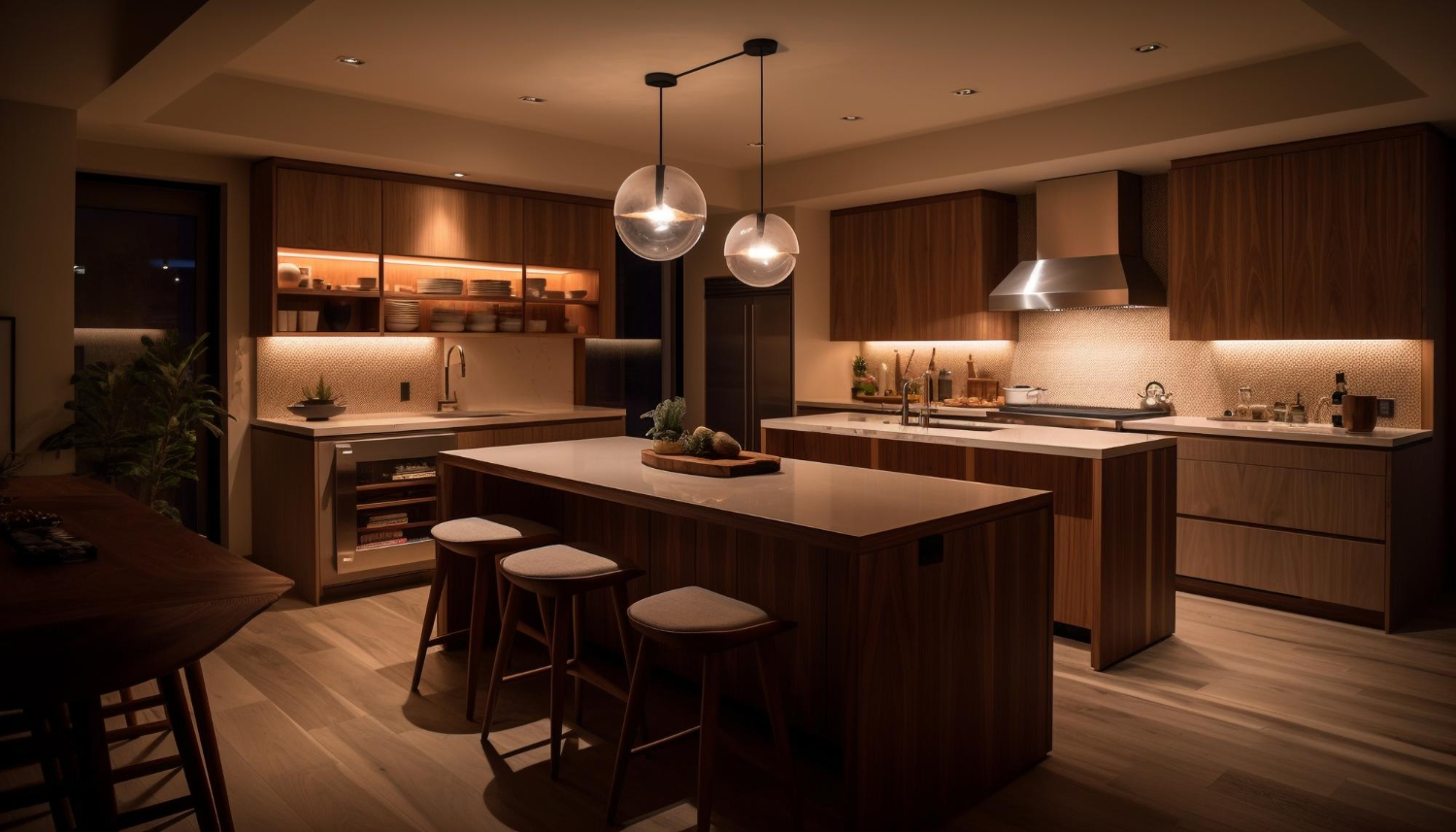
By leveraging statistical data and insights from other homeowners, you can make informed decisions that maximize the benefits of your kitchen remodel while minimizing potential pitfalls.