
How to Organize a Remodeled Kitchen
The Importance of Kitchen Organization
Organizing a remodeled kitchen is crucial for homeowners who want to maximize functionality, aesthetics, and efficiency. A well-organized kitchen not only enhances the cooking experience but also improves the overall flow of the home. Whether you are an avid cook or someone who occasionally prepares meals, the layout and organization of your kitchen can significantly impact your daily life.
Factors Influencing Kitchen Organization
Several factors come into play when organizing a remodeled kitchen, and understanding these can help you make informed decisions:
- Budget: The financial aspect is often the primary concern. Remodeling a kitchen can range from a simple facelift to a complete overhaul, and your budget will dictate the extent of changes you can implement. Prioritize spending on elements that enhance organization, such as cabinets, shelving, and storage solutions.
- Time: Time is another critical factor. A kitchen remodel can take weeks or even months, depending on the scope of the project. Consider how long you can manage without a fully functional kitchen and plan accordingly. Efficient organization during the remodel can save you time in the long run.
- Design: The design of your kitchen plays a significant role in how you organize it. Consider the layout, style, and color scheme that will work best for your space. Open-concept designs may require different organizational strategies compared to traditional layouts.
- Regulations: Depending on your location, there may be building codes and regulations that you must adhere to during your remodel. These can affect the placement of appliances, plumbing, and electrical work. Familiarizing yourself with these regulations can help you avoid costly mistakes.
- Personal Needs: Every household has unique needs. Consider the size of your family, cooking habits, and lifestyle when organizing your kitchen. Customizing your space to fit your specific requirements will lead to a more functional and enjoyable kitchen.

By addressing these factors, homeowners can create a kitchen that is not only aesthetically pleasing but also serves as a practical and efficient workspace. A well-organized kitchen can lead to improved meal preparation, better storage solutions, and a more enjoyable cooking experience overall.
Organizing a Remodeled Kitchen
Assessing Your Space
Before diving into the organization process, it’s essential to assess your kitchen space. This involves measuring dimensions, identifying key features, and understanding how you use the kitchen. Here are the steps to follow:
- Measure Your Kitchen: Take precise measurements of your kitchen, including the height, width, and depth of cabinets, countertops, and appliances. This will help you determine what can fit where.
- Evaluate Existing Features: Identify what you currently have in terms of cabinets, shelves, and appliances. Note any areas that are underutilized or cluttered.
- Consider Your Cooking Style: Think about how you cook. Do you need more prep space, or do you require additional storage for pots and pans? Understanding your cooking habits will guide your organization strategy.
Example:
For instance, if you have a small kitchen with limited counter space, you might want to consider vertical storage solutions like wall-mounted shelves or pegboards to keep utensils and spices within reach.
Creating a Functional Layout
Once you have assessed your space, it’s time to create a functional layout. The kitchen work triangle—comprising the stove, sink, and refrigerator—is a fundamental principle to consider. The distance between these three points should be efficient to minimize movement while cooking.
- Stove to Sink: Ideally, this distance should be between 4 to 9 feet. This allows for easy access to water while cooking.
- Sink to Refrigerator: The distance should also be between 4 to 9 feet for easy access to ingredients.
- Stove to Refrigerator: Keeping this distance between 4 to 9 feet ensures that you can quickly move from cooking to grabbing ingredients.
Challenges:
In smaller kitchens, achieving the ideal work triangle may be challenging. Consider using multi-functional furniture or appliances, such as an island that serves as both a prep area and a dining space.
Maximizing Storage Solutions
Storage is often a significant concern in kitchen organization. Here are some strategies to maximize your storage:
- Cabinet Organization: Use pull-out shelves, lazy Susans, and drawer dividers to keep items organized and accessible. Average costs for these solutions range from $50 to $200, depending on materials and installation.
- Utilize Vertical Space: Install shelves above countertops and cabinets to store less frequently used items. This can free up valuable counter space.
- Designate Zones: Create specific zones for cooking, prepping, cleaning, and storing. For example, keep pots and pans near the stove, while cutting boards and knives should be close to the prep area.
Example:
For instance, if you have a deep cabinet, consider using tiered organizers to make the most of the vertical space, allowing you to see and access items easily.
Incorporating Technology
Modern kitchens often incorporate technology to enhance functionality. Smart appliances and organizational apps can streamline your cooking and organization processes:
- Smart Refrigerators: These can help you keep track of ingredients and expiration dates. Some models even allow you to create shopping lists directly from the fridge.
- Kitchen Management Apps: Apps like Mealime or Paprika can help you plan meals, organize recipes, and create grocery lists, making your kitchen more efficient.
Average Costs:
Smart appliances can range from $800 to $3,000, depending on the brand and features. Investing in technology can save time and reduce food waste in the long run.
Planning for Future Needs
When organizing your remodeled kitchen, consider future needs. As family dynamics change or cooking habits evolve, your kitchen should be adaptable. Here are some tips:
- Flexible Furniture: Consider using movable islands or carts that can be repositioned as needed.
- Expandable Storage: Install cabinets that can be adjusted or expanded to accommodate new appliances or tools as your needs change.
- Future-Proofing Technology: Invest in smart home technology that can be updated or integrated with new devices over time.
Potential Challenges:
Anticipating future needs can be difficult. Regularly reassess your kitchen organization to ensure it continues to meet your requirements.
Final Thoughts on Organization
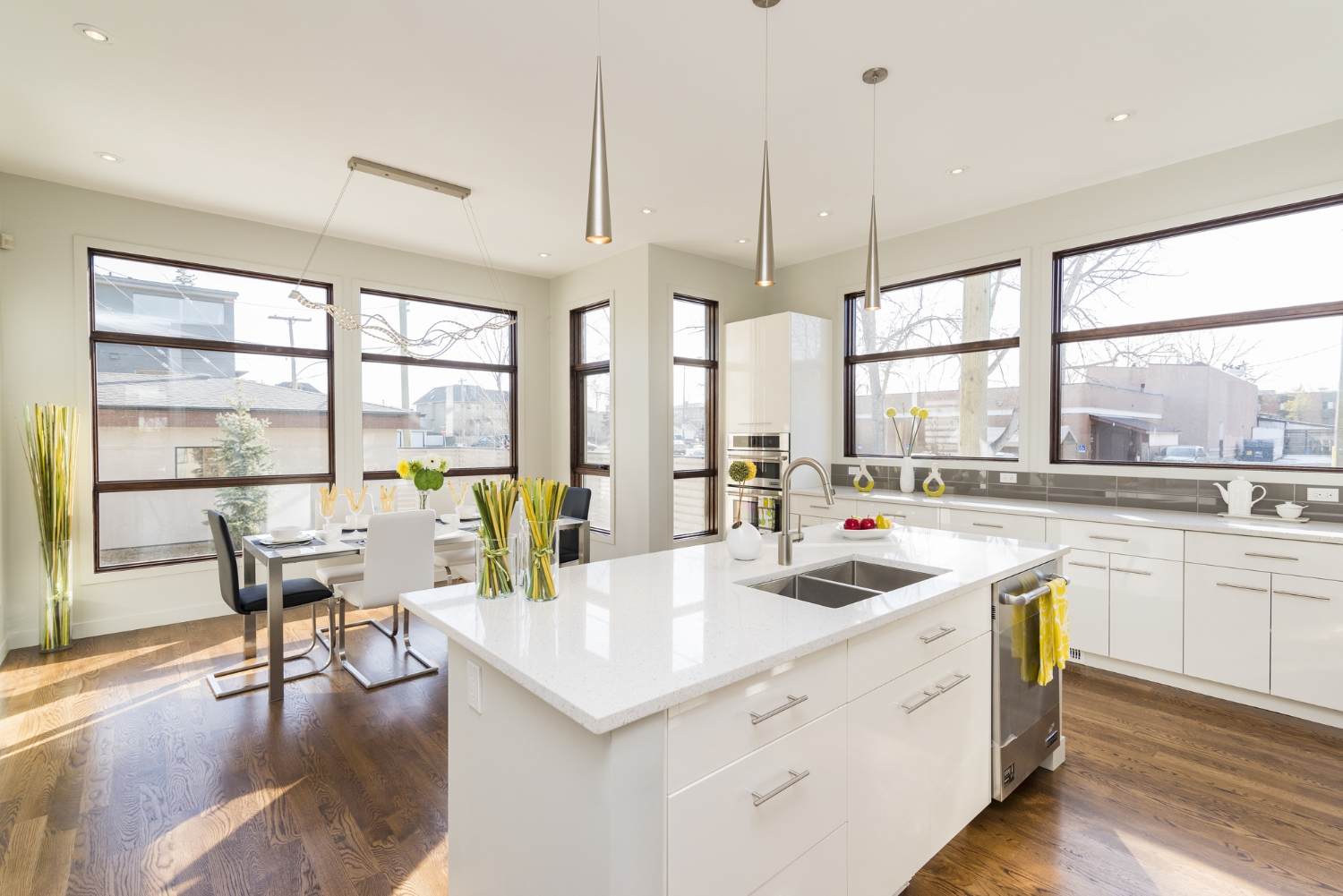
Organizing a remodeled kitchen involves careful planning, assessment, and implementation of storage solutions. By considering your space, layout, storage needs, and future requirements, you can create a kitchen that is not only functional but also a joy to use. Remember to prioritize efficiency and personalization to make the most of your remodeled kitchen.
Actionable Advice for Organizing a Remodeled Kitchen
DIY vs. Professional Work
Deciding between a DIY approach and hiring professionals for your kitchen remodel can significantly impact your budget, timeline, and the quality of the final product. Here’s a breakdown of the advantages and disadvantages of each approach:
| Aspect | DIY | Professional Work |
|---|---|---|
| Cost | Generally lower; you save on labor costs | Higher; labor costs can account for 20-35% of the total budget |
| Time | Can take longer due to inexperience; may need to learn new skills | Typically faster; professionals have the experience and tools to complete tasks efficiently |
| Quality | Varies; depends on your skill level and available tools | Generally higher; professionals bring expertise and quality workmanship |
| Customization | Highly customizable; you can tailor every detail | Custom options available, but may be limited to the contractor’s offerings |
Recommendation:
If you have experience with home improvement projects and a clear vision, DIY can save money. However, for complex tasks like plumbing or electrical work, hiring professionals is advisable to avoid costly mistakes.
Budget vs. Premium Remodel
When planning a kitchen remodel, your budget will play a significant role in determining the quality of materials and appliances you can afford. Here’s a comparison of budget and premium remodels:
| Aspect | Budget Remodel | Premium Remodel |
|---|---|---|
| Materials | Affordable options like laminate countertops and stock cabinetry | High-end materials like granite or quartz countertops and custom cabinetry |
| Appliances | Basic models, often without advanced features | Top-of-the-line appliances with smart technology |
| Design | Simple, functional layouts | Custom layouts with unique design elements |
| Longevity | May require updates sooner due to wear and tear | Built to last; often come with warranties |
Recommendation:
For those on a tight budget, focus on cosmetic changes like paint and hardware updates. If you can afford it, a premium remodel can enhance your home’s value and functionality long-term.
Common Mistakes to Avoid
When organizing your remodeled kitchen, certain pitfalls can derail your project. Here are mistakes to avoid:
- Ignoring Workflow: Failing to consider the kitchen work triangle can lead to inefficient layouts. Always prioritize the stove, sink, and refrigerator placement.
- Overlooking Storage Needs: Underestimating the amount of storage required can lead to clutter. Plan for all your kitchen items, including appliances and utensils.
- Choosing Style Over Function: Aesthetic choices should not compromise functionality. Ensure that your design choices support how you cook and use the space.
- Neglecting Lighting: Poor lighting can make cooking and organizing difficult. Incorporate task lighting and ambient lighting to enhance usability.
- Not Setting a Realistic Budget: Failing to account for hidden costs can lead to financial strain. Always include a contingency fund of 10-20% of your total budget for unexpected expenses.
Insider Tips:
- Plan for the Unexpected: Always expect delays or additional costs. Having a flexible timeline can alleviate stress.
- Incorporate Multi-Functional Furniture: Using furniture that serves multiple purposes can save space and enhance functionality.
- Invest in Quality Fixtures: High-quality faucets and cabinet hardware can elevate the look of your kitchen without a complete remodel.
- Consult with Experts: Even if you choose a DIY approach, consulting with a kitchen designer can provide valuable insights and help avoid common mistakes.
Final Thoughts on Organization
By weighing the pros and cons of DIY versus professional work, understanding budget options, avoiding common mistakes, and following insider tips, you can effectively organize your remodeled kitchen for optimal functionality and style. Prioritize planning and flexibility to achieve the best results in your remodeling project.
Facts About Organizing a Remodeled Kitchen
Statistical Insights
Organizing a remodeled kitchen can lead to significant benefits, both financially and in terms of comfort. Here are some key statistics and insights:
- Return on Investment (ROI): According to the National Association of Realtors, a kitchen remodel can yield an ROI of 60% to 120%, depending on the extent of the renovation.
- Home Value Increase: A well-organized kitchen can increase your home’s value by an average of $20,000 to $50,000, especially in competitive real estate markets.
- Time Savings: Homeowners report saving an average of 30% more time in meal preparation and cooking when their kitchens are well-organized.
- Improved Comfort: A survey by Houzz found that 74% of homeowners feel more comfortable and happy in their kitchens after a remodel, especially when the space is organized effectively.
Benefits of a Thoughtful Approach
Taking a thoughtful approach to kitchen organization not only enhances functionality but also contributes to long-term savings and comfort:
- Saving Money: Investing in quality storage solutions can reduce the need for future renovations. Proper organization minimizes waste and helps you avoid buying duplicate items.
- Adding Home Value: A well-organized kitchen is a selling point for potential buyers. An appealing and functional space can differentiate your home in a crowded market.
- Improving Comfort: A thoughtfully organized kitchen reduces stress and enhances the cooking experience. Homeowners often report feeling more inclined to cook and entertain in a well-structured space.
When to Start and What to Prioritize
Timing and prioritization are crucial when organizing your remodeled kitchen. Here are some actionable steps to consider:
- Start Early: Begin planning your kitchen organization during the initial design phase of your remodel. This ensures that your layout and storage solutions align with your cooking habits.
- Prioritize Functionality: Focus on the kitchen work triangle (stove, sink, refrigerator) and ensure that these elements are easily accessible to improve workflow.
- Invest in Storage Solutions: Allocate part of your budget to high-quality cabinets, pull-out shelves, and drawer organizers. These can significantly enhance your kitchen’s efficiency.
- Consider Lighting: Don’t overlook the importance of good lighting. Plan for task lighting in work areas to improve visibility and comfort while cooking.
Common Owner Insights
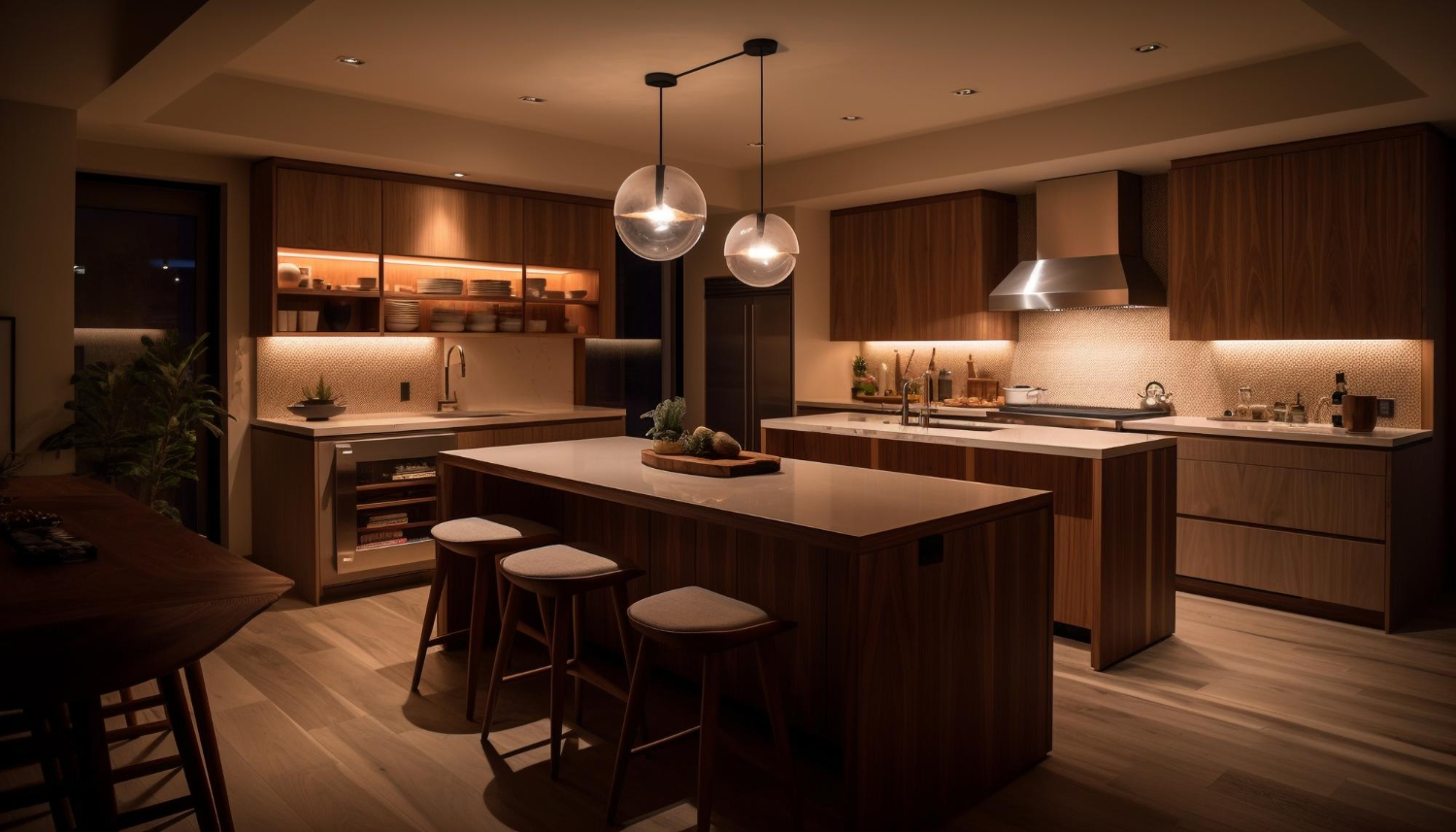
Homeowners often share valuable experiences and advice in online forums. Here’s a summary of what they commonly say:
| Owner Insight | Common Recommendation |
|---|---|
| “Investing in pull-out shelves has made my life so much easier.” | Consider pull-out shelves for easy access to items in deep cabinets. |
| “I wish I had planned my layout better to avoid backtracking.” | Map out the work triangle to minimize unnecessary movement. |
| “Lighting can change the whole feel of the kitchen.” | Incorporate various lighting options for ambiance and functionality. |
| “Labeling containers helped us stay organized.” | Use labels for pantry items and storage to maintain order. |
By understanding these facts and insights, homeowners can make informed decisions that lead to a well-organized and efficient kitchen, ultimately enhancing their cooking experience and home value.
