
How to Organize Your Kitchen After a Remodel
Why Organizing Your Kitchen Matters
After a kitchen remodel, the excitement of a new space can quickly turn into frustration if the organization is not carefully considered. A well-organized kitchen enhances functionality, improves workflow, and ultimately contributes to a more enjoyable cooking experience. It matters for homeowners for several reasons:
- Efficiency: A disorganized kitchen can lead to wasted time searching for utensils, ingredients, or appliances. Proper organization streamlines meal preparation and makes cooking more enjoyable.
- Space Utilization: A remodel often changes the layout and available storage. Understanding how to best use this new space is crucial to avoid clutter and maximize efficiency.
- Aesthetics: An organized kitchen not only looks better but also feels more inviting. This is especially important if you entertain guests or spend significant time in this space.
- Value Addition: A well-organized kitchen can enhance the overall value of your home. Potential buyers often look for functional and aesthetically pleasing kitchens.
Broader Factors Influencing Kitchen Organization
Several broader factors influence how homeowners approach kitchen organization after a remodel:
- Budget: Financial constraints can limit the types of storage solutions and organizational tools you can implement. Prioritizing essential items and DIY solutions can help manage costs.
- Time: The time available for organizing can vary. Some homeowners may have the luxury of dedicating days to this task, while others may need to tackle it in smaller increments.
- Design: The design of your kitchen plays a critical role in organization. Open shelves, cabinets, and drawers each have their advantages and limitations. Understanding how to work with your design is key.
- Regulations: Depending on local building codes, there may be specific regulations regarding kitchen safety and appliance placement. Familiarizing yourself with these can prevent future headaches.

A thoughtful approach to organizing your kitchen after a remodel can significantly impact its functionality and your overall satisfaction with the space. By considering efficiency, space utilization, aesthetics, and the broader factors at play, you can create a kitchen that meets your needs and enhances your cooking experience.
Organizing Your Kitchen After a Remodel
Assess Your Needs and Prioritize
Before diving into organization, take time to assess your cooking habits and needs. Understanding how you use your kitchen will guide your organization strategy. Consider the following:
- Cooking Frequency: If you cook daily, prioritize easy access to frequently used items.
- Entertaining: If you often host gatherings, ensure that serving dishes and utensils are readily available.
- Family Involvement: If multiple family members cook, create designated zones for each person or task.
Once you’ve assessed your needs, prioritize which areas of the kitchen require the most attention. This can help you allocate your time and resources effectively.
Establish Zones for Efficiency
Creating designated zones in your kitchen can significantly enhance workflow. Consider the following zones:
- Preparation Zone: Place knives, cutting boards, and mixing bowls near the prep area. Ideally, this should be close to the sink and refrigerator.
- Cooking Zone: Store pots, pans, and cooking utensils near the stove. Consider using a pull-out drawer for easy access to pots.
- Serving Zone: Keep serving dishes, utensils, and tableware near the dining area or island for quick access when entertaining.
- Cleaning Zone: Ensure that dish soap, sponges, and trash bins are easily accessible near the sink and dishwasher.
Establishing these zones can help you move seamlessly from one task to another, reducing time spent searching for items.
Maximize Storage Solutions
After a remodel, you may find yourself with new storage options, but it’s essential to maximize them effectively. Here are some ideas:
- Cabinet Organizers: Use pull-out shelves, lazy Susans, and dividers to make the most of cabinet space. According to a survey by the National Kitchen and Bath Association, well-organized cabinets can increase storage efficiency by up to 50%.
- Vertical Storage: Utilize wall space for hanging pots, pans, and utensils. Magnetic strips can hold knives and metal tools, freeing up counter space.
- Drawer Dividers: Invest in drawer organizers for utensils, spices, and miscellaneous items. This can save you an average of 10-15 minutes per cooking session by making everything easier to find.
Incorporate Smart Technology
Smart technology can also play a role in kitchen organization. Consider implementing the following:
- Smart Appliances: Refrigerators with built-in organization systems can help keep track of food inventory. For example, some models can alert you when items are about to expire.
- Voice-Activated Assistants: Use devices like Amazon Echo or Google Home to set timers, create shopping lists, or find recipes hands-free while cooking.
- Smart Lighting: Install under-cabinet lighting to illuminate work areas, making it easier to find items without cluttering the countertop with lamps.
Investing in smart technology can improve efficiency and make your kitchen feel more modern.
Plan for Maintenance and Flexibility
Once you’ve organized your kitchen, it’s crucial to establish a maintenance plan. Regularly evaluate your organization system to ensure it continues to meet your needs. Consider these steps:
- Monthly Check-ins: Spend a few minutes each month assessing the organization of your kitchen. Are items still in their designated zones? Are there any new items that need a home?
- Seasonal Deep Clean: Every few months, take the time to deep clean your kitchen and reorganize as needed. This can prevent clutter from building up.
- Flexibility: Be open to changing your organization system as your cooking habits evolve or as new items are added to your kitchen.
Planning for maintenance can help keep your kitchen organized long after the remodel is complete.
Address Potential Challenges
While organizing your kitchen can be rewarding, it may come with challenges. Here are a few common obstacles and how to overcome them:
- Limited Space: If your kitchen is small, consider multi-functional furniture or storage options, such as an island with built-in shelves.
- Overcrowded Cabinets: If cabinets are overflowing, take stock of what you really need. Donate or discard items that are rarely used.
- Family Resistance: If multiple family members are involved, ensure everyone is on board with the organization plan. Encourage input to create a system that works for everyone.
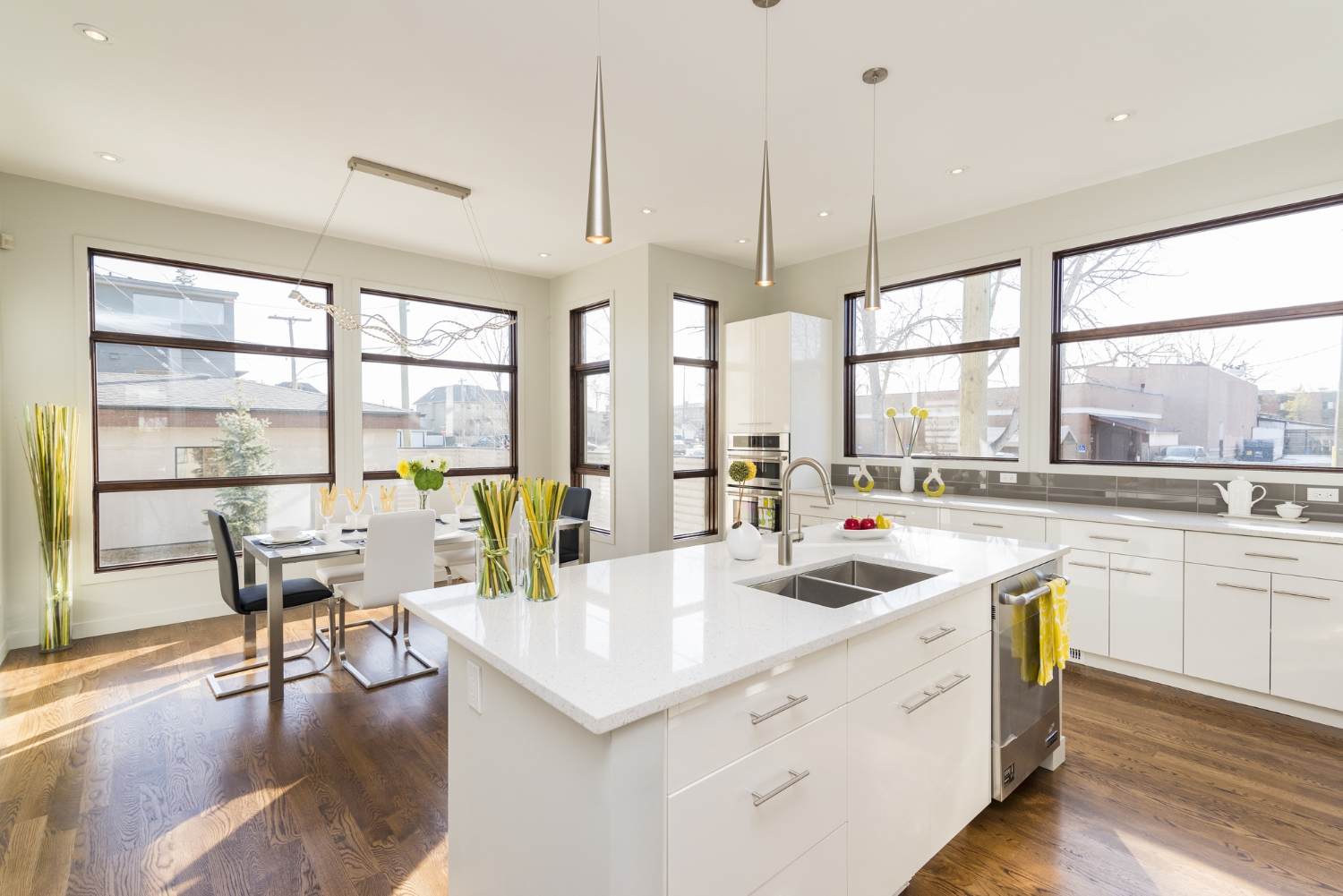
Being aware of these challenges can help you proactively address them, making the organization process smoother.
Actionable Advice for Organizing Your Kitchen After a Remodel
DIY vs. Professional Help
When it comes to organizing your kitchen after a remodel, you have two primary options: DIY or hiring professionals. Each approach has its pros and cons.
| Aspect | DIY | Professional Help |
|---|---|---|
| Cost | Lower, as you can use existing materials and tools. | Higher, typically 20-30% of your remodel budget. |
| Time | Varies based on your schedule; can take longer if you are inexperienced. | Generally quicker, as professionals have the experience and tools to complete tasks efficiently. |
| Customization | Highly customizable based on personal preferences. | May have limitations based on the company’s offerings. |
| Quality | Dependent on your skill level; risk of mistakes. | Consistent quality, but may vary by contractor. |
Consider your budget, time availability, and personal skills when deciding which approach to take. If you choose DIY, start with smaller projects to build confidence before tackling larger tasks.
Budget vs. Premium Remodels
Another crucial factor to consider is your budget. The extent of your remodel will significantly impact both the organization of your kitchen and the types of storage solutions you can implement. Here’s a breakdown:
- Budget Remodel: Focus on affordable solutions like repurposing existing cabinets, using open shelves, and purchasing lower-cost organizational tools. For example, you can find drawer dividers and storage bins at discount retailers for under $50.
- Premium Remodel: Invest in high-quality cabinetry, custom shelving, and advanced organizational systems. Premium options may include built-in pull-out pantry systems or smart storage solutions that can cost several hundred dollars.
Understanding your financial limits will help you make informed decisions about what organizational tools and methods to implement.
Common Mistakes to Avoid
As you organize your kitchen, be mindful of common pitfalls that can hinder your efforts:
- Overcrowding Cabinets: Avoid cramming too many items into cabinets, which can make it difficult to find what you need. Aim for a 70% capacity to allow for easy access.
- Ignoring Vertical Space: Many homeowners forget to utilize vertical space. Install shelves or hooks to take advantage of unused wall areas.
- Neglecting Workflow: Organizing items without considering how you cook can lead to inefficiencies. Always keep frequently used items within arm’s reach.
- Skipping Regular Maintenance: Failing to regularly assess your kitchen organization can lead to clutter. Set a reminder for seasonal check-ins.
By avoiding these mistakes, you can create a more functional and enjoyable kitchen space.
Insider Tips for Effective Organization
To further enhance your kitchen organization, consider these insider tips:
- Label Everything: Use labels on shelves, bins, and jars to ensure that everyone in the household knows where items belong. This can save time and reduce clutter.
- Use Clear Containers: Store dry goods in clear containers to easily identify contents. This can also help with inventory management.
- Implement a “One In, One Out” Rule: For every new item you bring into the kitchen, remove an old one. This helps maintain organization and prevents overcrowding.
- Adjustable Shelving: Invest in adjustable shelving units to accommodate different sizes of kitchenware and adapt as your needs change.
These tips can help you maintain a well-organized kitchen long after the remodel is complete.
Final Thoughts on Organization Strategies
While every kitchen is unique, the principles of effective organization remain consistent. Whether you choose a DIY approach or hire professionals, understanding your budget, avoiding common mistakes, and implementing insider tips will significantly enhance your kitchen’s functionality and aesthetics. By prioritizing thoughtful organization strategies, you can create a space that not only looks great but also works efficiently for your cooking needs.
Facts About Organizing Your Kitchen After a Remodel
Statistical Insights on Kitchen Organization
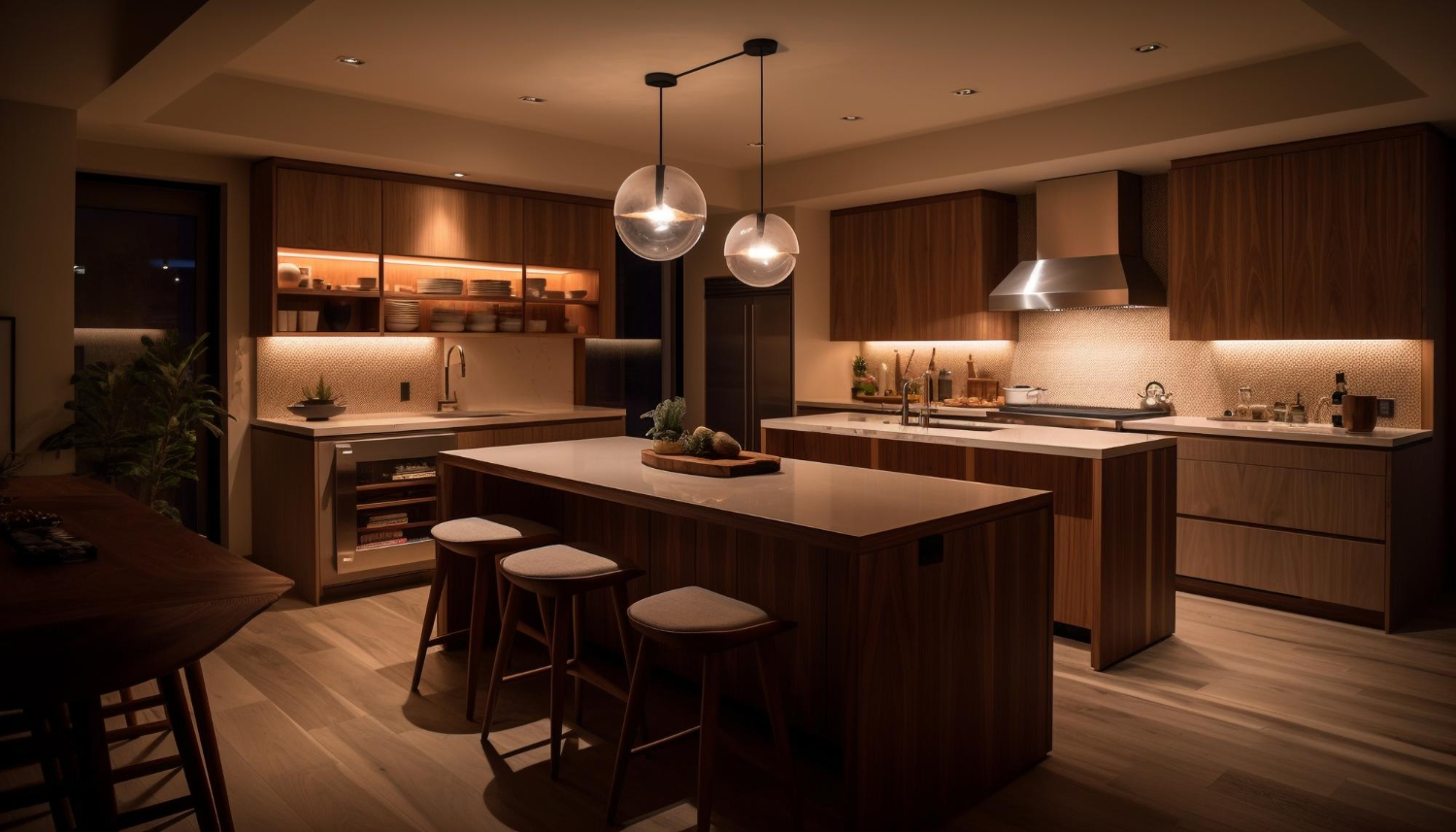
A well-organized kitchen can significantly impact both functionality and home value. Here are some key statistics and insights:
- Increased Home Value: According to the National Association of Realtors, kitchen remodels can recoup up to 80% of their costs in home value, especially when the kitchen is organized and functional.
- Time Savings: A study by the American Institute of Architects found that homeowners spend an average of 30 minutes per day searching for kitchen items. A thoughtful organization can reduce this time significantly.
- Improved Cooking Experience: A survey conducted by Houzz indicated that 75% of homeowners who remodeled their kitchens reported a greater enjoyment in cooking and entertaining due to improved organization.
- Reduced Food Waste: Proper organization can lead to better inventory management. The USDA estimates that Americans waste approximately 30-40% of the food supply, often due to forgotten items in cluttered kitchens.
Benefits of a Thoughtful Approach
Taking the time to thoughtfully organize your kitchen after a remodel can yield numerous benefits:
- Cost Savings: By effectively utilizing existing space and storage solutions, homeowners can avoid unnecessary expenses on new cabinetry or appliances.
- Enhanced Comfort: A well-organized kitchen creates a more pleasant cooking environment, making meal preparation less stressful and more enjoyable.
- Increased Functionality: Thoughtful organization allows for smoother workflows, making it easier to cook, clean, and entertain.
Final Piece of Advice
When considering when to start organizing your kitchen, it’s best to begin immediately after your remodel is complete. This is when everything is fresh, and you can easily identify what works and what doesn’t. Prioritize the following aspects:
- Assess your cooking habits to determine the best layout and storage solutions.
- Establish zones for different tasks (preparation, cooking, serving, cleaning).
- Invest in quality organizational tools that fit your budget and needs.
Common Owner Insights from Forums
Homeowners often share valuable insights and tips in online forums. Here’s a summary of what they commonly say about organizing their kitchens after a remodel:
| Owner Insight | Comments |
|---|---|
| Maximize Vertical Space | Many recommend using wall-mounted shelves and hooks to free up counter space. |
| Regularly Declutter | Homeowners emphasize the importance of seasonal decluttering to maintain organization. |
| Use Clear Containers | Several users suggest using clear bins for pantry items to easily see what you have. |
| Prioritize Accessibility | Access to frequently used items should always be a priority in organization strategies. |
| Involve the Family | Many recommend getting the whole family involved in the organization process to ensure everyone knows where things belong. |
By following these insights and statistics, homeowners can create a well-organized kitchen that enhances their cooking experience while adding value to their home.