
Planning for Cabinet Space in a Kitchen Remodel
Why This Matters for Homeowners
When embarking on a kitchen remodel, one of the most critical aspects to consider is cabinet space. The kitchen is often referred to as the heart of the home, and its functionality can significantly impact daily life. Adequate cabinet space not only contributes to a more organized kitchen but also enhances the overall aesthetic and value of the home. Homeowners must prioritize this aspect of their remodel to ensure that their kitchen meets their needs both now and in the future.
Broader Factors Influencing Cabinet Space Planning
Several factors come into play when planning for cabinet space in a kitchen remodel. These include:
- Budget: The amount of money allocated for the remodel will dictate the quality and quantity of cabinets you can afford. Custom cabinetry can be expensive, while stock cabinets offer a more budget-friendly option.
- Time: The timeline for the remodel can affect cabinet choices. Custom cabinets typically take longer to manufacture and install, which can delay the overall project.
- Design: The layout of the kitchen and the overall design style will influence cabinet selection. Open-concept designs may require different cabinet configurations than traditional layouts.
- Regulations: Local building codes and regulations may dictate specific requirements for kitchen cabinetry, especially regarding safety and accessibility.
- Functionality: Consider how you use your kitchen. Do you need more storage for pots and pans, or do you require space for small appliances? Assessing your cooking habits will help determine the best cabinet configurations.
- Future Needs: Think about potential changes in your household, such as growing families or aging in place. Planning for future needs can save you time and money down the road.

By carefully considering these factors, homeowners can create a kitchen that is not only beautiful but also functional and tailored to their specific needs. Proper planning for cabinet space is essential to maximizing the efficiency and enjoyment of one of the most important spaces in the home.
How to Plan for Cabinet Space in a Kitchen Remodel
Assess Your Current Kitchen Layout
Before diving into the design process, take a close look at your existing kitchen layout. Understanding what works and what doesn’t is crucial for effective planning.
- Identify Pain Points: Note areas where storage is lacking or clutter accumulates. For example, if your pots and pans are crammed into a single cabinet, it may be time to consider a dedicated pot drawer.
- Measure Existing Space: Use a tape measure to get accurate dimensions of your current cabinets and available wall space. This will help you determine how much new cabinetry you can realistically install.
- Consider Traffic Flow: Evaluate how people move through the kitchen. Ensure that cabinet placements do not obstruct pathways or create hazards.
Determine Your Storage Needs
Understanding your storage needs is essential for effective cabinet space planning. This process involves evaluating the items you currently have and how you use them.
- Inventory Your Kitchen Items: Create a list of everything you store in your kitchen, from dishes and utensils to small appliances and pantry items. This list will guide your cabinet design.
- Prioritize Storage Types: Decide which items need dedicated storage. For instance, if you bake frequently, you may need a cabinet specifically for baking sheets, mixing bowls, and measuring cups.
- Consider Vertical Space: Don’t forget to utilize vertical space. Tall cabinets can provide additional storage, especially for items you don’t use daily.
Choose Cabinet Styles and Materials
The style and material of your cabinets can significantly impact both functionality and aesthetics. Here are some factors to consider:
- Cabinet Types: Decide between stock, semi-custom, and custom cabinets. Stock cabinets are pre-manufactured and can be less expensive, averaging $70 to $150 per linear foot. Custom cabinets can range from $200 to $1,200 per linear foot, depending on materials and design.
- Material Selection: Common materials include plywood, MDF, and solid wood. Plywood is durable and cost-effective, while solid wood offers a high-end look but at a higher price point.
- Finish Options: Choose finishes that complement your overall kitchen design. Popular options include painted, stained, or laminated finishes, each offering different levels of durability and maintenance.
Plan Cabinet Layout and Configuration
Once you’ve assessed your needs and selected materials, it’s time to plan the layout of your cabinets. This step is critical for maximizing functionality.
- Sketch a Floor Plan: Create a detailed floor plan that includes the dimensions of your kitchen. Indicate where appliances, sinks, and windows are located to ensure cabinets fit seamlessly.
- Consider Cabinet Heights: Standard cabinet heights are typically 30 inches for base cabinets and 42 inches for upper cabinets. However, you can customize these heights based on your needs.
- Incorporate Specialty Cabinets: Think about adding pull-out shelves, lazy Susans, or corner cabinets to maximize storage efficiency. These features can help you access items more easily.
Budgeting and Cost Considerations
Budgeting for your cabinet space is a crucial step that can influence your design decisions.
- Set a Realistic Budget: Determine how much you can spend on cabinets, including installation costs. On average, homeowners spend about 30% of their total kitchen remodel budget on cabinets.
- Factor in Installation Costs: Professional installation can add $50 to $100 per hour, depending on the complexity of the installation. DIY installations can save money but may require more time and effort.
- Plan for Unexpected Expenses: Always set aside 10-20% of your budget for unforeseen costs, such as structural issues or changes in design during the remodel.
Timeline and Project Management
Having a timeline can help keep your kitchen remodel on track. Here’s a general outline of the process:
- Initial Planning (1-2 weeks): Assess your needs, set a budget, and sketch your layout.
- Design and Ordering (2-4 weeks): Finalize your cabinet design and place orders. Custom cabinets may take longer to manufacture.
- Demolition (1 week): Remove existing cabinets and prepare the space for new installations.
- Installation (1-2 weeks): Professional installers will typically take 1-2 weeks to complete the job, depending on the complexity.
- Final Touches (1 week): Add hardware, finalize adjustments, and perform a thorough cleaning.
Potential Challenges
Be prepared for challenges that may arise during the planning and remodeling process.
- Delays in Delivery: Custom cabinets can take longer than expected to arrive, which can push back your entire project timeline.
- Budget Overruns: Unexpected expenses can arise, so it’s essential to monitor your spending closely throughout the project.
- Design Changes: As the project progresses, you may encounter the temptation to make design changes. While this can enhance your kitchen, it may also complicate timelines and budgets.
Planning for cabinet space in a kitchen remodel involves careful consideration of layout, materials, and budget. By following these steps and being aware of potential challenges, homeowners can create a functional and aesthetically pleasing kitchen that meets their needs.
Actionable Advice for Planning Cabinet Space in a Kitchen Remodel
Common Approaches: DIY vs. Professional Work
When it comes to kitchen remodeling, one of the first decisions you’ll face is whether to tackle the project yourself or hire professionals. Each approach has its pros and cons.
DIY Kitchen Remodel
- Pros:
- Cost Savings: You can save significantly on labor costs, which typically account for 20-35% of the total remodel budget.
- Control: You have complete control over every aspect of the project, from design to execution.
- Cons:
- Time-Consuming: DIY projects can take much longer than anticipated, especially if you have limited experience.
- Potential for Mistakes: Lack of expertise can lead to costly errors, such as incorrect measurements or poor installation.
Professional Kitchen Remodel
- Pros:
- Expertise: Professionals bring experience and knowledge, which can lead to a more polished result.
- Efficiency: A professional team can complete the project faster than a DIY effort.
- Cons:
- Higher Costs: Hiring professionals can significantly increase the total project cost.
- Less Control: You may have to compromise on some design aspects to fit the contractor’s workflow.
Budget vs. Premium Remodel
When planning your kitchen remodel, deciding between a budget-friendly approach and a premium upgrade is crucial. Each option has its own advantages and drawbacks.
| Aspect | Budget Remodel | Premium Remodel |
|---|---|---|
| Cost | Typically ranges from $10,000 to $25,000. | Can exceed $50,000, depending on materials and design. |
| Materials | Stock cabinets and laminate countertops. | Custom cabinetry and high-end materials like granite or quartz. |
| Design Options | Limited to available stock designs. | Fully customizable layouts and features. |
| Resale Value | Moderate increase in home value. | Significant boost in home value, particularly in upscale neighborhoods. |
Common Mistakes to Avoid
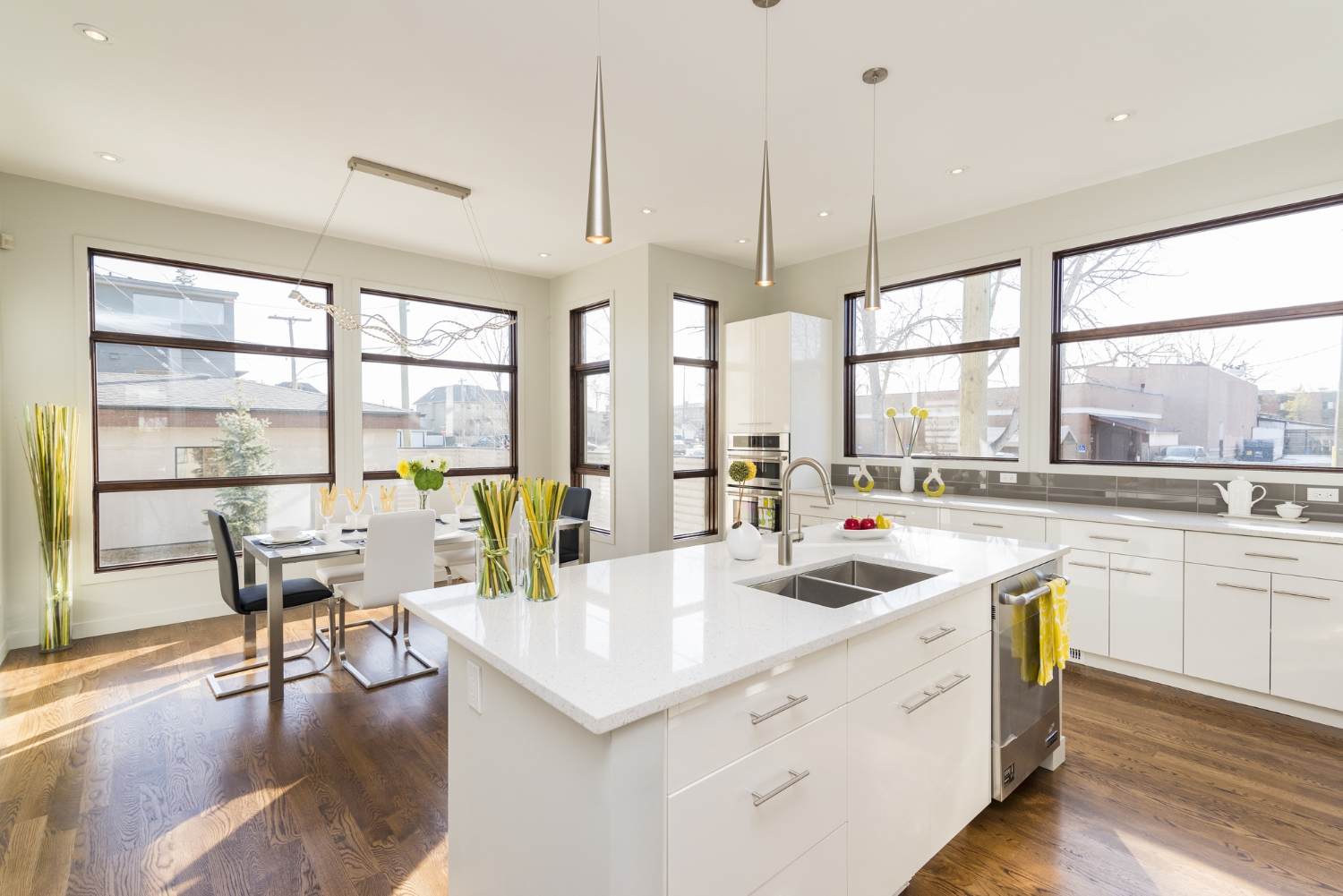
Planning a kitchen remodel can be overwhelming, and mistakes can lead to wasted time and money. Here are some common pitfalls to avoid:
- Neglecting to Measure: Always double-check measurements before ordering cabinets. Incorrect dimensions can lead to costly adjustments.
- Ignoring Workflow: Consider the kitchen work triangle (sink, stove, refrigerator) to ensure efficiency. Poor layout can hinder cooking and cleaning.
- Overlooking Storage Needs: Failing to account for all kitchen items can result in inadequate storage. Make sure to plan for everything from pots to pantry items.
- Rushing the Design Process: Take your time to finalize designs and layouts. Impulsive decisions can lead to regret later on.
Insider Tips for a Successful Remodel
To ensure your kitchen remodel goes smoothly, consider these insider tips:
- Get Multiple Quotes: If hiring professionals, obtain at least three quotes to compare prices and services. This can help you find the best deal.
- Plan for Delays: Construction delays are common. Build extra time into your timeline to accommodate potential setbacks.
- Stay Flexible: Be prepared to make adjustments as the project progresses. Flexibility can save you from unnecessary stress.
- Invest in Quality Hardware: High-quality cabinet hardware can enhance both functionality and aesthetics. Don’t overlook this detail.
- Consult a Designer: If your budget allows, consider hiring a kitchen designer for expert guidance. They can help you maximize space and functionality.
By carefully considering your approach, budget, and potential pitfalls, you can create a well-planned kitchen remodel that meets your needs and enhances your home’s value.
Facts About Planning for Cabinet Space in a Kitchen Remodel
Statistical Insights on Kitchen Remodeling
Planning cabinet space effectively can lead to significant benefits for homeowners. Here are some key statistics and insights:
- Return on Investment (ROI): According to the National Association of Realtors, a minor kitchen remodel can yield an ROI of approximately 81%, making it one of the most valuable home improvements.
- Storage Needs: The average household requires about 25% more kitchen storage than they currently have, according to the American Institute of Architects.
- Budget Allocation: On average, homeowners spend about 30% of their kitchen remodel budget on cabinetry. This emphasizes the importance of thoughtful planning to maximize this investment.
- Time Spent in the Kitchen: Research shows that the average family spends around 60% of their time at home in the kitchen, highlighting the need for a well-organized space.
Benefits of a Thoughtful Approach
Taking the time to plan for cabinet space can lead to multiple advantages:
- Cost Savings: By assessing your needs and planning effectively, you can avoid overspending on unnecessary features or materials.
- Increased Home Value: A well-designed kitchen can significantly enhance your home’s marketability and resale value, attracting potential buyers.
- Improved Comfort and Functionality: A thoughtful layout can enhance your cooking experience, making the kitchen a more enjoyable and efficient space.
When to Start and What to Prioritize
Timing and prioritization are crucial in the planning phase of a kitchen remodel:
- Start Early: Begin planning at least 6 months before your desired remodel date. This allows ample time for design, ordering materials, and scheduling contractors.
- Prioritize Storage Needs: Focus on the types of storage solutions that will best serve your cooking habits. This could include deep drawers for pots, pull-out shelves for pantry items, or specialized cabinets for small appliances.
- Design for the Future: Consider how your needs may change over time. Planning for future storage requirements can save you from costly renovations down the line.
Common Insights from Homeowners
Homeowners often share valuable experiences and advice in online forums. Here’s a summary of what they commonly say:
| Topic | Common Insights |
|---|---|
| Cabinet Size | Many recommend opting for taller cabinets to maximize vertical storage space. |
| Material Choices | Homeowners often suggest investing in quality materials, as they provide better durability and aesthetics in the long run. |
| Layout Planning | Several users emphasize the importance of a functional layout, particularly the work triangle concept. |
| Budgeting | Common advice includes allocating a contingency budget of 10-20% for unexpected costs. |
| Consulting Professionals | Many recommend consulting a kitchen designer for expert advice, especially for complex layouts. |
By understanding the facts, benefits, and insights from other homeowners, you can approach your kitchen remodel with confidence and clarity. Thoughtful planning will not only enhance your kitchen’s functionality but also contribute to long-term satisfaction and value.
