
Remodeling a Double Wide Mobile Home Kitchen
Why This Matters for Homeowners
Remodeling a kitchen in a double wide mobile home is a significant undertaking that can greatly enhance both the functionality and aesthetic appeal of your living space. This question matters for homeowners for several reasons:
- Increased Value: A well-executed kitchen remodel can increase the overall value of your mobile home, making it more appealing to potential buyers.
- Personalization: Remodeling allows homeowners to customize their kitchen according to their specific needs and tastes, creating a space that feels more like home.
- Functionality: An updated kitchen can improve workflow and organization, making cooking and entertaining more enjoyable.
Broader Factors Influencing the Remodel
When considering a kitchen remodel in a double wide mobile home, several broader factors come into play that can impact the process:
- Budget: Financial constraints are often the first consideration. Remodeling costs can vary widely based on materials, labor, and design choices. It’s essential to set a realistic budget before starting the project.
- Time: Remodeling can be time-consuming. Depending on the scope of the project, homeowners should be prepared for disruptions in their daily routines. Planning for a timeline that accommodates both the remodel and any potential delays is crucial.
- Design: The design of a kitchen in a mobile home can differ significantly from traditional homes. Homeowners need to consider layout, storage solutions, and appliance sizes that fit the unique dimensions of a double wide mobile home.
- Regulations: Compliance with local building codes and regulations is essential. Homeowners must ensure that any remodel meets safety standards and zoning laws, which can vary by location.

In summary, remodeling a double wide mobile home kitchen is not just about aesthetics; it involves careful consideration of budget, time, design, and regulations. Each of these factors plays a crucial role in the success of the project, making it important for homeowners to approach the remodel with a clear plan and realistic expectations.
How to Remodel a Double Wide Mobile Home Kitchen
Planning Your Kitchen Remodel
Remodeling a kitchen in a double wide mobile home begins with careful planning. This stage is crucial to ensure that the project runs smoothly and stays within budget. Here are the essential steps you should follow:
1. Assess Your Current Kitchen
Before diving into the remodel, evaluate your existing kitchen layout and functionality. Consider the following:
- Space Utilization: Identify areas that feel cramped or underutilized. For instance, if you have a small dining area, consider an open concept to make the space feel larger.
- Appliance Placement: Assess whether the current placement of appliances is convenient. A common layout is the “work triangle,” which positions the stove, sink, and refrigerator in a triangular formation for efficiency.
2. Set a Budget
Setting a realistic budget is critical. Here’s what to consider:
- Average Costs: A kitchen remodel in a double wide mobile home typically ranges from $5,000 to $15,000, depending on the extent of the changes and materials used.
- Contingency Fund: Always allocate an additional 10-20% of your budget for unexpected expenses, such as repairs to plumbing or electrical systems.
Design Considerations
Once you have a budget in place, the next step is to focus on design. This involves selecting styles, colors, and materials that align with your vision.
1. Choose a Style
Your kitchen style should reflect your personal taste while also being functional. Popular styles include:
- Modern: Sleek lines, minimalistic designs, and neutral colors.
- Rustic: Warm woods, open shelving, and vintage appliances.
- Traditional: Classic cabinetry, decorative moldings, and rich colors.
2. Optimize Storage
Storage is often a challenge in mobile home kitchens. Here are some solutions:
- Vertical Storage: Use wall-mounted shelves or cabinets that extend to the ceiling to maximize space.
- Multi-Functional Furniture: Consider an island that doubles as a dining area or a cart that provides additional counter space and storage.
Executing the Remodel
With a plan and design in place, it’s time to start the actual remodel. This phase involves several key steps.
1. Demolition
If your remodel includes significant changes, you may need to start with demolition. This can involve:
- Removing Old Cabinets: Be prepared for potential wall repairs if cabinets have been removed.
- Taking Out Appliances: Ensure you disconnect any plumbing or electrical connections safely.
2. Structural Changes
If you plan to change the layout, structural changes may be necessary. Consider:
- Wall Removal: Consult a professional to determine if any walls are load-bearing.
- Flooring Updates: Depending on the condition, you may want to replace or refinish the flooring. Average costs for new flooring can range from $3 to $10 per square foot.
3. Installation
Once the demolition and structural changes are complete, the installation phase begins:
- Cabinets and Countertops: Install cabinets first, followed by countertops. Custom cabinets can range from $100 to $500 per linear foot.
- Appliances: Choose energy-efficient models to save on long-term utility costs. Average costs for new appliances can range from $2,000 to $5,000 for a full kitchen suite.
Final Touches and Inspection

After installation, focus on the finishing touches that will bring your kitchen to life.
1. Lighting and Fixtures
Good lighting is essential in any kitchen. Consider:
- Task Lighting: Install under-cabinet lights to illuminate work areas.
- Aesthetic Lighting: Pendant lights over an island or dining area can add style and warmth.
2. Final Inspection
Before declaring the project complete, conduct a thorough inspection:
- Check for Leaks: Ensure all plumbing connections are secure.
- Test Electrical Systems: Ensure all outlets and appliances function properly.
By following these steps, homeowners can effectively remodel a double wide mobile home kitchen, transforming it into a functional and inviting space.
Actionable Advice for Remodeling a Double Wide Mobile Home Kitchen
Choosing Between DIY and Professional Work
Deciding whether to tackle the remodel yourself or hire professionals can significantly impact your project. Each approach has its pros and cons.
DIY Approach
Taking the DIY route can be rewarding and cost-effective, but it requires careful consideration.
- Cost Savings: You can save on labor costs, which can account for 20-35% of the total remodel budget.
- Personal Satisfaction: Completing the project yourself can provide a sense of accomplishment.
- Flexibility: You can work at your own pace, making adjustments as necessary.
Professional Work
Hiring professionals can streamline the process but comes with higher costs.
- Expertise: Professionals bring experience and skills that can prevent costly mistakes.
- Time Efficiency: A professional team can complete the remodel faster than most DIYers.
- Quality Assurance: Many professionals offer warranties on their work, providing peace of mind.
Comparison Table
| Aspect | DIY | Professional |
|---|---|---|
| Cost | Lower, but varies with materials | Higher due to labor costs |
| Time | Longer, depending on your schedule | Faster, typically more efficient |
| Quality | Varies based on skill level | Generally higher, backed by experience |
| Stress Level | Can be high due to uncertainty | Lower, as you can rely on experts |
Budget vs. Premium Remodel
When planning your kitchen remodel, you’ll need to decide between a budget-friendly approach and a premium one.
Budget Remodel
A budget remodel focuses on essential updates without breaking the bank.
- Refacing Cabinets: Instead of replacing cabinets, consider refacing them. This can save up to 50% compared to new cabinets.
- Affordable Countertops: Materials like laminate or butcher block can cost between $20 to $50 per square foot, compared to granite or quartz, which can range from $60 to $150.
- DIY Paint Jobs: A fresh coat of paint can make a significant difference. Paint costs around $30-$50 per gallon, which can cover an entire kitchen.
Premium Remodel
A premium remodel focuses on high-end materials and finishes.
- Custom Cabinets: High-quality custom cabinetry can range from $500 to $1,200 per linear foot.
- Luxury Appliances: Investing in high-end appliances can cost $5,000 or more, but they often come with better warranties and energy efficiency.
- High-End Countertops: Materials like quartz or marble can significantly elevate the kitchen’s look and feel, but expect to pay between $60 and $150 per square foot.
Mistakes to Avoid
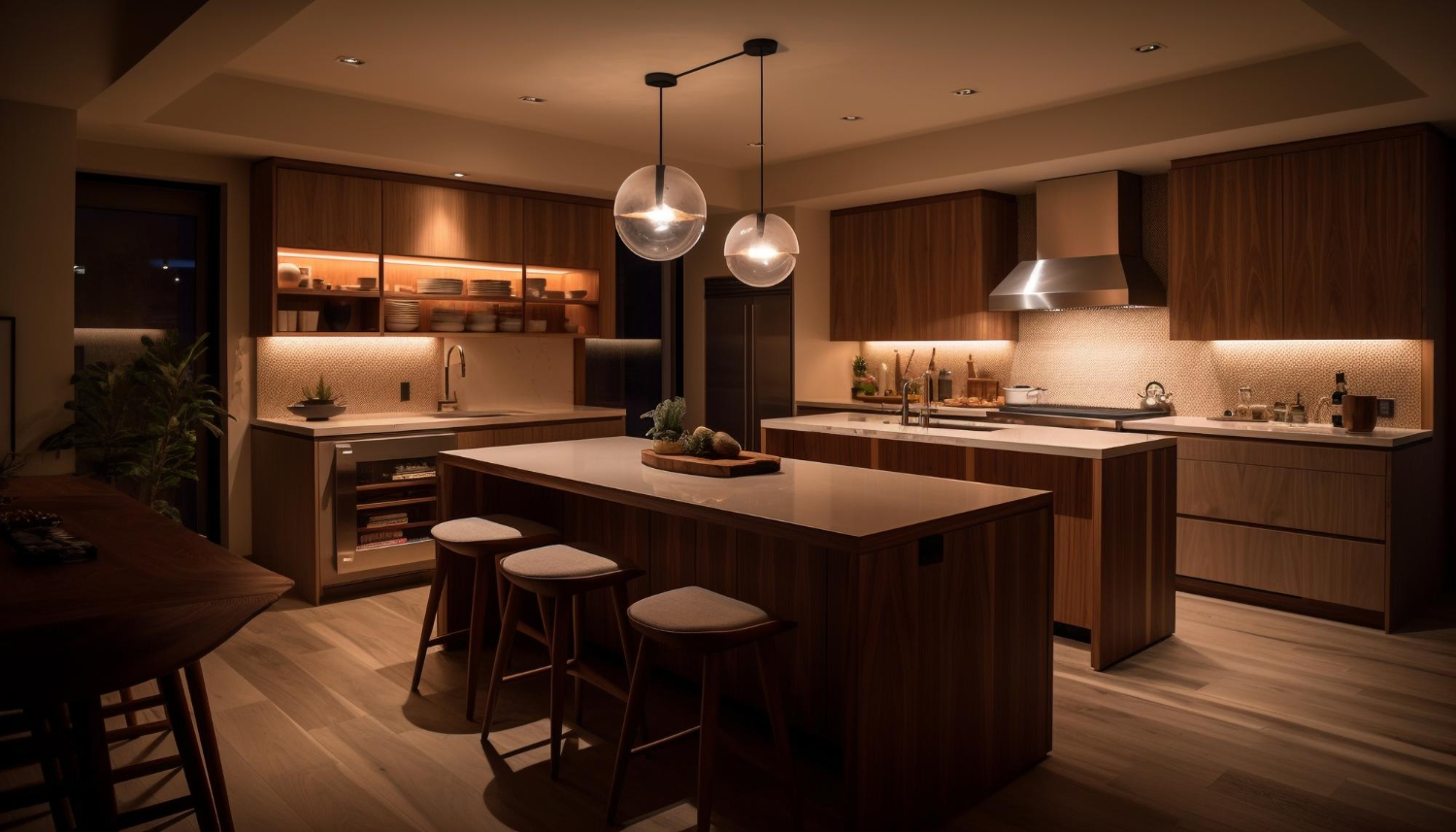
Avoiding common pitfalls can save you time and money during your remodel.
- Neglecting the Layout: Ensure that your new layout promotes efficiency. A poorly planned kitchen can lead to frustration.
- Overestimating DIY Skills: Be realistic about your capabilities. Complex tasks like plumbing and electrical work should be left to professionals.
- Ignoring Storage Needs: Failing to plan for adequate storage can lead to a cluttered kitchen. Consider built-in solutions early in the design phase.
Insider Tips
Here are some insider tips to enhance your remodeling experience:
- Get Multiple Quotes: If hiring professionals, obtain at least three quotes to compare pricing and services.
- Plan for Delays: Always expect the unexpected. Material delays or unforeseen issues can extend timelines.
- Invest in Lighting: Good lighting can transform a space. Consider a mix of ambient, task, and accent lighting for the best effect.
- Think Long-Term: Choose materials and styles that will stand the test of time, both in durability and design.
By carefully considering your options and planning ahead, you can navigate the complexities of remodeling a double wide mobile home kitchen effectively.
Facts About Remodeling a Double Wide Mobile Home Kitchen
Statistical Insights
Understanding the statistics behind kitchen remodeling can provide valuable insights for homeowners. Here are some key facts:
- Return on Investment: According to Remodeling Magazine’s Cost vs. Value report, a minor kitchen remodel can recoup approximately 80% of its cost upon resale. This is particularly relevant for mobile homes, where a well-executed kitchen remodel can significantly increase market value.
- Average Costs: The average cost of remodeling a kitchen in a mobile home ranges from $5,000 to $15,000, depending on the extent of the upgrades and materials selected.
- Energy Efficiency: Upgrading to energy-efficient appliances can save homeowners an average of $200 per year on utility bills, enhancing long-term savings.
Benefits of a Thoughtful Approach
Taking a thoughtful approach to your kitchen remodel can yield several benefits:
1. Saving Money
A well-planned remodel can help you avoid unnecessary expenses:
- Budget Management: Setting a clear budget and sticking to it can prevent overspending. Homeowners who plan their budgets effectively often save 10-15% on overall costs.
- DIY Opportunities: By handling certain tasks yourself—like painting or installing backsplash—you can save on labor costs while still achieving a professional look.
2. Adding Home Value
Investing in your kitchen can significantly enhance your home’s value:
- Market Appeal: A modern, functional kitchen can attract buyers and lead to quicker sales. Homes with updated kitchens sell 10-15% faster than those without.
- Increased Equity: Every dollar spent on a kitchen remodel can increase your home’s equity, making it a smart financial investment.
3. Improving Comfort
A remodel can lead to a more enjoyable living space:
- Enhanced Functionality: A well-designed kitchen improves workflow and makes cooking and entertaining more enjoyable.
- Personalization: Customizing your kitchen to fit your lifestyle can increase satisfaction and comfort in your home.
When to Start and What to Prioritize
Timing and prioritization are crucial for a successful remodel.
1. When to Start
Consider starting your remodel during off-peak seasons, typically late fall or winter. This can lead to:
- Better Availability: Contractors are often more available during these times, which can lead to more competitive pricing.
- Fewer Delays: Material delays are less common during off-peak seasons, allowing for a smoother project timeline.
2. What to Prioritize
When planning your remodel, focus on the following areas:
- Layout and Functionality: Ensure the kitchen layout promotes efficient movement and workflow.
- Storage Solutions: Prioritize cabinets and shelving that maximize space.
- Quality Appliances: Invest in energy-efficient appliances that will save money in the long run.
Common Insights from Homeowners
Homeowners often share valuable insights in forums. Here’s a summary of what they commonly say:
| Topic | Common Insights |
|---|---|
| Budgeting | Many recommend setting a strict budget and tracking all expenses to avoid overspending. |
| DIY vs. Professional | Homeowners often advise knowing your limits—tackle DIY tasks that match your skill level. |
| Design Choices | Neutral colors and timeless designs are often preferred for better resale value. |
| Appliance Selection | Investing in high-quality, energy-efficient appliances is frequently mentioned as a smart move. |
| Timeline | Starting during off-peak seasons can lead to smoother projects, according to several homeowners. |
By leveraging these facts and insights, homeowners can make informed decisions that enhance both their kitchen’s functionality and their home’s overall value.