
Remodeling a Kitchen 1950s Style
Why This Matters for Homeowners
Remodeling a kitchen in the 1950s style is more than just a design choice; it’s a way to revive nostalgia and create a unique space that resonates with both history and modern functionality. Homeowners are increasingly drawn to this retro aesthetic, which combines vibrant colors, playful patterns, and practical layouts. This remodeling trend reflects a growing desire to personalize living spaces and move away from generic designs.
Broader Factors Influencing the Remodel
When considering a 1950s-style kitchen remodel, several factors come into play:
- Budget: Finances are a significant consideration. A 1950s remodel can range from budget-friendly DIY projects to high-end renovations, depending on the materials and appliances chosen. Planning a budget that covers everything from cabinetry to flooring is crucial.
- Time: Remodeling takes time, and the duration can vary based on the complexity of the project. Homeowners should be prepared for potential delays and disruptions to their daily routines.
- Design Choices: The 1950s kitchen is characterized by specific design elements such as pastel colors, checkerboard floors, and retro appliances. Selecting the right features that embody this style while also meeting modern needs is essential.
- Regulations: Local building codes and regulations can impact the remodel. It’s important to check what permits may be needed, especially if structural changes are involved.

Understanding these factors is vital for homeowners who want to achieve a successful remodel. A well-planned project not only enhances the kitchen’s aesthetic appeal but also increases the overall value of the home. In today’s market, a kitchen that reflects a unique style can be a major selling point, making the investment worthwhile.
How to Remodel a Kitchen 1950s Style
Planning Your 1950s Style Kitchen Remodel
Remodeling a kitchen in the 1950s style requires careful planning and execution. Here are the key steps to consider:
1. Define Your Vision
Before diving into the remodel, take time to define what a 1950s kitchen means to you. Gather inspiration from magazines, websites, and social media platforms. Look for elements such as:
- Color schemes: Pastels like mint green, pink, and butter yellow.
- Materials: Glossy finishes, laminate countertops, and chrome details.
- Appliances: Retro-style refrigerators and stoves with rounded edges.
2. Set a Budget
Creating a budget is crucial. The average kitchen remodel can range from $15,000 to $50,000, depending on the extent of the changes. For a 1950s-style remodel, consider the following costs:
- Cabinetry: $3,000 to $10,000 for custom or semi-custom cabinets.
- Appliances: Retro-style appliances can cost between $1,500 to $5,000 each.
- Countertops: Laminate options can range from $20 to $50 per square foot.
- Flooring: Vinyl or linoleum can cost between $2 to $5 per square foot.
- Labor: Expect to pay 20% to 35% of your total budget on labor costs.
3. Create a Timeline
Establish a timeline for your project. A typical kitchen remodel can take anywhere from 6 to 12 weeks. Here’s a basic timeline breakdown:
- Weeks 1-2: Design and planning phase, including finalizing layouts and ordering materials.
- Weeks 3-4: Demolition of existing structures and preparation for new installations.
- Weeks 5-8: Installation of cabinetry, countertops, and appliances.
- Weeks 9-10: Flooring installation and finishing touches.
4. Choose the Right Materials
Selecting materials that reflect the 1950s aesthetic is key. Here are some popular choices:
- Cabinets: Opt for painted wood or laminate finishes in pastel colors or classic white.
- Countertops: Consider laminate with a retro pattern or solid colors.
- Appliances: Look for brands that offer retro-style options, such as Smeg or Big Chill.
- Flooring: Vinyl or linoleum with checkerboard patterns or solid colors.
Executing the Remodel
Once the planning phase is complete, it’s time to execute the remodel. This involves several stages:
1. Demolition
If you are removing existing cabinets, appliances, or fixtures, ensure that you have a clear plan for disposal. This may involve renting a dumpster or arranging for bulk waste pickup.
2. Installation
Start with the installation of cabinetry and countertops. Ensure that cabinets are level and securely mounted. Next, install appliances, making sure to follow the manufacturer’s guidelines for electrical and plumbing connections.
3. Flooring
After the cabinets and appliances are in place, install the flooring. If using vinyl or linoleum, ensure it is laid correctly to avoid bubbles and seams.
4. Finishing Touches
Add finishing touches that enhance the 1950s vibe. Consider:
- Retro light fixtures, such as pendant lights or chandeliers.
- Colorful dishware displayed on open shelves.
- Vintage-inspired accessories, like wall clocks or bar stools.
Challenges to Anticipate

While remodeling can be exciting, it’s important to be aware of potential challenges:
- Unforeseen Repairs: During demolition, you may discover plumbing or electrical issues that need to be addressed, leading to increased costs and delays.
- Supply Chain Delays: Availability of specific materials or appliances can affect your timeline. Order key items early to avoid setbacks.
- Design Cohesion: Balancing retro aesthetics with modern functionality can be tricky. Ensure that your design choices serve both style and usability.
By following these steps and being prepared for challenges, you can successfully remodel your kitchen in a way that captures the charm and character of the 1950s while meeting contemporary needs.
Actionable Advice for Remodeling a Kitchen 1950s Style
DIY vs. Professional Work
When planning a 1950s-style kitchen remodel, one of the first decisions you’ll face is whether to tackle the project yourself or hire professionals. Each approach has its pros and cons.
DIY Approach
Embarking on a DIY remodel can save money, but it requires a significant investment of time and effort. Here are some considerations:
- Cost Savings: DIY can reduce labor costs, potentially saving 20% to 35% of your total budget.
- Personal Satisfaction: Completing a project yourself can be rewarding and create a personal connection to the space.
- Flexibility: You can work at your own pace and make changes as you go.
Professional Work
Hiring professionals ensures that the work is done correctly and efficiently. Here are some points to consider:
- Expertise: Professionals bring experience and knowledge, reducing the risk of costly mistakes.
- Time Efficiency: A professional team can complete the remodel faster than a DIY effort, often within the planned timeline.
- Quality Assurance: Many professionals offer warranties on their work, providing peace of mind.
Budget vs. Premium Remodel
Deciding between a budget remodel and a premium remodel is crucial to your project’s success. The right choice depends on your financial situation and goals.
Budget Remodel
A budget remodel focuses on cost-effective solutions while still achieving a 1950s vibe. Here are some strategies:
- Refurbish Existing Cabinets: Instead of replacing cabinets, consider painting or refinishing them to save money.
- Shop Sales: Look for discounts on appliances and materials, especially during holiday sales or clearance events.
- Use Vinyl Flooring: Vinyl can mimic the look of more expensive materials while being budget-friendly.
Premium Remodel
A premium remodel focuses on high-quality materials and finishes, often resulting in a more polished look. Consider the following:
- Custom Cabinets: Invest in custom cabinetry designed to fit your space and style.
- High-End Appliances: Choose retro-style appliances from reputable brands that offer both style and performance.
- Luxury Countertops: Opt for granite or quartz countertops that provide durability and elegance.
Mistakes to Avoid
Avoiding common pitfalls can save you time and money during your remodel. Here are some mistakes to watch out for:
- Underestimating Costs: Create a detailed budget and account for unexpected expenses, such as repairs or additional materials.
- Ignoring Functionality: While aesthetics are important, ensure that your design meets your cooking and entertaining needs.
- Overlooking Lighting: Good lighting is essential. Incorporate various light sources, including ambient, task, and accent lighting.
Insider Tips
Here are some insider tips to enhance your 1950s kitchen remodel:
- Shop Local: Local salvage yards often have vintage fixtures and materials that add authenticity to your design.
- Mix Styles: Blend 1950s elements with modern conveniences to create a functional yet nostalgic space.
- Plan for the Future: Consider how your kitchen will serve your needs in the coming years. Flexibility in design can add longevity to your remodel.
Cost Comparison Table
| Aspect | Budget Remodel | Premium Remodel |
|---|---|---|
| Cabinetry | Refurbished or stock cabinets ($3,000 – $5,000) | Custom cabinets ($10,000+) |
| Appliances | Basic models ($1,500 – $3,000) | Retro-style high-end models ($3,000 – $5,000 each) |
| Countertops | Laminate ($20 – $50/sq ft) | Granite or quartz ($50 – $100/sq ft) |
| Flooring | Vinyl or linoleum ($2 – $5/sq ft) | Hardwood or high-end tiles ($5 – $15/sq ft) |
| Labor | DIY (saves 20% – 35% on total costs) | Professional (20% – 35% of total budget) |
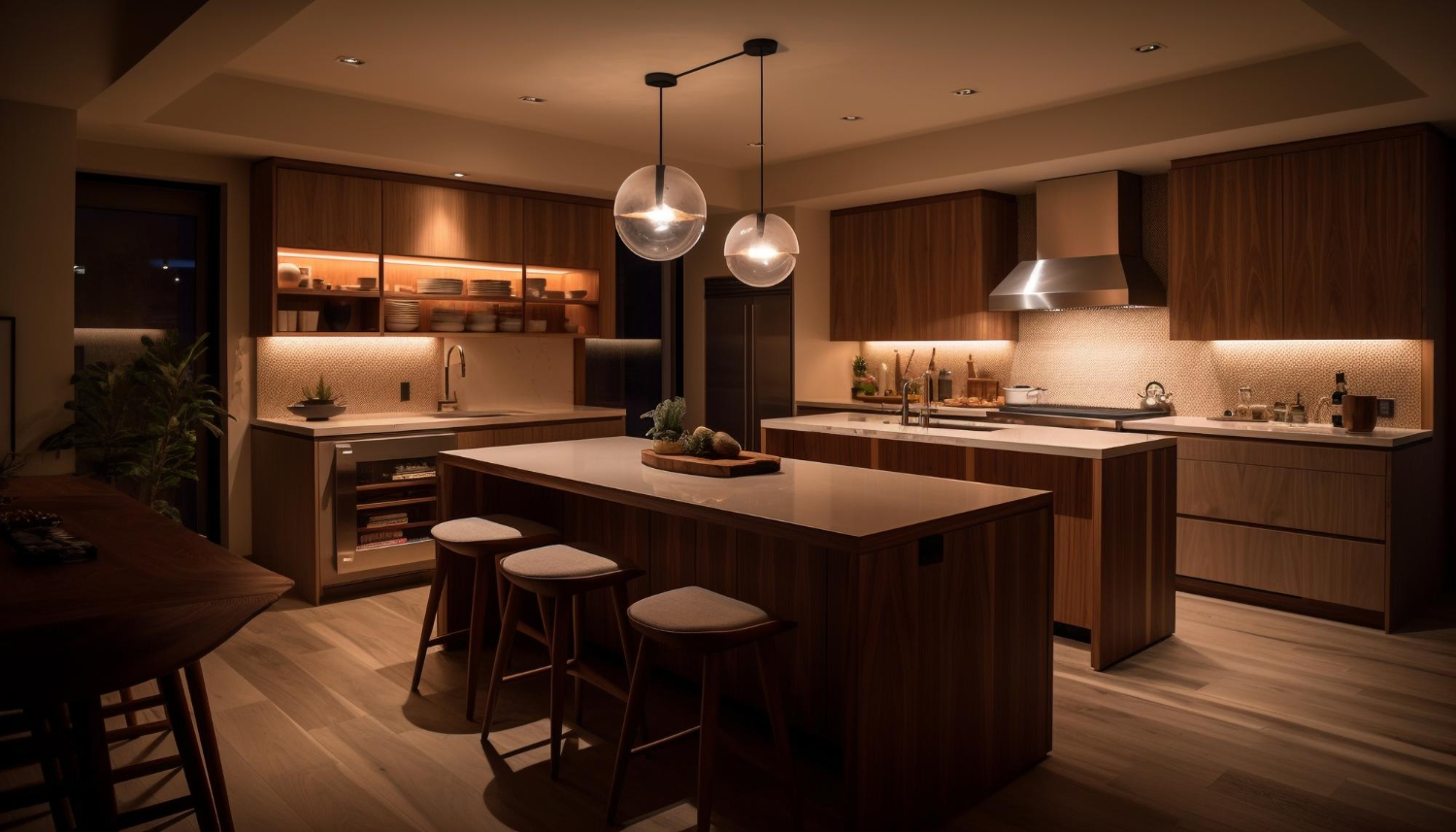
By carefully weighing your options and avoiding common mistakes, you can create a stunning 1950s-style kitchen that meets your needs and reflects your personal style.
Facts About Remodeling a Kitchen 1950s Style
Statistical Insights
Remodeling a kitchen in the 1950s style can be a rewarding investment for homeowners. Here are some facts and statistics that highlight the benefits of this approach:
1. Return on Investment (ROI)
According to the National Association of Realtors, a kitchen remodel can yield a return on investment of approximately 60% to 80%. A well-executed remodel that embraces the 1950s aesthetic can attract buyers looking for unique and character-filled homes.
2. Popularity of Retro Designs
A survey conducted by Houzz revealed that retro and vintage designs are increasingly popular among homeowners. About 25% of homeowners reported incorporating retro elements into their kitchen remodels, reflecting a desire for nostalgia and individuality.
3. Cost-Effective Solutions
HomeAdvisor reports that the average cost of a kitchen remodel ranges from $12,000 to $35,000. By focusing on a 1950s style, homeowners can prioritize budget-friendly materials and refurbish existing elements, potentially saving 20% to 30% on overall costs.
Benefits of a Thoughtful Approach
Taking a thoughtful approach to your remodel can lead to significant benefits:
- Saving Money: By planning carefully and making informed choices, homeowners can avoid overspending. Utilizing materials that fit the 1950s style without breaking the bank is possible.
- Adding Home Value: A well-designed 1950s kitchen can enhance your home’s appeal, making it more attractive to potential buyers. Unique features often command a higher price in the real estate market.
- Improving Comfort: A kitchen that reflects your personal style and meets your functional needs can greatly enhance your daily life. Thoughtful design contributes to a more enjoyable cooking and entertaining experience.
When to Start and What to Prioritize
Timing and prioritization are key to a successful remodel. Here’s some advice on when to start and what aspects to focus on:
1. Timing
The best time to start a kitchen remodel is during the off-peak season, typically late fall or winter. This timing can lead to better pricing on materials and availability of contractors.
2. Prioritization
Focus on these key areas to maximize the impact of your remodel:
- Layout: Ensure the kitchen layout is functional and accommodates your cooking habits. The classic work triangle (sink, stove, refrigerator) is a great starting point.
- Cabinetry: Invest in quality cabinets that reflect the 1950s style. Refurbishing existing cabinets can be a cost-effective option.
- Appliances: Choose retro-style appliances that enhance the aesthetic while providing modern efficiency.
- Lighting: Incorporate a mix of task and ambient lighting to create a warm and inviting atmosphere.
Common Insights from Homeowners
Homeowners often share valuable insights and experiences in forums when discussing their kitchen remodels. Here’s a summary of common sentiments:
| Common Insights | Details |
|---|---|
| Prioritize Functionality | Many homeowners emphasize the importance of a functional layout over purely aesthetic choices. |
| Budget Wisely | Homeowners frequently advise setting a realistic budget and sticking to it to avoid overspending. |
| Plan for Delays | Many report unexpected delays, stressing the importance of flexibility in timelines. |
| Research Materials | Homeowners recommend researching materials thoroughly to find the best combination of quality and affordability. |
| Seek Inspiration | Many suggest gathering ideas from various sources, including online platforms and local showrooms, to refine design choices. |
By leveraging these facts and insights, homeowners can embark on their 1950s-style kitchen remodel with confidence, ensuring a thoughtful approach that maximizes both enjoyment and investment value.