
How Long Do Kitchen Remodels Last?
The Importance of Knowing Kitchen Remodel Longevity
When considering a kitchen remodel, one of the most pressing questions homeowners face is: how long will the results of this investment last? This question is crucial for several reasons. A kitchen remodel is often one of the most significant home improvement projects a homeowner will undertake, both in terms of financial investment and disruption to daily life. Knowing the potential lifespan of a remodel helps homeowners make informed decisions about design choices, materials, and budgeting.
Factors Influencing Kitchen Remodel Longevity
Several broader factors influence how long a kitchen remodel will last. Understanding these can help homeowners set realistic expectations and plan accordingly.
- Budget: The amount of money allocated for a remodel significantly impacts the quality of materials and labor. Higher budgets often allow for more durable materials and professional craftsmanship, which can extend the lifespan of the remodel.
- Quality of Materials: The materials chosen for countertops, cabinets, flooring, and appliances play a critical role in durability. For instance, granite countertops typically outlast laminate, and solid wood cabinets tend to be more durable than particle board.
- Design Choices: A timeless design can help ensure that the kitchen remains appealing for many years. Trends come and go, and choosing a classic style can prolong the remodel’s relevance and functionality.
- Usage: The frequency and manner in which the kitchen is used can affect its longevity. A kitchen that sees heavy daily use will naturally wear out faster than one used occasionally.
- Installation Quality: Professional installation is key. Poorly installed cabinets, countertops, or appliances can lead to issues that shorten the lifespan of the remodel.
- Regulations: Local building codes and regulations can also impact the longevity of a remodel. Compliance with these regulations ensures safety and may prevent future issues that could arise from non-compliance.
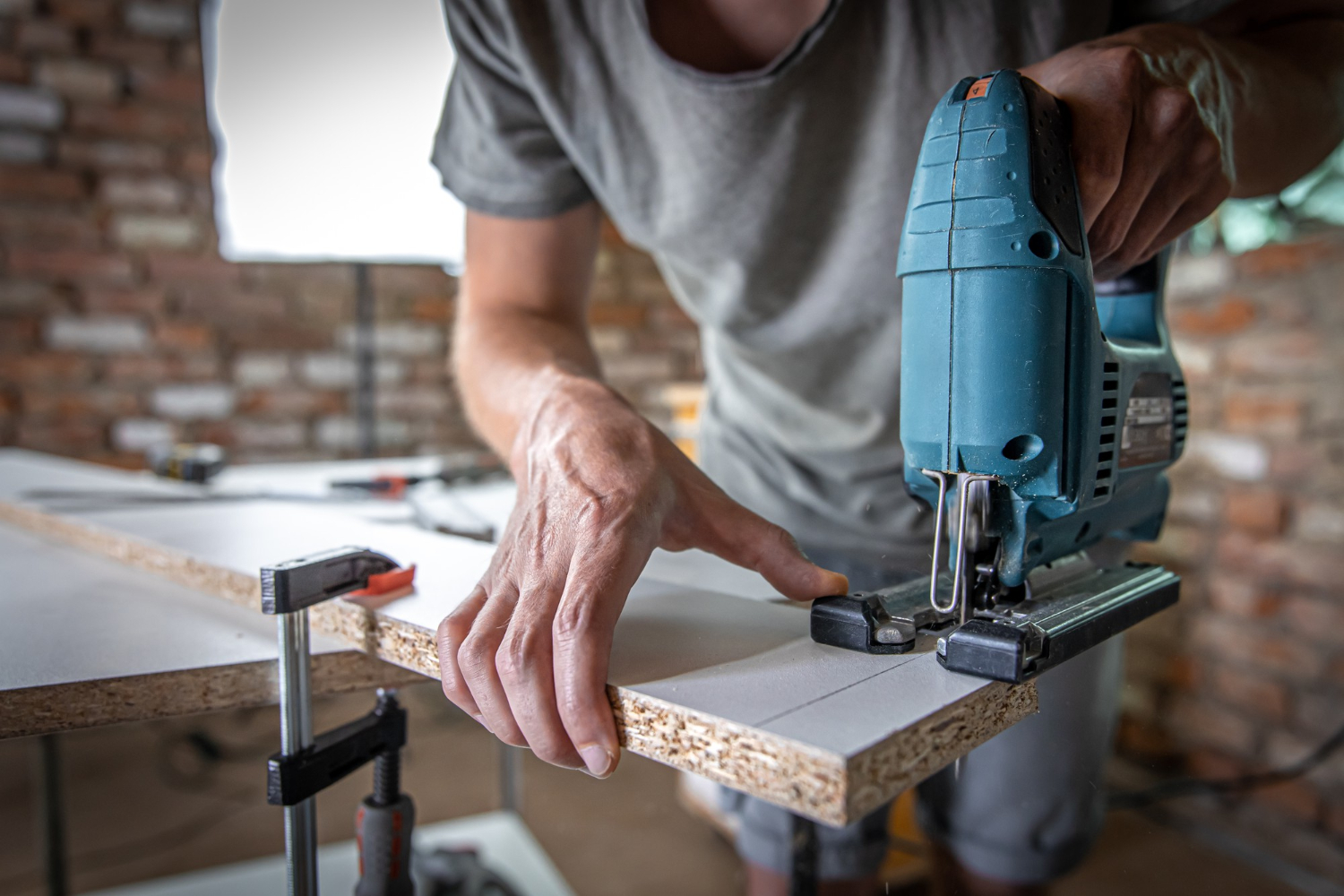
By considering these factors, homeowners can gain a clearer picture of how long their kitchen remodel might last and what they can do to maximize its lifespan. This knowledge is essential for making choices that align with both immediate needs and long-term goals.
How Long Do Kitchen Remodels Last?
Average Lifespan of Kitchen Components
Understanding the average lifespan of various kitchen components is crucial for homeowners planning a remodel. Different elements contribute differently to the overall longevity of the kitchen. Here’s a breakdown:
- Cabinets: Quality kitchen cabinets can last anywhere from 15 to 50 years. Solid wood cabinets typically have a longer lifespan than those made from particle board or MDF.
- Countertops: The lifespan of countertops varies widely depending on the material. For example:
- Granite: 20-30 years
- Quartz: 25-50 years
- Laminate: 10-15 years
- Butcher Block: 5-20 years, depending on maintenance
- Appliances: Most major kitchen appliances, such as refrigerators, ovens, and dishwashers, have a lifespan of about 10-15 years. Investing in high-quality appliances can extend this timeframe.
- Flooring: The lifespan of kitchen flooring can also vary:
- Tile: 20-30 years
- Hardwood: 15-25 years
- Vinyl: 10-20 years
Planning and Execution Timeline
The process of remodeling a kitchen can be lengthy and involves several steps. Here’s a general timeline for a kitchen remodel:
- Initial Planning (1-2 weeks): This phase involves setting a budget, gathering inspiration, and determining the scope of the project.
- Design Phase (2-4 weeks): Homeowners work with designers or contractors to create detailed plans, including layout, materials, and color schemes.
- Permitting (2-6 weeks): Depending on local regulations, obtaining necessary permits can take time. This step is crucial for ensuring compliance with building codes.
- Demolition (1-2 weeks): The old kitchen is removed, which can take a week or two, depending on the size and complexity.
- Construction (4-12 weeks): This phase includes installing cabinets, countertops, flooring, and appliances. The timeline varies based on the scope of work and any unforeseen challenges.
- Final Touches (1-2 weeks): This includes painting, installing fixtures, and final inspections. The kitchen is then ready for use.
Potential Challenges and Delays
While planning a kitchen remodel, homeowners should be aware of potential challenges that can extend the timeline:
- Supply Chain Issues: Delays in receiving materials or appliances can slow down the entire project.
- Unforeseen Structural Issues: During demolition, hidden problems like plumbing or electrical issues may arise, necessitating additional work.
- Design Changes: Last-minute changes to design or materials can lead to delays and increased costs.
- Weather Conditions: For homes that require exterior work, inclement weather can halt progress.
Maintenance and Care for Longevity
To maximize the lifespan of a kitchen remodel, proper maintenance is essential. Here are some maintenance tips:
- Regular Cleaning: Keeping surfaces clean helps prevent damage and wear.
- Prompt Repairs: Addressing minor issues, such as scratches or leaks, immediately can prevent them from becoming larger problems.
- Periodic Inspections: Regularly inspecting appliances and plumbing can help identify potential issues before they escalate.
By understanding the average lifespan of kitchen components, planning effectively, anticipating challenges, and committing to maintenance, homeowners can ensure their kitchen remodel lasts as long as possible, providing both functionality and aesthetic appeal for years to come.
Actionable Advice for Kitchen Remodels
DIY vs. Professional Work
One of the most significant decisions homeowners face during a kitchen remodel is whether to take a DIY approach or hire professionals. Each option has its pros and cons, and understanding these can help homeowners make an informed choice.
| Aspect | DIY | Professional |
|---|---|---|
| Cost | Lower initial costs; potential savings on labor | Higher costs due to labor and expertise |
| Time | Can take longer due to inexperience and scheduling | Typically faster due to experience and resources |
| Quality | Varies greatly; potential for mistakes | Usually higher quality due to expertise |
| Stress | Can be stressful without proper skills | Less stress; professionals manage the project |
When to Choose DIY
DIY can be a viable option for homeowners who:
- Have experience with home improvement projects.
- Are comfortable working with tools and materials.
- Want to save on labor costs and are willing to invest time.
When to Hire Professionals
Hiring professionals is advisable when:
- The project involves complex plumbing or electrical work.
- Homeowners lack the time or skills to complete the remodel.
- Quality and craftsmanship are top priorities.
Budget vs. Premium Remodels
Another critical aspect of kitchen remodeling is choosing between a budget-friendly remodel and a premium upgrade. Each approach has its own set of advantages and challenges.
| Aspect | Budget Remodel | Premium Remodel |
|---|---|---|
| Cost | Lower overall costs, typically under $20,000 | Higher investment, often exceeding $50,000 |
| Materials | Use of cost-effective materials like laminate and stock cabinets | High-end materials such as granite, custom cabinetry, and premium appliances |
| Return on Investment | Good ROI, but may not recoup all costs | Excellent ROI if the home is in a high-value market |
| Customization | Limited customization options | Extensive customization available |
Tips for Budget Remodels
For homeowners on a budget, here are some actionable tips:
- Refinish existing cabinets instead of replacing them.
- Opt for laminate or vinyl flooring instead of hardwood or tile.
- Choose budget-friendly appliances that offer good warranties.
Tips for Premium Remodels

For those opting for a premium remodel, consider the following:
- Invest in energy-efficient appliances to save on utility bills long-term.
- Consider custom cabinetry for a tailored look and better storage solutions.
- Incorporate high-quality finishes and fixtures to enhance aesthetics.
Common Mistakes to Avoid
When remodeling a kitchen, avoiding common pitfalls can save time, money, and frustration. Here are mistakes to steer clear of:
- Underestimating Costs: Always budget for unexpected expenses, typically 10-20% more than the initial estimate.
- Ignoring Functionality: A beautiful kitchen is not useful if it lacks functionality. Prioritize workflow and storage solutions.
- Skipping Research: Failing to research materials, appliances, and contractors can lead to poor decisions.
- Rushing the Process: Take time to plan and design. Hasty decisions often lead to regret.
Insider Tips for a Successful Remodel
Here are some insider tips to ensure a smooth kitchen remodel:
- Consult with a designer early in the process to maximize space and functionality.
- Visit showrooms to see materials and appliances in person before making decisions.
- Communicate clearly with contractors about expectations and timelines.
- Document everything, from contracts to receipts, to avoid disputes later.
By carefully considering the options between DIY and professional work, evaluating budget versus premium remodels, and avoiding common mistakes, homeowners can navigate the complexities of a kitchen remodel more effectively. Implementing insider tips can further enhance the overall experience and outcome of the project.
Facts About Kitchen Remodel Longevity
Statistical Insights on Kitchen Remodel Lifespan
Understanding how long kitchen remodels last can help homeowners make informed decisions. Here are some key statistics and insights:
- According to the National Kitchen & Bath Association (NKBA), a well-planned kitchen remodel can last between 15 to 30 years, depending on the materials and design choices.
- A survey by Remodeling Magazine found that minor kitchen remodels recoup about 80% of their costs upon resale, while major remodels recoup around 62%.
- The average lifespan of kitchen cabinets is 15-50 years, depending on the material. Solid wood cabinets tend to last the longest, while laminate may need replacement sooner.
- Countertops made of quartz can last 25-50 years, making them a durable choice for long-term use.
Benefits of a Thoughtful Approach
Taking a thoughtful approach to kitchen remodeling can yield significant benefits:
- Saving Money: A well-planned remodel can minimize costly mistakes and reduce the need for frequent updates or repairs.
- Adding Home Value: A kitchen remodel is one of the top home improvement projects that can increase property value, making it a wise investment.
- Improving Comfort: Thoughtful design can enhance the kitchen’s functionality, making it a more enjoyable space for cooking and entertaining.
When to Start and What to Prioritize
Timing and priorities can greatly influence the success of a kitchen remodel. Here’s some advice on when to start and what to focus on:
- Start Planning Early: Begin planning your remodel at least six months in advance. This allows time for research, design, and budgeting.
- Prioritize Layout and Functionality: Focus on optimizing the kitchen layout for efficiency. The kitchen work triangle (the distance between the sink, stove, and refrigerator) should be a primary consideration.
- Invest in Quality Materials: Choose durable materials that will last longer, even if they come at a higher initial cost. This can save money in the long run.
- Consider Energy Efficiency: Upgrading to energy-efficient appliances can lower utility bills and contribute to long-term savings.
Common Insights from Homeowners
Homeowners often share valuable insights and experiences in forums regarding kitchen remodels. Here’s a summary of what they commonly say:
| Common Insights | Homeowner Comments |
|---|---|
| Budgeting | “Always set aside an extra 15% for unexpected costs.” |
| Quality Over Quantity | “Invest in high-quality materials; it pays off in the long run.” |
| Functionality First | “Don’t sacrifice layout for aesthetics; make it functional.” |
| Research | “Take your time researching products and contractors.” |
| DIY vs. Professional | “Know your limits; some tasks are better left to professionals.” |
By understanding the facts surrounding kitchen remodel longevity, recognizing the benefits of a thoughtful approach, and considering insights from fellow homeowners, you can make informed decisions that lead to a successful kitchen remodel. Prioritizing functionality, quality, and thorough planning can significantly enhance the outcome of your project.