
How Long Does a DIY Kitchen Remodel Take?
Why This Question Matters for Homeowners
When considering a DIY kitchen remodel, one of the most pressing questions homeowners face is: how long will it take? This inquiry is not merely about planning; it encompasses a range of factors that can significantly impact the overall process. Knowing the estimated duration helps homeowners budget their time, manage expectations, and coordinate other aspects of their lives, such as work and family commitments.
A kitchen remodel is a substantial undertaking that often requires careful planning and execution. Homeowners need to be aware of the potential time commitment involved, as delays can lead to frustration and increased costs. Additionally, understanding the timeline can help in making informed decisions about whether to tackle the project alone or hire professionals.
Broader Factors Influencing the Timeline

Several broader factors can influence how long a DIY kitchen remodel takes:
- Budget: The amount of money allocated for the remodel can dictate the scope of the project. A limited budget may require more time-consuming DIY solutions, while a larger budget may allow for quicker, outsourced work.
- Design Complexity: The complexity of the design plays a critical role. A simple update like painting cabinets may take less time compared to a full-scale renovation that involves structural changes or custom cabinetry.
- Skill Level: Homeowners’ experience and skill level can greatly affect the timeline. Someone with advanced skills may complete tasks more quickly than a novice, who may need more time to learn techniques and troubleshoot issues.
- Permits and Regulations: Depending on the scope of the remodel, obtaining necessary permits can add time to the project. Regulations vary by location, and navigating the approval process can be time-consuming.
- Material Availability: The availability of materials can also impact how long the remodel takes. If specific items are on backorder or need to be custom ordered, this can significantly extend the timeline.
- Work Schedule: The amount of time homeowners can dedicate to the project each week will directly affect how long the remodel takes. A full-time job or other commitments may limit available working hours.
By considering these factors, homeowners can develop a more realistic timeline for their DIY kitchen remodel, which is essential for a successful and satisfying project.
Breaking Down the Timeline of a DIY Kitchen Remodel
Initial Planning and Design
The first step in any DIY kitchen remodel is the planning and design phase. This stage is crucial as it sets the foundation for the entire project. Homeowners typically spend anywhere from a few days to several weeks on this phase, depending on the complexity of the design.
- Research and Inspiration: Homeowners often start by gathering ideas from magazines, websites, or social media platforms. This can take 1-2 weeks.
- Design Layout: Creating a layout involves measuring the space and deciding on the arrangement of appliances, cabinets, and countertops. This can take an additional week.
- Budgeting: Establishing a budget is essential and can take several days as homeowners research costs for materials and labor.
Overall, the planning and design phase can take anywhere from 2 to 6 weeks.
Demolition Phase
Once the planning is complete, the demolition phase begins. This stage can vary significantly in duration based on the extent of the remodel.
- Removing Old Fixtures: Taking out old cabinets, countertops, and appliances can take between 1-3 days depending on the kitchen size.
- Disposing of Materials: Proper disposal of materials may take an additional day, especially if homeowners need to rent a dumpster.
In total, the demolition phase usually lasts about 1 to 2 weeks.
Installation of New Features
The installation phase is where the bulk of the remodeling takes place. This can be the longest part of the project and typically takes 4 to 8 weeks.
Cabinet Installation
Installing cabinets is often one of the most time-consuming tasks.
- Time Required: Installation can take 1-3 days for stock cabinets and up to a week for custom cabinets.
- Challenges: Ensuring level and plumb installations can add extra time if adjustments are needed.
Countertops
After cabinets, countertops are installed.
- Time Required: This typically takes 1-3 days, depending on the material chosen (e.g., laminate vs. granite).
- Challenges: Custom countertops may require templating and curing time, extending this phase.
Appliances and Fixtures
Installing new appliances and fixtures follows the countertops.
- Time Required: This can take 1-2 days for standard installations.
- Challenges: If plumbing or electrical work is needed, this can add several days to the timeline.
Finishing Touches
The finishing touches can take an additional 1-2 weeks and include:
- Painting: Painting walls and cabinets can take 3-5 days, depending on the number of coats needed.
- Backsplash Installation: Installing a backsplash usually takes 1-2 days.
- Final Cleanup: Cleaning the entire kitchen and disposing of any remaining debris may take an additional day.
Potential Challenges and Delays

While planning a DIY kitchen remodel, homeowners should be prepared for potential challenges and delays that can impact the overall timeline.
- Material Delays: If a homeowner orders custom materials, delays in shipping can extend the timeline by weeks.
- Unexpected Repairs: Discovering issues like plumbing leaks or electrical problems during the remodel can lead to significant delays.
- Time Management: Balancing the remodel with other responsibilities can slow progress, especially for first-time DIYers.
In summary, a DIY kitchen remodel can take anywhere from 6 to 12 weeks or more, depending on various factors such as planning, installation, and potential challenges. Understanding these timelines can help homeowners better prepare for their kitchen renovation journey.
Actionable Advice for Your DIY Kitchen Remodel
Comparing Common Approaches
When embarking on a kitchen remodel, homeowners often face the decision of whether to go the DIY route or hire professionals. Each approach has its pros and cons, which can significantly affect both the timeline and budget.
| Approach | Pros | Cons |
|---|---|---|
| DIY |
|
|
| Professional Work |
|
|
Budget vs. Premium Remodel
The budget for a kitchen remodel can vary widely, affecting the materials and finishes chosen. Understanding the differences between budget and premium remodels can help homeowners make informed decisions.
| Category | Budget Remodel | Premium Remodel |
|---|---|---|
| Cabinets | Stock cabinets or DIY refinishing | Custom cabinetry with high-end finishes |
| Countertops | Laminate or low-cost solid surfaces | Granite, quartz, or marble |
| Appliances | Basic models with essential features | High-end appliances with advanced technology |
| Flooring | Vinyl or laminate | Hardwood or luxury vinyl planks |
Common Mistakes to Avoid
Avoiding common pitfalls can save time and money during a kitchen remodel. Here are some mistakes to watch out for:
- Underestimating Time: Many homeowners misjudge how long tasks will take. Always allow for extra time in your schedule.
- Neglecting Planning: Skipping the planning phase can lead to costly mistakes. Invest time in designing the layout and choosing materials before starting.
- Ignoring the Budget: It’s easy to overspend, especially on materials. Set a strict budget and stick to it, including a contingency fund for unexpected expenses.
- Overlooking Details: Small details can make a big difference. Pay attention to finishes, hardware, and lighting, as they contribute to the overall aesthetic.
Insider Tips for a Successful Remodel
To ensure a smoother remodeling process, consider the following insider tips:
- Start with a Clear Vision: Create a mood board or Pinterest board to visualize your desired outcome. This helps in making cohesive design choices.
- Invest in Quality Tools: If you plan to DIY, having the right tools can make a huge difference. Invest in quality tools that will last for future projects.
- Learn from Others: Join online forums or local groups to gain insights from others who have completed similar projects. Their experiences can provide valuable tips and avoid common mistakes.
- Take Breaks: Remodeling can be exhausting. Schedule breaks to avoid burnout and keep your motivation high.
By carefully considering your approach, budget, and potential pitfalls, you can navigate the complexities of a DIY kitchen remodel more effectively.
Facts About the Duration of a DIY Kitchen Remodel
Statistical Insights on Remodeling Duration
Understanding how long a DIY kitchen remodel typically takes can help homeowners set realistic expectations. According to various studies and surveys, the average duration for a DIY kitchen remodel ranges from 6 to 12 weeks. Here are some key statistics:
- National Kitchen & Bath Association (NKBA): Reports indicate that a full kitchen remodel can take approximately 10-12 weeks, depending on the complexity of the project.
- HomeAdvisor: Their survey found that homeowners spend an average of 6-8 weeks on DIY kitchen renovations, with time varying based on the scope of work.
- Remodeling Magazine: Their annual Cost vs. Value report suggests that kitchen remodels can yield a return on investment (ROI) of around 70-80% when done thoughtfully.
Benefits of a Thoughtful Approach
Taking a well-planned approach to a DIY kitchen remodel can lead to several significant benefits:
Saving Money
A thoughtful approach can save homeowners a considerable amount of money:
- DIY Labor Costs: By doing the work themselves, homeowners can save thousands in labor costs, which typically account for 20-35% of the total remodeling budget.
- Smart Material Choices: Researching and selecting materials wisely can lead to significant savings. For example, opting for laminate countertops instead of granite can save hundreds of dollars.
Adding Home Value
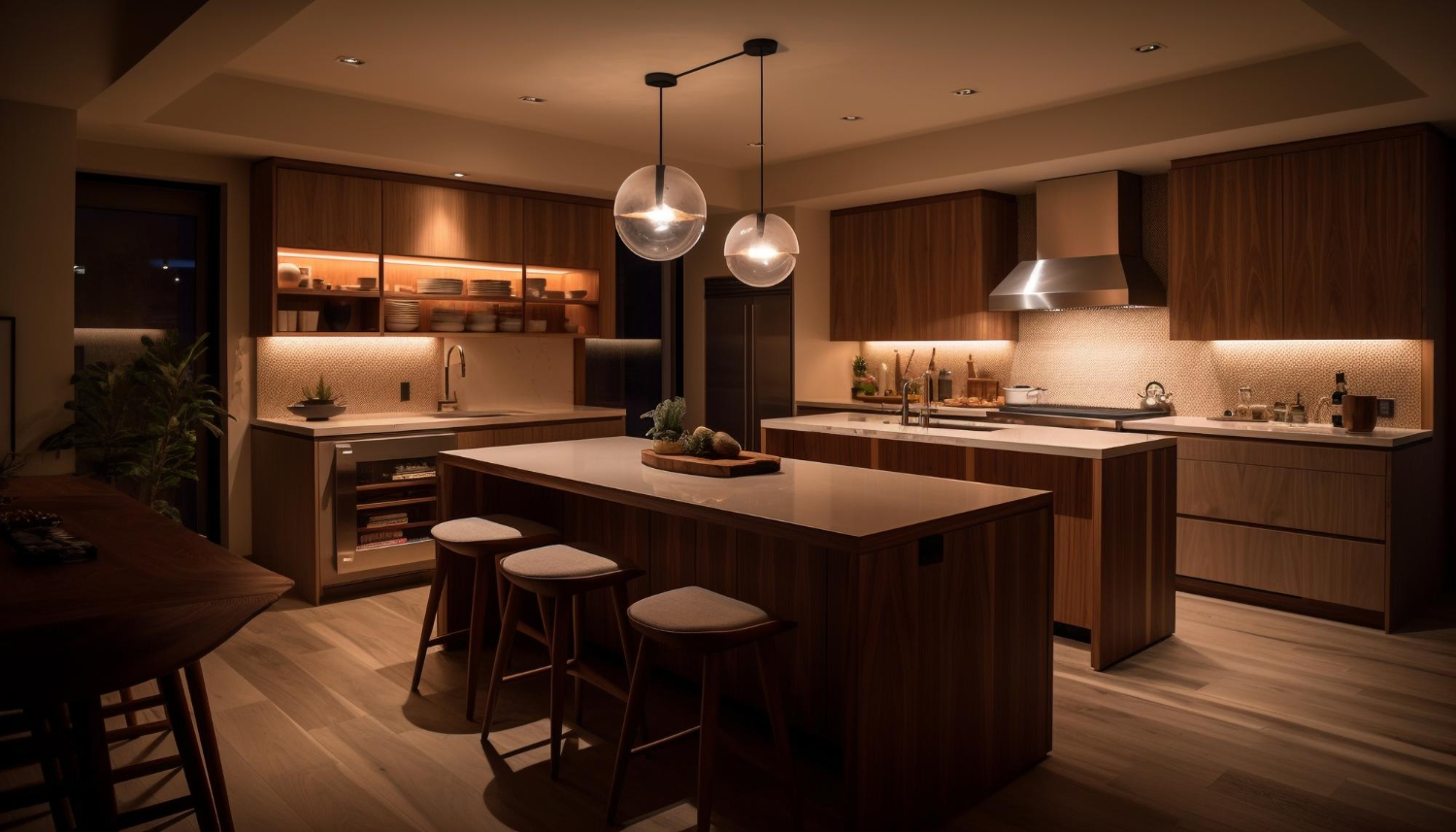
A well-executed kitchen remodel can significantly increase a home’s value:
- High ROI: As mentioned earlier, kitchen remodels often provide one of the highest returns on investment compared to other home improvements.
- Attracting Buyers: A modern, functional kitchen is a key selling point for potential buyers, making the home more appealing in a competitive market.
Improving Comfort
A kitchen remodel can enhance the overall comfort and functionality of a home:
- Better Layout: A thoughtful design can improve workflow, making cooking and entertaining more enjoyable.
- Updated Features: New appliances and fixtures can improve energy efficiency and convenience, leading to a more pleasant cooking experience.
Final Advice on Starting Your Remodel
When considering a DIY kitchen remodel, it’s essential to prioritize the following:
- Research and Planning: Invest time in researching design ideas, materials, and costs. A well-thought-out plan will save time and frustration later.
- Set a Realistic Timeline: Based on the scope of your project, establish a timeline that factors in potential delays and challenges.
- Focus on Key Areas: Prioritize areas that will make the most significant impact, such as layout changes, cabinetry, and countertops.
Common Insights from Homeowners
Homeowners often share valuable insights and experiences in online forums. Here’s a summary of what they commonly say:
| Topic | Common Insights |
|---|---|
| Planning | Many emphasize the importance of thorough planning to avoid costly mistakes. |
| Time Management | Homeowners frequently mention that projects take longer than expected, often due to unforeseen challenges. |
| Budgeting | Staying within budget is a common concern, with many suggesting to set aside a contingency fund for unexpected costs. |
| DIY vs. Professional Help | Some recommend hiring professionals for complex tasks, such as electrical or plumbing work, to ensure safety and compliance. |
| Learning Curve | Many share tips on learning new skills through online tutorials and community resources, which can make DIY projects more manageable. |