
Do I Need a Building Permit for a Kitchen Remodel?
Why This Question Matters
When embarking on a kitchen remodel, one of the first questions homeowners often ask is whether they need a building permit. This inquiry is crucial for several reasons that extend beyond mere compliance with local laws. Understanding the necessity of a permit can significantly affect various aspects of your remodeling project, including:
- Financial Implications: Obtaining a permit typically incurs fees, which can vary widely depending on your location and the scope of your remodel. However, failing to secure a permit can lead to costly fines and complications down the road.
- Time Considerations: The permitting process can take time, often requiring several days to weeks for approval. If you’re on a tight schedule, this delay can push back your project timeline, affecting everything from contractor availability to your own plans.
- Design Limitations: Certain designs may not be permissible under local codes. A permit ensures that your remodel adheres to zoning laws and building codes, which can influence everything from layout to structural changes.
- Resale Value: If you plan to sell your home in the future, having a permit for your remodel can enhance its marketability. Buyers are often wary of unpermitted work, which can lead to complications during inspections.
- Legal Compliance: Building codes are established for safety and structural integrity. Ensuring your remodel complies with these codes can prevent legal issues and ensure that your renovation is safe and sound.
Broader Factors Influencing the Decision
Several broader factors influence whether a homeowner should pursue a building permit for a kitchen remodel:
- Local Regulations: Building codes vary significantly from one municipality to another. It’s essential to familiarize yourself with your local regulations, as some areas have stricter requirements than others.
- Scope of the Project: Minor cosmetic changes, such as replacing cabinets or painting, often do not require permits. However, more extensive renovations, like moving plumbing or electrical fixtures, usually do.
- Contractor Guidance: If you’re hiring a contractor, they should be well-versed in local permitting requirements. Their expertise can guide you through the process and help you avoid potential pitfalls.
- Insurance Considerations: Many insurance policies require that all renovations be permitted. If you fail to obtain a permit, you may find yourself without coverage if something goes wrong during or after the remodel.

Navigating the permit process can seem daunting, but understanding its importance is a crucial step in ensuring a successful kitchen remodel.
Understanding the Need for a Building Permit in a Kitchen Remodel
When Is a Permit Required?
Determining whether you need a building permit for your kitchen remodel largely depends on the scope of your project. Here are some common scenarios:
- Structural Changes: If your remodel involves removing or altering walls, you will likely need a permit. For example, taking down a load-bearing wall can impact the structural integrity of your home, necessitating a permit.
- Electrical Work: Any changes to the electrical system, such as adding outlets, moving light fixtures, or upgrading the electrical panel, generally require a permit. Electrical work must meet safety standards to prevent hazards.
- Plumbing Alterations: If you’re relocating sinks, dishwashers, or any plumbing fixtures, a permit is typically required. This ensures that the plumbing work complies with local codes to prevent leaks and water damage.
- HVAC Modifications: Changes to heating or cooling systems, including new ductwork or relocating HVAC units, usually necessitate a permit.
- Cosmetic Changes: Simple updates like painting, replacing countertops, or installing new cabinets typically do not require a permit. However, it’s always best to check local regulations.
Examples of Permit Requirements
To give you a clearer picture, here are some examples of projects and their permit requirements:
- Removing a Load-Bearing Wall: A structural engineer may need to assess the project, which could take several days. The permit process could take an additional 2-4 weeks, depending on local regulations.
- Upgrading Electrical Panels: This work usually requires a permit and inspection. The process can take about 1-2 weeks, including the time for the inspection.
- Installing New Plumbing Fixtures: Moving a sink can require a permit, which might take 1-3 weeks for approval, depending on the complexity of the plumbing changes.
The Permit Process
Navigating the permit process can be complex, but breaking it down into steps can make it manageable:
- Research Local Regulations: Start by checking your local building department’s website or contacting them directly to understand the specific requirements for your area.
- Prepare Documentation: Gather necessary documents, such as architectural plans, engineering reports, and any other required paperwork. This step is crucial for obtaining your permit.
- Submit Your Application: Fill out the permit application and submit it along with your documentation. Be prepared to pay any associated fees, which can range from $50 to several hundred dollars, depending on the project.
- Wait for Approval: The approval timeline can vary. Minor projects may be approved in a week, while larger projects could take several weeks. During this time, your application may be reviewed for compliance with local codes.
- Schedule Inspections: Once you receive your permit, you may need to schedule inspections at various stages of your remodel. These inspections ensure that the work is being done according to code.
Potential Challenges
While the permit process is designed to ensure safety and compliance, it can come with challenges:
- Delays: Approval times can vary, and unexpected delays may arise, especially if additional documentation is required.
- Cost Overruns: Permit fees can add to your overall remodeling budget. Additionally, if you need to make changes to your plans to comply with code, costs can escalate.
- Complex Regulations: Understanding local building codes can be tricky. Misinterpretations can lead to unpermitted work, which can have legal and financial repercussions.
Costs Associated with Permits
The costs of obtaining a building permit can vary significantly based on location and the scope of the project. Here are some average figures:
- Basic Permit Fees: These can range from $50 to $500 for smaller projects.
- Inspection Fees: Each inspection may incur a fee, typically between $100 and $250.
- Additional Costs: If your project requires engineering assessments or specialized permits (like for plumbing or electrical work), those can add hundreds more to your total cost.
Understanding the need for a building permit in your kitchen remodel is essential to ensure compliance, safety, and the overall success of your project. By being informed and prepared, you can navigate the process more efficiently and avoid potential pitfalls.
Actionable Advice for Your Kitchen Remodel
DIY vs. Professional Work
When planning a kitchen remodel, one of the first decisions you’ll face is whether to tackle the project yourself or hire professionals. Each approach has its pros and cons.
DIY Approach
- Cost Savings: Doing the work yourself can save you a significant amount of money, especially on labor costs. For example, you might save anywhere from $50 to $150 per hour by not hiring a contractor.
- Personal Satisfaction: Completing a project on your own can be rewarding. You’ll have a sense of ownership and pride in your work.
- Flexibility: You can work on your own schedule, allowing you to balance the remodel with other responsibilities.
Professional Work
- Expertise: Professionals bring experience and knowledge to the table, ensuring that the work is done correctly and efficiently. Their familiarity with building codes can help navigate the permit process smoothly.
- Quality Assurance: Hiring a professional often guarantees a higher quality of work. Mistakes made during DIY projects can lead to costly repairs later.
- Time-Saving: Professionals can complete projects more quickly, which is beneficial if you have a tight timeline.
Budget vs. Premium Remodel
Your budget will significantly influence the materials and finishes you choose. Here’s a comparison of budget and premium remodel options:
| Aspect | Budget Remodel | Premium Remodel |
|---|---|---|
| Cabinets | Stock or ready-to-assemble cabinets, typically costing $100-$300 per linear foot. | Custom cabinets, ranging from $500-$1,500 per linear foot, offering unique designs and materials. |
| Countertops | Laminate or low-cost granite options, averaging $30-$60 per square foot. | High-end materials like quartz or marble, costing $100-$200+ per square foot. |
| Appliances | Basic models from budget brands, usually $1,000-$2,500 for a full set. | High-efficiency or luxury appliances, which can range from $5,000-$15,000 or more. |
| Flooring | Vinyl or laminate flooring, typically costing $1-$5 per square foot. | Hardwood or high-quality tile, which can range from $5-$15+ per square foot. |
Common Mistakes to Avoid
Avoiding common pitfalls can save you time, money, and frustration during your kitchen remodel:
- Skipping the Permit: Failing to obtain necessary permits can result in fines and complications during inspections. Always check local regulations.
- Underestimating Costs: Many homeowners underestimate the total cost of a remodel. Always budget an additional 10-20% for unexpected expenses.
- Poor Planning: Rushing through the planning phase can lead to mistakes. Take time to design your space thoughtfully and consider future needs.
- Ignoring Functionality: A beautiful kitchen is great, but it must also be functional. Ensure that your layout allows for easy movement and workflow.
Insider Tips
Here are some insider tips to enhance your kitchen remodel experience:
- Consult with Experts: Even if you plan to DIY, consulting with a designer or contractor can provide valuable insights and help avoid costly mistakes.
- Consider Resale Value: If you plan to sell your home in the near future, choose designs and materials that appeal to a broad audience.
- Focus on Lighting: Good lighting can transform a space. Consider a mix of ambient, task, and accent lighting to create a warm and inviting atmosphere.
- Stay Organized: Keep all your documents, designs, and receipts in one place. This organization will simplify the permit process and help you track expenses.
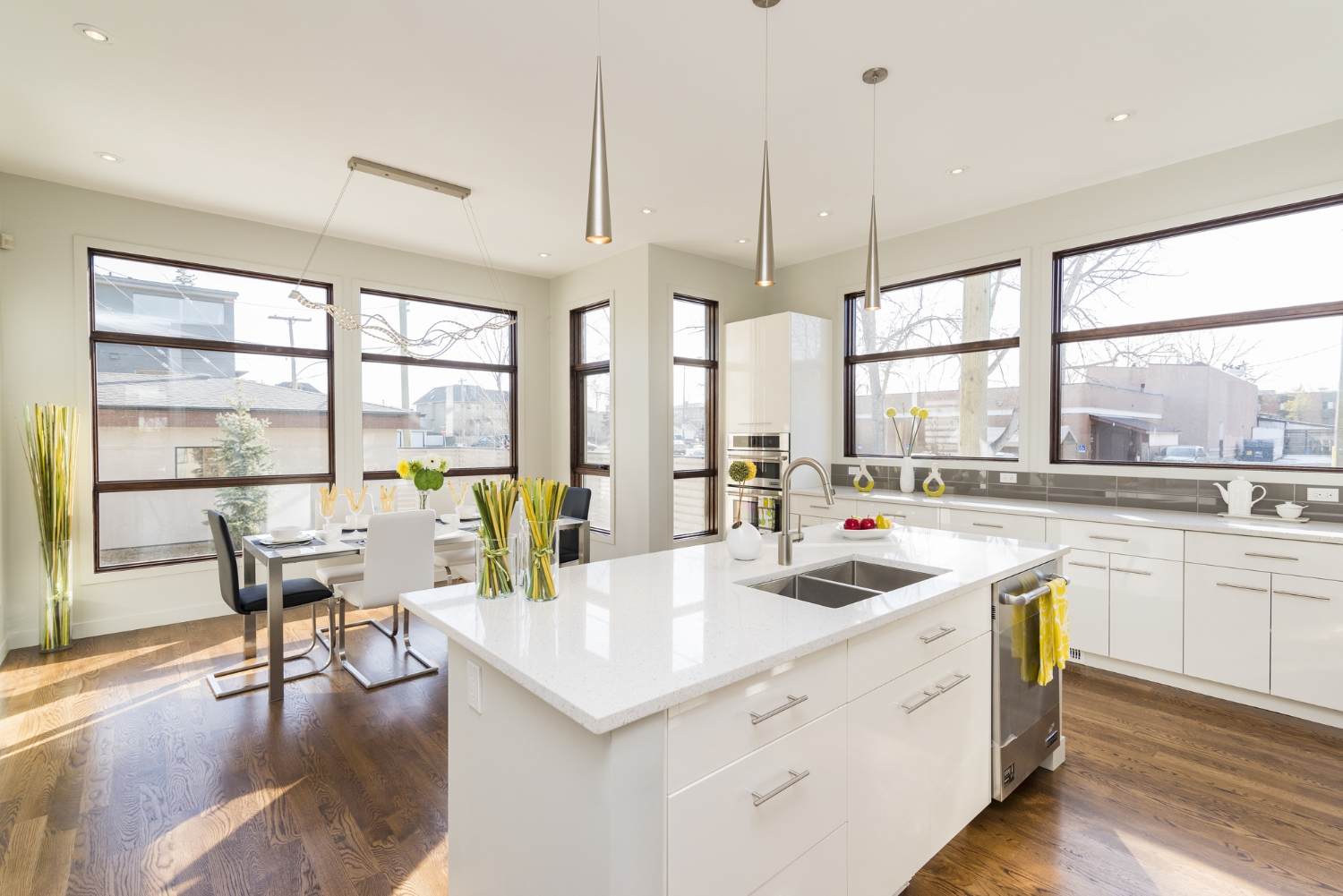
By considering these factors and advice, you can make informed decisions that will lead to a successful kitchen remodel tailored to your needs and preferences.
Facts About Building Permits for Kitchen Remodels
Statistical Insights
Understanding the statistics around building permits can help homeowners make informed decisions regarding their kitchen remodels. Here are some key facts:
- Permit Requirements Vary: According to the International Code Council, approximately 60% of municipalities require permits for kitchen remodeling projects that involve structural changes, plumbing, or electrical work.
- Cost of Permits: The average cost of a building permit can range from $50 to $500, depending on the project’s scope and local regulations. In some cities, costs can exceed $1,000 for larger projects.
- Impact on Home Value: A well-planned kitchen remodel can return about 70-80% of its cost upon resale, according to Remodeling Magazine’s Cost vs. Value report. This makes it one of the most valuable home improvements.
- Safety Compliance: The National Association of Home Builders emphasizes that permits ensure compliance with safety codes, which can prevent issues like electrical fires or plumbing leaks.
Benefits of a Thoughtful Approach
Taking a thoughtful approach to your kitchen remodel can yield numerous benefits:
Saving Money
- Obtaining the proper permits can prevent costly fines and rework if inspections reveal unpermitted changes.
- Planning your remodel carefully can help you avoid expensive last-minute decisions that often arise from poor planning.
Adding Home Value
- Investing in a remodel that meets local codes and standards can significantly boost your home’s market value.
- Buyers are more likely to pay a premium for homes with updated kitchens that have been remodeled with permits.
Improving Comfort
- A well-designed kitchen enhances functionality, making it a more enjoyable space for cooking and entertaining.
- Incorporating modern appliances and layouts can improve energy efficiency and comfort, leading to lower utility bills.
Final Advice for Homeowners
When considering a kitchen remodel, it’s essential to prioritize the following:
- Research Local Regulations: Before starting your remodel, familiarize yourself with local building codes and permit requirements.
- Plan Your Budget: Set a realistic budget that includes all potential costs, including permits, materials, and labor.
- Consult Professionals: If your project involves complex changes, consider consulting with contractors or designers who understand the permitting process.
- Start Early: Begin the permitting process as soon as you have a plan in place, as approvals can take time.
Common Homeowner Insights from Forums
Homeowners often share their experiences and advice in online forums. Here’s a summary of common sentiments:
| Homeowner Insight | Common Advice |
|---|---|
| “I wish I had known about the permit requirements earlier.” | Always check local regulations before starting your remodel. |
| “Permits added time to my project, but it was worth it.” | Be prepared for delays but understand the long-term benefits. |
| “I saved money by doing some work myself.” | Consider a mix of DIY and professional help for cost savings. |
| “My remodel increased my home’s value significantly.” | Invest in quality materials and compliance for better resale value. |
By being aware of these facts and insights, homeowners can approach their kitchen remodels with confidence and a clear plan, ultimately leading to a successful and rewarding project.