
Did GZ Remodel His Kitchen?
Importance of the Question for Homeowners
The inquiry into whether GZ remodeled his kitchen is not just a matter of curiosity; it holds significance for homeowners and readers alike. Kitchen remodels are among the most popular home improvement projects, often leading to increased property value and enhanced functionality. Homeowners contemplating a remodel can glean insights from GZ’s experience, whether it involves design choices, budgeting, or navigating the complexities of home renovations.
Broader Factors Influencing Kitchen Remodels
Several factors play a crucial role in the decision to remodel a kitchen. These include:
- Financial Considerations: Budget constraints are a primary concern for many homeowners. The cost of materials, labor, and any unforeseen expenses can quickly add up. Understanding GZ’s financial approach to his remodel can provide valuable lessons for others.
- Time Investment: A kitchen remodel is not a quick project. Homeowners must consider the time it will take to plan, execute, and finalize the remodel. GZ’s timeline, if available, could serve as a benchmark for others.
- Design Preferences: Personal taste plays a significant role in kitchen design. Homeowners often seek inspiration from others’ remodels, including GZ’s, to create a space that reflects their style and meets their needs.
- Regulatory Requirements: Depending on the location, various regulations and permits may be necessary for a kitchen remodel. Understanding how GZ navigated these aspects can help others avoid potential legal pitfalls.
- Functionality and Lifestyle: A kitchen should not only be aesthetically pleasing but also functional. GZ’s choices could provide insights into optimizing space and improving workflow, which is essential for any homeowner.

In summary, the question of whether GZ remodeled his kitchen is relevant for homeowners who are contemplating similar projects. By examining the factors that influenced his decision, readers can better prepare for their own remodeling journeys, making informed choices about finances, design, and regulations.
Breaking Down the Kitchen Remodel Process
Assessing the Need for a Remodel
Before diving into a kitchen remodel, it’s essential to assess the current state of the kitchen. For GZ, this likely involved evaluating the layout, functionality, and overall aesthetics. Homeowners should consider the following:
- Functionality: Are the appliances outdated? Is there enough counter space? Identifying pain points can help prioritize changes.
- Aesthetics: Does the kitchen feel inviting? Are the colors and materials in line with current trends? A fresh look can significantly impact the home’s appeal.
- Value Addition: Will the remodel increase the home’s market value? Kitchens are a focal point for potential buyers, making this a crucial consideration.
Example Assessment
For instance, if GZ found that his kitchen lacked storage space and had outdated appliances, he would need to prioritize these issues in his remodel plan. Homeowners can expect to spend an average of $20,000 to $50,000 on a mid-range kitchen remodel, depending on the extent of the changes.
Planning and Budgeting
Once the need for a remodel is established, the next step is planning and budgeting. This phase is critical, as it sets the foundation for the entire project.
- Setting a Budget: Homeowners should determine how much they are willing to spend. A general rule of thumb is to allocate 10-15% of the home’s value for a kitchen remodel.
- Creating a Timeline: Establish a realistic timeline for the remodel. A typical kitchen remodel can take anywhere from 6 weeks to 6 months, depending on the scope of work.
- Designing the Layout: Homeowners should work with designers or use design software to visualize the new kitchen layout. This includes selecting materials, colors, and finishes.
Example Budget Breakdown
For example, if GZ set a budget of $30,000, he might allocate funds as follows:
- Cabinets: $10,000
- Countertops: $5,000
- Appliances: $8,000
- Labor: $5,000
- Miscellaneous (lighting, plumbing, etc.): $2,000
Choosing Contractors and Materials
Selecting the right contractors and materials is a pivotal step in the remodeling process. GZ would need to research and interview potential contractors to ensure they are reputable and experienced.
- Researching Contractors: Homeowners should seek recommendations, read reviews, and verify credentials. It’s advisable to get at least three quotes before making a decision.
- Material Selection: Choosing quality materials can affect both the budget and the longevity of the remodel. Homeowners should consider durability, maintenance, and style.
Average Contractor Costs
On average, hiring a contractor can cost between $50 to $150 per hour, depending on their expertise and location. Material costs can vary significantly; for example:
- Granite countertops: $40 to $100 per square foot
- Cabinet installation: $200 to $500 per linear foot
Execution and Overcoming Challenges
Once planning is complete, the execution phase begins. This is where GZ would see his plans come to life. However, challenges often arise during this stage.
- Unexpected Issues: During demolition, homeowners may uncover plumbing or electrical issues that require additional work and expense.
- Delays: Supply chain issues can lead to delays in receiving materials, impacting the overall timeline.
- Communication: Maintaining clear communication with contractors is crucial to ensure the project stays on track.
Example Challenges
For instance, if GZ encountered plumbing issues that required rerouting pipes, it could add significant costs and time to the project. Homeowners should budget an additional 10-20% of their total budget for unexpected expenses.
Final Touches and Inspection
After the main work is completed, the final touches are applied. This includes painting, installing fixtures, and ensuring everything is functioning correctly.
- Final Inspection: Homeowners should conduct a thorough inspection to ensure all work meets their expectations and complies with local codes.
- Post-Remodel Maintenance: It’s important to maintain the new kitchen properly to ensure longevity. This includes regular cleaning and upkeep of appliances and surfaces.
Average Time for Final Touches
Typically, the final touches can take anywhere from a few days to a couple of weeks, depending on the complexity of the finishes. Homeowners should factor this into their overall timeline.
Actionable Advice for Kitchen Remodeling
DIY vs. Professional Work
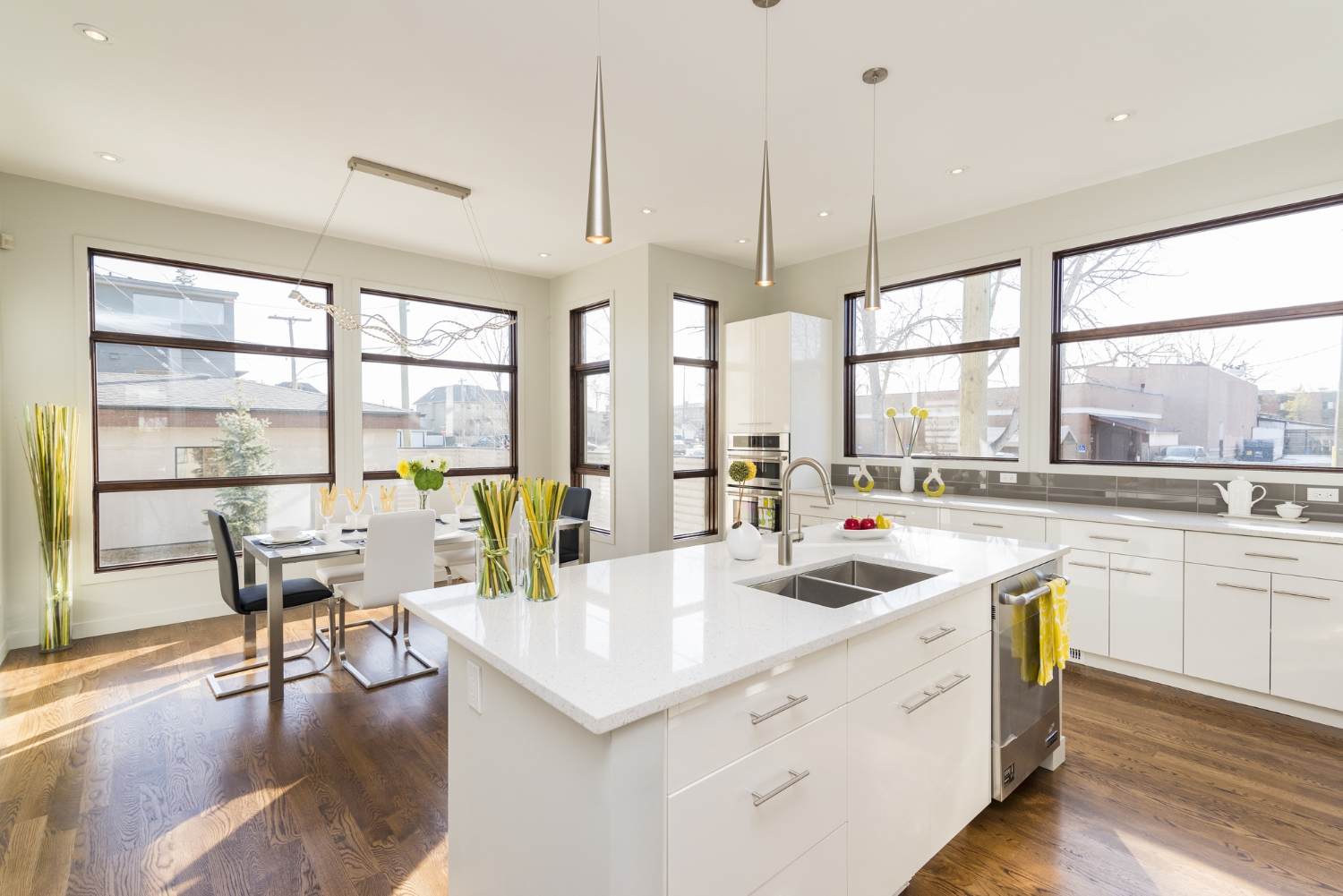
Deciding between a DIY approach and hiring professionals is a critical consideration in any kitchen remodel. Each option has its pros and cons, and the choice largely depends on the homeowner’s skills, budget, and project scope.
| Aspect | DIY Approach | Professional Work |
|---|---|---|
| Cost | Lower initial costs; savings on labor | Higher costs due to labor and expertise |
| Time | Longer; depends on availability | Quicker; professionals often have streamlined processes |
| Quality | Varies; depends on skill level | Typically higher; experienced workers deliver quality |
| Complexity | Suitable for simple projects (painting, installing fixtures) | Recommended for complex tasks (plumbing, electrical) |
When to Choose DIY
If GZ had a knack for handy work, he might have opted for a DIY approach for tasks like painting cabinets or installing a backsplash. Homeowners can save money on labor costs but should be cautious about taking on too much, especially if they lack experience.
When to Hire Professionals
For complex tasks like plumbing or electrical work, hiring professionals is advisable. Mistakes in these areas can lead to costly repairs and safety hazards. GZ would benefit from expert input to ensure the remodel adheres to local codes and standards.
Budget vs. Premium Remodels
Another significant decision revolves around budget versus premium remodels. Homeowners must weigh their options carefully to determine what best suits their needs and financial situation.
| Aspect | Budget Remodel | Premium Remodel |
|---|---|---|
| Materials | Affordable options; laminate countertops, stock cabinets | High-end materials; granite countertops, custom cabinetry |
| Design | Basic layout; limited customization | Custom designs; tailored to individual preferences |
| Return on Investment (ROI) | Moderate ROI; can still increase home value | Higher ROI; premium remodels attract more buyers |
| Longevity | Shorter lifespan; may require updates sooner | Long-lasting; quality materials resist wear and tear |
Example Budget Remodel
For GZ, a budget remodel might involve using stock cabinets and laminate countertops, potentially costing around $15,000. This approach can still yield a functional and aesthetically pleasing kitchen without breaking the bank.
Example Premium Remodel
Conversely, a premium remodel with custom cabinetry and high-end appliances could set GZ back $50,000 or more. This investment may yield a higher return when selling the home, appealing to buyers looking for quality finishes.
Mistakes to Avoid
Remodeling a kitchen is a complex process, and several common mistakes can derail even the best-laid plans. Homeowners should be aware of these pitfalls:
- Neglecting to Plan: Skipping the planning phase can lead to costly mistakes. Homeowners should create a detailed plan that includes a timeline, budget, and design.
- Ignoring Functionality: Prioritizing aesthetics over functionality can result in a beautiful but impractical kitchen. Consider workflow and usability when designing the layout.
- Underestimating Costs: Many homeowners underestimate the total costs of a remodel. It’s essential to budget for unexpected expenses, typically adding 10-20% to the initial estimate.
- Choosing Trends Over Timelessness: While trendy designs can be appealing, they may not stand the test of time. Opt for classic styles that offer longevity.
Insider Tips for a Successful Remodel
To ensure a successful kitchen remodel, consider the following insider tips:
- Communicate Clearly: Maintain open lines of communication with contractors and suppliers. Regular check-ins can help address issues before they escalate.
- Be Flexible: Remodeling can be unpredictable. Be prepared to adapt to changes and challenges that may arise.
- Invest in Quality: While it may be tempting to cut costs, investing in quality materials and workmanship can save money in the long run.
- Seek Design Inspiration: Explore design magazines, websites, and social media for inspiration. This can help homeowners visualize their ideal kitchen and make informed choices.
Facts About GZ’s Kitchen Remodel
Statistical Insights on Kitchen Remodeling
Kitchen remodeling is a significant investment for homeowners, and understanding the statistics can help inform decisions. Here are some key facts related to kitchen remodels:
- According to the National Association of Realtors (NAR), a minor kitchen remodel can recoup about 80% of its cost at resale.
- The average cost of a kitchen remodel in the U.S. ranges from $25,000 to $50,000, depending on the extent of the work and materials used.
- HomeAdvisor reports that homeowners typically spend between $150 to $250 per square foot on kitchen renovations.
- Research by Remodeling Magazine indicates that upscale kitchen remodels can yield a return on investment (ROI) of around 53% to 62%.
Benefits of a Thoughtful Approach
A well-planned kitchen remodel can provide numerous benefits, including:
- Saving Money: By carefully budgeting and planning, homeowners can avoid overspending and unexpected costs. This includes setting aside a contingency fund for unforeseen issues.
- Adding Home Value: A thoughtfully executed remodel can significantly increase the home’s market value, making it more appealing to potential buyers.
- Improving Comfort: A remodel allows homeowners to create a space that better suits their lifestyle and needs, enhancing overall comfort and usability.
When to Start and What to Prioritize

Timing and prioritization are crucial when considering a kitchen remodel. Here are some guidelines:
- Start During Off-Peak Seasons: Consider starting the remodel in the fall or winter months when contractors may have more availability and potentially lower rates.
- Prioritize Functionality: Focus on layout changes that improve workflow, such as the kitchen work triangle (the distance between the sink, stove, and refrigerator).
- Invest in Quality Materials: Prioritize durable materials for countertops, cabinets, and flooring to ensure longevity and ease of maintenance.
- Consider Energy Efficiency: Upgrading to energy-efficient appliances can lead to long-term savings on utility bills while enhancing the kitchen’s functionality.
Common Owner Feedback in Forums
Homeowners often share their experiences and insights regarding kitchen remodels in online forums. Here’s a summary of common sentiments:
| Owner Feedback | Common Themes |
|---|---|
| “Plan every detail before starting.” | Emphasis on thorough planning to avoid surprises. |
| “Budget for unexpected costs.” | Advice to allocate extra funds for unforeseen expenses. |
| “Hire professionals for plumbing and electrical work.” | Recommendation to seek expert help for complex tasks. |
| “Choose timeless designs over trends.” | Preference for classic styles that won’t go out of fashion. |
| “Communicate regularly with contractors.” | Importance of maintaining open communication throughout the project. |