
Does High Bridge Development Address Kitchen Remodel?
Importance of the Question for Homeowners
For homeowners considering a kitchen remodel, the question of whether high bridge development addresses their needs is crucial. The kitchen is often regarded as the heart of the home, serving as a space for cooking, entertaining, and family gatherings. A remodel can significantly enhance functionality, aesthetics, and even home value. However, the decision to embark on such a project is influenced by various factors, including budget, time constraints, design preferences, and local regulations.
Financial Considerations
- Budget Constraints: Remodeling a kitchen can be a substantial financial investment. Homeowners must weigh the costs of materials, labor, and potential unforeseen expenses against their budget.
- Return on Investment (ROI): It’s essential to consider how much value a remodel will add to the home. Not all renovations yield equal returns, and homeowners should research market trends in their area.
Time Factors
- Project Duration: A kitchen remodel can take weeks or even months, depending on the scope of the project. Homeowners need to consider how long they can manage without a fully functional kitchen.
- Timing: Seasonal factors can affect both the cost and availability of contractors. Planning ahead can help mitigate delays.
Design Influences
- Personal Style: The design of a kitchen should reflect the homeowner’s taste and lifestyle. High bridge development may offer specific design options that align with modern trends.
- Functionality: Beyond aesthetics, the layout and functionality of the kitchen are paramount. Homeowners must think about the workflow and how the space will be used daily.
Regulatory Issues
- Permits and Codes: Depending on the location, homeowners may need to obtain permits for remodeling. Understanding local building codes is essential to avoid legal issues.
- HOA Regulations: For those living in communities governed by a Homeowners Association, there may be additional restrictions on renovations, including design and material choices.
In summary, whether high bridge development effectively addresses kitchen remodel needs is a multifaceted question. Homeowners must navigate financial, temporal, design, and regulatory factors to make informed decisions. This inquiry is not merely about aesthetics; it encompasses a broad spectrum of considerations that can significantly impact the success of a kitchen remodeling project.
High Bridge Development and Kitchen Remodel: An In-Depth Analysis
Understanding High Bridge Development

High bridge development refers to a specific approach in home renovation that emphasizes maximizing space and enhancing functionality, particularly in kitchens. This method often incorporates modern design principles and innovative materials to create a kitchen that is not only visually appealing but also practical for everyday use.
Key Features of High Bridge Development
- Open Floor Plans: One of the hallmarks of high bridge development is the integration of open floor plans. This design trend eliminates barriers between the kitchen and living areas, creating a more spacious feel.
- Smart Technology: Incorporating smart appliances and technology is increasingly common. For instance, smart refrigerators can help with meal planning and grocery management, while smart ovens can be controlled remotely.
- Energy Efficiency: High bridge development often prioritizes energy-efficient appliances and sustainable materials, which can lead to long-term cost savings on utility bills.
Process of Remodeling a Kitchen with High Bridge Development
Remodeling a kitchen using high bridge development principles involves several critical steps. Each phase requires careful planning and execution to ensure that the project meets both aesthetic and functional goals.
Step 1: Initial Consultation and Design Planning
- Consultation: Homeowners should start by consulting with a designer or contractor who specializes in high bridge development. This initial meeting typically lasts 1-2 hours and helps outline the homeowner’s vision.
- Design Drafting: After the consultation, designers will create preliminary sketches and 3D renderings. This stage may take 2-4 weeks, depending on the complexity of the design.
Step 2: Budgeting
- Cost Estimates: Homeowners should obtain detailed cost estimates that include materials, labor, and permits. Average kitchen remodels can range from $20,000 to $50,000, depending on the scope of work.
- Contingency Funds: It is advisable to set aside 10-20% of the total budget for unexpected expenses that may arise during the remodel.
Step 3: Permits and Regulations
- Obtaining Permits: Depending on the project’s scope, homeowners may need to secure building permits. This process can take anywhere from a few days to several weeks, depending on local regulations.
- HOA Approval: If applicable, homeowners should check with their Homeowners Association for any additional requirements or restrictions.
Step 4: Construction Phase
- Demolition: The first step in construction typically involves demolishing the existing kitchen. This phase can take 1-2 weeks, depending on the size of the kitchen and the extent of the changes.
- Installation: Following demolition, new installations will occur, including cabinets, countertops, and appliances. This phase may take an additional 4-8 weeks.
Step 5: Final Touches
- Finishing Work: The last steps include painting, installing fixtures, and adding final touches like backsplash and hardware. This phase usually takes 1-2 weeks.
- Final Inspection: A final inspection ensures that everything meets local building codes and the homeowner’s expectations.
Challenges in High Bridge Kitchen Remodeling
While the high bridge development approach offers numerous benefits, there are challenges that homeowners may face during the remodeling process.
Space Limitations
- Existing Layout: Homes with smaller kitchens may find it challenging to create an open floor plan without extensive renovations, which can increase costs and timelines.
- Structural Changes: Removing walls or altering the layout may require additional structural support, complicating the project.
Budget Constraints
- Unexpected Costs: Homeowners should be prepared for unexpected expenses, such as outdated electrical or plumbing systems that need upgrades.
- Material Costs: Prices for high-quality materials can fluctuate, impacting the overall budget. Homeowners should monitor market trends for better deals.
Time Management
- Project Delays: Delays can occur due to supply chain issues, contractor availability, or unforeseen complications during construction.
- Living Arrangements: Homeowners may need to make temporary living arrangements if the kitchen is unusable for an extended period.
By understanding the main aspects of high bridge development and the kitchen remodeling process, homeowners can make informed decisions and navigate the complexities of their renovation projects more effectively.
Actionable Advice for Kitchen Remodeling with High Bridge Development
Approaches to Kitchen Remodeling
When considering a kitchen remodel, homeowners often face the choice between DIY and hiring professionals. Each approach has its advantages and disadvantages that can significantly impact the outcome of the project.
DIY vs. Professional Work
| Aspect | DIY | Professional |
|---|---|---|
| Cost | Generally lower; saves on labor costs | Higher; includes labor and expertise |
| Time | Can take longer due to inexperience | Usually faster; professionals have experience |
| Quality | Varies; may lack professional finish | Typically higher; skilled craftsmanship |
| Complexity | Suitable for simple tasks (e.g., painting, installing hardware) | Best for complex tasks (e.g., plumbing, electrical work) |
| Stress Level | Can be stressful; requires significant time investment | Less stressful; professionals handle the details |
Budget vs. Premium Remodel
Another critical decision is whether to opt for a budget remodel or a premium upgrade. Each option comes with its own set of considerations.
| Aspect | Budget Remodel | Premium Remodel |
|---|---|---|
| Materials | Affordable materials; may sacrifice longevity | High-quality materials; built to last |
| Design | Basic design; limited customization | Custom designs; tailored to homeowner’s needs |
| ROI | Lower ROI; may not significantly increase home value | Higher ROI; often yields better resale value |
| Longevity | Shorter lifespan of materials and finishes | Durable; designed for long-term use |
| Functionality | Basic functionality; may lack modern features | Enhanced functionality; includes smart technology |
Mistakes to Avoid in Kitchen Remodeling
Homeowners can easily make costly mistakes during the remodeling process. Here are common pitfalls to avoid:
- Underestimating Costs: Always account for potential overruns. A good rule of thumb is to add 10-20% to your budget for unexpected expenses.
- Ignoring the Workflow: The kitchen layout should facilitate efficient movement. Avoid designs that disrupt the workflow, such as placing the refrigerator too far from the cooking area.
- Choosing Aesthetics Over Functionality: While a beautiful kitchen is desirable, it should also be practical. Avoid sacrificing functionality for trendy designs.
- Not Planning for Storage: Adequate storage is crucial in a kitchen. Failing to plan for cabinets, drawers, and pantry space can lead to clutter and frustration.
- Neglecting Lighting: Good lighting is essential for both functionality and ambiance. Don’t overlook the importance of adequate light sources, including task and ambient lighting.
Insider Tips for a Successful Remodel
To ensure a smooth remodeling process, consider the following insider tips:
- Research and Plan: Spend time researching trends, materials, and designs that resonate with your vision. Create a detailed plan before starting the project.
- Get Multiple Quotes: If hiring professionals, obtain quotes from several contractors to compare costs and services. Look for reviews and past work examples.
- Stay Flexible: Be prepared for changes and unexpected challenges. Flexibility can help you adapt and find solutions as issues arise.
- Communicate Clearly: Maintain open communication with contractors and designers. Clearly articulate your expectations and preferences to avoid misunderstandings.
- Take Your Time: Avoid rushing the process. A well-thought-out remodel will yield better results than a hasty one.
By carefully weighing your options, avoiding common mistakes, and implementing these tips, homeowners can navigate the kitchen remodeling process more effectively and achieve a space that meets their needs and enhances their home’s value.
Facts About High Bridge Development and Kitchen Remodeling
Statistical Insights
When considering a kitchen remodel, understanding the data can provide valuable insights into the benefits of high bridge development. Here are some key statistics:
- Return on Investment (ROI): According to the National Association of Realtors, a minor kitchen remodel can yield a return of approximately 80% of the investment when selling the home.
- Home Value Increase: Remodeling Magazine’s Cost vs. Value Report indicates that upscale kitchen remodels can add an average of $60,000 to $70,000 in value to a home, depending on the market.
- Energy Savings: The U.S. Department of Energy states that energy-efficient appliances can save homeowners up to 30% on their energy bills, making them a worthwhile investment in a remodel.
- Comfort and Usability: A survey by Houzz found that 90% of homeowners who completed kitchen renovations reported improved functionality and comfort in their kitchens.
Benefits of a Thoughtful Approach
A thoughtful approach to kitchen remodeling offers several benefits that extend beyond aesthetics:
Saving Money
- Budget Control: By planning ahead, homeowners can allocate their budget effectively, minimizing the risk of overspending.
- Long-Term Savings: Investing in quality materials and energy-efficient appliances reduces long-term maintenance and utility costs.
Adding Home Value
- Market Appeal: A well-designed kitchen attracts potential buyers, making the home more marketable.
- Enhanced Resale Potential: Homes with updated kitchens often sell faster and at higher prices compared to those with outdated spaces.
Improving Comfort
- Functional Layout: A remodel can enhance workflow, making cooking and entertaining more enjoyable.
- Personalization: Homeowners can create a space that reflects their style and meets their family’s needs.
When to Start a Kitchen Remodel
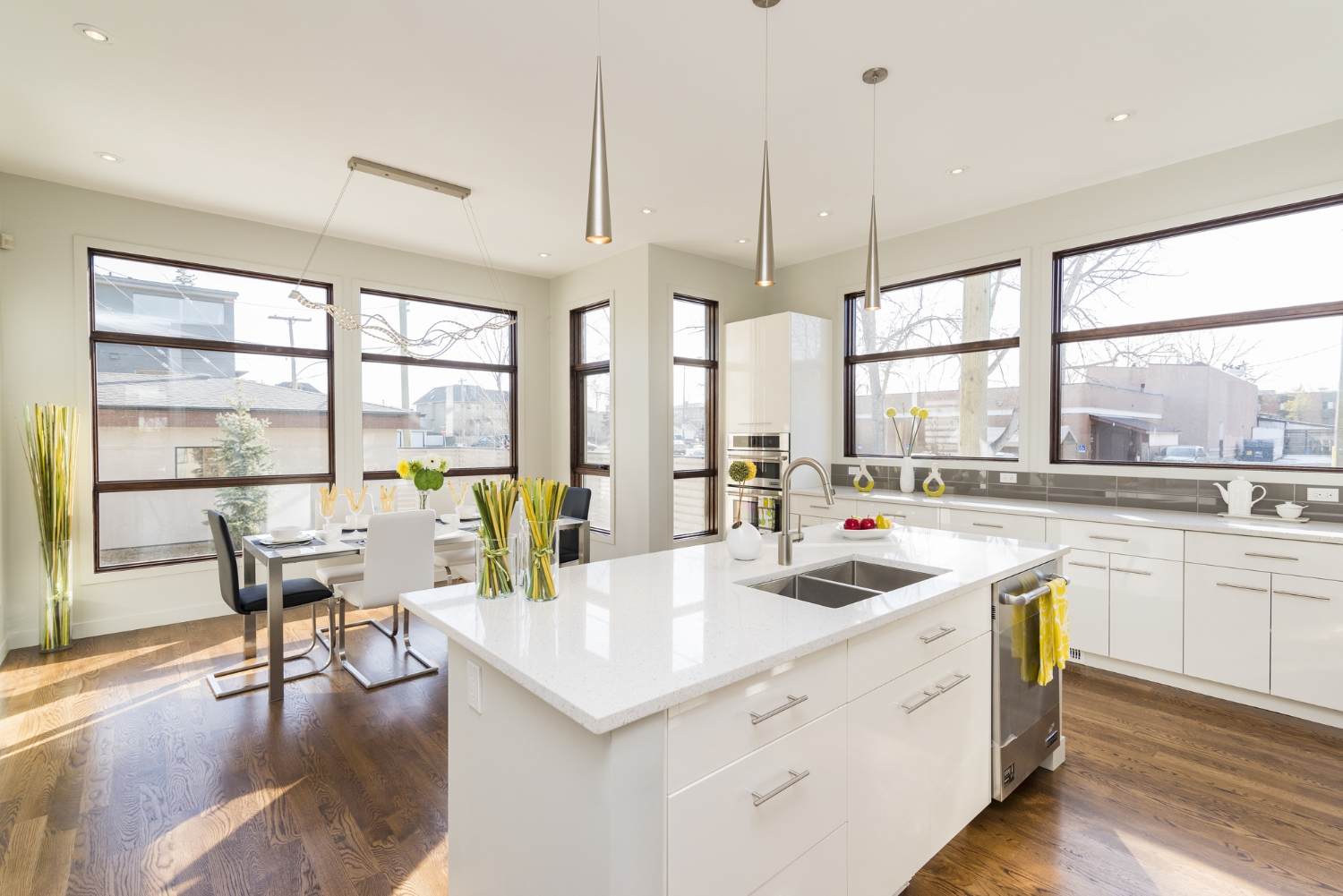
Timing can significantly influence the success of a kitchen remodel. Here are some considerations for when to start:
- Market Conditions: If home values are rising, it may be an opportune time to invest in a remodel to maximize potential returns.
- Personal Readiness: Ensure that you are emotionally and financially prepared for the disruption a remodel can bring.
- Seasonal Considerations: Spring and summer are often ideal for renovations, as contractors may have more availability and materials may be easier to source.
Prioritizing Your Kitchen Remodel
When planning a kitchen remodel, prioritizing certain elements can lead to a more successful outcome:
- Functionality: Focus on the layout and workflow to ensure that the kitchen meets your cooking and entertaining needs.
- Quality Materials: Invest in durable materials that will stand the test of time and enhance the kitchen’s overall appeal.
- Energy Efficiency: Prioritize energy-efficient appliances and fixtures to save money on utility bills in the long run.
- Lighting: Implement a well-thought-out lighting plan that includes task, ambient, and accent lighting to enhance usability and ambiance.
Common Homeowner Insights from Forums
Homeowners often share their experiences and advice in online forums. Here’s a summary of common sentiments:
| Common Insight | Percentage of Homeowners |
|---|---|
| Wished they had planned better | 65% |
| Found professional help invaluable | 70% |
| Regretted not prioritizing storage | 55% |
| Were pleased with energy-efficient choices | 80% |
| Felt that a well-designed kitchen improved daily life | 90% |
These insights highlight the importance of careful planning and consideration in the kitchen remodeling process, underscoring the benefits of a thoughtful approach to high bridge development. By prioritizing functionality, quality, and energy efficiency, homeowners can create a kitchen that enhances both their living experience and the value of their home.