
Must Haves in a Kitchen Remodel
Why This Question Matters for Homeowners
When it comes to home renovations, the kitchen often stands out as the most significant area for improvement. A kitchen remodel isn’t just about aesthetics; it can enhance functionality, increase property value, and create a space that suits your lifestyle. For homeowners, knowing what elements are essential in a kitchen remodel can save time, money, and stress.
Remodeling a kitchen is a substantial investment. Homeowners typically spend anywhere from $15,000 to $50,000 or more, depending on the extent of the remodel and the quality of materials used. Understanding what must be included in the remodel can help ensure that the investment is worthwhile.
Broader Factors Influencing Kitchen Remodels

Several factors play a critical role in determining what should be included in a kitchen remodel:
- Budget: Establishing a realistic budget is crucial. Knowing how much you can spend will influence your choices in materials, appliances, and design features.
- Time: Kitchen remodels can take weeks or even months. Homeowners should consider how long they can live without a functional kitchen and plan accordingly.
- Design Preferences: Personal taste and lifestyle needs should guide the design process. Whether you prefer a modern, minimalist look or a cozy, traditional kitchen, your choices should reflect your style.
- Functionality: The kitchen is often the heart of the home. Assessing how you use the space can help determine essential features, such as storage solutions and appliance layout.
- Regulations: Local building codes and regulations can impact your remodel. It’s essential to be aware of any permits required and safety standards that must be met.
By considering these factors, homeowners can make informed decisions about what must be included in their kitchen remodel, ensuring that the final product meets both their needs and their budget.
Essential Aspects of a Kitchen Remodel
1. Layout and Design
The layout of your kitchen is fundamental to its functionality. There are several common layouts, including:
- U-Shaped: Offers ample counter space and storage, ideal for larger kitchens.
- L-Shaped: Efficient for smaller spaces, promotes easy movement between areas.
- Galley: Best for narrow kitchens, maximizing space with a functional workflow.
- Open Concept: Integrates the kitchen with living areas, creating a more social atmosphere.
When planning your layout, consider the kitchen work triangle (the distance between the sink, stove, and refrigerator). A well-designed triangle should be efficient, typically measuring between 12 to 26 feet in total.
Example:
A U-shaped kitchen remodel may cost between $25,000 to $50,000, depending on materials and appliances.
2. Cabinets and Storage Solutions
Cabinets are one of the most significant investments in a kitchen remodel. They not only impact aesthetics but also functionality. Homeowners should consider:
- Material: Options range from stock (affordable, but limited) to custom cabinets (expensive, tailored to your needs).
- Storage Features: Pull-out shelves, lazy Susans, and built-in dividers can enhance usability.
- Finish: Choose finishes that complement your overall design, whether it’s painted, stained, or natural wood.
Average Costs:
Expect to spend around $5,000 to $20,000 on cabinets, depending on the style and materials chosen.
3. Countertops
Countertops are another critical element that affects both aesthetics and functionality. When selecting countertops, consider:
- Material: Popular options include granite, quartz, laminate, and butcher block, each with its pros and cons.
- Durability: Some materials are more resistant to stains and scratches, which is vital for a high-traffic area.
- Maintenance: Some surfaces require sealing or special cleaning products, impacting long-term costs.
Cost Breakdown:
Countertop prices can vary widely, ranging from $30 per square foot for laminate to $200 or more per square foot for high-end materials like quartz or granite.
4. Appliances
Modern appliances can greatly enhance the functionality of your kitchen. When selecting appliances, consider:
- Energy Efficiency: Look for ENERGY STAR-rated appliances to save on utility bills.
- Size and Configuration: Ensure that appliances fit your kitchen layout and meet your cooking needs.
- Brand and Warranty: Research brands for reliability and consider warranty options for peace of mind.
Average Investment:
A complete set of kitchen appliances can cost between $3,000 to $15,000, depending on the brand and features.
5. Lighting

Lighting is often overlooked but is crucial for both functionality and ambiance. A well-lit kitchen makes cooking safer and more enjoyable. Consider:
- Task Lighting: Under-cabinet lights and pendant fixtures provide focused illumination for work areas.
- Ambient Lighting: Ceiling fixtures and recessed lights create an overall brightness.
- Accent Lighting: Decorative fixtures can enhance the kitchen’s aesthetic appeal.
Budgeting for Lighting:
Lighting can range from $500 to $5,000, depending on the complexity and quality of fixtures chosen.
6. Flooring
Flooring choice impacts both the look and functionality of your kitchen. Common options include:
- Tile: Durable and water-resistant, but can be cold underfoot.
- Hardwood: Offers warmth and beauty but requires maintenance and can be damaged by water.
- Vinyl: Cost-effective and available in various styles, but may not last as long as other materials.
Cost Considerations:
Flooring can vary significantly in price, from $1 to $10 per square foot for vinyl to $5 to $15 per square foot for hardwood or tile.
7. Plumbing and Electrical Updates
Updating plumbing and electrical systems is often necessary during a remodel. Consider the following:
- Plumbing: Ensure that water lines and drainage systems are up to code, especially if relocating sinks or dishwashers.
- Electrical: Upgrade wiring to accommodate new appliances and ensure adequate outlets are available.
Potential Costs:
Plumbing and electrical work can add $1,500 to $5,000 to your budget, depending on the extent of the updates required.
8. Finishing Touches
Finally, the finishing touches can elevate your kitchen remodel from ordinary to extraordinary. Consider:
- Backsplashes: Add visual interest and protect walls from splashes.
- Hardware: Cabinet knobs and pulls can significantly impact the overall look.
- Paint: A fresh coat of paint can transform the space without a massive investment.
Budgeting for Finishes:
Expect to spend anywhere from $1,000 to $5,000 on finishing touches, depending on your choices.
Actionable Advice for Your Kitchen Remodel
DIY vs. Professional Work
When planning a kitchen remodel, one of the first decisions you’ll face is whether to tackle the project yourself or hire professionals. Each approach has its pros and cons.
DIY Approach
- Cost Savings: Doing the work yourself can save on labor costs, which can be significant.
- Flexibility: You can work at your own pace and schedule.
- Personal Satisfaction: Completing a project yourself can be rewarding.
Common DIY Projects:
- Painting walls and cabinets
- Installing backsplashes
- Replacing hardware on cabinets
- Installing laminate countertops
Professional Work
- Expertise: Professionals bring experience and knowledge that can prevent costly mistakes.
- Time Efficiency: A professional team can complete the work faster than most DIYers.
- Quality Assurance: Professionals often provide warranties for their work.
When to Hire a Pro:
- Major plumbing or electrical work
- Custom cabinetry or complex layouts
- Structural changes, such as removing walls
Budget vs. Premium Remodel
Your budget will significantly influence your choices during a kitchen remodel. Understanding the difference between budget and premium options can help you make informed decisions.
| Aspect | Budget Remodel | Premium Remodel |
|---|---|---|
| Cabinets | Stock cabinets, limited customization | Custom cabinets, high-quality materials |
| Countertops | Laminate or low-end granite | Quartz or high-end natural stone |
| Appliances | Basic models, less energy-efficient | High-end, energy-efficient models |
| Flooring | Vinyl or low-cost tile | Hardwood or premium tile |
| Lighting | Basic fixtures | Designer lighting options |
Common Mistakes to Avoid
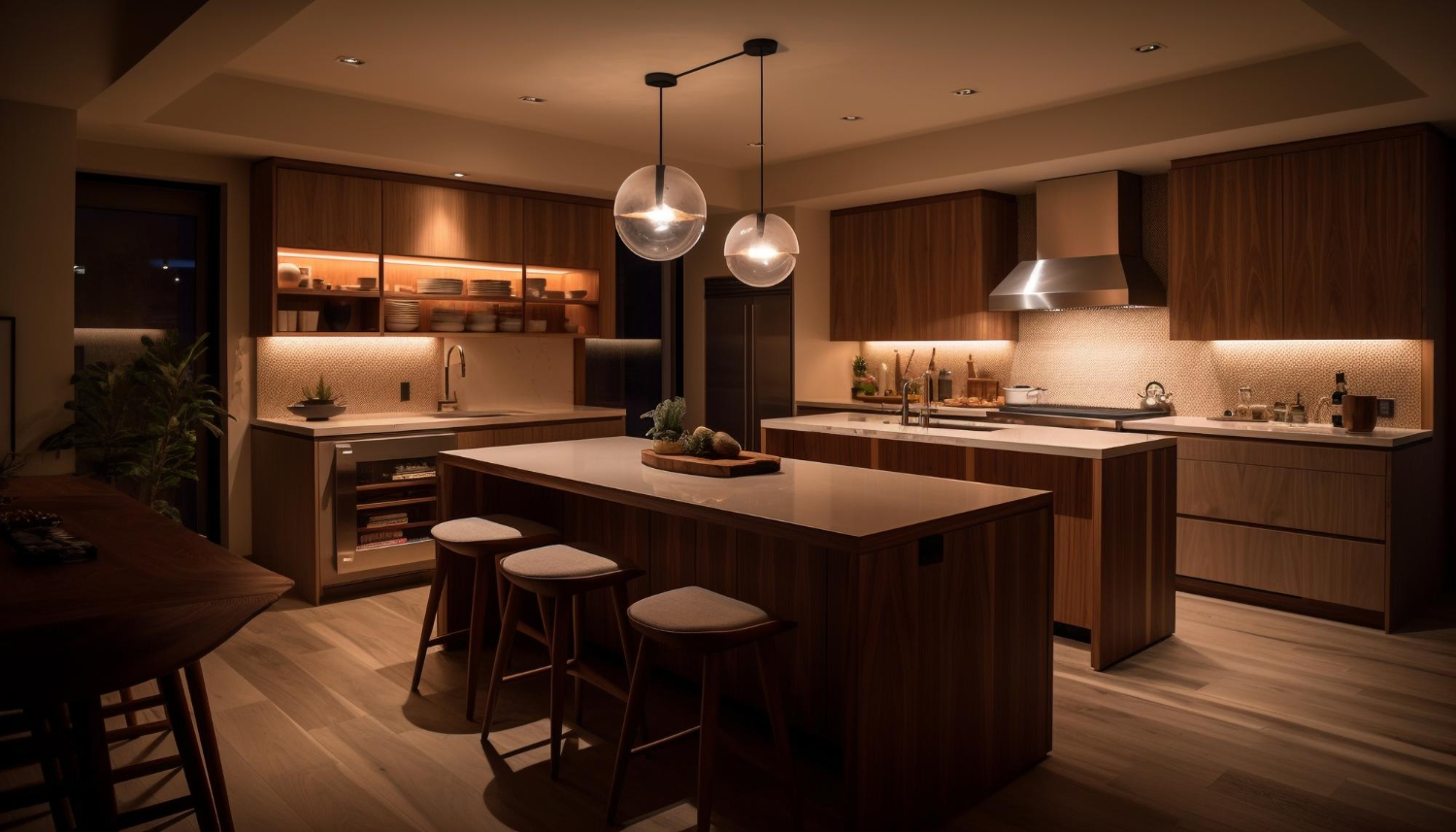
Avoiding common pitfalls can save time and money during your kitchen remodel. Here are some mistakes to be aware of:
- Neglecting the Work Triangle: Poor layout can lead to inefficient workflows.
- Underestimating Costs: Always add 10-20% to your budget for unexpected expenses.
- Ignoring Resale Value: While personal style matters, consider what potential buyers may want.
- Overlooking Lighting: A well-lit kitchen is essential for safety and functionality.
- Choosing Trends Over Timelessness: Trendy designs may not hold up over time, leading to quicker obsolescence.
Insider Tips
Here are some insider tips to enhance your kitchen remodel experience:
- Plan for the Future: Consider your long-term needs, such as family growth or aging in place.
- Source Materials Wisely: Look for sales, clearance items, and online marketplaces for budget-friendly options.
- Get Multiple Quotes: If hiring professionals, obtain at least three quotes to ensure competitive pricing.
- Stay Organized: Keep all receipts, contracts, and plans in one place to avoid confusion later.
- Communicate Clearly: If working with contractors, maintain open lines of communication to address issues promptly.
Facts About Must Haves in a Kitchen Remodel
Statistical Insights
Understanding the statistics behind kitchen remodels can guide homeowners in making informed decisions. Here are some key facts:
- Return on Investment: According to the National Association of Realtors, a minor kitchen remodel can recoup about 80% of its cost, while a major remodel can recoup around 60%.
- Average Costs: The average kitchen remodel costs between $15,000 and $50,000, depending on the scale of the project and materials used.
- Time Investment: A typical kitchen remodel can take anywhere from 6 to 12 weeks, depending on the scope of work and contractor availability.
- Home Value Increase: Remodeling Magazine’s Cost vs. Value Report indicates that kitchen remodels consistently rank among the top home improvements for increasing property value.
Benefits of a Thoughtful Approach
Taking a thoughtful approach to your kitchen remodel can lead to numerous benefits:
Saving Money
- Planning ahead allows for better budgeting, helping to avoid unexpected costs.
- Choosing energy-efficient appliances can lower utility bills over time.
Adding Home Value
- A well-executed kitchen remodel can significantly increase your home’s resale value.
- Potential buyers often prioritize updated kitchens, making your home more appealing in a competitive market.
Improving Comfort
- A functional kitchen layout enhances daily activities, making cooking and entertaining more enjoyable.
- Incorporating modern features, such as smart appliances, can increase convenience and efficiency.
When to Start and What to Prioritize
Timing and prioritization are essential in a kitchen remodel. Here’s when to start and what to focus on:
- Start Early: Begin planning at least 6 months before you intend to start the remodel. This allows ample time for design, budgeting, and contractor selection.
- Prioritize Key Areas: Focus on layout, cabinetry, and appliances as these have the most significant impact on functionality and resale value.
Common Owner Insights from Forums
Homeowners often share valuable insights in online forums. Here’s a summary of what they commonly say:
| Common Insights | Owner Comments |
|---|---|
| Budget Overruns | Many owners report that costs exceeded initial estimates, emphasizing the importance of a buffer in the budget. |
| Importance of Layout | Users frequently mention that a well-planned layout significantly improved their cooking experience. |
| Quality Over Price | Many advise investing in high-quality materials and appliances for long-term satisfaction. |
| Patience is Key | Homeowners often stress the need for patience, as remodels can take longer than anticipated. |
| Seek Professional Help | A common recommendation is to hire professionals for plumbing and electrical work to avoid costly mistakes. |