
How to Gut Your Kitchen and Remodel
Why This Matters for Homeowners
Gutting and remodeling a kitchen is a significant undertaking that affects not only the aesthetic appeal of your home but also its functionality and value. For many homeowners, the kitchen is the heart of the home—a place where meals are prepared, families gather, and memories are made. Therefore, a well-executed kitchen remodel can enhance daily living and improve the overall quality of life.
However, the decision to gut and remodel your kitchen is not one to be taken lightly. It involves a range of considerations that can impact your finances, time, and design choices.
Financial Considerations
- Budget: Establishing a clear budget is crucial. Kitchen remodels can range from a few thousand dollars for minor updates to tens of thousands for a complete overhaul.
- Return on Investment (ROI): A well-planned kitchen remodel can offer a high ROI, making it a worthwhile investment for homeowners looking to sell their property in the future.
- Unexpected Costs: Be prepared for hidden expenses that can arise during the remodeling process, such as plumbing or electrical issues that need addressing.
Time Commitment
- Planning Phase: This phase can take weeks or even months, as it involves researching designs, selecting materials, and hiring contractors.
- Construction Time: Depending on the scope of the remodel, the actual construction can take anywhere from a few weeks to several months.
- Inconvenience: During the remodeling process, you may be without a functional kitchen, which can disrupt daily routines.
Design Factors
- Layout: Consider how the new layout will affect traffic flow and usability. Open-concept designs are popular but may not suit every home.
- Style: Decide on a design style that aligns with your taste and the overall aesthetic of your home, whether it’s modern, traditional, or eclectic.
- Functionality: Think about the kitchen’s purpose. Will it be used for entertaining, or is it primarily for cooking? This will influence your choices in appliances and storage solutions.
Regulatory Considerations
- Permits: Depending on the extent of your remodel, you may need permits for plumbing, electrical work, or structural changes.
- Building Codes: Familiarize yourself with local building codes to ensure your remodel meets safety and legal standards.
- HOA Regulations: If you live in a community governed by a homeowners association, check for any restrictions or guidelines regarding renovations.

In summary, gutting and remodeling your kitchen is a complex process that requires careful planning and consideration. By addressing financial, time, design, and regulatory factors, homeowners can create a kitchen that not only meets their needs but also enhances the value and enjoyment of their home.
How to Gut Your Kitchen and Remodel
Step-by-Step Process for Gutting Your Kitchen
Gutting your kitchen is a major project that involves several steps. Each step has its own challenges and timelines, so it’s essential to plan carefully.
1. Planning and Design
- Set a Timeline: Allocate a realistic timeline for each phase of the remodel. Planning can take 3-6 weeks, while the actual construction may take 6-12 weeks.
- Design Layout: Use software or hire a designer to visualize your kitchen layout. Consider the work triangle (sink, stove, refrigerator) for efficient workflow.
- Choose Materials: Research materials for cabinets, countertops, and flooring. Average costs for cabinets range from $100 to $1,200 per linear foot, depending on the quality.
2. Budgeting
- Establish a Budget: Determine how much you can spend. On average, kitchen remodels cost between $12,000 and $35,000, depending on the extent of the work.
- Allocate Funds for Contingencies: Set aside 10-20% of your budget for unexpected expenses, such as plumbing repairs or structural changes.
Preparation for Demolition
Before you start the demolition process, it’s essential to prepare adequately.
3. Gather Necessary Tools and Supplies
- Tools: Common tools needed include a pry bar, sledgehammer, reciprocating saw, and safety gear like gloves and goggles.
- Supplies: Have trash bags, drop cloths, and containers for sorting materials ready to streamline the process.
4. Disconnect Utilities
- Water Supply: Turn off the water supply to avoid leaks and flooding.
- Electrical Work: Shut off the electricity at the circuit breaker to ensure safety while working with appliances and outlets.
Demolition Phase
Once preparations are complete, you can begin the gutting process.
5. Remove Existing Fixtures
- Cabinets: Start by removing upper cabinets first, followed by lower cabinets. Use a pry bar to detach them from the wall.
- Appliances: Disconnect and remove appliances like the refrigerator, stove, and dishwasher. Ensure you have help, as some appliances can be heavy.
- Countertops: If your countertops are glued down, use a pry bar to carefully remove them.
- Flooring: Depending on the material, you may need a chisel or crowbar to remove tiles or hardwood flooring.
6. Dispose of Debris
- Trash Removal: Rent a dumpster or use a junk removal service to dispose of debris responsibly.
- Recycling: Consider recycling materials like metal appliances or cabinetry if possible.
Renovation Phase
After gutting your kitchen, it’s time to start the renovation.
7. Structural Changes
- Framing: If you are changing the layout, framing may be required to support new walls or openings.
- Electrical and Plumbing: Hire licensed professionals to ensure that electrical and plumbing systems meet code regulations. This work can take 1-2 weeks.
8. Installation of New Features
- Cabinets: Install lower cabinets first, followed by upper cabinets. This can take 1-2 weeks, depending on the complexity.
- Countertops: Once cabinets are in place, measure and install countertops. This typically takes 1 week.
- Appliances: Install new appliances, ensuring they are connected correctly to water and electrical sources.
Finishing Touches
The final step involves adding the finishing touches to your newly remodeled kitchen.
9. Flooring Installation
- Types of Flooring: Choose from options like tile, hardwood, or laminate. Installation can take 1-3 days, depending on the material.
- Baseboards and Trim: Install baseboards and any decorative trim to complete the look.
10. Painting and Decor
- Painting: Paint walls and ceilings before moving in furniture and appliances. This can take 1-2 days.
- Decor: Add personal touches like curtains, artwork, and decorative items to make the space feel like home.
By following these steps, homeowners can effectively gut and remodel their kitchens, creating a functional and aesthetically pleasing space. Each phase has its own challenges and timelines, so thorough planning and execution are key to a successful kitchen renovation.
Actionable Advice for Gutting and Remodeling Your Kitchen
When it comes to gutting and remodeling your kitchen, making informed decisions can save you time, money, and frustration. This section provides actionable advice, compares common approaches, and highlights mistakes to avoid along with insider tips.
DIY vs. Professional Work
Deciding whether to tackle your kitchen remodel as a DIY project or hire professionals can significantly impact your budget, timeline, and overall results.
DIY Approach
- Cost Savings: DIY can save labor costs, which typically account for 20-35% of the total remodeling budget.
- Personal Touch: You have complete control over design choices and can customize your kitchen to your liking.
- Time-Consuming: Be prepared for a longer timeline. DIY projects can take weeks or months longer than hiring professionals.
Professional Approach
- Expertise: Professionals bring experience, which can lead to a better-quality finish and adherence to building codes.
- Time Efficiency: Contractors can often complete projects faster due to their resources and workforce.
- Higher Cost: Hiring professionals can increase your budget significantly, especially for extensive remodels.
| Aspect | DIY | Professional |
|---|---|---|
| Cost | Lower (savings on labor) | Higher (labor costs included) |
| Time | Longer (self-paced) | Shorter (efficient workflow) |
| Quality | Variable (depends on skill) | Consistent (experienced tradespeople) |
| Control | Full control over design | Limited control (depends on contractor) |
Budget vs. Premium Remodel
Your budget will dictate the materials and finishes you can choose for your kitchen remodel. Here’s a comparison between budget and premium options.
Budget Remodel
- Cabinets: Opt for stock cabinets or refinish existing ones. Average costs can be around $100-$300 per linear foot.
- Countertops: Consider laminate or low-cost quartz options, typically ranging from $20 to $50 per square foot.
- Appliances: Look for energy-efficient models that fit your budget, often available at lower price points.
Premium Remodel
- Cabinets: Custom cabinetry can range from $500 to $1,200 per linear foot, offering tailored solutions.
- Countertops: High-end materials like granite or marble can cost $50 to $150 per square foot.
- Appliances: Invest in high-end, smart appliances that can enhance functionality and aesthetics.
| Aspect | Budget Remodel | Premium Remodel |
|---|---|---|
| Cabinets | $100-$300 per linear foot | $500-$1,200 per linear foot |
| Countertops | $20-$50 per square foot | $50-$150 per square foot |
| Appliances | Standard models | High-end, smart models |
Mistakes to Avoid
Avoiding common pitfalls can make your remodeling experience smoother.
- Skipping the Planning Phase: Failing to plan adequately can lead to costly mistakes and delays.
- Ignoring Building Codes: Not adhering to local codes can result in fines and the need for costly rework.
- Underestimating Costs: Always budget for unexpected expenses, as they are common in remodeling projects.
- Choosing Style Over Function: While aesthetics are important, prioritize functionality to ensure your kitchen meets your needs.
Insider Tips
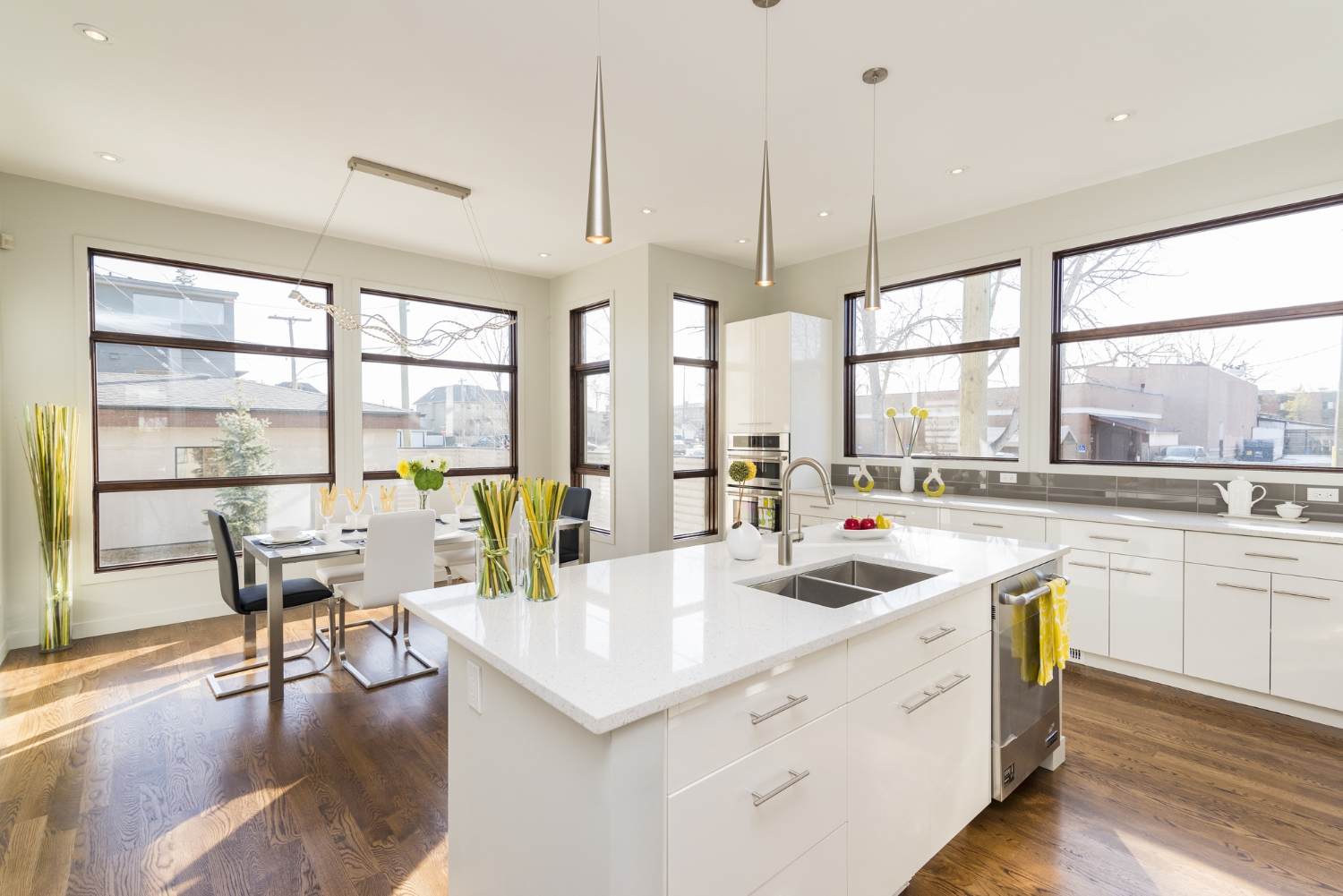
Here are some expert tips to enhance your remodeling process:
- Invest in Quality Fixtures: High-quality faucets and fixtures can elevate the overall look of your kitchen without breaking the bank.
- Consider Lighting: Proper lighting can transform a space. Use a combination of task, ambient, and accent lighting for best results.
- Plan for Storage: Incorporate innovative storage solutions, such as pull-out shelves and lazy Susans, to maximize space.
- Stay Flexible: Be prepared for changes in plans. Flexibility can help you adapt to unexpected challenges.
By considering the pros and cons of DIY versus professional work, understanding the differences between budget and premium remodels, avoiding common mistakes, and applying insider tips, you can successfully navigate your kitchen gutting and remodeling project.
Facts About Gutting and Remodeling Your Kitchen
Gutting and remodeling your kitchen is a substantial investment that can yield significant returns in terms of comfort, functionality, and home value. Here are some key facts and statistics to consider.
Statistical Insights
Cost and Return on Investment
- Average Cost: According to Remodeling Magazine’s 2023 Cost vs. Value Report, a mid-range kitchen remodel averages around $26,000, while upscale remodels can exceed $100,000.
- Return on Investment: The same report indicates that homeowners can expect an average ROI of 70-80% on a kitchen remodel when selling their home.
- Value Increase: A well-executed kitchen remodel can increase a home’s value by as much as 10-15%, depending on the neighborhood and market conditions.
Improved Comfort and Functionality
- Increased Space: Open-concept designs, which are popular in modern remodels, can make a kitchen feel significantly larger and more inviting.
- Energy Efficiency: Upgrading to energy-efficient appliances can reduce utility bills by 10-50%, according to the U.S. Department of Energy.
- Enhanced Usability: Thoughtful design choices, such as improved workflow and additional storage, can make cooking and entertaining more enjoyable.
Benefits of a Thoughtful Approach
Taking a strategic and thoughtful approach to your kitchen remodel can save you money and time while enhancing your living space.
Financial Savings
- Budget Management: A well-planned budget can help you avoid overspending and allocate funds to high-impact areas.
- Long-Term Investment: Investing in quality materials can reduce the need for future repairs and replacements.
Home Value Enhancement
- Market Appeal: A modern, updated kitchen is often a primary selling point for potential buyers, making your home more attractive in a competitive market.
- Neighborhood Standards: Keeping your kitchen on par with or above neighborhood standards can help maintain or increase your home’s value.
Improved Comfort and Usability
- Personalization: A remodel allows you to customize your kitchen to fit your lifestyle, making it a more enjoyable space for cooking and entertaining.
- Functionality: Upgraded layouts and storage solutions can significantly improve efficiency and comfort in daily tasks.
When to Start and What to Prioritize
Timing your remodel can significantly influence the outcome. Here’s when to consider starting and what to focus on:
- Start: The best time to start a kitchen remodel is during the off-peak seasons, typically late fall or winter, when contractors may have more availability and offer better rates.
- Prioritize: Focus on essential elements first, such as:
- Layout and workflow
- Cabinets and storage solutions
- Appliances and fixtures
- Lighting and electrical upgrades
Common Insights from Homeowners
Homeowners often share valuable insights and experiences in online forums. Below is a summary of common comments and advice they provide.
| Topic | Common Insights |
|---|---|
| Budgeting | Always set aside an extra 10-20% for unexpected costs. |
| DIY vs. Professional | Consider hiring professionals for plumbing and electrical work for safety and compliance. |
| Design Choices | Open layouts are preferred for modern kitchens but plan for adequate storage. |
| Timing | Start during the off-season for better contractor availability and pricing. |
| Materials | Invest in quality materials for longevity; cheap options can lead to higher costs later. |
By understanding the financial implications, benefits of a thoughtful approach, and common homeowner experiences, you can make informed decisions that enhance your kitchen remodeling journey.