
Should I Pick Out Kitchen Remodel Floor or Cabinets First?
Why This Question Matters for Homeowners
When embarking on a kitchen remodel, one of the first questions homeowners often face is whether to choose the flooring or cabinets first. This decision is not trivial; it can significantly impact the overall design, functionality, and budget of your kitchen. Understanding the implications of this choice is crucial for a successful remodel.
Broader Factors Influencing Your Decision
Several factors come into play when deciding whether to prioritize flooring or cabinets in your kitchen remodel:
- Budget: The costs associated with flooring and cabinets can vary widely. Cabinets often represent a significant portion of the kitchen remodel budget. Knowing which element to prioritize can help you allocate your funds more effectively.
- Time: The timeline for your remodel can also influence your decision. Some flooring options may require more time for installation, while cabinets may have longer lead times if custom-built. Understanding these timelines can help you plan your project more efficiently.
- Design Cohesion: The visual relationship between flooring and cabinets is essential for a harmonious design. Choosing one before the other can dictate the overall aesthetic, color palette, and style of your kitchen. For instance, a dark cabinet may clash with a light floor, while a cohesive design can enhance the space.
- Functionality: The practical aspects of your kitchen should not be overlooked. Consider how the flooring will interact with cabinet placement and functionality. For example, if you have a kitchen island, the flooring should be chosen with the island’s dimensions and placement in mind.
- Regulations and Safety: Depending on your location, there may be building codes that dictate certain aspects of your remodel. Safety regulations, especially regarding flooring materials and installation, should be considered to avoid future issues.

By weighing these factors, homeowners can make a more informed decision about whether to select flooring or cabinets first. This choice will set the tone for the entire remodeling process and ultimately affect the kitchen’s aesthetics and functionality.
Breaking Down the Decision: Floor or Cabinets First?
Understanding the Priorities
When deciding whether to choose kitchen flooring or cabinets first, it’s essential to understand the priorities that will guide your decision. Each option has its own set of implications for the overall remodel, and prioritizing one over the other can streamline the process and ensure a cohesive design.
Cabinets First: The Case for Prioritizing Storage
Choosing cabinets first can be advantageous for several reasons:
- Storage Needs: Cabinets are often the backbone of kitchen storage. By selecting cabinets first, you can address your storage needs upfront. For example, if you require additional pantry space, you can incorporate this into your cabinet design.
- Design Influence: Cabinets set the tone for your kitchen’s overall aesthetic. Whether you opt for modern, traditional, or farmhouse styles, the cabinets will influence your flooring choice. For instance, a sleek, contemporary cabinet may pair better with a polished concrete floor than with rustic hardwood.
- Installation Considerations: Cabinets often require precise measurements, especially if they are custom-built. By selecting them first, you can ensure that the flooring accommodates the cabinet layout, avoiding potential installation issues later on.
Average costs for kitchen cabinets can range from $100 to $1,500 per linear foot, depending on the material and design. This means that for a standard 10-foot kitchen, you could be looking at $1,000 to $15,000 just for cabinets.
Flooring First: The Case for Foundation
On the other hand, there are compelling reasons to choose flooring first:
- Foundation for Design: Flooring serves as the foundation of your kitchen design. By selecting it first, you can ensure that the color, texture, and style harmonize with your cabinets. For example, if you choose a dark tile floor, it may influence your choice of lighter cabinets to create contrast.
- Installation Flexibility: Installing flooring before cabinets can simplify the installation process. It allows for a cleaner look, as cabinets can sit directly on the floor without the need for additional cuts or adjustments.
- Durability Considerations: Certain flooring materials, such as vinyl or tile, may require specific installation techniques. Choosing flooring first allows you to address these requirements without worrying about damaging cabinetry during installation.
Average costs for kitchen flooring can vary widely, from $1 to $20 per square foot depending on the material. For a 200-square-foot kitchen, this could translate to anywhere from $200 to $4,000.
Steps and Timelines for Each Approach
Regardless of whether you choose cabinets or flooring first, there are steps and timelines to consider:
Choosing Cabinets First
1. Research and Design (2-4 weeks): Start by researching different cabinet styles and materials. Create a design plan that fits your kitchen’s layout and your storage needs.
2. Select a Contractor (1-2 weeks): If you’re not doing the installation yourself, select a contractor who specializes in cabinetry.
3. Order Cabinets (4-8 weeks): Custom cabinets can take several weeks to manufacture and deliver. Be sure to factor this into your timeline.
4. Install Cabinets (1-2 weeks): Once the cabinets arrive, installation can take anywhere from a few days to a couple of weeks, depending on the complexity.
Choosing Flooring First
1. Research Flooring Options (1-3 weeks): Explore different flooring materials and styles that suit your design vision.
2. Select a Contractor (1-2 weeks): Choose a flooring contractor, especially if you’re considering complex materials like tile or hardwood.
3. Order Flooring (2-6 weeks): Depending on the material, ordering flooring can take time. Be sure to check availability.
4. Install Flooring (1-2 weeks): Installation timelines can vary based on the type of flooring. For example, tile may take longer than laminate.
Potential Challenges
Both approaches come with their own set of challenges:
- Cabinets First: If you choose cabinets first, you may find that your flooring options become limited based on the cabinet style. Additionally, any mistakes in cabinet measurements can lead to costly adjustments.
- Flooring First: Choosing flooring first may lead to mismatches in cabinet styles or colors. It can also complicate the installation process if the flooring requires specific underlayment or adjustments around cabinet bases.
Understanding these challenges can help you navigate the decision-making process more effectively. Ultimately, the choice between flooring and cabinets first will depend on your unique kitchen needs, design vision, and budget constraints.
Actionable Advice for Your Kitchen Remodel: Floor or Cabinets First?
Common Approaches: DIY vs. Professional Work
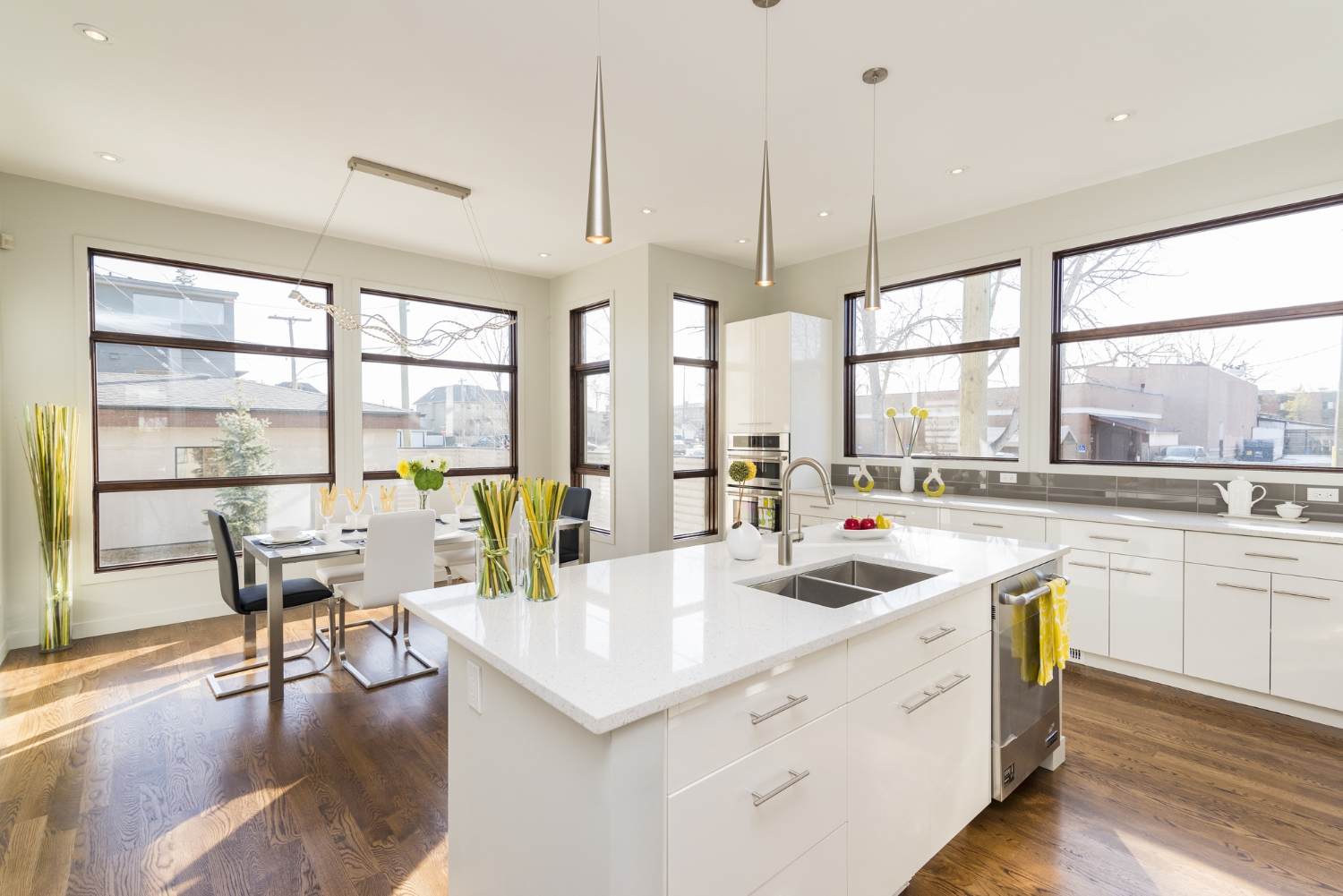
When planning your kitchen remodel, one of the first decisions you’ll face is whether to tackle the project yourself or hire professionals. Each approach has its pros and cons.
DIY Approach
- Cost Savings: One of the most significant advantages of a DIY approach is cost savings. By doing the work yourself, you can avoid labor costs, which can account for 20-35% of your total remodel budget.
- Personal Satisfaction: Completing a remodel on your own can be incredibly rewarding. It allows you to put your personal touch on the space and gain valuable skills.
- Time-Consuming: However, DIY projects can be time-consuming. If you’re not experienced, learning curves can lead to delays and frustration.
Professional Work
- Expertise: Hiring professionals ensures that the work is done correctly and efficiently. Experienced contractors can navigate potential pitfalls that a DIYer might overlook.
- Quality Assurance: Professionals often provide warranties for their work, giving you peace of mind regarding quality.
- Higher Costs: The downside is the higher cost. Labor can significantly inflate your budget, so it’s essential to factor this into your financial planning.
Budget vs. Premium Remodel
Your budget will heavily influence your choices when selecting flooring and cabinets. Here’s a comparison of budget and premium options:
| Category | Budget Options | Premium Options |
|---|---|---|
| Cabinets | Stock cabinets from big-box stores, typically ranging from $50 to $150 per linear foot. | Custom-built cabinets, which can cost $200 to $1,500 per linear foot, depending on materials and craftsmanship. |
| Flooring | Vinyl or laminate flooring, costing between $1 to $5 per square foot. | Natural hardwood or high-end tile, costing $5 to $20 per square foot. |
| Installation | DIY installation can save money but may require significant time investment. | Professional installation, which can cost an additional $2 to $10 per square foot, depending on the complexity. |
Common Mistakes to Avoid
Avoiding common pitfalls can save you time, money, and frustration during your kitchen remodel:
- Inadequate Planning: Failing to plan can lead to costly mistakes. Take the time to create a detailed design and budget before starting your remodel.
- Ignoring Functionality: A beautiful kitchen is not just about aesthetics. Ensure that your design allows for efficient workflow and meets your family’s needs.
- Overlooking Measurements: Accurate measurements are crucial. Double-check all dimensions to avoid issues during installation.
- Choosing Trends Over Timelessness: While trendy designs can be appealing, they may not stand the test of time. Opt for classic styles that will remain relevant for years.
Insider Tips
Here are some insider tips to make your remodel smoother:
- Sample Before You Commit: Always order samples of flooring and cabinet materials before making a final decision. This will help you visualize how they work together in your space.
- Consider Resale Value: If you plan to sell your home in the near future, consider how your choices will impact its resale value. Neutral colors and classic styles tend to appeal to a broader audience.
- Stay Flexible: Be prepared for unexpected issues during the remodel. Flexibility can help you adapt to changes without derailing your project.
- Communicate Clearly: If you hire professionals, maintain open communication throughout the process. Clear expectations can prevent misunderstandings and ensure your vision is realized.
By weighing your options and avoiding common mistakes, you can make a more informed decision about whether to choose flooring or cabinets first in your kitchen remodel.
Facts About Choosing Kitchen Remodel Floor or Cabinets First
Statistical Insights
When it comes to kitchen remodeling, making informed decisions is essential. Here are some relevant statistics and insights based on data from authoritative sources:
- Return on Investment (ROI): According to the National Association of Realtors, a minor kitchen remodel can yield an ROI of up to 80%, making it one of the best home improvement investments.
- Cost of Cabinets: A survey by Remodeling Magazine indicates that the average cost of mid-range kitchen cabinets is around $14,000, while high-end options can exceed $30,000. Prioritizing cabinets can significantly impact your budget.
- Flooring Trends: The 2022 Houzz Kitchen Trends Study found that 43% of homeowners chose to upgrade their flooring during a kitchen remodel, highlighting the importance of flooring in aesthetic and functional upgrades.
- Time Investment: HomeAdvisor reports that kitchen remodels can take anywhere from 6 to 12 weeks, depending on the scope of the project. Planning your priorities can streamline this timeline.
Benefits of a Thoughtful Approach
Taking a thoughtful approach to your kitchen remodel can yield numerous benefits:
Saving Money
- Prioritizing cabinets can help you allocate your budget effectively, preventing overspending on flooring that may not match your cabinetry.
- Choosing to do a DIY installation for one element (either cabinets or flooring) can save labor costs, allowing you to invest more in quality materials.
Adding Home Value
- A well-planned kitchen remodel can significantly increase your home’s market value. According to a study by the Joint Center for Housing Studies at Harvard University, kitchen remodels are among the top renovations that add value to homes.
- High-quality cabinets and flooring choices can enhance curb appeal and desirability, making your home more attractive to potential buyers.
Improving Comfort
- A well-designed kitchen that balances both flooring and cabinets can improve functionality and comfort, allowing for a more enjoyable cooking and entertaining experience.
- Thoughtful design choices can lead to better ergonomics, making it easier to navigate the kitchen space and reducing strain during meal preparation.
When to Start and What to Prioritize
Starting your kitchen remodel at the right time and prioritizing effectively can set the stage for success:
- Start Early: Begin your planning process at least 3 to 6 months before you intend to start the remodel. This allows ample time for design, budgeting, and sourcing materials.
- Prioritize Cabinets First: If storage is a significant concern, choose cabinets first to ensure they meet your needs and influence your flooring choice.
- Consider Flooring Next: If aesthetics are a priority, select flooring after cabinets to ensure a cohesive design that enhances the overall look of your kitchen.
Common Owner Insights from Forums
Homeowners often share their experiences and advice in online forums. Here’s a summary of what they commonly say:
| Owner Insight | Advice Given |
|---|---|
| “I wish I had chosen my cabinets first.” | Prioritize cabinets to avoid mismatches with flooring. |
| “Don’t skimp on quality materials.” | Invest in durable cabinets and flooring for long-term satisfaction. |
| “Measure everything twice!” | Accurate measurements prevent costly mistakes during installation. |
| “Consider the style of your home.” | Choose designs that complement your home’s overall aesthetic. |
| “Plan for the unexpected.” | Be flexible and prepared for surprises during the remodel process. |
By considering these facts and insights, homeowners can make well-informed decisions about whether to choose kitchen flooring or cabinets first, ultimately leading to a successful and satisfying remodel.