
What Do I Buy for a Kitchen Remodel?
Importance of the Question
Remodeling a kitchen is one of the most significant home improvement projects a homeowner can undertake. It’s not just about aesthetics; it impacts functionality, resale value, and overall enjoyment of the space. When considering a kitchen remodel, the question “What do I buy?” becomes crucial because the decisions made can affect various aspects of daily life and long-term investment.
Factors Influencing Kitchen Remodel Purchases
Several broader factors come into play when deciding what to buy for a kitchen remodel:
- Budget: The amount of money you are willing to spend will dictate the quality and type of materials you can choose. A clear budget helps prioritize essential items versus nice-to-haves.
- Time: Remodeling can be a time-consuming process. Consider how long you can live without a fully functional kitchen. Some materials have longer lead times than others.
- Design: The overall design of the kitchen will influence your choices. Whether you prefer a modern, traditional, or eclectic style, each will guide your selection of cabinets, countertops, and appliances.
- Functionality: Think about how you use your kitchen. Do you cook frequently? Do you need more storage? Your lifestyle will heavily influence what you need to buy.
- Regulations: Depending on your location, there may be building codes and regulations that affect what you can install. It’s essential to be aware of these before making purchases.
- Resale Value: If you plan to sell your home in the future, consider how your choices will affect its marketability. Certain features may appeal more to potential buyers.

By evaluating these factors, homeowners can make informed decisions on what to purchase for their kitchen remodel. Each choice should align with personal needs and broader considerations to ensure a successful transformation of the space.
What to Buy for a Kitchen Remodel
1. Cabinets
Types of Cabinets
Cabinets are often the focal point of a kitchen and significantly impact both aesthetics and functionality. When selecting cabinets, consider the following types:
- Stock Cabinets: Pre-manufactured and available in standard sizes. Generally cost-effective, ranging from $100 to $300 per linear foot.
- Semi-Custom Cabinets: Offer more customization options in terms of size, style, and finish. Prices typically range from $150 to $600 per linear foot.
- Custom Cabinets: Built to your specifications, providing maximum flexibility in design. Expect to pay $500 to $1,200 per linear foot or more.
Considerations
Think about the layout and how much storage you need. Open shelving can be a trendy alternative, but ensure it fits your lifestyle and cleaning habits.
2. Countertops
Materials and Costs
Countertops can dramatically affect the kitchen’s look and functionality. Here are some popular materials:
- Granite: Durable and heat-resistant, granite costs between $40 and $100 per square foot.
- Quartz: Non-porous and low-maintenance, quartz averages $50 to $150 per square foot.
- Laminate: A budget-friendly option, laminate can range from $10 to $40 per square foot.
- Marble: Elegant but high-maintenance, marble typically costs $50 to $150 per square foot.
Installation Time
Countertop installation can take a few days to a week, depending on the complexity of the project and the material chosen.
3. Appliances
Types of Appliances
Choosing the right appliances is critical for a functional kitchen. Here’s a breakdown of essential appliances:
- Refrigerators: Costs can range from $600 to $3,000 depending on size and features.
- Ovens and Ranges: Expect to pay between $400 and $3,000.
- Dishwashers: Prices typically range from $300 to $1,500.
- Microwaves: Can cost anywhere from $100 to $1,500.
Energy Efficiency
Look for Energy Star-rated appliances to save on energy bills and reduce environmental impact.
4. Flooring
Options and Costs
The right flooring can enhance both the look and durability of your kitchen. Common flooring materials include:
- Tile: Durable and water-resistant, tile costs between $1 and $20 per square foot.
- Hardwood: Offers a warm look but can be sensitive to moisture. Prices range from $5 to $15 per square foot.
- Vinyl: Affordable and versatile, vinyl can cost as little as $1 per square foot.
Installation Challenges
Flooring installation can take several days, especially if you are removing old flooring. Make sure to factor in time for acclimation if using hardwood.
5. Lighting
Types of Lighting
Good lighting is essential for both functionality and ambiance. Consider the following types:
- Task Lighting: Focused on work areas, like under-cabinet lighting. Costs can range from $30 to $200 per fixture.
- Ambient Lighting: Provides overall illumination, typically from ceiling fixtures. Prices vary widely based on design.
- Accent Lighting: Highlights specific features, such as artwork or cabinetry.
Installation Time
Lighting installation can usually be done within a day, but plan for any electrical work that may be needed.
6. Fixtures and Fittings
Essential Components
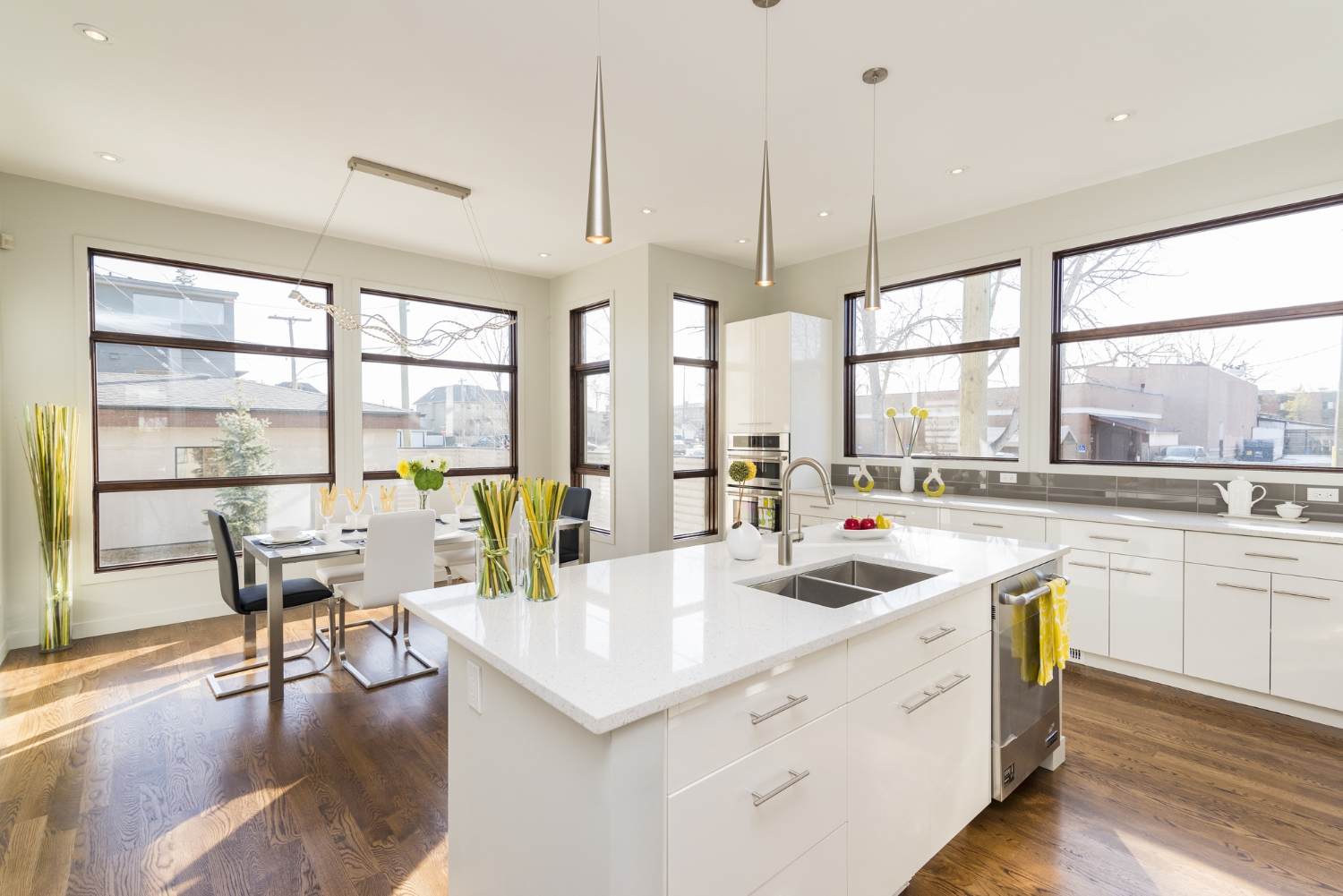
Don’t overlook the smaller items that complete the kitchen. Essential fixtures include:
- Sinks: Prices range from $100 to $1,000 depending on material and size.
- Faucets: Expect to spend between $50 and $500.
- Cabinet Hardware: Knobs and pulls can cost anywhere from $1 to $20 each.
Installation Considerations
While these items may seem minor, their installation can impact the overall functionality and style of your kitchen. Make sure they align with your design choices.
7. Design and Layout
Planning Your Space
Before purchasing anything, create a detailed plan. Consider the following:
- Work Triangle: Ensure that the refrigerator, stove, and sink are within easy reach of each other.
- Flow: Plan for ample space between islands and counters for movement.
- Storage Solutions: Incorporate drawers, shelves, and cabinets that maximize space.
Timeline for Planning
Planning can take several weeks to months, depending on the complexity of your design. Start with sketches and move to 3D models if possible.
By carefully considering these aspects and their associated costs, homeowners can make informed decisions on what to buy for their kitchen remodel, ensuring a functional and aesthetically pleasing space.
Actionable Advice for Your Kitchen Remodel
1. DIY vs. Professional Work
When to Go DIY
Embarking on a DIY kitchen remodel can save money but requires careful consideration. Here are situations where DIY might be the right choice:
- Simple Updates: Tasks like painting, installing new hardware, or replacing fixtures can be easily tackled by homeowners.
- Budget Constraints: If funds are limited, doing some work yourself can help stretch your budget.
- Personal Satisfaction: Many homeowners find fulfillment in completing projects on their own.
When to Hire Professionals
Certain aspects of a kitchen remodel are best left to the experts. Consider hiring professionals in the following scenarios:
- Complex Installations: Tasks like plumbing, electrical work, or custom cabinetry require specialized skills.
- Time Constraints: If you’re short on time, professionals can complete the work more efficiently.
- Quality Assurance: Professionals bring experience and can often achieve a higher quality finish.
2. Budget vs. Premium Remodel
Budget Remodel
A budget remodel focuses on cost-effective solutions without sacrificing quality. Here are some tips:
- Refinish Cabinets: Instead of replacing them, consider refinishing or painting your existing cabinets.
- Laminate Countertops: Opt for laminate instead of expensive materials like granite or quartz.
- Shop Sales: Look for sales on appliances and fixtures, which can significantly reduce costs.
Premium Remodel
For those willing to invest more, a premium remodel offers high-end finishes and features. Consider the following:
- Custom Cabinets: Invest in high-quality, custom cabinets that fit your space perfectly.
- High-End Appliances: Choose energy-efficient, top-of-the-line appliances that will last longer.
- Luxury Materials: Use premium materials like marble or solid wood for countertops and flooring.
3. Common Mistakes to Avoid
Avoiding common pitfalls can save you time, money, and frustration. Here are mistakes to watch out for:
| Mistake | Consequence | Tip to Avoid |
|---|---|---|
| Skipping a Plan | Disorganization and wasted resources | Create a detailed plan and timeline before starting. |
| Overlooking Storage | Cluttered and inefficient space | Incorporate ample storage solutions in your design. |
| Ignoring Lighting | Poor visibility and ambiance | Plan for a mix of task, ambient, and accent lighting. |
| Choosing Trendy Over Timeless | Quickly dated design | Focus on classic styles that won’t go out of fashion. |
4. Insider Tips
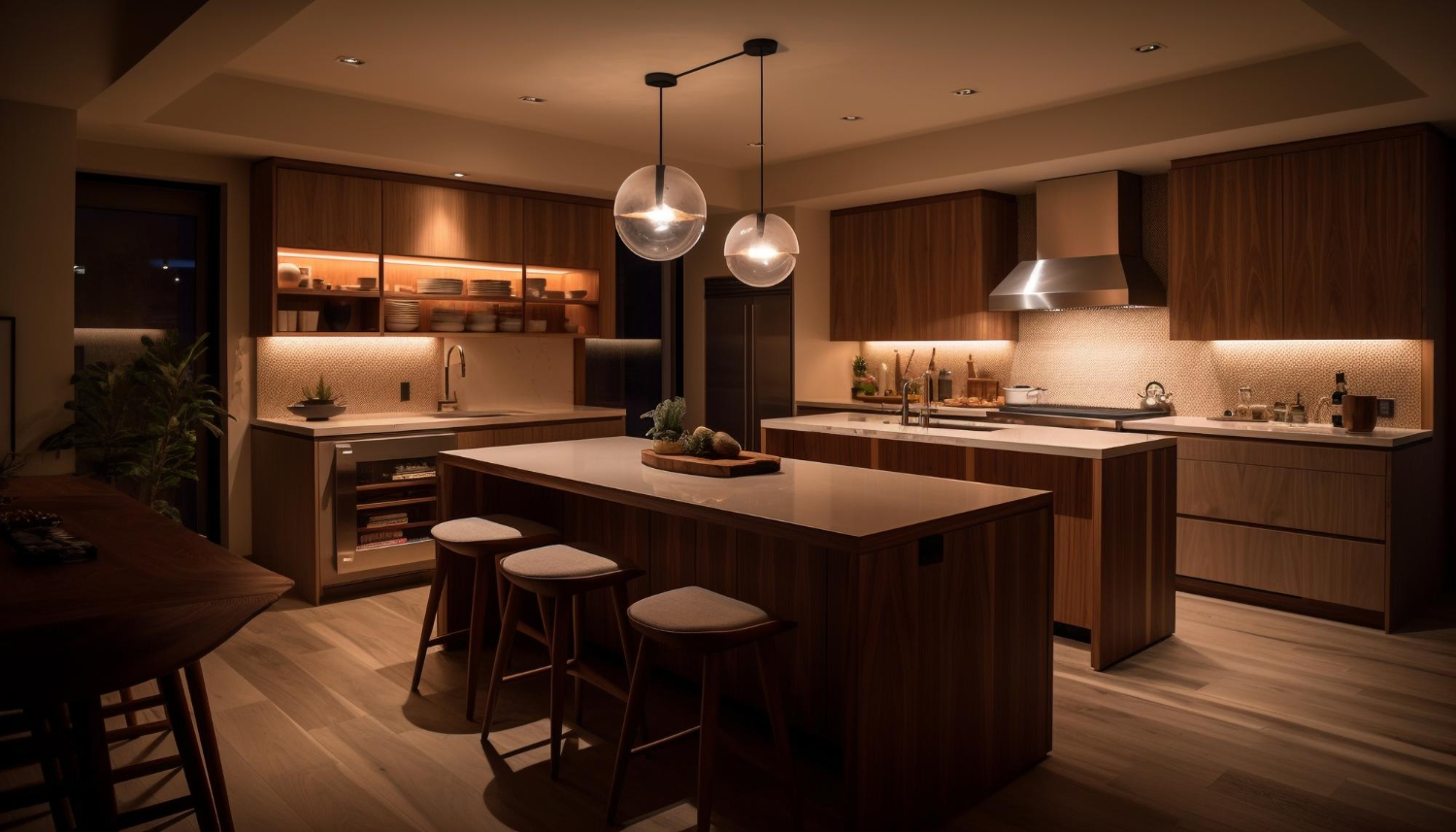
Here are some expert tips to enhance your kitchen remodel experience:
- Invest in a Good Layout: A well-planned layout increases functionality and can make a smaller kitchen feel larger.
- Consider Resale Value: Even if you plan to stay long-term, think about how your choices will affect future buyers.
- Stay True to Your Style: Don’t feel pressured to follow trends; choose designs that resonate with your personal taste.
- Get Multiple Quotes: If hiring professionals, always obtain multiple quotes to ensure you’re getting a fair price.
By weighing the options between DIY and professional work, making informed choices about budget versus premium remodels, avoiding common mistakes, and utilizing insider tips, homeowners can navigate their kitchen remodel with confidence and clarity.
Facts About What to Buy for a Kitchen Remodel
1. Statistical Insights
Return on Investment (ROI)
According to the National Association of Realtors, kitchen remodels consistently rank high in terms of ROI. Here are some key figures:
- Minor Remodels: Homeowners can expect an ROI of around 80% for minor kitchen remodels, which typically include new countertops, appliances, and fixtures.
- Major Remodels: While major remodels yield a lower ROI of about 60-70%, they can significantly enhance the home’s livability and appeal.
- Average Cost: The average cost of a kitchen remodel in the U.S. is approximately $25,000, but this can vary widely depending on location and scope.
2. Benefits of a Thoughtful Approach
Saving Money
Being strategic about your purchases can save you significant amounts of money. Consider the following:
- Prioritize Essentials: Focus on high-impact areas first, such as cabinets and countertops, to maximize value.
- Shop Smart: Utilize sales, discounts, and clearance items to reduce costs without compromising quality.
- DIY Where Possible: Tackling smaller projects yourself can greatly reduce labor costs.
Adding Home Value
A well-planned kitchen remodel can increase your home’s market value. Key points include:
- Modern Features: Buyers are often willing to pay more for updated kitchens with modern appliances and finishes.
- Energy Efficiency: Energy-efficient appliances can be a selling point for environmentally conscious buyers.
- Open Concept: Many buyers prefer open layouts, which can increase the perceived value of the home.
Improving Comfort
A remodel can also enhance your daily living experience:
- Functionality: A well-designed kitchen improves workflow and makes cooking and entertaining more enjoyable.
- Aesthetics: A visually appealing kitchen can elevate your mood and make your home feel more inviting.
- Personalization: Tailoring your kitchen to fit your lifestyle can significantly enhance your comfort and satisfaction.
3. When to Start and What to Prioritize
Timing Your Remodel
The best time to start a kitchen remodel is typically in the spring or fall, when contractors are less busy. Planning ahead can also help you avoid delays.
Prioritizing Purchases
When considering what to buy, prioritize the following:
- Cabinets: They are often the most significant investment and have the most impact on the overall look.
- Countertops: Choose durable materials that suit your cooking habits and aesthetic preferences.
- Appliances: Invest in energy-efficient models that will save you money in the long run.
- Flooring: Select a material that is both durable and complements the kitchen’s design.
- Lighting: Good lighting can transform the space and improve functionality.
4. Common Owner Insights from Forums
Homeowners often share valuable insights in online forums. Here’s a summary of what they commonly say:
| Topic | Common Advice | Frequency of Mention |
|---|---|---|
| Budgeting | Always allocate a contingency fund for unexpected expenses. | 75% |
| Choosing Contractors | Get multiple quotes and check references before hiring. | 65% |
| Material Selection | Focus on durability over trends to ensure longevity. | 70% |
| Timeline | Start planning several months in advance to avoid rushing. | 80% |
By leveraging statistical insights, understanding the benefits of a thoughtful approach, and considering common advice from other homeowners, you can make informed decisions about what to buy for your kitchen remodel. Prioritizing key elements will not only enhance your kitchen’s functionality but also increase your home’s value and comfort.