
How to Eat When Your Kitchen is Being Remodeled
Why This Question Matters
Impact on Daily Life
When your kitchen is undergoing a remodel, the disruption can significantly affect your daily routine, especially meal preparation and dining. Homeowners often underestimate how much they rely on their kitchens for cooking and even socializing. The absence of a functional kitchen can lead to stress, frustration, and unhealthy eating habits.
Financial Considerations
Budgeting for a kitchen remodel is a complex task. Homeowners must consider not only the cost of materials and labor but also the potential for increased food expenses during the remodeling process. Eating out or ordering takeout can quickly add up, impacting your overall budget. It’s essential to explore cost-effective options for meals that won’t derail your financial plans.
Time Constraints

A kitchen remodel can take anywhere from a few weeks to several months, depending on the scale of the project. Time management becomes crucial during this period. Homeowners often find themselves juggling work, family commitments, and the chaos of a remodel. Planning meals in advance is vital to avoid last-minute, unhealthy choices.
Design and Layout Changes
As the remodel progresses, the design and layout of your kitchen may change significantly. This can affect how and where you prepare food. Homeowners need to adapt to these changes and find temporary solutions that work within the constraints of their evolving space. Being flexible and creative with meal prep can make a substantial difference.
Regulations and Safety
Depending on the extent of the renovation, there may be local regulations regarding food preparation in your home. If major plumbing or electrical work is involved, certain areas may not be safe for cooking. It’s crucial to be aware of these regulations and prioritize safety, even if it means temporarily adjusting your cooking habits.
Broader Lifestyle Factors
The remodeling process can also influence broader lifestyle factors such as diet, social interactions, and even mental health. With limited cooking options, homeowners may find themselves relying on convenience foods that are often less nutritious. This can lead to a cycle of unhealthy eating, which can affect overall well-being.
In summary, knowing how to eat during a kitchen remodel is not just about meal planning; it’s about navigating a complex web of financial, temporal, and lifestyle factors. Being proactive and resourceful can help mitigate the challenges and maintain a semblance of normalcy during this transitional phase.
How to Eat When Your Kitchen is Being Remodeled
Planning Ahead
Meal Prepping
Before your kitchen remodel begins, take the time to plan meals that can be easily prepared without a full kitchen setup. Meal prepping can save you time and stress. Here are some steps to consider:
- Choose recipes that require minimal cooking equipment, such as salads, sandwiches, and wraps.
- Prepare meals in bulk that can be frozen or stored for easy access, such as soups or casseroles.
- Invest in a few essential appliances like a slow cooker or an Instant Pot, which can be used in other areas of your home.
Timeline for Meal Prep
Aim to prepare at least one week’s worth of meals before the remodel starts. This could take a few hours, but the payoff in convenience will be worth it. Consider setting aside a weekend for this task.
Utilizing Alternative Cooking Spaces
Using Other Appliances
If your kitchen is off-limits, you may need to get creative with alternative cooking methods. Here are some options:
- Microwave: Great for reheating leftovers or cooking simple meals.
- Slow Cooker: Perfect for set-it-and-forget-it meals like stews and roasts.
- Electric Griddle or Hot Plate: Useful for making breakfast items or quick meals.
Cooking in Other Areas
If possible, set up a temporary cooking station in another room, such as the dining room or living room. Make sure to have a small table or cart to hold your appliances and ingredients.
Exploring Takeout and Delivery Options
Budgeting for Takeout
While eating out can be convenient, it can also be expensive. On average, a family of four can spend anywhere from $50 to $100 per meal when ordering takeout. To manage costs:
- Limit takeout to a few times a week, and set a budget for each meal.
- Look for local restaurants that offer family meal deals or discounts.
- Consider using meal delivery services that provide pre-prepared meals, which might be more cost-effective than dining out.
Meal Subscription Services
Meal subscription services can be a lifesaver during a kitchen remodel. These services typically offer a variety of meal kits that require minimal preparation. Prices can range from $8 to $12 per serving, depending on the service and plan you choose.
Staying Healthy During the Remodel
Focus on Nutrition

With limited cooking options, it’s easy to fall into unhealthy eating patterns. Here are some tips to maintain a balanced diet:
- Include plenty of fruits and vegetables in your meals, whether from takeout or pre-prepped options.
- Choose whole grains like brown rice or quinoa when possible.
- Limit processed foods and sugary snacks, which can be tempting during stressful times.
Hydration
Don’t forget about hydration. Keep a supply of water bottles or a water pitcher in your temporary cooking area. Staying hydrated can help maintain energy levels and reduce cravings.
Involving the Family
Making It a Group Effort
Involve the entire family in meal planning and preparation. This can make the process more enjoyable and less overwhelming. Here are some ideas:
- Assign each family member a day to choose a meal or snack.
- Have kids help with simple tasks like assembling sandwiches or washing fruits and vegetables.
- Consider hosting a family cooking night where everyone contributes to a meal, even if it’s just assembling takeout or prepped ingredients.
Creating a Fun Dining Experience
Make mealtime special, even without a fully functional kitchen. Set the table nicely, light candles, or play music. This can help maintain a positive atmosphere during the remodeling process.
Dealing with Challenges
Managing Food Storage
Without a functioning kitchen, food storage can become a challenge. Plan for this by:
- Using coolers or insulated bags for perishables if your refrigerator is unavailable.
- Keeping a minimal amount of non-perishable items on hand to avoid clutter.
- Regularly checking the status of your food items to prevent spoilage.
Handling Limited Space
As your kitchen remodel progresses, space may become limited. To manage this:
- Keep your temporary cooking area organized and clutter-free.
- Use stackable containers to maximize space for food storage.
- Plan for easy access to utensils and cooking supplies.
By taking these steps, you can navigate the challenges of meal preparation during your kitchen remodel while maintaining a balanced diet and keeping your family engaged.
Actionable Advice for Eating During a Kitchen Remodel
Choosing Between DIY and Professional Work
DIY Remodeling
Many homeowners consider a DIY approach to save money. While this can be cost-effective, it also requires significant time and effort. Here are some pros and cons:
| Pros | Cons |
|---|---|
| Lower costs, as you save on labor fees. | Time-consuming, potentially extending the remodel timeline. |
| Personalized touches that reflect your style. | Risk of mistakes that could lead to additional costs. |
| Opportunity to learn new skills. | Limited expertise may result in subpar work. |
Professional Remodeling
Hiring professionals can streamline the process, but it comes at a higher cost. Consider the following:
| Pros | Cons |
|---|---|
| Expertise and experience lead to higher quality work. | Higher costs due to labor and materials. |
| Faster completion times, minimizing disruption. | Less personal involvement in design choices. |
| Access to industry connections for materials and appliances. | Potential for miscommunication about expectations. |
Budget vs. Premium Remodels
Budget Remodels
If you’re on a tight budget, focus on cost-effective strategies that still yield results. Here are some tips:
- Opt for refacing cabinets instead of replacing them.
- Choose affordable materials like laminate countertops instead of granite.
- Shop for discounted or clearance appliances to save money.
Premium Remodels
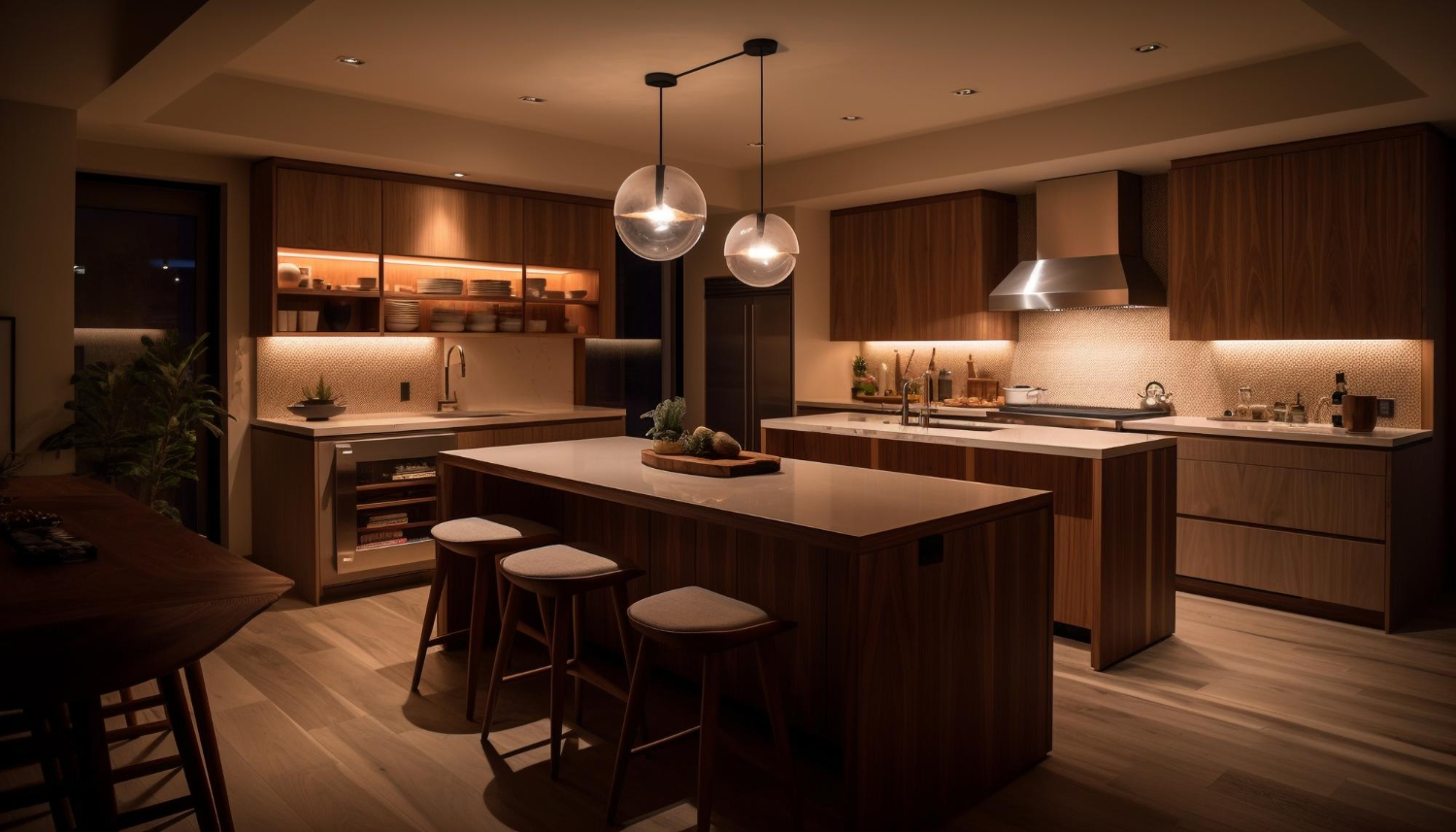
For those willing to invest more, premium remodels can enhance the kitchen’s functionality and aesthetics. Consider these elements:
- High-end appliances that offer better energy efficiency and performance.
- Custom cabinetry that maximizes storage and fits your specific needs.
- Quality materials like quartz or marble countertops for durability and style.
Mistakes to Avoid During a Remodel
Common Pitfalls
Many homeowners make mistakes that can lead to frustration and additional costs. Here are key mistakes to avoid:
- Neglecting to set a realistic budget, which can lead to overspending.
- Failing to plan for meal alternatives, resulting in unhealthy eating habits.
- Not communicating clearly with contractors, leading to misaligned expectations.
Insider Tips
To navigate your kitchen remodel smoothly, consider these insider tips:
- Start with a clear vision of what you want to achieve before beginning the remodel.
- Document everything, including contracts, receipts, and communications with contractors.
- Be flexible with timelines and materials, as delays and shortages can occur.
Meal Planning During the Remodel
Creating a Flexible Meal Plan
Having a meal plan during your kitchen remodel can save time and reduce stress. Here’s how to create one:
- Plan for a mix of takeout, meal kits, and pre-prepared foods.
- Incorporate simple recipes that require minimal equipment and ingredients.
- Set a weekly schedule to determine when to use appliances or cook in alternative spaces.
Utilizing Local Resources
Take advantage of local resources to make meal prep easier:
- Explore nearby grocery stores or markets that offer pre-prepped meal options.
- Consider local food trucks or meal delivery services that can provide variety.
- Join community groups or forums for recommendations on affordable dining options.
By following this actionable advice, homeowners can navigate the challenges of eating during a kitchen remodel while ensuring that their dietary needs and preferences are met.
Facts About Eating When Your Kitchen is Being Remodeled
Statistical Insights
Impact on Food Expenses
During a kitchen remodel, homeowners often experience an increase in food expenses due to reliance on takeout and convenience foods. According to a survey by the National Kitchen & Bath Association (NKBA), homeowners can expect to spend 25% more on food during a remodel, primarily due to frequent dining out.
Time Management
The average kitchen remodel can take anywhere from 6 to 12 weeks, depending on the scope of work. During this time, meal planning becomes essential. A study by the American Time Use Survey indicates that Americans spend an average of 1.5 hours per day preparing and eating meals. Without a functional kitchen, this time can be drastically reduced, leading to increased reliance on quick and often unhealthy options.
Benefits of a Thoughtful Approach
Saving Money
By planning meals and utilizing alternative cooking methods, homeowners can save significantly. For instance, cooking in bulk and freezing meals can reduce the frequency of takeout, which can cost between $10 to $20 per meal per person. A well-thought-out meal plan can save a family of four several hundred dollars over the course of a remodel.
Adding Home Value
Investing in a kitchen remodel can yield a high return on investment (ROI). According to Remodeling Magazine’s Cost vs. Value report, homeowners can expect to recoup approximately 70% of their kitchen remodel costs when selling their home. A well-designed kitchen can also make the home more appealing to potential buyers, increasing its market value.
Improving Comfort
A thoughtful approach to meal planning can significantly improve comfort during the remodeling process. Homeowners who prepare meals in advance report feeling less stressed and more in control. A survey from the American Psychological Association found that planning and organization can lead to a 25% decrease in anxiety levels.
Final Piece of Advice
When to Start and What to Prioritize
It is advisable to start meal planning and preparation at least two weeks before the remodel begins. This allows time to stock up on essentials and prepare meals that can be easily stored or reheated. Prioritize the following:
- Identify meals that require minimal cooking equipment.
- Plan for a mix of healthy takeout options and pre-prepped meals.
- Set a budget for food expenses during the remodel.
Common Insights from Homeowners
| Common Insights | Homeowner Quotes |
|---|---|
| Meal planning is essential. | “Without a plan, we ended up eating out way too much.” – Homeowner A |
| Budgeting for food is crucial. | “I didn’t realize how much extra we’d spend on food.” – Homeowner B |
| Using alternative cooking methods helps. | “My slow cooker saved us during the remodel.” – Homeowner C |
| Involving the family makes it easier. | “Cooking together was a fun distraction from the chaos.” – Homeowner D |
By understanding these facts and insights, homeowners can navigate the challenges of eating during a kitchen remodel more effectively, ensuring they maintain their health and budget while enhancing the value of their home.