
What You Need to Buy for a Kitchen Remodel
Why This Question Matters
Remodeling your kitchen is one of the most significant home improvement projects you can undertake. It’s not just about aesthetics; it’s about functionality, efficiency, and increasing the value of your home. Homeowners often find themselves overwhelmed by the myriad of decisions to make, which is why knowing what to buy is crucial. A well-planned kitchen remodel can enhance your cooking experience, improve organization, and even reduce energy costs.
Factors Influencing Your Kitchen Remodel
When considering a kitchen remodel, several factors come into play that can influence your decisions on what to purchase:
- Budget: Your financial limitations will significantly affect your choices. Establishing a realistic budget early on can help narrow down options and prevent overspending.
- Time: The duration of the remodel can impact your daily life. Consider how long you can live without a fully functional kitchen and plan your purchases accordingly.
- Design: The layout and style of your kitchen should reflect your personal taste while also being practical. Consider whether you want a modern, traditional, or eclectic design and how that will influence your purchases.
- Regulations: Local building codes and regulations may dictate certain aspects of your remodel, such as plumbing and electrical work. Familiarize yourself with these requirements to avoid costly mistakes.
- Functionality: Think about how you use your kitchen. Do you cook often? Do you entertain guests? Your lifestyle will dictate the types of appliances, storage solutions, and materials you need.

Understanding these factors will not only help you prioritize your purchases but also ensure that your kitchen remodel meets your needs and expectations.
What to Buy for Your Kitchen Remodel
Key Components of a Kitchen Remodel
When planning a kitchen remodel, it’s essential to break down the project into key components. This will help you prioritize your purchases and ensure that you don’t overlook anything critical. Below are the main aspects to consider:
1. Cabinets
Cabinets are often the centerpiece of a kitchen remodel, both in terms of aesthetics and functionality.
- Types: You can choose from stock, semi-custom, or custom cabinets. Stock cabinets are the most affordable, typically ranging from $100 to $300 per linear foot, while custom cabinets can go upwards of $500 per linear foot.
- Materials: Common materials include plywood, MDF, and solid wood. Solid wood is durable but can be more expensive.
- Installation: Professional installation can add $50 to $150 per hour, depending on your location and the complexity of the job.
2. Countertops
Countertops not only affect the look of your kitchen but also its usability.
- Materials: Options include granite, quartz, laminate, and butcher block. Granite and quartz are popular for their durability, with prices ranging from $50 to $200 per square foot.
- Durability: Consider how much wear and tear your countertops will endure. For example, quartz is less porous than granite, making it easier to maintain.
- Installation: Professional installation can cost an additional 20% to 30% of the countertop price.
3. Appliances
Investing in the right appliances can significantly enhance your kitchen’s functionality.
- Types: Common appliances include refrigerators, ovens, stoves, dishwashers, and microwaves. Energy-efficient models can save you money in the long run.
- Cost: Average prices for kitchen appliances can range from $2,000 to $10,000, depending on brand and features.
- Size and Layout: Ensure your appliances fit well within your kitchen layout, considering both size and workflow.
4. Flooring
The right flooring can tie your kitchen design together while providing durability.
- Options: Popular choices include tile, hardwood, laminate, and vinyl. Tile is durable and water-resistant, while hardwood offers warmth and elegance.
- Cost: Flooring can range from $2 to $15 per square foot, depending on materials.
- Installation: Hiring a professional can add $1 to $3 per square foot for installation.
5. Lighting
Good lighting is crucial for both functionality and ambiance in the kitchen.
- Types: Consider a mix of task, ambient, and accent lighting. Pendant lights over an island, under-cabinet lighting, and recessed lights are popular choices.
- Cost: Lighting fixtures can range from $50 to $500 each, depending on style and brand.
- Energy Efficiency: Opt for LED bulbs to save on energy costs.
6. Plumbing Fixtures
Upgrading your plumbing fixtures can improve both functionality and aesthetics.
- Types: Common fixtures include sinks, faucets, and garbage disposals. Consider a double sink for added convenience.
- Cost: Sinks can range from $100 to $1,000, while faucets typically cost between $50 and $500.
- Installation: Plumbing installation can add $100 to $300, depending on the complexity.
7. Backsplash
A backsplash can add a splash of color and protect your walls from spills.
- Materials: Options include tile, glass, and metal. Subway tiles are a popular and affordable choice.
- Cost: Backsplash materials can range from $10 to $50 per square foot.
- Installation: DIY installation can save costs, but hiring a professional can add $10 to $25 per square foot.
8. Storage Solutions
Maximizing storage is essential for a functional kitchen.
- Options: Consider pull-out shelves, lazy Susans, and drawer organizers to make the most of your space.
- Cost: Storage solutions can range from $50 to $500, depending on complexity and materials.
- Customization: Custom solutions may be more expensive but can significantly enhance usability.
9. Miscellaneous Items
Don’t overlook smaller items that can enhance your kitchen experience.
- Hardware: Cabinet handles and knobs can range from $2 to $20 each.
- Paint: A fresh coat of paint can rejuvenate your kitchen, costing around $30 to $60 per gallon.
- Window Treatments: Blinds or curtains can add style and privacy, typically costing between $20 and $200.
Planning Your Purchase Timeline
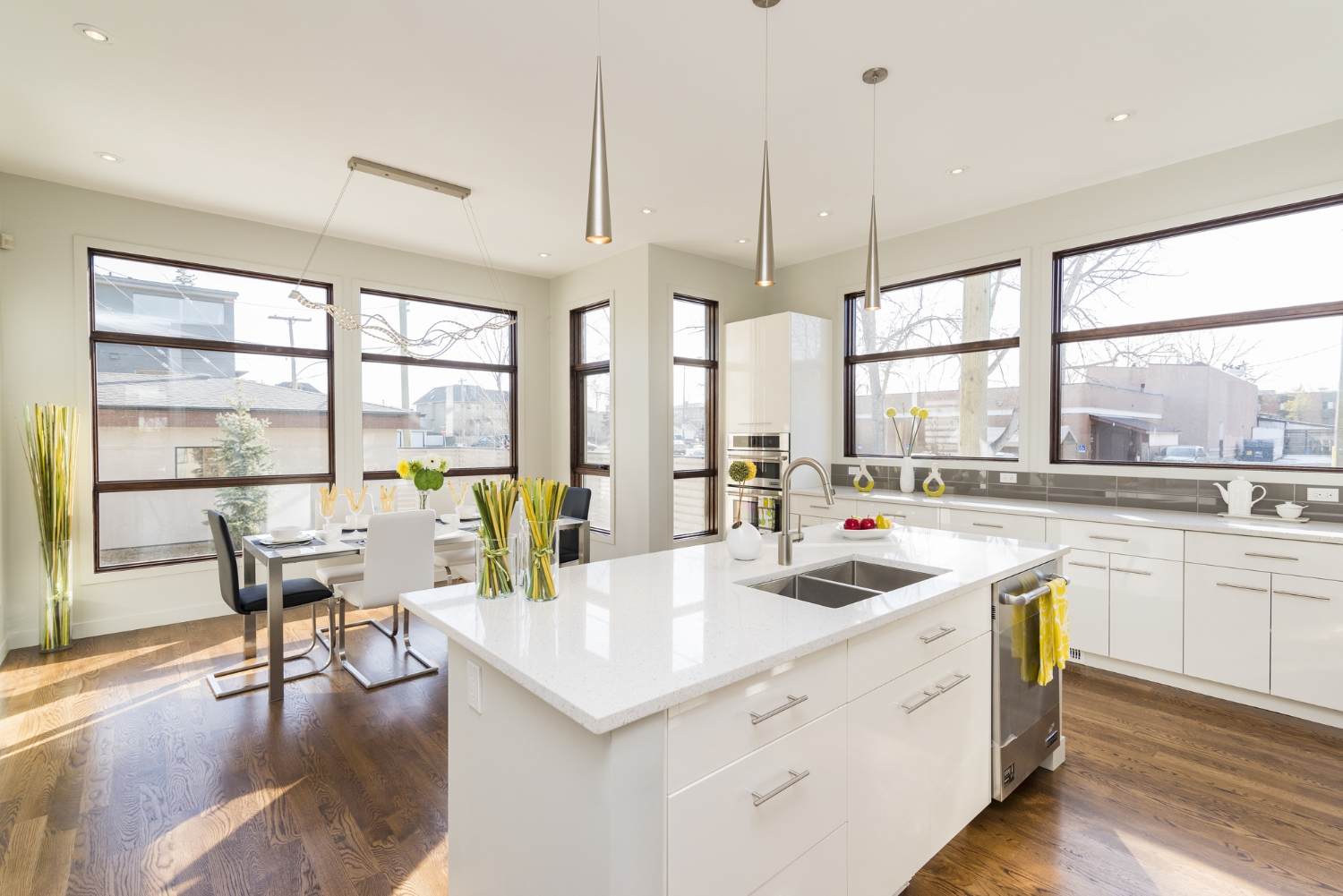
The timeline for purchasing these items can vary based on your project scope and budget.
- Initial Planning (1-2 months): Research and budget. Decide on a style and gather inspiration.
- Design and Layout (1 month): Work with a designer or create your layout. Confirm measurements and finalize your choices.
- Ordering (1-2 months): Order cabinets, countertops, and appliances. Be aware that some items may have long lead times.
- Installation (1-3 months): Schedule contractors for installation, allowing time for any unexpected delays.
Potential Challenges
Remodeling can come with its share of challenges:
- Delays: Shipping delays for materials can extend your timeline.
- Budget Overruns: Always have a contingency fund for unexpected expenses, typically 10-20% of your total budget.
- Design Changes: Be prepared for the possibility that your initial design may need adjustments during the process.
By considering these aspects and planning accordingly, you can ensure a smoother kitchen remodel experience.
Actionable Advice for Your Kitchen Remodel
DIY vs. Professional Work
Deciding whether to tackle your kitchen remodel as a DIY project or hire professionals can significantly impact your budget, timeline, and overall results. Below are some considerations for both approaches:
DIY Kitchen Remodel
- Cost Savings: DIY projects can save you labor costs, which can account for 20-30% of your total budget.
- Flexibility: You can work at your own pace, allowing for adjustments as you go.
- Skill Level: Be realistic about your skills. Some tasks, like plumbing or electrical work, may require professional expertise.
Professional Kitchen Remodel
- Quality Assurance: Professionals bring expertise and experience, ensuring a high-quality finish.
- Time Efficiency: Hiring experts can expedite the process, often completing the remodel in a fraction of the time it would take a DIYer.
- Warranties: Many professionals offer warranties on their work, providing peace of mind.
Budget vs. Premium Remodel
Your budget will dictate the quality of materials and appliances you can afford, which can significantly affect the overall outcome of your kitchen remodel. Here’s a comparison:
| Aspect | Budget Remodel | Premium Remodel |
|---|---|---|
| Cabinets | Stock options, typically $100-$300 per linear foot | Custom options, typically $500+ per linear foot |
| Countertops | Laminate or basic tile, $10-$50 per square foot | Granite or quartz, $50-$200+ per square foot |
| Appliances | Basic models, $2,000-$4,000 total | High-end brands, $5,000-$10,000+ total |
| Flooring | Vinyl or laminate, $2-$5 per square foot | Hardwood or high-end tile, $5-$15+ per square foot |
Common Mistakes to Avoid
Remodeling can be a complex process, and avoiding common pitfalls can save you time and money.
- Neglecting the Layout: Ensure your kitchen layout promotes efficiency. The kitchen work triangle (sink, stove, refrigerator) should be considered for optimal flow.
- Underestimating Costs: Always include a contingency fund of at least 10-20% for unexpected expenses.
- Ignoring Lighting Needs: Good lighting is essential. Plan for a combination of task, ambient, and accent lighting.
- Overlooking Ventilation: Proper ventilation is critical, especially if you cook frequently. Consider installing a range hood.
Insider Tips for a Successful Remodel
To maximize your kitchen remodel, consider these insider tips:
- Research Materials: Look for durable, low-maintenance materials that fit your lifestyle. For example, quartz countertops require less upkeep than granite.
- Plan for Storage: Incorporate smart storage solutions, such as pull-out shelves and under-cabinet storage, to maximize space.
- Shop Sales: Keep an eye out for sales on appliances and materials, especially during holiday weekends.
- Consult Professionals Early: Even if you plan to do most of the work yourself, consulting a designer or contractor can provide valuable insights and prevent costly mistakes.
By weighing your options, avoiding common mistakes, and applying these insider tips, you can significantly enhance the success of your kitchen remodel.
Facts About What to Buy for Your Kitchen Remodel
Statistical Insights
When planning a kitchen remodel, understanding the statistics can guide your purchasing decisions and highlight the benefits of a thoughtful approach.
Cost Recouped
According to the 2023 Remodeling Impact Report by the National Association of Realtors (NAR), homeowners can expect to recoup approximately 75% of their kitchen remodel costs upon resale. This statistic emphasizes the importance of investing wisely in materials and appliances.
Common Kitchen Remodel Costs
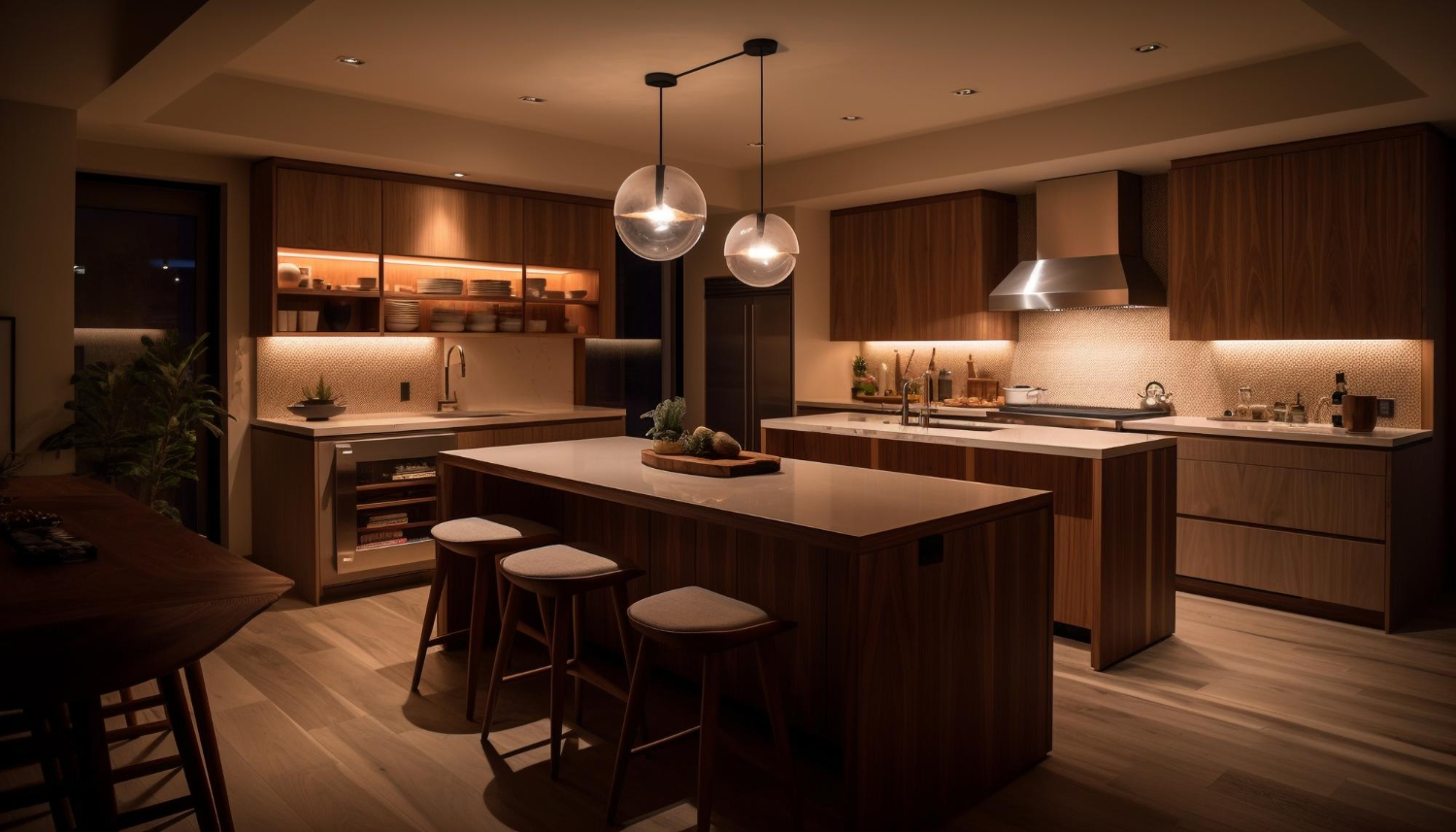
The average cost for a kitchen remodel in the U.S. ranges from $12,000 to $35,000, depending on the scope. Here’s a breakdown of typical expenses:
- Cabinets: 30% of the total budget
- Countertops: 10-15% of the total budget
- Appliances: 15-20% of the total budget
- Labor: 20-35% of the total budget
- Flooring: 10-15% of the total budget
Benefits of a Thoughtful Approach
Taking a strategic approach to your kitchen remodel can yield significant benefits.
Saving Money
By planning ahead and prioritizing essential purchases, you can avoid impulse buys and costly mistakes. For instance:
- Buying in Bulk: Purchasing materials like tiles or flooring in bulk can lead to discounts.
- Timing Purchases: Shopping during off-peak seasons or holiday sales can save you up to 20-30% on appliances and fixtures.
Adding Home Value
A well-executed kitchen remodel can enhance your home’s value. According to a report by Remodeling Magazine, minor kitchen remodels can yield an average return on investment of 80%, while major remodels can yield around 60-75%.
Improving Comfort and Usability
Upgrading your kitchen can significantly enhance your daily living experience. Features such as:
- Open Layouts: Create a more inviting space for family and guests.
- Modern Appliances: Energy-efficient appliances can reduce utility bills and improve functionality.
- Smart Storage Solutions: Custom cabinets and organizers can make cooking and cleaning more efficient.
When to Start and What to Prioritize
Timing is crucial when embarking on a kitchen remodel.
- Start Early: Begin planning at least 3-6 months before you want to start the remodel. This allows ample time for design, budgeting, and ordering materials.
- Prioritize Essentials: Focus on cabinets, countertops, and appliances first, as these elements have the most significant impact on both functionality and aesthetics.
- Consider Layout Changes: If you plan to change the kitchen layout, prioritize plumbing and electrical work early in the process.
Common Owner Insights from Forums
Homeowners often share valuable insights and experiences in online forums. Below is a summary of common comments regarding kitchen remodels:
| Owner Insight | Common Themes |
|---|---|
| “I wish I had planned my budget better.” | Emphasizes the importance of detailed budgeting. |
| “Invest in good quality cabinets.” | Quality cabinets can last longer and enhance home value. |
| “Don’t underestimate the importance of lighting.” | Good lighting can transform the kitchen’s ambiance. |
| “Research before buying appliances.” | Understanding energy efficiency can save money over time. |
| “DIY for minor tasks, hire pros for plumbing.” | Mixing DIY and professional work can optimize costs and quality. |
By understanding these facts and insights, you can make informed decisions that will not only enhance your kitchen but also provide long-term benefits for your home and lifestyle.
