
What is a Major Kitchen Remodel?
Defining a Major Kitchen Remodel
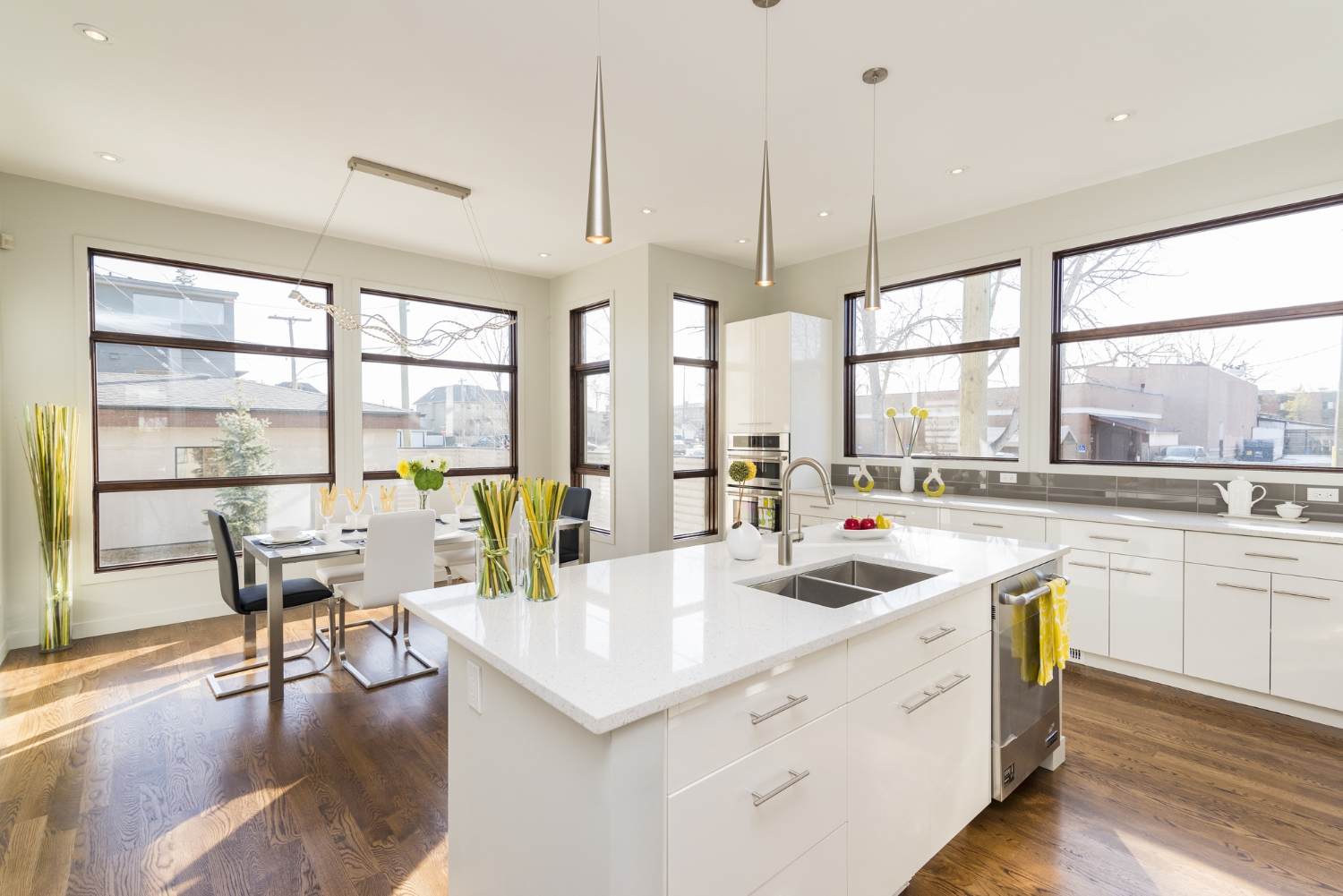
A major kitchen remodel refers to an extensive renovation of the kitchen space that typically involves significant changes to the layout, structure, and functionality. This can include replacing cabinets, countertops, and appliances, as well as altering plumbing and electrical systems. A major remodel often transforms the kitchen into a more efficient and aesthetically pleasing area, aligning it with the homeowner’s needs and preferences.
Why This Matters for Homeowners
For homeowners, the decision to undertake a major kitchen remodel is a substantial commitment, both financially and emotionally. The kitchen is often considered the heart of the home, serving as a gathering place for family and friends. Therefore, the quality and functionality of this space can have a significant impact on daily life and overall home value.
Factors Influencing a Major Kitchen Remodel
- Financial Considerations: A major kitchen remodel can be a costly endeavor. Homeowners must assess their budget, financing options, and the potential return on investment. The average cost of a major remodel can range from $20,000 to over $100,000, depending on the scope of work and materials used.
- Time Commitment: A remodel is not a quick process. Depending on the extent of the changes, it can take several weeks to months to complete. Homeowners must plan for the disruption of their daily routines during this time.
- Design Choices: The design of the kitchen must reflect the homeowner’s style and functional needs. This includes selecting materials, colors, layouts, and appliances. The choices made here can significantly influence the overall look and feel of the kitchen.
- Building Regulations: Depending on the location, homeowners may need to adhere to specific building codes and regulations. This can involve obtaining permits for plumbing, electrical work, and structural changes. Ignoring these regulations can lead to fines and complications down the line.
- Market Trends: Homeowners should also consider current trends in kitchen design and functionality. Features such as open-concept layouts, energy-efficient appliances, and smart home technology are becoming increasingly popular and may enhance the kitchen’s appeal.

Understanding these factors is crucial for homeowners contemplating a major kitchen remodel. It ensures they are well-prepared for the challenges and rewards that come with transforming one of the most important spaces in their home.
Key Aspects of a Major Kitchen Remodel
Planning and Design
The planning phase is critical in a major kitchen remodel. This stage involves assessing needs, setting a budget, and creating a design that meets both aesthetic and functional requirements.
Steps in Planning
- Assess Needs: Determine what you want to achieve with the remodel. Are you looking for more space, better functionality, or a modern look? Conduct surveys among family members to gather input.
- Set a Budget: Establish a realistic budget that includes all aspects of the remodel. On average, homeowners spend between $20,000 and $50,000 on a major kitchen remodel, but high-end renovations can exceed $100,000.
- Hire Professionals: Depending on the complexity of the remodel, consider hiring a designer, contractor, or architect. Their expertise can help streamline the project and avoid costly mistakes.
- Create a Timeline: Establish a timeline for the project. A major remodel can take anywhere from 6 to 12 weeks, depending on the scope of work. Be prepared for potential delays due to unforeseen circumstances.
Layout and Functionality
The layout of the kitchen is a crucial element that affects its functionality. There are various layouts to consider, each with its advantages and disadvantages.
Common Kitchen Layouts
- U-Shaped: This layout maximizes counter space and storage. It is ideal for larger kitchens but can feel cramped in smaller spaces.
- L-Shaped: This design is versatile and allows for an open floor plan. It works well in both small and large kitchens.
- Galley: A galley kitchen features two parallel countertops, making it efficient for cooking. However, it may lack space for multiple cooks.
- Island: Adding an island can provide additional counter space and storage. It also serves as a social hub for family and friends.
Materials and Finishes
Choosing the right materials and finishes is vital for both aesthetics and durability. The selection can significantly impact the overall cost and maintenance of the kitchen.
Common Material Choices
- Countertops: Popular materials include granite, quartz, and laminate. Granite averages around $50 to $100 per square foot, while quartz can range from $60 to $150.
- Cabinets: Wood cabinets are a common choice, with prices ranging from $100 to $1,200 per linear foot, depending on the style and material.
- Flooring: Options include hardwood, tile, and vinyl. Hardwood averages $8 to $15 per square foot, while tile can range from $1 to $20.
Appliances and Technology
Modern kitchens often incorporate advanced appliances and smart home technology. Selecting energy-efficient appliances can lead to long-term savings on utility bills.
Average Costs of Appliances
- Refrigerators: High-quality models can range from $800 to $3,000, depending on features.
- Ovens and Ranges: Costs typically range from $500 to $2,500, with professional-grade options at the higher end.
- Dishwashers: Expect to pay between $300 and $1,500 for a reliable unit.
Permits and Regulations
Before starting a major kitchen remodel, homeowners must be aware of local building codes and regulations. Obtaining the necessary permits is crucial to avoid fines and legal issues.
Common Permits Required
- Building Permits: Required for structural changes, such as moving walls or adding windows.
- Electrical Permits: Necessary for any electrical work, including adding outlets or new lighting.
- Plumbing Permits: Required for any changes to plumbing, such as relocating sinks or dishwashers.
Potential Challenges
Despite thorough planning, challenges can arise during a major kitchen remodel. Being aware of these potential issues can help homeowners navigate the process more effectively.
Common Challenges
- Budget Overruns: It’s common for costs to exceed initial estimates due to unforeseen issues or changes in design.
- Delays: Weather, shipping issues, or contractor availability can lead to project delays.
- Design Changes: Homeowners may change their minds about design elements mid-project, leading to additional costs and delays.
By addressing these aspects and being prepared for challenges, homeowners can ensure a smoother and more successful major kitchen remodel.
Actionable Advice for a Major Kitchen Remodel
DIY vs. Professional Work
One of the first decisions homeowners face when planning a major kitchen remodel is whether to tackle the project themselves or hire professionals. Each approach has its advantages and disadvantages.
Comparison of DIY and Professional Work
| Aspect | DIY | Professional Work |
|---|---|---|
| Cost | Lower initial costs but may require purchasing tools and materials. | Higher costs due to labor, but often includes warranties and guarantees. |
| Time | Can take longer, especially if you have limited experience. | Typically faster due to expertise and efficiency. |
| Quality | Results depend on skill level; mistakes can be costly. | Higher quality due to professional experience and resources. |
| Stress | Can be stressful, especially if complications arise. | Less stress for homeowners as professionals manage the project. |
Budget vs. Premium Remodel
Another critical consideration is the choice between a budget remodel and a premium remodel. Each option caters to different homeowner needs and financial situations.
Comparison of Budget and Premium Remodels
| Aspect | Budget Remodel | Premium Remodel |
|---|---|---|
| Cost | Typically under $30,000; focuses on essential updates. | Can exceed $100,000; includes high-end materials and appliances. |
| Materials | Often uses less expensive materials like laminate or stock cabinets. | Features high-quality materials such as granite, custom cabinetry, and designer fixtures. |
| Customization | Limited customization options; focuses on functionality. | Highly customizable; tailored to personal style and preferences. |
| Return on Investment | May yield a decent ROI, but not as high as premium remodels. | Higher potential ROI, especially in upscale markets. |
Mistakes to Avoid
Avoiding common pitfalls can save homeowners time and money during a major kitchen remodel.
Common Mistakes
- Underestimating Costs: Always budget for unexpected expenses. A good rule of thumb is to set aside an additional 10-20% of your total budget for contingencies.
- Ignoring Functionality: A beautiful kitchen is not enough. Ensure that the layout and design meet your cooking and entertaining needs.
- Choosing Trends Over Timelessness: While trendy designs can be appealing, they may not stand the test of time. Opt for classic styles that will remain appealing for years.
- Neglecting Lighting: Good lighting is essential in a kitchen. Incorporate a mix of task, ambient, and accent lighting to create a well-lit space.
Insider Tips
Here are some insider tips to enhance the remodeling experience and outcome:
Actionable Tips
- Research and Plan: Spend time researching materials, designs, and appliances before making decisions. Create a mood board to visualize your ideas.
- Consult Multiple Contractors: Get quotes from at least three contractors to ensure competitive pricing and find the best fit for your project.
- Focus on the Kitchen Triangle: The kitchen triangle (the distance between the sink, stove, and refrigerator) should be efficient and functional. Aim for a distance of 12 to 26 feet between these three points.
- Invest in Quality Appliances: Choose energy-efficient appliances that will save money in the long run. Look for models with good reviews and warranties.
- Stay Flexible: Be prepared for changes and adjustments during the remodel process. Flexibility can lead to better outcomes and less stress.
By considering these aspects, homeowners can make informed decisions and navigate the complexities of a major kitchen remodel more effectively.
Facts About Major Kitchen Remodels
Statistical Insights
Understanding the statistical data surrounding major kitchen remodels can provide homeowners with valuable insights into the process and its benefits.
Average Costs and Returns
- The average cost of a major kitchen remodel in the United States ranges from $20,000 to $50,000, with high-end remodels exceeding $100,000 (Source: Remodeling Magazine).
- Homeowners can expect to recoup about 60% to 80% of their investment in a kitchen remodel when selling their home (Source: National Association of Realtors).
- According to a survey by Houzz, 58% of homeowners who remodeled their kitchens reported a positive emotional impact, citing increased enjoyment and satisfaction in their home.
Benefits of a Thoughtful Approach
A thoughtful approach to a major kitchen remodel can yield significant benefits, enhancing both the living experience and the value of the home.
Financial Advantages
- Increased Home Value: A well-executed kitchen remodel can significantly boost a home’s market value, making it more competitive in the real estate market.
- Energy Efficiency: Upgrading to energy-efficient appliances and fixtures can lead to long-term savings on utility bills, offsetting some of the initial remodeling costs.
- Lower Maintenance Costs: New materials and appliances often come with warranties and require less maintenance, reducing future expenses.
Improved Comfort and Functionality
- Enhanced Usability: A remodel can improve the kitchen layout, making it more functional for cooking and entertaining.
- Increased Storage: Thoughtful design often incorporates additional storage solutions, reducing clutter and enhancing organization.
- Modern Aesthetics: A fresh, modern kitchen can improve the overall aesthetic of the home, making it more inviting and enjoyable.
When to Start and What to Prioritize
Timing and priorities are crucial when considering a major kitchen remodel. Here are some guidelines:
Ideal Timing
- Spring and early summer are often ideal times for remodeling projects, as weather conditions are typically favorable for construction.
- Consider starting the remodel when you have adequate time to plan and oversee the project, ideally during a period of minimal disruption to your daily life.
Prioritizing Key Elements
- Layout and Functionality: Focus on optimizing the kitchen layout to improve workflow and usability.
- Quality Materials: Invest in durable materials that will withstand daily wear and tear.
- Energy-Efficient Appliances: Prioritize the selection of appliances that offer long-term savings and sustainability.
- Lighting: Ensure that the kitchen has adequate lighting for both functionality and ambiance.
Common Homeowner Sentiments
Homeowners often share their experiences and insights on forums, providing valuable perspectives on the remodeling process. Here’s a summary of what they commonly say:
| Sentiment | Common Feedback |
|---|---|
| Budgeting | Many recommend setting a budget and sticking to it, with a contingency fund for unexpected costs. |
| Planning | Homeowners emphasize the importance of thorough planning and research before starting the remodel. |
| Hiring Professionals | A significant number advise hiring experienced contractors for complex projects to avoid costly mistakes. |
| Functionality | Homeowners frequently highlight the need to prioritize functionality over aesthetics to ensure a practical kitchen. |
| Emotional Impact | Many express satisfaction with the emotional benefits of a newly remodeled kitchen, enhancing their enjoyment of the home. |