
How Much Does a Home Depot Kitchen Remodel Cost?
Why This Question Matters for Homeowners
Remodeling a kitchen is one of the most significant investments a homeowner can make. It can enhance the functionality of the space, improve the home’s aesthetic appeal, and potentially increase property value. However, the question of how much a Home Depot kitchen remodel costs is crucial for several reasons:
- Budgeting: Knowing the potential costs helps homeowners set a realistic budget. Kitchen remodels can range from minor updates to complete overhauls, and understanding the price range can prevent financial strain.
- Value Addition: A well-executed kitchen remodel can significantly boost a home’s resale value. Homeowners need to gauge whether the investment will yield a good return when it’s time to sell.
- Design Choices: The cost often dictates the quality of materials and appliances that can be chosen. Homeowners must balance their design aspirations with their financial limitations.
- Time Commitment: The duration of a remodel can affect living arrangements. Homeowners should consider how long they can manage without a fully functional kitchen.
- Regulatory Compliance: Depending on the scope of the remodel, homeowners may need to navigate local building codes and permits, which can add to the cost and timeline.
Broader Factors Influencing Kitchen Remodel Costs
Several factors can influence the overall cost of a kitchen remodel at Home Depot:
- Scope of Work: Whether it’s a minor facelift or a complete redesign, the extent of the remodel significantly impacts the budget.
- Material Selection: Choices in countertops, cabinets, flooring, and appliances can vary widely in price. Higher-end materials often come with a hefty price tag.
- Labor Costs: Hiring professionals versus DIY can lead to substantial differences in cost. Labor rates can also fluctuate based on location and availability.
- Design Complexity: Unique layouts or custom features can drive up costs. Simple designs are typically less expensive than intricate ones.
- Market Trends: Economic factors and local market trends can affect pricing. Demand for renovations can lead to increased costs for labor and materials.

Understanding these elements is essential for homeowners planning a kitchen remodel. The right approach can lead to a successful renovation that meets both aesthetic desires and budgetary constraints.
Cost Breakdown of a Home Depot Kitchen Remodel
Understanding the Budget
When planning a kitchen remodel through Home Depot, it’s essential to have a clear understanding of the budget. Costs can vary significantly based on several factors, including the size of the kitchen, the extent of the remodel, and the materials chosen. Here’s a closer look at the key components that affect the overall cost.
1. Cabinets
Cabinets are often the largest expense in a kitchen remodel. The price can range widely depending on the material, style, and brand.
- Stock Cabinets: These are pre-manufactured and typically cost between $100 to $300 per linear foot.
- Semi-Custom Cabinets: Offering more design flexibility, these usually range from $150 to $650 per linear foot.
- Custom Cabinets: For those seeking a unique design, custom cabinets can cost anywhere from $500 to $1,200 per linear foot.
For an average-sized kitchen (about 10×10 feet), homeowners can expect to spend between $3,000 and $12,000 on cabinets alone.
2. Countertops
Countertops can dramatically affect the kitchen’s look and functionality. The cost will depend on the material chosen.
- Laminate: Budget-friendly, laminate countertops can cost between $20 to $50 per square foot.
- Granite: A popular choice, granite typically ranges from $40 to $100 per square foot.
- Quartz: Known for its durability, quartz countertops usually fall between $50 to $150 per square foot.
For an average kitchen with 50 square feet of countertop space, costs can range from $1,000 to $7,500.
3. Flooring
Flooring choices can also vary widely in price. Options include tile, hardwood, laminate, and vinyl.
- Vinyl Flooring: A cost-effective choice, vinyl can range from $2 to $7 per square foot.
- Laminate Flooring: This option typically costs between $1.50 to $5 per square foot.
- Tile Flooring: Depending on the type, tile can range from $1 to $20 per square foot.
- Hardwood Flooring: A classic option, hardwood usually costs between $5 to $15 per square foot.
For a kitchen of about 200 square feet, flooring expenses can range from $400 to $3,000.
4. Appliances
Upgrading appliances is often a key part of a kitchen remodel. The cost can vary based on the brand and type of appliance.
- Refrigerators: Prices can range from $500 to $3,000 depending on features and size.
- Ovens: Expect to spend between $400 and $2,500.
- Dishwashers: These typically range from $300 to $1,500.
A full suite of kitchen appliances may cost between $1,200 and $7,000.
5. Labor Costs
Labor is another significant expense in a kitchen remodel. Costs can vary based on the complexity of the project and local labor rates.
- General Labor: Labor costs for kitchen remodels can range from $50 to $150 per hour.
- Contractor Fees: Hiring a contractor can lead to additional costs, often 10% to 20% of the total project cost.

For an average kitchen remodel, labor costs can range from $2,000 to $8,000.
Planning and Timeline
Planning a kitchen remodel through Home Depot involves several steps, and understanding the timeline can help manage expectations.
1. Initial Consultation
The process typically starts with an initial consultation. Homeowners can schedule an appointment with a Home Depot kitchen designer to discuss ideas, styles, and budget. This step usually takes about 1 to 2 hours.
2. Design Phase
After the consultation, the design phase begins. This can take 1 to 2 weeks, depending on how quickly homeowners make decisions. During this time, the designer will create a layout and select materials.
3. Permitting and Approval
If the remodel involves structural changes, obtaining permits may be necessary. This phase can take anywhere from a few days to several weeks, depending on local regulations.
4. Construction and Installation
The actual construction and installation phase can take 4 to 8 weeks on average. This timeframe can vary based on the complexity of the remodel, availability of materials, and labor.
5. Final Touches
Once the major work is completed, final touches such as painting, backsplash installation, and appliance setup may take an additional week or two.
Potential Challenges
Several challenges can arise during a kitchen remodel that homeowners should be aware of:
- Budget Overruns: Unexpected issues such as plumbing or electrical problems can lead to increased costs.
- Delays: Shipping delays for materials or appliances can extend the timeline.
- Design Changes: Last-minute design changes can disrupt the flow of the project and increase costs.
Being prepared for these challenges can help homeowners navigate the remodeling process more smoothly.
Actionable Advice for a Home Depot Kitchen Remodel
Common Approaches: DIY vs. Professional Work
When embarking on a kitchen remodel, homeowners often face the decision of whether to tackle the project themselves (DIY) or hire professionals. Each approach has its pros and cons, and understanding them can help you make an informed decision.
DIY Kitchen Remodel
- Pros:
- Cost Savings: Doing the work yourself can save on labor costs.
- Control: You have complete control over the design and execution.
- Learning Experience: DIY projects can be rewarding and educational.
- Cons:
- Time-Consuming: DIY projects can take longer than expected.
- Skill Limitations: Lack of experience can lead to mistakes.
- Quality Concerns: Professional work often results in a higher quality finish.
Professional Kitchen Remodel
- Pros:
- Expertise: Professionals bring experience and skills that can enhance the project.
- Efficiency: Work is usually completed faster with a team of experts.
- Warranty: Many professionals offer warranties on their work.
- Cons:
- Higher Costs: Hiring professionals can significantly increase the budget.
- Less Control: Homeowners may have less say in the day-to-day decisions.
- Scheduling Conflicts: Coordinating schedules can sometimes be a hassle.
Budget vs. Premium Remodel
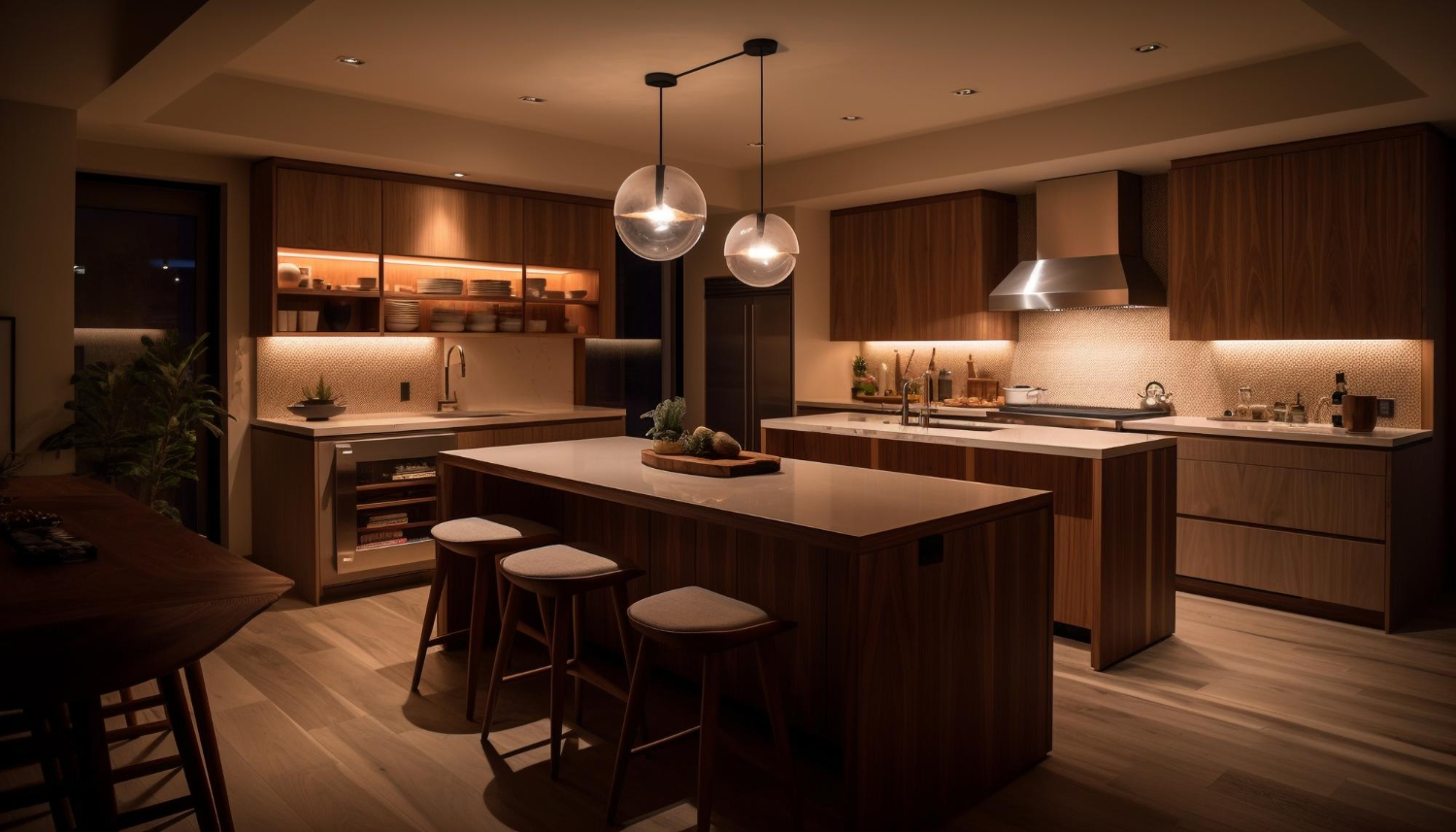
When deciding on a budget for your remodel, it’s crucial to determine whether you want a budget-friendly or premium approach. Each option offers different benefits and drawbacks.
| Aspect | Budget Remodel | Premium Remodel |
|---|---|---|
| Cost | $10,000 – $25,000 | $25,000 – $100,000+ |
| Materials | Stock cabinets, laminate counters | Custom cabinets, granite/quartz counters |
| Appliances | Basic models | High-end, energy-efficient models |
| Design | Simple layouts, minimal changes | Complex layouts, custom features |
| Return on Investment | Moderate | High, especially in upscale neighborhoods |
Common Mistakes to Avoid
Here are some common pitfalls that homeowners should avoid during their kitchen remodel:
- Not Setting a Realistic Budget: Failing to account for all costs can lead to financial strain.
- Overlooking Measurements: Incorrect measurements can lead to costly mistakes in material purchases.
- Ignoring the Layout: A poor kitchen layout can affect functionality, even if the space looks great.
- Choosing Trends Over Timelessness: Opting for trendy designs can lead to a quick need for updates.
- Neglecting Lighting: Poor lighting can diminish the kitchen’s usability and ambiance.
Insider Tips for a Successful Remodel
To ensure a smooth and successful kitchen remodel, consider these insider tips:
- Plan for Contingencies: Set aside 10-20% of your budget for unexpected expenses.
- Research Materials: Visit showrooms and read reviews to make informed material choices.
- Communicate Clearly: Maintain open lines of communication with contractors or team members to avoid misunderstandings.
- Stay Organized: Keep a detailed project timeline and checklist to track progress and tasks.
- Be Flexible: Be prepared for changes and adapt as needed throughout the process.
By considering these approaches, understanding the differences between budget and premium options, avoiding common mistakes, and applying insider tips, homeowners can navigate their Home Depot kitchen remodel more effectively and achieve their desired results.
Facts About Home Depot Kitchen Remodel Costs
Statistical Data and Authoritative Sources
Understanding the costs associated with a Home Depot kitchen remodel is essential for homeowners looking to invest wisely. Here are some key statistics and facts based on reputable sources:
- Average Cost: According to Remodeling Magazine’s 2023 Cost vs. Value Report, the average minor kitchen remodel costs about $26,000, while a major remodel can reach up to $75,000 or more, depending on the scope.
- Return on Investment: The same report indicates that homeowners can expect to recoup about 70% of their investment in a minor kitchen remodel and around 60% for a major remodel when selling their home.
- Material Costs: The National Kitchen and Bath Association (NKBA) reports that cabinets typically account for 30% of the total kitchen remodel budget, while countertops and appliances can take up another 20% each.
- Labor Costs: HomeAdvisor notes that labor costs for kitchen remodeling can range from $50 to $150 per hour, with an average total labor cost of about 20% of the overall project budget.
- Project Duration: A typical kitchen remodel can take anywhere from 4 to 12 weeks, depending on the complexity of the project and the availability of materials.
Benefits of a Thoughtful Approach
Taking a thoughtful approach to a kitchen remodel can yield significant benefits. Here are some advantages to consider:
1. Saving Money
- Planning ahead allows homeowners to set a realistic budget, reducing the likelihood of overspending.
- Choosing cost-effective materials and appliances can help keep expenses in check while still achieving a desirable look.
- DIY options for certain tasks can lead to savings on labor costs.
2. Adding Home Value
- A well-executed kitchen remodel can significantly increase a home’s market value, making it more attractive to potential buyers.
- Focus on timeless designs and quality materials to ensure the remodel stands the test of time.
- Upgrading appliances to energy-efficient models can appeal to eco-conscious buyers.
3. Improving Comfort
- A remodeled kitchen can enhance the overall functionality of the space, making cooking and entertaining more enjoyable.
- Better layouts can improve workflow, reducing frustration in daily tasks.
- Modern amenities and improved lighting can create a more inviting atmosphere.
When to Start and What to Prioritize
Starting a kitchen remodel requires careful consideration of timing and priorities:
- Best Time to Start: Spring and early summer are often ideal times for kitchen remodels, as many contractors have more availability and materials are easier to source.
- Prioritize:
- Layout: Focus on optimizing the kitchen layout for functionality.
- Cabinets: Invest in quality cabinets, as they are a focal point in the kitchen.
- Countertops: Choose durable and aesthetically pleasing materials.
- Appliances: Upgrade to energy-efficient models that offer modern features.
- Lighting: Ensure adequate lighting to enhance both functionality and ambiance.
Common Feedback from Homeowners
Homeowners often share their experiences and advice on forums. Here’s a summary of what they commonly say:
| Feedback Category | Common Comments |
|---|---|
| Cost Management | Set a budget and stick to it; unexpected costs can add up quickly. |
| DIY vs. Professional | Consider doing simple tasks yourself but hire professionals for plumbing and electrical work. |
| Material Choices | Invest in quality materials; it pays off in the long run. |
| Timeline | Be prepared for delays; they are common in remodeling projects. |
| Design Considerations | Focus on functionality first, then aesthetics; a beautiful kitchen is useless if it doesn’t work well. |