
Understanding Kitchen Remodeling Costs
Why Kitchen Remodeling Costs Matter
Remodeling a kitchen is one of the most significant investments homeowners can make. The kitchen often serves as the heart of the home, where families gather, meals are prepared, and memories are created. Therefore, knowing how much it will cost to remodel this vital space is crucial for homeowners. An accurate budget helps avoid financial strain, ensures proper planning, and allows for informed decisions about design and materials.
Factors Influencing Kitchen Remodeling Costs
Several factors can significantly impact the overall cost of a kitchen remodel. Here are some of the most important:
- Scope of the Project: The extent of the remodel plays a crucial role in determining costs. A simple facelift, such as new paint and hardware, will be far less expensive than a complete overhaul involving new cabinetry, appliances, and layout changes.
- Materials: The choice of materials can dramatically affect the budget. High-end materials like granite countertops or custom cabinetry can escalate costs quickly, while more budget-friendly options like laminate or stock cabinets can keep expenses down.
- Labor Costs: Hiring skilled professionals for plumbing, electrical work, and installation adds to the overall expense. Labor costs can vary significantly by region and the complexity of the work needed.
- Design Complexity: A well-thought-out design can enhance functionality but may require more intricate work, thereby increasing costs. Open floor plans, for example, may involve structural changes that add to the budget.
- Appliance Upgrades: Upgrading to energy-efficient or high-end appliances can improve the kitchen’s functionality and aesthetics but can also lead to higher costs.
- Permits and Regulations: Depending on local building codes, permits may be required for certain types of work, such as plumbing or electrical updates. These permits can add time and expense to the project.
- Time Frame: The duration of the remodel can also affect costs. A rushed project may incur additional labor costs, while a longer timeline might allow for more budget-friendly material options.

By considering these factors, homeowners can better estimate the financial commitment required for a kitchen remodel. Understanding the various elements that contribute to the overall cost will help in making informed choices, ultimately leading to a successful renovation that meets both aesthetic and functional needs.
Cost Breakdown for Kitchen Remodeling
1. Initial Planning and Design Costs
Before diving into the actual remodeling, homeowners should allocate a budget for planning and design. This phase is crucial for setting a clear vision and understanding the financial scope of the project.
- Design Consultation: Hiring a professional designer can cost anywhere from $50 to $200 per hour. Some designers may offer a flat fee, which can range from $1,500 to $5,000 depending on the complexity of the project.
- 3D Renderings: For a more visual approach, 3D renderings can help homeowners see their ideas come to life. This service can cost between $300 to $1,500.
Timeline
Typically, the planning and design phase can take anywhere from 2 to 6 weeks, depending on the complexity of the design and the responsiveness of all parties involved.
2. Demolition and Preparation Costs
Once the design is finalized, the next step is demolition and preparation. This phase often involves removing old cabinets, appliances, and fixtures.
- Demolition Labor: Hiring professionals for demolition can cost between $1,000 and $3,000, depending on the size of the kitchen and the extent of the work.
- Disposal Fees: Proper disposal of old materials may incur additional costs, typically ranging from $200 to $500.
Timeline
This phase usually takes about 1 to 2 weeks, depending on the amount of demolition required.
3. Structural Changes and Electrical/Plumbing Work
For many remodels, structural changes may be necessary, such as moving walls or adding windows. Additionally, electrical and plumbing updates are often required.
- Structural Changes: Costs can vary widely, but expect to pay between $1,500 and $5,000 for minor structural changes. Major renovations can easily exceed $10,000.
- Electrical Work: Upgrading electrical systems can cost between $1,000 and $3,000, depending on the complexity of the work.
- Plumbing Updates: Plumbing work typically ranges from $1,000 to $3,500, depending on whether you are moving existing fixtures or installing new ones.
Timeline
This phase can take anywhere from 1 to 4 weeks, depending on the extent of the work required.
4. Cabinetry and Countertops
Cabinets and countertops are often the focal points of a kitchen, and their costs can vary significantly based on materials and design.
- Cabinet Costs: Stock cabinets can range from $100 to $300 per linear foot, while semi-custom options can range from $150 to $650 per linear foot. Custom cabinets can exceed $1,000 per linear foot.
- Countertop Costs: Common materials include laminate ($20 to $50 per square foot), granite ($50 to $200 per square foot), and quartz ($50 to $150 per square foot).
Timeline
Ordering and installing cabinets and countertops generally takes 3 to 6 weeks, depending on availability and installation complexity.
5. Appliances and Fixtures
Upgrading appliances and fixtures can significantly enhance the functionality and aesthetic of the kitchen.
- Appliance Costs: Basic appliances (refrigerator, stove, dishwasher) can range from $2,000 to $5,000 for mid-range brands, while high-end appliances can easily exceed $10,000.
- Fixtures: Faucets and sinks can range from $100 to $1,000, depending on style and brand.
Timeline
Ordering and installing appliances and fixtures typically takes about 1 to 3 weeks, depending on availability.
6. Flooring and Finishing Touches

The final stages of a kitchen remodel often involve installing new flooring and adding finishing touches like paint and trim.
- Flooring Costs: Depending on the material, costs can range from $1 to $10 per square foot. For example, vinyl flooring may cost around $2 to $5 per square foot, while hardwood can range from $5 to $10 per square foot.
- Painting and Trim: Painting the kitchen can cost between $300 and $1,000, while trim work may add another $500 to $1,500 to the budget.
Timeline
This final phase usually takes about 1 to 2 weeks, depending on the extent of the flooring and finishing work needed.
7. Overall Cost Summary
When considering all the factors involved, the total cost of a kitchen remodel can vary widely:
- Minor Remodel: $10,000 to $20,000
- Mid-Range Remodel: $20,000 to $50,000
- High-End Remodel: $50,000 and up
Ultimately, the cost of remodeling a kitchen is influenced by numerous factors, including design choices, materials, and labor. Homeowners should conduct thorough research and planning to create a realistic budget that aligns with their vision and financial capabilities.
Actionable Advice for Kitchen Remodeling
1. DIY vs. Professional Work
One of the first decisions homeowners face when planning a kitchen remodel is whether to tackle the project themselves or hire professionals. Each approach has its pros and cons.
| Aspect | DIY | Professional Work |
|---|---|---|
| Cost | Generally lower; you save on labor costs. | Higher; labor costs can significantly increase the overall budget. |
| Time | May take longer due to learning curves and limited availability. | Typically faster; professionals have experience and efficiency. |
| Quality | Varies based on skill level; potential for mistakes. | Usually higher; professionals have the expertise and tools. |
| Stress Level | Can be high due to uncertainty and challenges. | Lower; professionals manage the project and handle issues. |
Advice
- If you choose to DIY, start with smaller tasks like painting or installing hardware to build confidence.
- For complex tasks, such as plumbing or electrical work, consider hiring professionals to avoid costly mistakes.
2. Budget vs. Premium Remodel
Deciding between a budget-friendly remodel and a premium upgrade can significantly impact your kitchen’s final look and functionality. Here’s a comparison:
| Aspect | Budget Remodel | Premium Remodel |
|---|---|---|
| Materials | Stock cabinets, laminate countertops, basic appliances. | Custom cabinets, high-end countertops, energy-efficient appliances. |
| Design | Simpler designs, fewer customizations. | Complex layouts, custom designs tailored to needs. |
| Longevity | May need updates sooner; less durable materials. | Long-lasting; higher quality materials and craftsmanship. |
| Return on Investment (ROI) | Good ROI for resale; attracts budget-conscious buyers. | Higher ROI in upscale markets; appeals to luxury buyers. |
Advice
- Set a realistic budget based on your needs and stick to it. Prioritize essential upgrades that will enhance functionality.
- Consider the long-term investment. Sometimes spending a bit more upfront can save money in repairs and replacements down the line.
3. Common Mistakes to Avoid
Remodeling a kitchen can be overwhelming, and mistakes can be costly. Here are some common pitfalls to avoid:
- Skipping the Planning Phase: Failing to plan can lead to rushed decisions and budget overruns. Take the time to outline your goals, budget, and timeline.
- Ignoring the Work Triangle: The kitchen work triangle (sink, stove, refrigerator) is crucial for functionality. Ensure that these elements are placed for optimal workflow.
- Overlooking Storage Needs: Many homeowners underestimate the need for storage. Plan for enough cabinets, drawers, and pantry space to keep the kitchen organized.
- Choosing Trends Over Timelessness: While trendy designs can be appealing, they may not stand the test of time. Opt for classic styles that will remain appealing for years.
Insider Tips
- Always have a contingency budget of at least 10-20% for unexpected expenses.
- Get multiple quotes from contractors to ensure you’re getting a fair price.
- Don’t rush into decisions; take your time to gather ideas and inspiration.
- Consider energy-efficient appliances and fixtures to save money in the long run.
4. Timelines and Scheduling
Understanding the timeline for each phase of the remodel can help keep the project on track. Here’s a general breakdown:
| Phase | Estimated Time |
|---|---|
| Planning and Design | 2 to 6 weeks |
| Demolition | 1 to 2 weeks |
| Structural Changes and Utilities | 1 to 4 weeks |
| Cabinetry and Countertops | 3 to 6 weeks |
| Appliances and Fixtures | 1 to 3 weeks |
| Flooring and Finishing Touches | 1 to 2 weeks |
By adhering to these timelines, homeowners can better manage their expectations and ensure a smoother remodeling process.
Key Facts About Kitchen Remodeling Costs
1. Average Costs Based on Statistical Data
Understanding the average costs associated with kitchen remodeling can provide valuable insight for homeowners. Here are some statistics from authoritative sources:
- National Average: According to the Remodeling 2023 Cost vs. Value Report, the average kitchen remodel costs approximately $26,000 for a mid-range project and can exceed $50,000 for upscale renovations.
- Return on Investment (ROI): A minor kitchen remodel can recoup about 72% of its cost upon resale, while a major remodel typically recoups around 60%.
- Material Costs: The National Kitchen and Bath Association reports that cabinetry and countertops often account for 30% to 40% of the total remodeling budget.
- Labor Costs: Labor can represent 20% to 35% of the total project cost, depending on the complexity of the work.
2. Benefits of a Thoughtful Approach
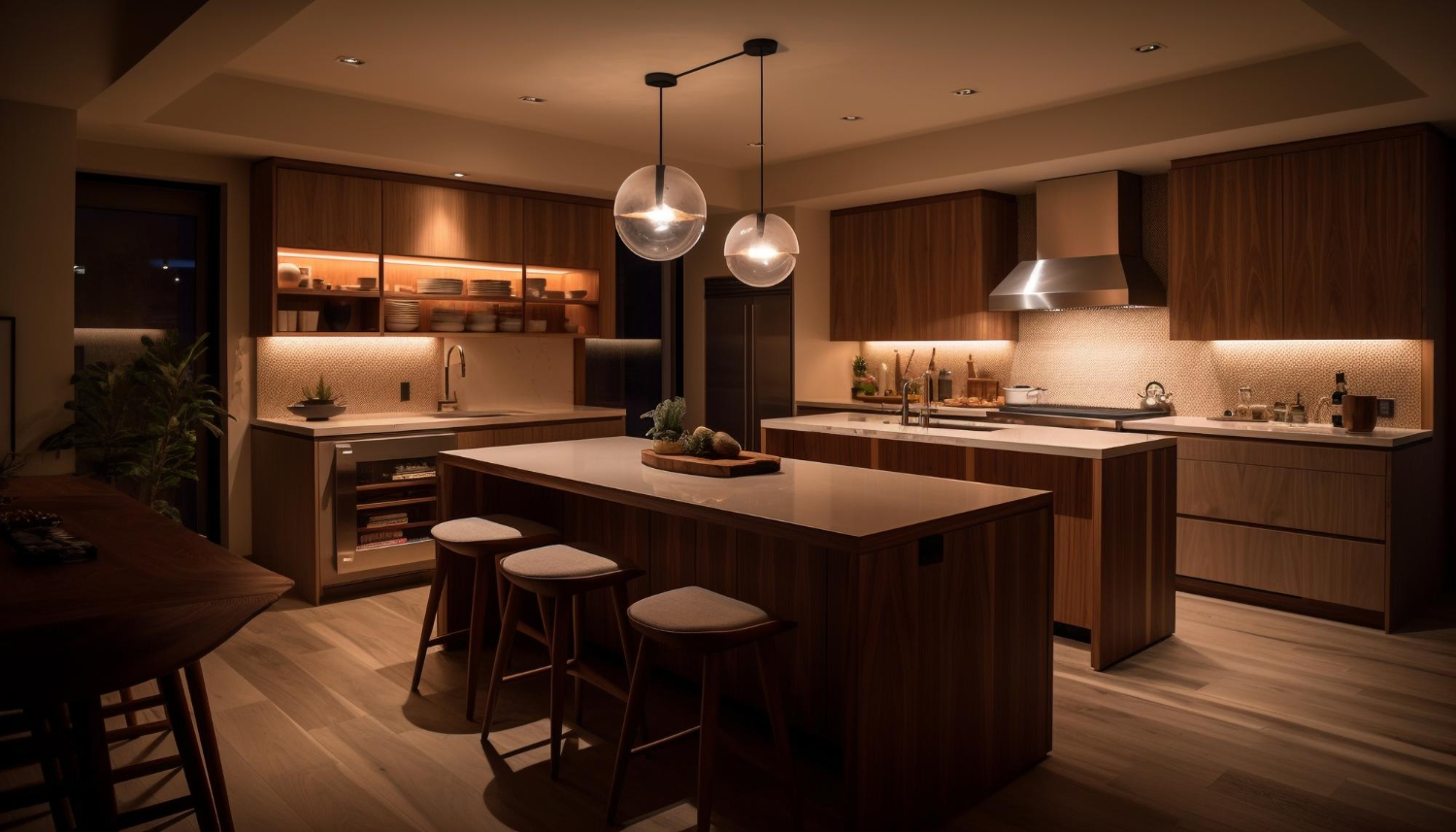
Taking a thoughtful approach to kitchen remodeling can yield significant benefits. Here are some key advantages:
- Saving Money: Careful planning allows homeowners to set a realistic budget and avoid overspending on unnecessary items. By prioritizing essential upgrades, homeowners can make the most of their investment.
- Adding Home Value: A well-executed kitchen remodel can enhance property value. Potential buyers often view updated kitchens as a major selling point, making homes more attractive on the market.
- Improving Comfort: A remodel can enhance the kitchen’s functionality, making it a more enjoyable space for cooking and entertaining. Thoughtful design can optimize workflow and create a more inviting atmosphere.
Final Piece of Advice
Homeowners should consider starting their kitchen remodel when they have a clear vision and a well-defined budget. It’s worth prioritizing:
- Essential upgrades that enhance functionality, such as improved storage solutions and updated appliances.
- Design elements that align with long-term preferences rather than fleeting trends.
- Energy-efficient options that can lead to savings on utility bills over time.
3. Common Owner Insights from Forums
Homeowners frequently share their experiences and advice on forums related to kitchen remodeling. Here’s a summary of common sentiments:
| Common Sentiment | Details |
|---|---|
| Budgeting is Key | Many owners stress the importance of establishing a realistic budget upfront to avoid financial stress later. |
| Research Materials | Homeowners recommend researching materials thoroughly to find the best balance between quality and cost. |
| Hire Professionals Wisely | Advice often includes hiring licensed professionals for complex tasks like plumbing and electrical work to ensure safety and compliance. |
| Don’t Rush the Process | Many emphasize the importance of taking time to plan and not rushing decisions, as it can lead to costly mistakes. |
| Focus on Functionality | Owners often suggest prioritizing functionality over aesthetics to create a kitchen that meets everyday needs. |