
How Much Does It Cost to Remodel an IKEA Kitchen?
Why This Question Matters for Homeowners
Remodeling a kitchen is one of the most significant investments a homeowner can make. The kitchen is often considered the heart of the home, a space for cooking, dining, and gathering. Therefore, when contemplating a kitchen remodel, particularly with a brand like IKEA, it’s crucial to have a clear understanding of the costs involved. This knowledge helps homeowners make informed decisions that align with their budgets and lifestyle needs.
Factors Influencing Kitchen Remodeling Costs
When it comes to remodeling an IKEA kitchen, several factors can influence the overall cost. Understanding these elements can provide a more accurate picture of what to expect financially. Here are some of the key factors:
- Design Choices: The design of the kitchen plays a significant role in the overall cost. Custom layouts, unique configurations, and high-end finishes can quickly escalate expenses.
- Materials: IKEA offers a range of materials, from budget-friendly options to premium finishes. The choice of cabinets, countertops, and flooring will directly impact the total cost.
- Labor Costs: Hiring professionals for installation can add significant costs to the project. DIY installations can save money but may require time and skill.
- Appliances: Upgrading appliances can be one of the largest expenses in a kitchen remodel. The choice between standard and high-end appliances will affect the budget considerably.
- Permits and Regulations: Depending on local building codes, permits may be required for plumbing or electrical work, adding to the overall cost and timeline of the project.
- Timeframe: The duration of the remodel can also influence costs. Longer projects may incur additional labor costs and can lead to unexpected expenses.

In summary, the cost of remodeling an IKEA kitchen is not a one-size-fits-all figure. It varies significantly based on design choices, materials, labor, appliances, and local regulations. Homeowners should carefully assess these factors to create a realistic budget that meets their needs and expectations.
Cost Breakdown for Remodeling an IKEA Kitchen
Remodeling an IKEA kitchen involves several components, each contributing to the overall cost. Understanding these aspects can help homeowners budget effectively and avoid unexpected expenses. Below, we break down the main elements of the remodeling process, providing average figures and examples to give a clearer picture.
1. Cabinetry Costs
Cabinets are typically the most significant expense in a kitchen remodel. IKEA offers a range of cabinet options, from budget-friendly to premium lines.
- Average Cost: The cost of IKEA cabinets generally ranges from $100 to $400 per linear foot, depending on the style and finish.
- Example: For a 10-foot kitchen, the total cost for cabinets can range from $1,000 to $4,000.
Design Considerations
When selecting cabinets, consider the layout and any customizations. Open shelving, glass doors, and additional features like pull-out drawers can increase costs.
2. Countertops
Countertops are another major expense, and IKEA provides various material options, including laminate, quartz, and solid wood.
- Average Cost: Laminate countertops can cost as low as $20 per square foot, while quartz can range from $50 to $100 per square foot.
- Example: For a standard 30-square-foot countertop, laminate would total around $600, whereas quartz could cost between $1,500 and $3,000.
Durability and Maintenance
It’s essential to consider the durability and maintenance requirements of different materials. While laminate is budget-friendly, it may not withstand heavy use as well as quartz or granite.
3. Appliances
Upgrading appliances can significantly impact the kitchen remodel budget. IKEA offers various built-in appliances that can enhance the kitchen’s functionality.
- Average Cost: Basic appliances can start at around $500 each, while high-end models can exceed $2,000.
- Example: A full suite of mid-range appliances (refrigerator, oven, dishwasher) could cost between $3,000 and $6,000.
Energy Efficiency
Investing in energy-efficient appliances may come with a higher upfront cost but can lead to savings on utility bills over time.
4. Labor Costs
Labor is a significant part of the remodeling budget, especially if you hire professionals for installation.
- Average Cost: Labor costs can range from $50 to $150 per hour, depending on the contractor’s experience and location.
- Example: A complete kitchen installation might take 40 to 80 hours, leading to labor costs between $2,000 and $12,000.
DIY vs. Hiring Professionals
If you’re handy, consider DIY installation to save costs. However, ensure you have the necessary skills to avoid costly mistakes.
5. Flooring
Flooring choices can vary widely in cost and style, impacting the overall budget.
- Average Cost: Laminate flooring can cost around $2 to $5 per square foot, while hardwood can range from $5 to $15 per square foot.
- Example: For a 200-square-foot kitchen, laminate flooring would cost between $400 and $1,000, while hardwood could range from $1,000 to $3,000.
Installation Challenges

Consider potential challenges with flooring installation, such as leveling the subfloor or matching existing flooring in adjacent areas.
6. Lighting and Fixtures
Good lighting is essential in a kitchen remodel, both for functionality and aesthetics.
- Average Cost: Light fixtures can range from $50 to $300 each, depending on style and complexity.
- Example: Installing multiple fixtures and under-cabinet lighting could total between $500 and $1,500.
Electrical Work
If new electrical work is required, this can add to labor costs. Ensure you hire a licensed electrician to comply with local regulations.
7. Permits and Regulations
Depending on the scope of your remodel, you may need permits for plumbing, electrical, or structural changes.
- Average Cost: Permit costs can range from $50 to $500, depending on your locality and the extent of the work.
- Example: A full kitchen remodel requiring multiple permits could total around $1,000.
Compliance with Local Codes
Always check local building codes and regulations to ensure your remodel complies, as non-compliance can lead to fines or issues when selling your home.
8. Miscellaneous Costs
Don’t forget to account for miscellaneous expenses that can arise during the remodeling process.
- Average Cost: These can include delivery fees, disposal of old materials, and unexpected repairs, typically ranging from $500 to $2,000.
- Example: If you encounter plumbing issues or need to replace drywall, costs can quickly add up.
By carefully considering these factors and their associated costs, homeowners can develop a realistic budget for remodeling an IKEA kitchen. Each aspect contributes to the overall experience and functionality of the kitchen, making it essential to plan accordingly.
Actionable Advice for Remodeling an IKEA Kitchen
Remodeling an IKEA kitchen can be a rewarding project, but it also comes with its challenges. To ensure a smooth process, here’s actionable advice that compares common approaches, highlights potential mistakes, and provides insider tips.
1. DIY vs. Professional Work
Deciding whether to tackle the remodel yourself or hire professionals is a crucial step that can significantly impact both the budget and the outcome.
DIY Approach
- Cost Savings: DIY can save you up to 30% on labor costs, making it an attractive option for budget-conscious homeowners.
- Skill Assessment: Only take on tasks you are confident in. For example, installing cabinets may require carpentry skills, while painting or assembling flat-pack furniture is more manageable.
- Time Commitment: DIY projects often take longer than anticipated. Be prepared to dedicate weekends and evenings to the remodel.
Professional Approach
- Expertise: Hiring professionals ensures that the work is done correctly and up to code, especially for plumbing and electrical tasks.
- Time Efficiency: Professionals can complete the project faster, allowing you to enjoy your new kitchen sooner.
- Warranty and Insurance: Many contractors offer warranties on their work, providing peace of mind in case of future issues.
2. Budget vs. Premium Remodel
Your budget will dictate the quality of materials and finishes you can choose. Here’s a comparison of budget and premium approaches.
| Aspect | Budget Remodel | Premium Remodel |
|---|---|---|
| Cabinets | IKEA’s basic lines; limited options | Custom cabinetry or premium IKEA lines |
| Countertops | Laminate or basic wood | Quartz or granite |
| Appliances | Basic models | High-end, energy-efficient appliances |
| Flooring | Vinyl or laminate | Hardwood or premium tile |
| Lighting | Basic fixtures | Designer lighting and smart home options |
Choosing the Right Approach
- Assess Your Needs: Determine what aspects of the kitchen are most important to you. If durability and aesthetics are priorities, consider investing in premium materials.
- Long-Term Value: Premium remodels may cost more upfront but can increase your home’s value significantly.
3. Common Mistakes to Avoid
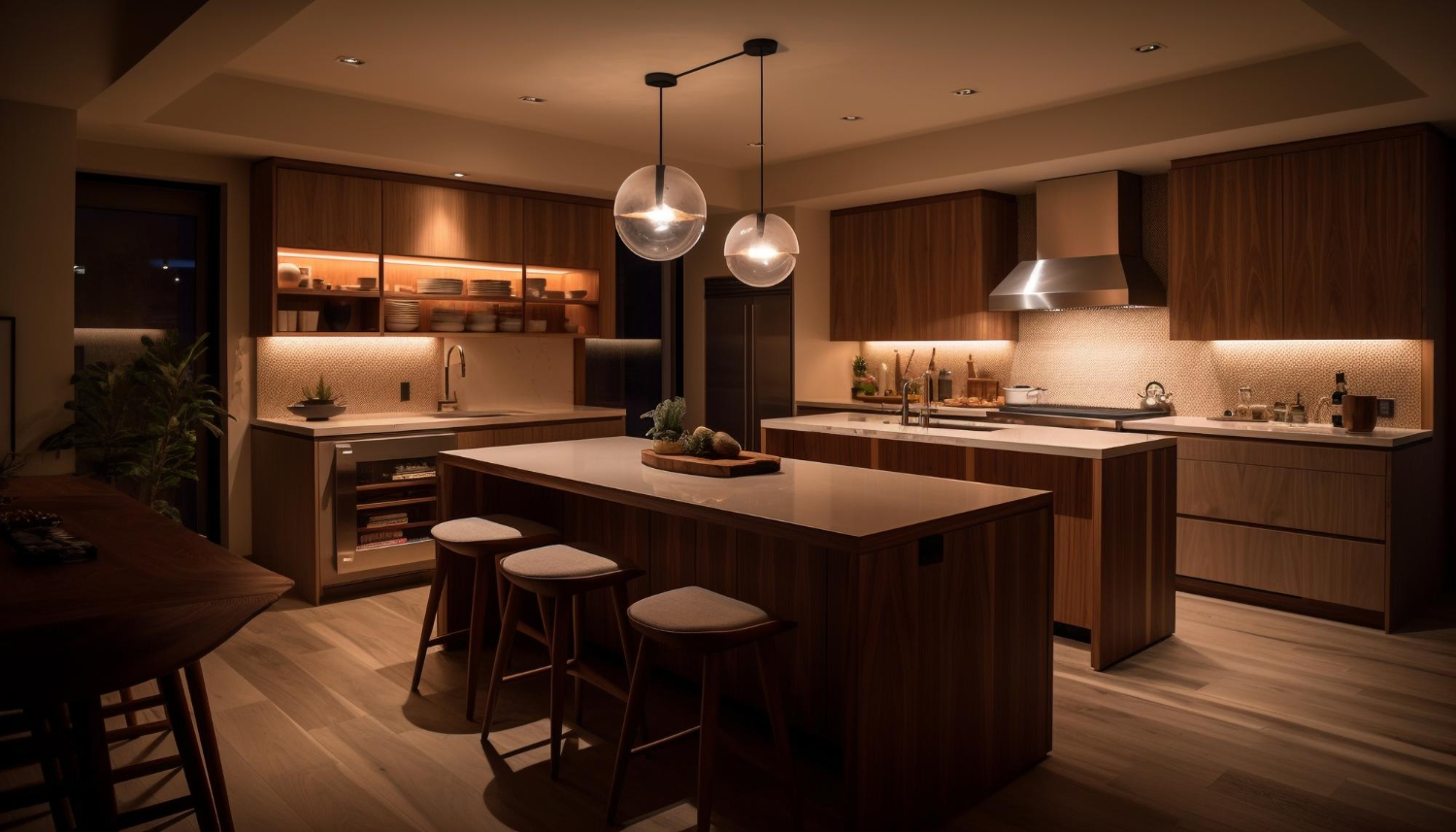
Avoiding common pitfalls can save time and money. Here are some mistakes to steer clear of during your remodel.
- Underestimating Costs: Always account for hidden expenses, such as permits and unexpected repairs. Budget an additional 10-20% for contingencies.
- Neglecting Layout: Ensure the kitchen layout is functional. The work triangle (sink, stove, refrigerator) should be efficient to enhance usability.
- Ignoring Lighting: Poor lighting can make a beautiful kitchen feel uninviting. Plan for a combination of ambient, task, and accent lighting.
- Rushing Decisions: Take your time to choose materials and designs. Impulsive choices can lead to buyer’s remorse.
4. Insider Tips
To maximize your kitchen remodel experience, consider these insider tips.
- Visit the Showroom: Before making purchases, visit an IKEA showroom to see materials and designs in person.
- Plan for Storage: Utilize every inch of space for storage. Consider pull-out shelves, corner cabinets, and vertical storage options.
- Consult with Experts: Even if you plan to DIY, it can be helpful to consult with a kitchen designer for layout advice.
- Take Your Time: Don’t rush the design phase. A well-thought-out plan can prevent costly mistakes down the line.
By considering these actionable strategies and avoiding common pitfalls, homeowners can navigate the complexities of remodeling an IKEA kitchen more effectively. Whether opting for a DIY approach or hiring professionals, careful planning and informed choices are key to achieving a successful kitchen remodel.
Facts About Remodeling an IKEA Kitchen
Remodeling an IKEA kitchen can be a smart investment, but understanding the costs and benefits is crucial. Here are some facts based on statistical data and insights from authoritative sources.
1. Average Cost Estimates
The cost of remodeling an IKEA kitchen can vary widely depending on various factors. Here are some average figures:
- Basic Remodel: $5,000 to $15,000 for a straightforward update, including new cabinets, countertops, and appliances.
- Mid-Range Remodel: $15,000 to $30,000 for a more extensive renovation, incorporating higher-quality materials and professional installation.
- High-End Remodel: $30,000 and up for a premium kitchen remodel with custom cabinetry, high-end appliances, and luxury finishes.
Statistical Insights
According to the National Kitchen and Bath Association (NKBA), kitchen remodels typically recoup about 60-80% of their costs upon home sale, making them one of the best investments for homeowners.
2. Benefits of a Thoughtful Approach
Taking a thoughtful approach to kitchen remodeling can yield significant benefits.
- Saving Money: Careful planning helps avoid overspending and allows for better allocation of funds. For example, prioritizing essential upgrades can prevent financial strain.
- Adding Home Value: A well-executed kitchen remodel can increase your home’s market value. According to Remodeling Magazine’s Cost vs. Value report, kitchen remodels can yield a return on investment of around 70%.
- Improving Comfort: A remodeled kitchen can enhance your daily living experience, making cooking and entertaining more enjoyable.
Prioritizing Your Remodel
When planning a remodel, prioritize the following:
- Functionality: Ensure the kitchen layout meets your cooking and entertaining needs.
- Quality Materials: Invest in durable materials that will stand the test of time.
- Energy-Efficient Appliances: Choose appliances that will save on utility bills and provide long-term savings.
3. Common Owner Insights from Forums
Homeowners often share their experiences and insights in online forums. Here’s a summary of what they commonly say about remodeling their IKEA kitchens:
| Topic | Common Insights |
|---|---|
| Budgeting | Many recommend setting a strict budget and sticking to it to avoid overspending. |
| DIY vs. Professional | Homeowners often emphasize the importance of knowing your skill level; hiring professionals is worth it for plumbing and electrical work. |
| Design Choices | Several users suggest investing in good lighting and maximizing storage options for better functionality. |
| Time Frame | Many advise allowing extra time for the project, as delays are common. |
| Overall Experience | Most users agree that the effort is worth it when they see the final results, especially in terms of comfort and usability. |
Final Piece of Advice
When considering a kitchen remodel, it’s worth starting when you have a clear vision of your needs and budget. Prioritize functionality and quality materials over aesthetics alone. Taking the time to plan thoughtfully can save you money and enhance your home’s value significantly.