
How Much Drywall Should I Remove for a Kitchen Remodel?
Why This Question Matters
When embarking on a kitchen remodel, one of the most pressing questions homeowners face is how much drywall should be removed. This decision is not merely a matter of aesthetics; it has significant implications for the overall success of the project. The amount of drywall removed can impact various factors, including budget, time, design choices, and compliance with local building regulations.
Budget Considerations
- Removing drywall can lead to additional costs. The more drywall you take out, the more you may need to replace, which can increase material and labor expenses.
- Consider the costs associated with potential repairs to plumbing or electrical systems that may be hidden behind the drywall.
- Unexpected issues, such as mold or water damage, can arise once drywall is removed, leading to further financial implications.
Time Management
- Removing drywall is a labor-intensive task that can extend the timeline of your remodel. The more drywall you take out, the longer it may take to complete the project.
- Delays can occur if you discover additional issues that need to be addressed once the drywall is removed.
Design Implications
- The amount of drywall removed can directly affect the layout and design of your kitchen. Removing walls may open up the space, while keeping some drywall can help define areas.
- Consider how the removal of drywall impacts lighting, cabinetry, and overall flow in your kitchen.
Regulatory Compliance
- Local building codes may dictate how much drywall can be removed, especially if it involves load-bearing walls.
- Permits may be required for certain types of remodeling work, which can complicate the process if drywall removal is extensive.
In summary, the decision on how much drywall to remove is crucial and should be approached with careful planning and consideration of the broader factors at play. Homeowners need to weigh the costs, time, design, and regulatory aspects before making this important decision.
Determining How Much Drywall to Remove for a Kitchen Remodel
Assessing the Current Layout
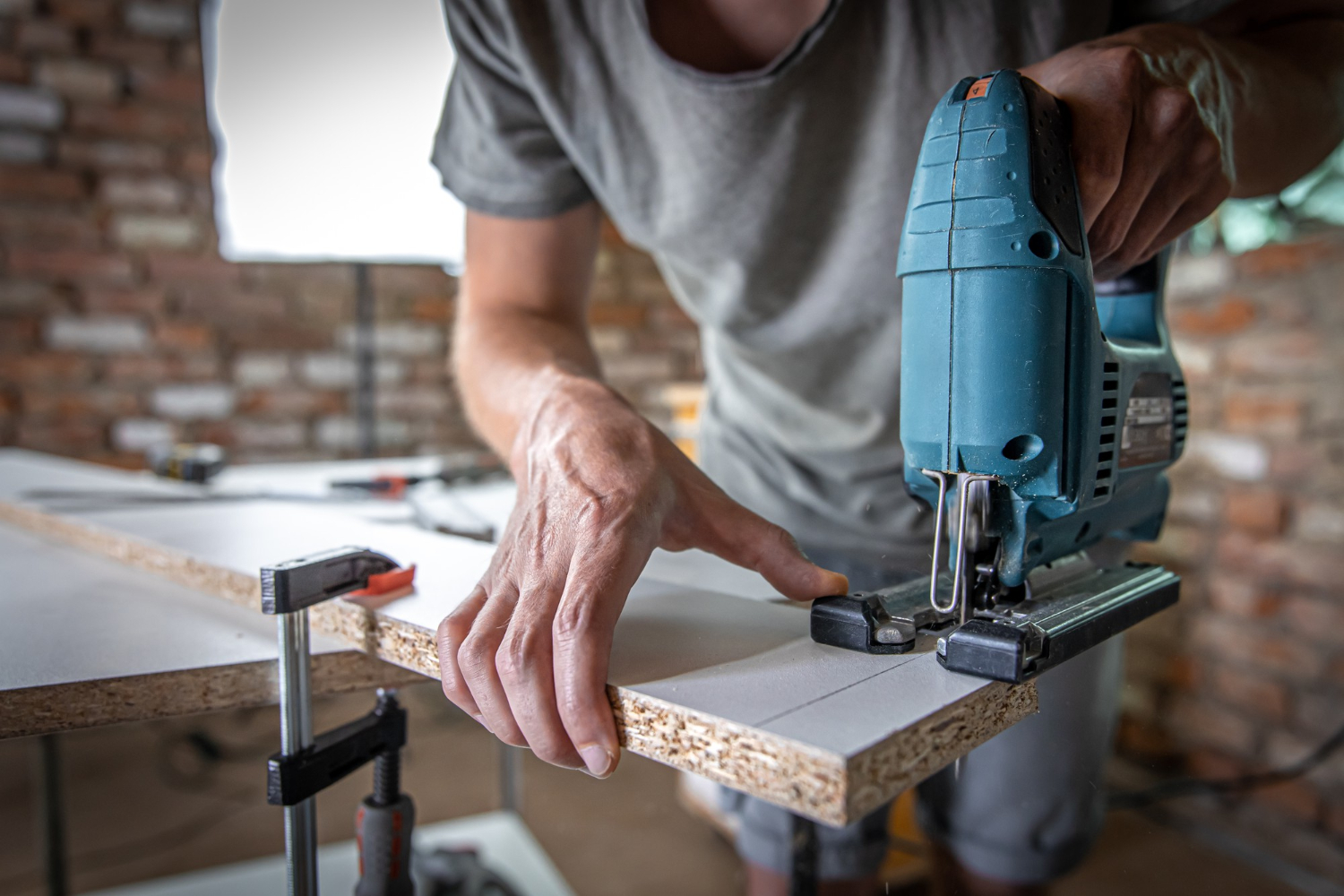
Before deciding how much drywall to remove, it’s essential to assess the current layout of your kitchen. This involves understanding the function of each wall and how they contribute to the overall space.
Identify Load-Bearing Walls
- Load-bearing walls support the structure of your home and should not be removed without proper planning.
- Consult a structural engineer or contractor to identify these walls. Removing a load-bearing wall can require additional support beams, which can significantly increase costs.
Evaluate Non-Load-Bearing Walls
- Non-load-bearing walls can often be removed to create a more open space.
- Consider how removing these walls will affect traffic flow and kitchen functionality.
Planning for Electrical and Plumbing Systems
When removing drywall, it’s crucial to consider the existing electrical and plumbing systems that may be hidden behind the walls.
Inspect Wiring and Plumbing
- Before demolition, inspect the walls for any electrical wiring or plumbing that may need to be relocated.
- Hiring a licensed electrician or plumber can add to your budget but is essential to avoid safety hazards.
Average Costs for Relocation
- Relocating plumbing can cost anywhere from $500 to $2,000, depending on the complexity.
- Electrical work can range from $100 to $1,500, depending on the extent of the changes needed.
Deciding on the Amount of Drywall to Remove
The decision on how much drywall to remove should be based on your design goals and practical considerations.
Full Wall Removal
- Removing an entire wall can open up the kitchen to adjacent living spaces, creating a more inviting atmosphere.
- This option is ideal for larger remodels where a significant change in layout is desired.
Partial Wall Removal
- Consider removing only a portion of a wall to create a pass-through or breakfast bar while maintaining some structural integrity.
- This can provide a balance between openness and defined spaces.
Timeline for Drywall Removal and Replacement
Understanding the timeline for drywall removal and replacement is crucial for effective project management.
Demolition Phase
- The demolition phase can take anywhere from 1 to 3 days, depending on the size of the kitchen and the amount of drywall being removed.
- Be prepared for dust and debris; proper containment measures should be in place to protect the rest of your home.
Installation of New Drywall
- After removal, installing new drywall typically takes 2 to 4 days, depending on the scope of work.
- Consider the drying time for joint compound and paint, which can add several days to the project timeline.
Potential Challenges
Removing drywall is not without its challenges. Being aware of these can help you prepare for any unforeseen issues.
Hidden Damage
- Once drywall is removed, you may discover mold, water damage, or pest infestations that require immediate attention.
- Addressing these issues can add time and money to your project, so budget for contingencies.
Disposal of Old Drywall
- Removing drywall generates waste that needs to be disposed of properly. Local regulations may require specific disposal methods.
- Consider renting a dumpster, which can cost between $300 and $600, depending on your location and the size of the dumpster.
By carefully evaluating these aspects, homeowners can make informed decisions about how much drywall to remove during their kitchen remodel, ensuring a successful and efficient project.
Actionable Advice for Drywall Removal in Kitchen Remodels
DIY vs. Professional Work
Deciding whether to tackle drywall removal as a DIY project or hire professionals can significantly affect your budget, timeline, and overall results.
DIY Approach
- Cost-Effective: Doing it yourself can save money on labor costs, which can be substantial.
- Skill Level: Assess your skills honestly. If you’re comfortable with tools and have some experience, you might manage basic drywall removal.
- Time Commitment: Be prepared for a significant time investment, especially if you’re working on weekends or after hours.
Professional Approach
- Efficiency: Professionals can complete the job quickly, often in a fraction of the time it would take an inexperienced DIYer.
- Quality Assurance: Experienced contractors will ensure the job is done correctly, reducing the likelihood of mistakes.
- Safety: Professionals are trained to handle hazardous materials and potential structural issues safely.
Budget vs. Premium Remodel
Your budget will play a crucial role in determining how much drywall you can afford to remove and replace.
Budget Remodel
- Focus on essential updates, such as replacing damaged drywall and minor layout changes.
- Consider using budget-friendly materials, such as standard drywall instead of moisture-resistant or soundproof options.
- Limit the scope of work to non-load-bearing walls to minimize costs.
Premium Remodel
- Invest in higher-quality materials and finishes, which can improve durability and aesthetics.
- Consider removing load-bearing walls with proper structural support to create an open-concept layout.
- Hire experienced professionals for both demolition and installation to ensure a high-quality finish.
| Aspect | Budget Remodel | Premium Remodel |
|---|---|---|
| Cost | Lower; focus on essential updates | Higher; invest in quality materials |
| Materials | Standard drywall | Moisture-resistant or soundproof drywall |
| Scope of Work | Non-load-bearing walls only | Load-bearing walls with structural support |
| Labor | DIY or budget contractors | Experienced professionals |
Common Mistakes to Avoid
Avoiding common pitfalls can save you time, money, and frustration during your kitchen remodel.
Underestimating Costs
- Always budget for unexpected expenses, such as repairs for hidden damage or additional materials.
- Set aside at least 10-20% of your total budget for contingencies.
Neglecting Permits
- Check local regulations regarding permits for drywall removal, especially for load-bearing walls.
- Failing to obtain necessary permits can lead to fines and issues when selling your home.
Ignoring Safety Precautions
- Always wear protective gear, including gloves, goggles, and a mask, to avoid inhaling dust and debris.
- Ensure proper ventilation to reduce dust accumulation.
Insider Tips
Utilizing insider tips can streamline your remodeling process and enhance the final results.
Plan for Dust Control
- Seal off the kitchen from the rest of the house using plastic sheeting to contain dust.
- Use a shop vacuum with a HEPA filter to minimize dust during demolition.
Label Everything
- As you remove drywall, label any electrical wires or plumbing for easy reinstallation.
- This can save time and reduce frustration when putting everything back together.
Consider Future Needs
- Think about potential future renovations. If you plan to expand your kitchen later, consider leaving some drywall intact for easier modifications.
- Plan your layout with future appliances and features in mind.
By following this actionable advice and being aware of the various approaches, mistakes to avoid, and insider tips, homeowners can navigate the drywall removal process during a kitchen remodel more effectively.
Facts About Drywall Removal for Kitchen Remodels
Statistical Insights

Understanding the statistical data surrounding drywall removal can help homeowners make informed decisions during their kitchen remodels.
Average Costs
- The average cost to remove drywall ranges from $1 to $3 per square foot, depending on the complexity and location.
- Replacing drywall can add an additional $1.50 to $3.50 per square foot, bringing the total potential cost to $2.50 to $6.50 per square foot.
Return on Investment (ROI)
- According to Remodeling Magazine’s Cost vs. Value Report, a major kitchen remodel can recoup approximately 60-80% of its costs when selling a home.
- Open-concept layouts, often achieved by removing drywall, are highly desirable among buyers, which can further increase home value.
Benefits of a Thoughtful Approach
Taking a strategic approach to drywall removal can yield multiple benefits for homeowners.
Saving Money
- By carefully planning which drywall to remove, homeowners can avoid unnecessary costs associated with structural changes and repairs.
- Addressing only damaged areas rather than removing all drywall can significantly reduce expenses.
Adding Home Value
- Well-executed kitchen remodels, including thoughtful drywall removal, can enhance the overall appeal of a home, making it more attractive to potential buyers.
- Modern, open kitchen designs can lead to higher sale prices, especially in competitive real estate markets.
Improving Comfort
- Removing drywall can create a more spacious and inviting kitchen environment, improving comfort for family gatherings and social events.
- Better layouts can enhance functionality, making cooking and entertaining more enjoyable.
Final Piece of Advice
When considering a kitchen remodel, timing and prioritization are crucial for a successful project.
When to Start
- Begin planning your remodel during the off-peak season (typically late fall or winter) to secure better contractor rates and availability.
- Consider starting your project when you have sufficient funds saved to avoid financial strain.
What to Prioritize
- Focus on essential structural changes first, such as removing walls that hinder flow or functionality.
- Ensure that any electrical or plumbing work is addressed before drywall installation to avoid costly rework.
Common Insights from Homeowners
Homeowners often share valuable experiences and advice in forums. Here’s a summary of what they commonly say:
| Topic | Common Insights |
|---|---|
| Cost Management | Budget for unexpected repairs; set aside 10-20% for contingencies. |
| DIY vs. Professional | DIY can save money, but professionals ensure safety and quality. |
| Design Preferences | Open layouts are popular; consider future needs when planning. |
| Permits | Always check local regulations; failing to get permits can lead to issues. |
| Hidden Issues | Be prepared for mold or damage behind drywall; expect the unexpected. |
By considering these facts and insights, homeowners can approach drywall removal in their kitchen remodels with a thoughtful strategy that maximizes benefits while minimizing risks.
