
How Much for a New Deck and Kitchen Remodel?
Why This Question Matters for Homeowners
When considering home improvements, two of the most popular projects are deck construction and kitchen remodeling. Both can significantly enhance the value of a home, improve functionality, and elevate the overall aesthetic appeal. However, the question of cost is paramount for homeowners. Understanding the financial implications of these projects is essential for making informed decisions.
Factors Influencing Costs
Several key factors can influence the cost of building a new deck or remodeling a kitchen. Homeowners must consider the following aspects:
- Materials: The choice of materials can drastically affect the overall budget. For decks, options range from pressure-treated wood to composite materials, each with its own price point. Similarly, kitchen remodels can include various materials for cabinets, countertops, and flooring.
- Labor: Labor costs can vary significantly based on location, the complexity of the project, and the experience of the contractors. Hiring skilled professionals may increase upfront costs but can lead to better results and fewer issues down the line.
- Design: Custom designs and layouts will typically cost more than standard options. Homeowners should consider whether they want a unique design or if a more conventional approach will suffice.
- Size: The size of the deck or kitchen will directly influence the cost. Larger spaces require more materials and labor, driving up expenses.
- Permits and Regulations: Depending on local regulations, homeowners may need permits for construction projects. These can add to the overall cost and should be factored into the budget from the outset.
- Time: The timeline for completing the project can also influence costs. Rushed projects may incur additional labor fees, while extended timelines can lead to increased material costs or lost opportunities for the homeowner.

Understanding these factors is crucial for homeowners looking to embark on a deck or kitchen project. By being aware of the potential costs and variables involved, they can better prepare financially and make choices that align with their budget and design goals.
Cost Breakdown for a New Deck and Kitchen Remodel
Deck Construction Costs
Building a new deck can vary widely in cost, depending on materials, size, and design. Here’s a breakdown of what to expect:
Materials
The type of material you choose for your deck plays a significant role in the overall cost. Common materials include:
- Pressure-Treated Wood: This is often the most affordable option, averaging around $15 to $25 per square foot installed.
- Composite Decking: Made from a mixture of wood fibers and plastic, composite decking can range from $30 to $45 per square foot installed, but it offers low maintenance and durability.
- Hardwoods: Exotic woods like ipe or teak can cost between $30 and $60 per square foot installed, providing a unique look but requiring more maintenance.
Size and Design
The size of your deck will directly impact the cost. A standard 10×10-foot deck might cost around $1,500 to $3,000, while a larger 16×20-foot deck could range from $5,000 to $12,000 or more, depending on the materials and complexity of the design.
Labor Costs
Labor costs typically account for 30% to 50% of the total deck construction expenses. Depending on your location, labor rates can range from $50 to $100 per hour. A straightforward deck installation might take 2 to 3 days, while more elaborate designs could extend this timeline.
Kitchen Remodel Costs
Kitchen remodels can also vary significantly in expense, influenced by materials, layout changes, and appliances. Here’s a detailed look:
Cabinets and Countertops
Cabinets are often the most significant expense in a kitchen remodel:
- Stock Cabinets: These are pre-manufactured and can cost between $100 and $300 per linear foot.
- Semi-Custom Cabinets: These allow for some customization and typically range from $150 to $650 per linear foot.
- Custom Cabinets: Fully tailored options can range from $500 to $1,200 per linear foot.
Countertops also vary in pricing:
- Laminate: An affordable option at $20 to $50 per square foot.
- Granite: A popular choice, typically costing between $40 and $100 per square foot.
- Quartz: Engineered stone options range from $50 to $150 per square foot.
Appliances
Upgrading appliances can add significantly to the budget. A full kitchen appliance package (refrigerator, oven, dishwasher, and microwave) can range from $2,000 to $10,000, depending on brand and features.
Labor Costs
Labor for kitchen remodels can vary based on the complexity of the project. On average, labor can account for 20% to 35% of the total budget. A complete kitchen remodel typically takes 6 to 12 weeks, depending on the scope of work.
Planning and Challenges
When planning a deck or kitchen remodel, several steps and potential challenges can arise:
Steps for Planning
- Set a Budget: Determine how much you are willing to spend on the project.
- Research: Look into materials, styles, and contractors to find what suits your needs.
- Design: Create a design plan that includes dimensions and layout.
- Get Permits: Check local regulations and obtain necessary permits before starting construction.
- Hire Contractors: Get quotes from multiple contractors and check references before making a decision.
- Schedule the Work: Coordinate timelines for material delivery and labor to minimize delays.
Potential Challenges
- Unexpected Costs: Hidden issues like structural damage or outdated plumbing can arise, increasing expenses.
- Delays: Weather conditions or supply chain issues can push back timelines.
- Design Changes: Last-minute changes can disrupt the project flow and inflate costs.

By understanding the costs associated with building a new deck or remodeling a kitchen, homeowners can make better-informed decisions that align with their financial capabilities and project goals.
Actionable Advice for Deck and Kitchen Remodels
DIY vs. Professional Work
Choosing between DIY and hiring professionals is a critical decision that can impact both the cost and quality of your project. Here’s a comparison of the two approaches:
DIY Approach
- Cost Savings: Doing it yourself can save on labor costs, often reducing the overall budget by 30% to 50%.
- Control: You have complete control over the design and execution, allowing for personal touches.
- Learning Experience: DIY can be rewarding and educational, providing valuable skills for future projects.
Professional Work
- Expertise: Professionals bring experience and knowledge, ensuring high-quality workmanship.
- Time Efficiency: Professionals can complete projects faster, minimizing disruption to your home.
- Warranty: Many contractors offer warranties on their work, providing peace of mind.
Comparison Table
| Aspect | DIY | Professional |
|---|---|---|
| Cost | Lower (30%-50% savings) | Higher (includes labor costs) |
| Time | Longer (depends on skill level) | Faster (experienced work) |
| Quality | Variable (depends on skill) | Consistent (professional standards) |
| Control | Full control | Limited control (based on design) |
| Warranty | No warranty | Often includes warranty |
Budget vs. Premium Remodel
When planning a remodel, homeowners often face the decision between budget-friendly options and premium upgrades. Here’s a breakdown of both approaches:
Budget Remodel
- Focus on Essentials: Prioritize necessary repairs and updates over cosmetic changes. For example, replacing old appliances with energy-efficient models can reduce long-term costs.
- Use Cost-Effective Materials: Consider laminate countertops or stock cabinetry, which can significantly reduce expenses.
- Shop Sales: Look for sales and discounts on materials and appliances to save money.
Premium Remodel
- High-Quality Materials: Invest in durable materials like granite countertops and custom cabinetry for longevity and aesthetics.
- Professional Design Services: Hiring a designer can help maximize space and improve functionality, ensuring a cohesive look.
- Smart Home Features: Consider integrating technology such as smart appliances and lighting systems for added convenience.
Comparison Table
| Aspect | Budget Remodel | Premium Remodel |
|---|---|---|
| Cost | Lower overall expenses | Higher investment |
| Materials | Cost-effective options | High-quality materials |
| Design | Basic functionality | Professional design |
| Longevity | Shorter lifespan | Durable and long-lasting |
| Resale Value | Moderate increase | Significant increase |
Mistakes to Avoid
When embarking on a deck or kitchen remodel, certain pitfalls can be costly. Here are common mistakes to avoid:
- Underestimating Costs: Many homeowners fail to account for all expenses, including permits and unexpected repairs. Always add a contingency budget of 10% to 20% for unforeseen costs.
- Neglecting Research: Failing to research materials and contractors can lead to poor decisions. Take the time to read reviews and compare options.
- Ignoring Local Regulations: Skipping the permit process can result in fines or the need to redo work. Always check local building codes before starting.
- Rushing Decisions: Hasty choices can lead to regret. Take the time to plan and consider all aspects before committing.
Insider Tips
To ensure a successful remodel, consider these insider tips:
- Get Multiple Quotes: Always obtain at least three quotes from contractors to ensure competitive pricing.
- Communicate Clearly: Maintain open communication with your contractor to address any issues promptly.
- Be Flexible: Be prepared for changes in plans and timelines; flexibility can alleviate stress during the process.
- Invest in Quality: Sometimes, spending a little more upfront on quality materials can save money in the long run due to reduced maintenance and replacement costs.
By weighing your options carefully and avoiding common mistakes, you can make informed decisions that lead to a successful deck or kitchen remodel.
Facts About Costs for a New Deck and Kitchen Remodel
Statistical Insights on Costs
Understanding the costs associated with home improvement projects is crucial for homeowners. Here are some key statistics regarding deck and kitchen remodel expenses:
Deck Construction Costs
- The average cost of building a new deck ranges from $15 to $35 per square foot, depending on materials and labor (HomeAdvisor).
- According to Remodeling Magazine’s Cost vs. Value report, homeowners can expect to recoup about 70% of their investment in a new wood deck upon resale.
- Composite decking typically costs 30% to 50% more than traditional wood but requires less maintenance, making it a long-term investment.
Kitchen Remodel Costs
- The average kitchen remodel costs between $25,000 and $50,000, depending on the scope of work (HomeAdvisor).
- Minor kitchen remodels, which focus on cosmetic updates, can cost around $10,000 to $15,000 and still yield a return of 80% or more at resale.
- High-end kitchen remodels can exceed $100,000, but they often provide significant increases in home value, especially in competitive real estate markets.
Benefits of a Thoughtful Approach
Adopting a strategic approach to remodeling can lead to substantial benefits, including:
Saving Money
- By carefully planning your budget and prioritizing essential upgrades, you can avoid overspending and unexpected costs.
- Investing in energy-efficient appliances during a kitchen remodel can lead to lower utility bills, providing long-term savings.
Adding Home Value
- A well-constructed deck can increase your home’s value significantly, making it more appealing to potential buyers.
- Kitchen remodels often yield one of the highest returns on investment, with minor remodels recouping up to 80% of costs at resale.
Improving Comfort
- Upgrading your kitchen can enhance functionality, making cooking and entertaining more enjoyable.
- A new deck provides additional outdoor living space, promoting relaxation and family gatherings.
When to Start and What to Prioritize
Timing and prioritization are critical for a successful remodel. Here are some guidelines:
- Start During Off-Peak Seasons: Consider beginning your project in the fall or winter when contractors may offer better rates and availability.
- Prioritize Structural Issues: Address any foundational or structural problems before focusing on aesthetics.
- Focus on High-Impact Areas: In the kitchen, prioritize cabinets and countertops, while for decks, consider size and material quality.
Common Homeowner Insights from Forums
Homeowners often share their experiences and advice on forums. Here’s a summary of common insights:
| Topic | Common Insights |
|---|---|
| Cost Overruns | Many users report that unexpected costs arise, emphasizing the importance of a contingency budget. |
| Material Choices | Homeowners frequently advise investing in quality materials for long-term satisfaction and reduced maintenance. |
| Contractor Selection | Users recommend getting multiple quotes and checking references to find reliable contractors. |
| Timing | Many suggest starting projects in the offseason to avoid delays and get better pricing. |
| DIY vs. Professional | Homeowners often share mixed experiences with DIY, noting that while it saves money, it can lead to mistakes without proper skills. |
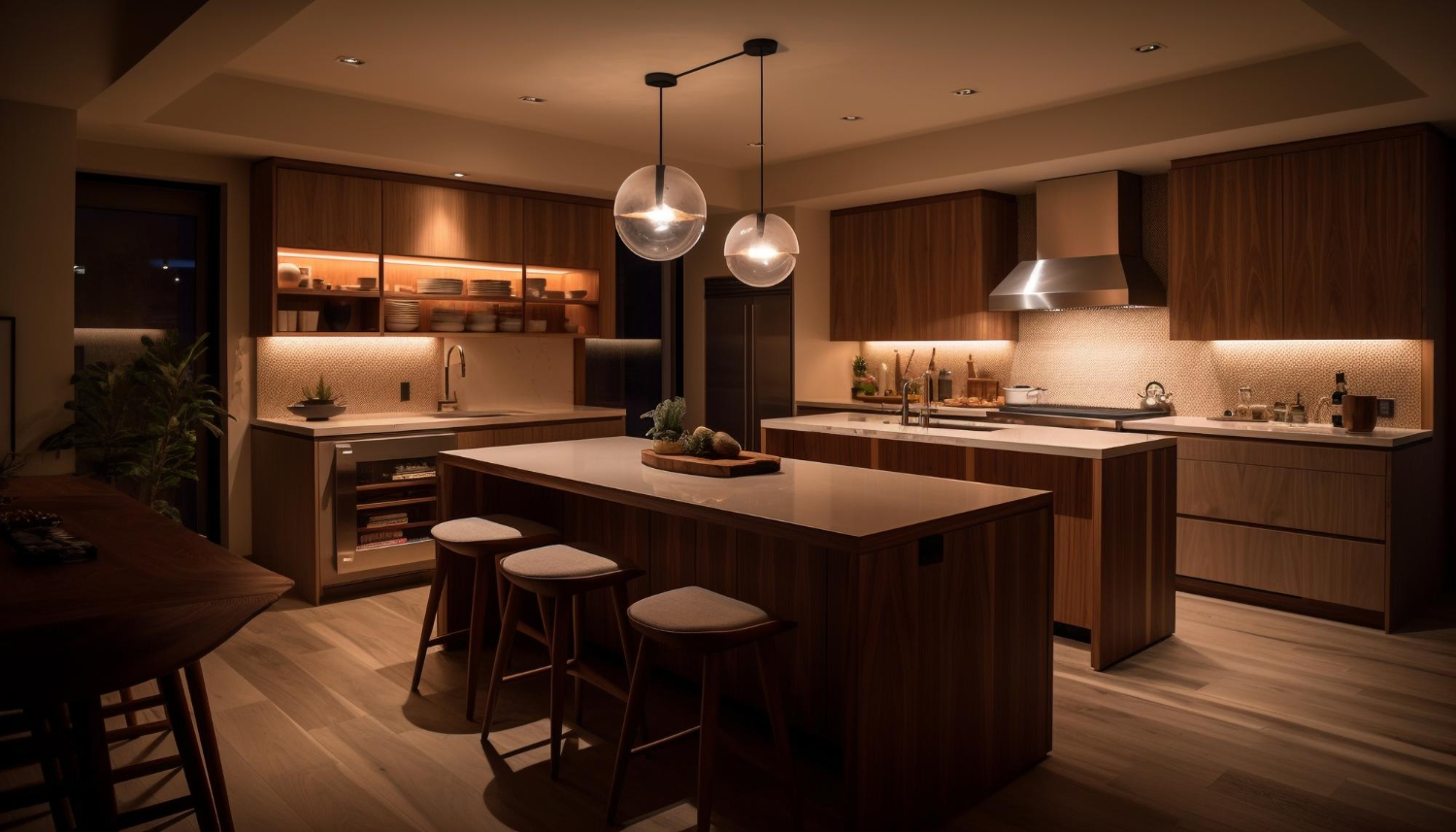
By considering these facts and insights, homeowners can make informed decisions about their remodeling projects, maximizing both enjoyment and investment returns.