
Do It Yourself Kitchen Remodel Steps
Why This Matters for Homeowners
Remodeling your kitchen can be one of the most rewarding yet challenging projects a homeowner can undertake. The kitchen is often considered the heart of the home, where families gather, meals are prepared, and memories are made. A well-executed remodel not only enhances functionality but also increases the overall value of your property. However, the decision to take on a DIY kitchen remodel involves careful consideration of various factors that can significantly impact the outcome of your project.
Financial Considerations
One of the primary reasons homeowners choose to remodel their kitchens themselves is cost savings. Hiring professionals can be expensive, and many homeowners find that they can save a substantial amount of money by doing the work themselves. However, it’s crucial to have a clear budget in place. Consider the following:
- Materials: Prices can vary widely based on quality and brand.
- Tools: You may need to invest in or rent tools that you don’t already own.
- Unexpected Expenses: Always leave room in your budget for unforeseen issues that may arise during the remodel.
Time Commitment

Time is another essential factor to consider. A kitchen remodel is not a quick weekend project; it often takes weeks or even months to complete, depending on the scope of work. Homeowners must realistically assess how much time they can dedicate to the project. Considerations include:
- Availability: Do you have the time to work on this project consistently?
- Disruption: A kitchen remodel can disrupt your daily routine, so plan accordingly.
- Project Timeline: Create a timeline that outlines each phase of the remodel to stay on track.
Design and Functionality
A successful kitchen remodel should balance aesthetics and functionality. Homeowners need to consider the layout and design elements that will work best for their lifestyle. Important aspects include:
- Kitchen Layout: Think about the work triangle (sink, stove, refrigerator) and how to optimize space.
- Style: Choose a design that reflects your personal taste while also considering resale value.
- Storage: Maximize storage solutions to keep your kitchen organized and efficient.
Regulations and Permits
Before diving into a DIY kitchen remodel, it’s essential to be aware of any local regulations and permits that may be required. Depending on the extent of your remodel, you may need to:
- Check Building Codes: Ensure that your plans comply with local building codes.
- Obtain Permits: Some projects, like plumbing or electrical work, may require permits.
- Consult Professionals: If in doubt, it may be worth consulting with a professional to ensure compliance.
In summary, a DIY kitchen remodel can be a fulfilling venture that allows homeowners to personalize their space while potentially saving money. However, it requires careful planning and consideration of financial, time, design, and regulatory factors to ensure a successful outcome.
Steps for a Do It Yourself Kitchen Remodel
Step 1: Planning and Design
Before you lift a hammer or paintbrush, you need to have a solid plan in place. This phase is crucial and involves several key components:
Assess Your Needs
Begin by evaluating what you want to achieve with your kitchen remodel. Consider the following:
- Functionality: Do you need more counter space, storage, or an open layout?
- Style: What aesthetic do you want? Modern, traditional, or farmhouse?
- Budget: How much are you willing to spend? A typical kitchen remodel can range from $10,000 to $50,000 depending on the size and scope.
Create a Design Layout
Once you have a clear vision, create a design layout. You can use software tools or graph paper. Think about:
- Work Triangle: Ensure the sink, stove, and refrigerator are positioned for efficiency.
- Flow: The kitchen should allow for easy movement, especially if multiple people are cooking.
- Storage: Plan for cabinets, shelves, and pantry space.
Step 2: Budgeting and Sourcing Materials
After solidifying your design, it’s time to create a budget and source materials.
Budget Breakdown
A typical kitchen remodel budget might look like this:
- Cabinets: 30% of your budget
- Countertops: 10-15%
- Appliances: 15-20%
- Labor (if applicable): 20-30%
- Miscellaneous (lighting, paint, etc.): 10-15%
Sourcing Materials
Research where to buy your materials. Options include:
- Home Improvement Stores: Places like Home Depot or Lowe’s for cabinets, countertops, and appliances.
- Online Retailers: Websites like Wayfair or Amazon can offer competitive prices.
- Local Suppliers: Check out local businesses for unique materials.
Step 3: Demolition
Once you have everything planned and sourced, it’s time to get to work. Demolition can be one of the most satisfying parts of the remodel.
Preparing for Demolition
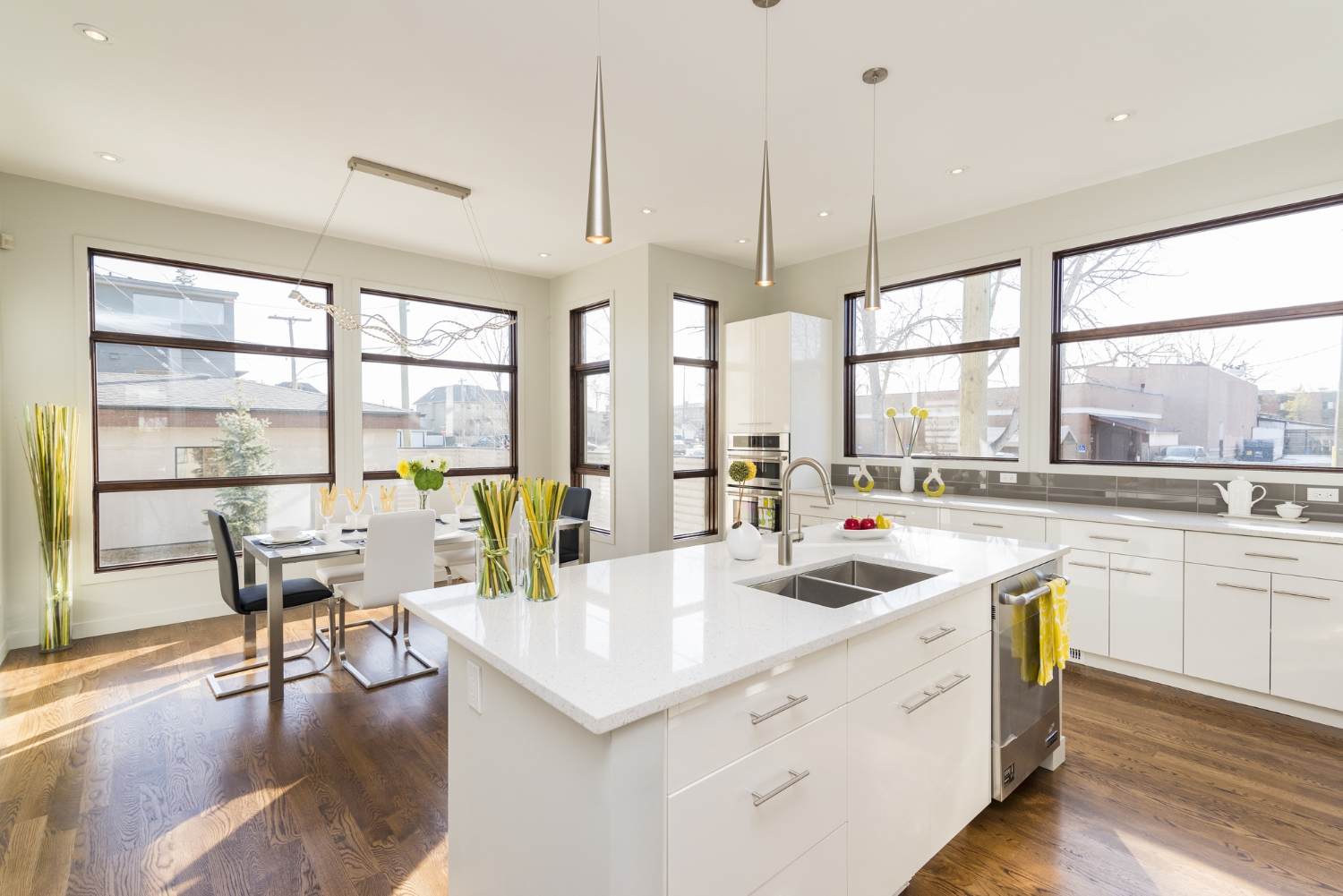
Before you start tearing things down:
- Turn Off Utilities: Ensure water and electricity are turned off in the kitchen.
- Protect Surfaces: Cover floors and nearby furniture with drop cloths.
- Gather Tools: You’ll need a sledgehammer, crowbar, and safety gear.
Executing Demolition
When demolishing, follow these steps:
- Remove Fixtures: Take out appliances, cabinets, and countertops carefully.
- Dispose of Waste: Have a plan for debris disposal, whether through a dumpster rental or local waste management.
Step 4: Installation
With the old kitchen out of the way, it’s time to bring in the new.
Cabinet Installation
Start with cabinets, as they set the tone for the kitchen.
- Leveling: Use a level to ensure cabinets are straight.
- Secure: Attach cabinets to the wall studs for stability.
Countertops and Backsplash
After cabinets are in, install the countertops and backsplash.
- Countertops: Ensure they fit snugly and are sealed properly.
- Backsplash: Choose adhesive or grout based on the material.
Appliances and Fixtures
Finally, install appliances and fixtures.
- Connect Water and Electricity: Follow manufacturer instructions for safe installation.
- Test: Ensure everything is functioning correctly before sealing up any walls.
Step 5: Finishing Touches
The last step is all about the details that make your kitchen feel complete.
Painting and Decorating
Choose colors that complement your design.
- Walls: A fresh coat of paint can dramatically change the look.
- Decor: Add personal touches with artwork and accessories.
Lighting
Good lighting is essential for both functionality and ambiance.
- Task Lighting: Install under-cabinet lights for workspaces.
- Ambient Lighting: Consider pendant lights or chandeliers for style.
Challenges to Anticipate
No remodel is without its challenges. Be prepared for:
- Unexpected Costs: Always have a contingency fund of at least 10% of your budget.
- Delays: Weather or supply chain issues can push timelines back.
- Skill Gaps: You may need to learn new skills or hire help for specialized tasks like plumbing or electrical work.
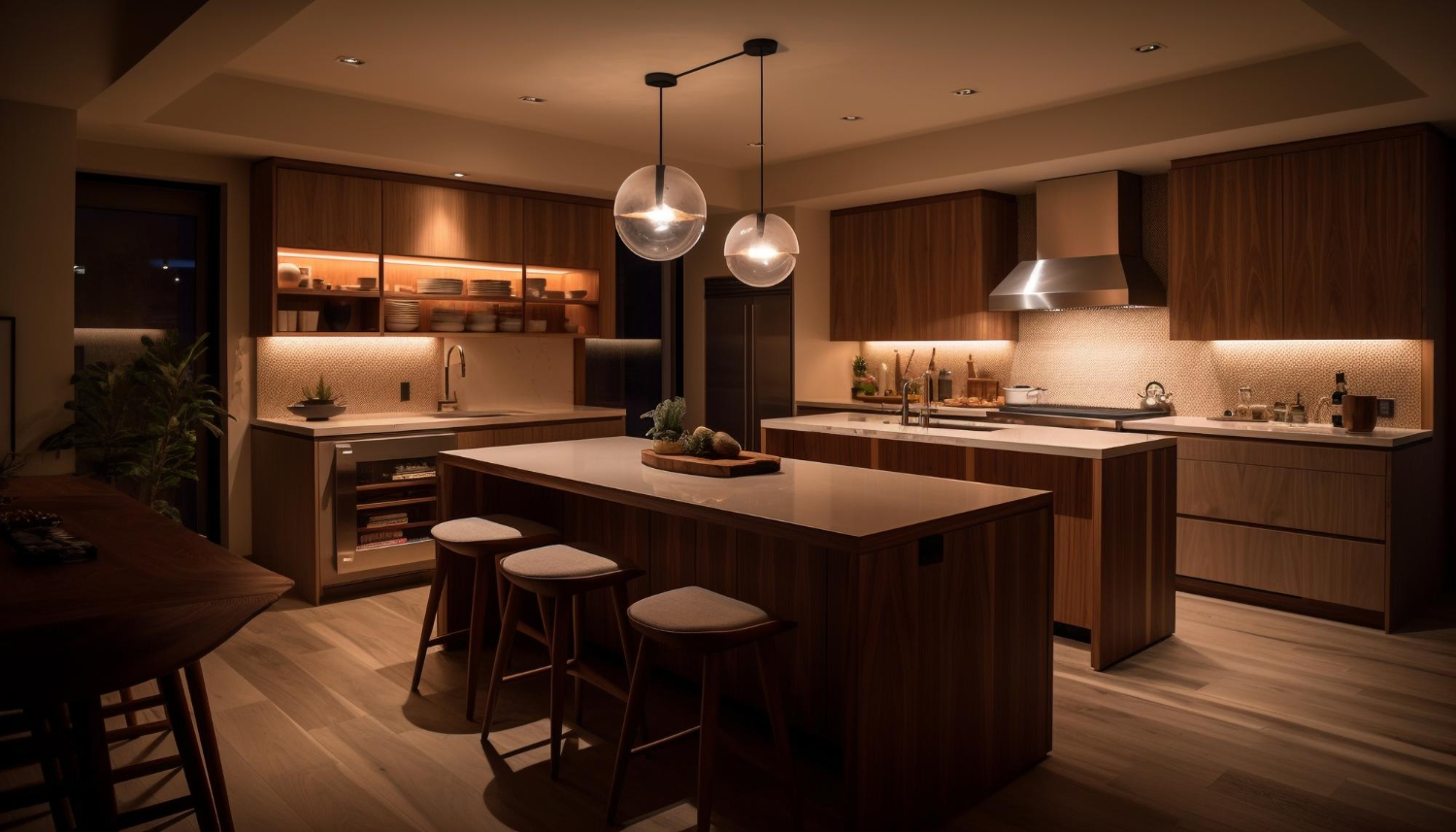
By following these steps and being prepared for challenges, you can successfully complete a DIY kitchen remodel that meets your needs and enhances your home.
Actionable Advice for Your DIY Kitchen Remodel
Common Approaches: DIY vs. Professional Work
When deciding how to approach your kitchen remodel, you generally have two options: DIY or hiring professionals. Each approach has its pros and cons.
DIY Approach
- Cost Savings: Doing it yourself can save you a significant amount of money—often 30% or more compared to hiring professionals.
- Personal Touch: You have complete control over design and execution, allowing for a highly personalized space.
- Flexibility: You can work at your own pace and schedule, making it easier to fit into your life.
Professional Work
- Expertise: Professionals bring experience and knowledge, reducing the likelihood of costly mistakes.
- Time Efficiency: A professional team can complete the remodel more quickly than a DIY effort.
- Warranty: Many contractors offer warranties on their work, providing peace of mind.
Comparison Table
| Aspect | DIY | Professional |
|---|---|---|
| Cost | 30% savings | Higher cost, but includes labor |
| Time | Variable, may take longer | Generally faster |
| Quality | Depends on skill level | Consistent quality |
| Control | Full control over design | Less control, but can provide input |
| Warranty | None | Often includes warranty |
Budget vs. Premium Remodel
Your budget will significantly influence the materials and finishes you choose. Understanding the difference between a budget and premium remodel can help you make informed decisions.
Budget Remodel
- Cabinets: Consider ready-to-assemble (RTA) cabinets, which can save you 20-50% compared to custom options.
- Countertops: Laminate or butcher block can be cost-effective alternatives to granite or quartz.
- Appliances: Look for sales or consider gently used appliances to save money.
Premium Remodel
- Cabinets: Custom cabinetry can elevate your kitchen but typically costs 30-50% more.
- Countertops: High-end materials like marble or quartz can significantly enhance aesthetics and durability.
- Appliances: Investing in energy-efficient, high-end appliances can offer long-term savings on utility bills.
Budget vs. Premium Comparison Table
| Aspect | Budget | Premium |
|---|---|---|
| Cabinets | RTA or stock cabinets | Custom cabinets |
| Countertops | Laminate or butcher block | Granite or quartz |
| Appliances | Basic models | High-end, energy-efficient |
| Finishing Touches | Basic lighting and hardware | Designer fixtures and finishes |
Mistakes to Avoid
Mistakes can be costly and time-consuming. Here are common pitfalls to avoid during your remodel:
- Skipping the Planning Phase: Rushing into the project without a clear plan can lead to mistakes and overspending.
- Underestimating Costs: Always budget for unexpected expenses—add an extra 10-20% to your budget for surprises.
- Ignoring Building Codes: Ensure your remodel complies with local building codes to avoid fines or needing to redo work.
- Neglecting Lighting: Poor lighting can ruin an otherwise beautiful kitchen. Plan for both ambient and task lighting.
Insider Tips
Here are some tips that can make your kitchen remodel smoother and more successful:
- Start with a Small Project: If you’re new to DIY, begin with a smaller project like painting or updating hardware.
- Document Everything: Keep a record of receipts, plans, and any communications with contractors or suppliers.
- Get Help: Don’t hesitate to ask friends or family for help, especially for heavy lifting or specialized tasks.
- Stay Organized: Keep your tools and materials organized to avoid losing time searching for items.
By carefully weighing your options, avoiding common mistakes, and applying these insider tips, you can effectively navigate your DIY kitchen remodel and create a space that meets your needs and reflects your style.
Facts About Do It Yourself Kitchen Remodel Steps
Statistical Insights
Understanding the statistics related to kitchen remodels can provide valuable insights for homeowners considering a DIY approach.
Cost Savings
According to the National Kitchen and Bath Association (NKBA), homeowners can save an average of 30% on labor costs by opting for a DIY kitchen remodel. This can translate to thousands of dollars saved, especially in larger projects.
Return on Investment (ROI)
A well-executed kitchen remodel can yield a strong return on investment. Remodeling Magazine’s Cost vs. Value Report indicates that homeowners can expect to recoup approximately 60-80% of their investment when selling their home after a kitchen remodel.
Improved Comfort and Functionality
A survey by Houzz found that 75% of homeowners reported improved functionality and comfort in their kitchen after a remodel. This highlights the importance of thoughtful planning to create a space that not only looks good but also meets the needs of daily life.
The Benefits of a Thoughtful Approach
Taking the time to plan and execute your DIY kitchen remodel thoughtfully can yield several benefits.
Saving Money
By doing the work yourself, you can significantly cut down on labor costs. This allows you to allocate more of your budget towards high-quality materials or additional features.
Adding Home Value
A kitchen remodel is one of the most effective ways to increase the value of your home. An updated kitchen can make your home more appealing to potential buyers, leading to quicker sales and higher offers.
Improving Comfort
A well-designed kitchen enhances daily living. Thoughtful design choices can improve workflow, storage, and overall enjoyment of the space, making it a more functional and pleasant area for cooking and entertaining.
When to Start and What to Prioritize
Timing and priorities are crucial in a DIY kitchen remodel. Here are some considerations:
When to Start
- Seasonal Timing: Spring and summer are popular times for remodeling due to favorable weather conditions.
- Market Trends: If home values are increasing in your area, it may be a good time to invest in your kitchen.
- Personal Readiness: Ensure you have the time and resources available to commit to the project.
What to Prioritize
1. Functionality: Focus on the kitchen layout and workflow. Ensure the work triangle (sink, stove, refrigerator) is efficient.
2. Quality Materials: Invest in durable materials that will stand the test of time, especially for high-use areas like countertops and cabinets.
3. Lighting: Prioritize both task and ambient lighting to enhance usability and aesthetic appeal.
4. Storage Solutions: Incorporate smart storage options to keep your kitchen organized and clutter-free.
Common Feedback from Homeowners
Homeowners often share their experiences and advice in online forums. Here’s a summary of common insights:
| Feedback Topic | Common Owner Comments |
|---|---|
| Planning | “Spend more time planning; it pays off during execution.” |
| Budgeting | “Always add a buffer to your budget for unexpected costs.” |
| Learning Curve | “Don’t underestimate the time it takes to learn new skills.” |
| Help | “Get friends or family to help; it makes the work more enjoyable.” |
| Quality vs. Cost | “Invest in quality where it counts; cheap materials will cost you more in the long run.” |
By focusing on these facts and insights, homeowners can approach their DIY kitchen remodel with greater confidence and clarity, ensuring they make informed decisions that enhance both their living space and property value.