
How to Design a Remodel Kitchen
Introduction to Kitchen Remodeling
Remodeling a kitchen is one of the most significant home improvement projects a homeowner can undertake. This space is often considered the heart of the home, where families gather, meals are prepared, and memories are made. Therefore, the design of a kitchen is not just about aesthetics; it can significantly influence the functionality and flow of daily life.
Why does this question matter? A well-designed kitchen can enhance your quality of life, increase your home’s value, and improve your cooking experience. On the other hand, a poorly designed kitchen can lead to frustration, wasted space, and even safety hazards.
Factors Influencing Kitchen Design

Several broader factors come into play when designing a remodel kitchen:
- Budget: Financial constraints are often the most significant factor. Setting a realistic budget helps determine the scope of the project, from materials to labor costs.
- Time: Remodeling can be time-consuming. Homeowners need to consider how long they can live without a functional kitchen and plan accordingly.
- Design Preferences: Personal style plays a critical role. Homeowners must decide on the overall look and feel they want to achieve, whether modern, traditional, or eclectic.
- Functionality: The kitchen should cater to the homeowner’s cooking habits and lifestyle. Consideration of layout, storage, and workflow is essential for a practical design.
- Regulations: Local building codes and regulations can impact design choices, especially concerning plumbing, electrical work, and safety standards.
- Resale Value: Homeowners should consider how the design will affect the property’s marketability. A kitchen remodel can significantly boost resale value if done correctly.
Why Consider a Remodel?
The decision to remodel often stems from a combination of the need for improved functionality and the desire for a fresh look. Over time, kitchens can become outdated or fail to meet the changing needs of a household. A remodel offers the opportunity to address these issues while also allowing homeowners to incorporate modern technology and energy-efficient appliances.
Ultimately, designing a remodel kitchen is a multifaceted process that requires careful planning and consideration of various factors. Homeowners must balance their vision with practical constraints to create a space that is both beautiful and functional.
Key Aspects of Designing a Remodel Kitchen
1. Planning and Budgeting
Before diving into a kitchen remodel, planning is crucial. Homeowners should start by defining their budget.
- Average Costs: A kitchen remodel can range from $15,000 to $50,000 or more, depending on the extent of the renovation and the materials used. Minor updates may cost around $10,000, while high-end remodels can exceed $100,000.
- Budget Allocation: A typical budget breakdown might include 30% for cabinets, 20% for appliances, 15% for countertops, 10% for flooring, and the remainder for labor and miscellaneous expenses.
Once a budget is set, homeowners should create a timeline for the project. A full kitchen remodel can take anywhere from 6 to 12 weeks, while smaller projects may be completed in a month or less.
Challenges in Planning
- Underestimating Costs: Many homeowners forget to factor in additional expenses such as permits, unexpected repairs, or design changes.
- Time Management: Delays can arise from various sources, including contractor availability, material shipping times, and unforeseen complications.
2. Layout and Design
The kitchen layout is one of the most critical aspects of the remodel. It influences workflow and efficiency. Common layouts include:
- Galley: A narrow kitchen with two parallel counters, ideal for small spaces.
- L-Shape: Utilizes two adjoining walls, offering more space for cabinets and appliances.
- U-Shape: Encloses the kitchen workspace, providing ample storage and countertop space.
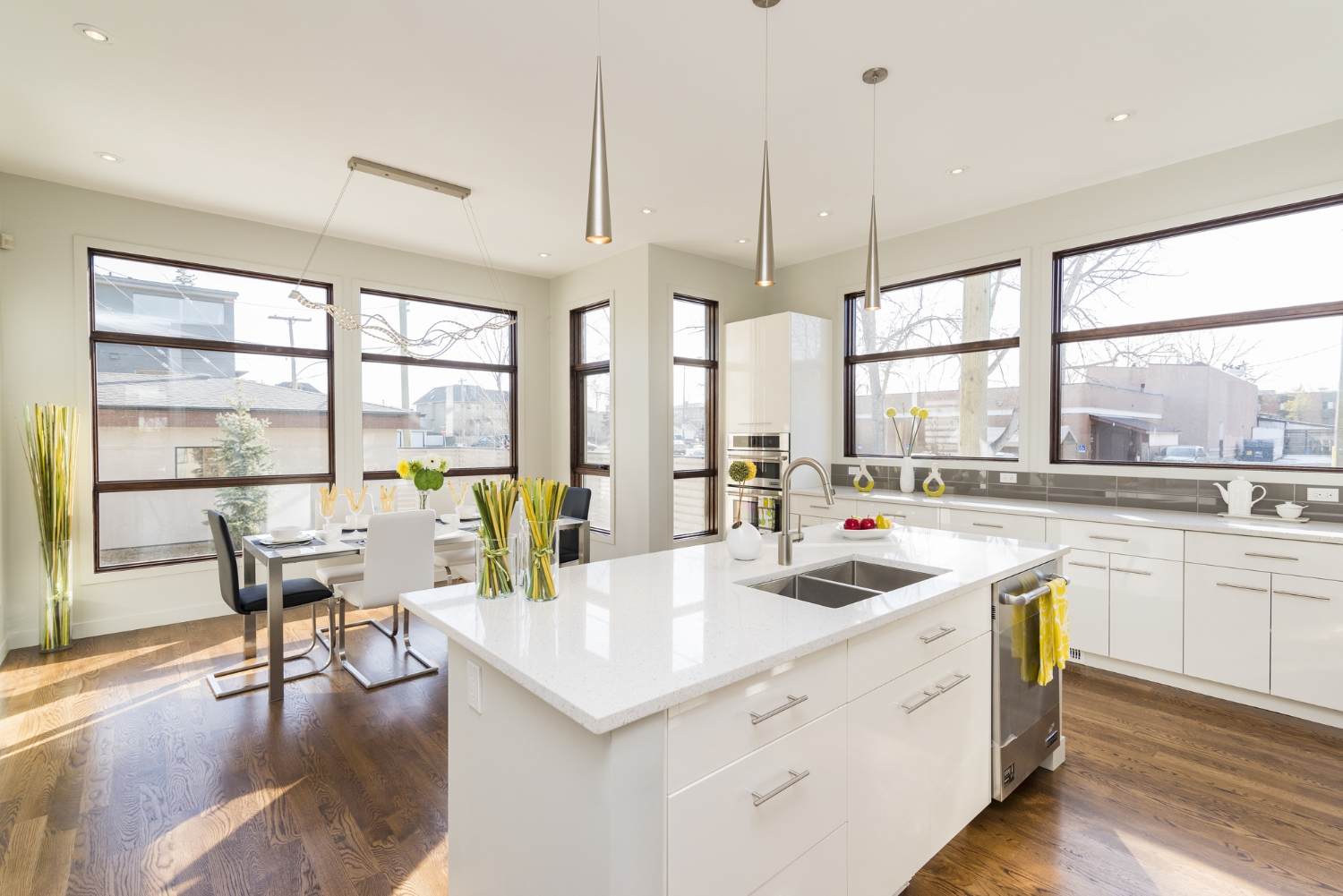
- Island Layout: Features a central island that can serve multiple functions, from cooking to dining.
Ergonomics and Flow
Consider the kitchen work triangle, which connects the stove, sink, and refrigerator. This triangle should ideally be between 12 to 26 feet in total length to ensure a functional flow.
3. Selecting Materials and Appliances
Choosing the right materials and appliances can make or break a kitchen remodel.
- Cabinets: Custom cabinets can cost between $500 to $1,200 per linear foot, while stock cabinets are more affordable, ranging from $100 to $300 per linear foot.
- Countertops: Options vary widely; laminate can be as low as $10 per square foot, while granite can range from $40 to $100 per square foot.
- Appliances: High-efficiency appliances can save money in the long run. Budget around $5,000 to $15,000 for a full suite of new appliances.
Energy Efficiency
Investing in energy-efficient appliances can lead to significant savings over time. Look for ENERGY STAR-rated products, which can reduce energy consumption by 10 to 50%.
4. Lighting and Electrical Considerations
Proper lighting is essential for both functionality and ambiance in the kitchen.
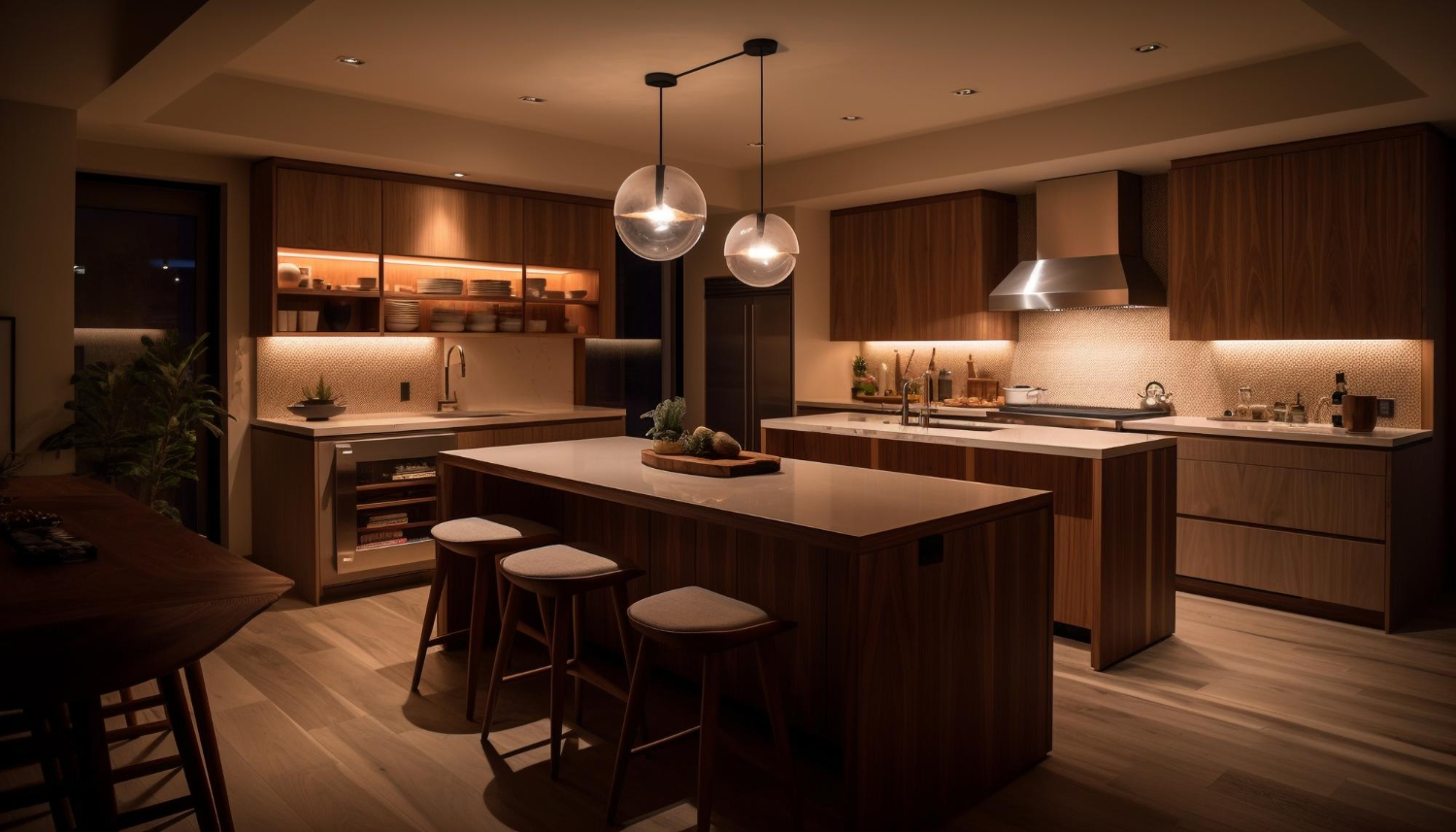
- Types of Lighting: Consider a mix of ambient, task, and accent lighting. For instance, recessed lighting can brighten the entire space, while under-cabinet lights can illuminate countertops.
- Electrical Needs: Ensure that there are enough outlets for appliances, and consider installing USB charging ports for convenience.
Safety and Compliance
Always adhere to local building codes when it comes to electrical work. Hiring a licensed electrician for any significant changes is advisable to ensure safety and compliance.
5. Hiring Professionals vs. DIY
Deciding whether to hire professionals or tackle the remodel as a DIY project is another critical consideration.
- Hiring Professionals: Contractors can streamline the process but will add to the overall cost. Expect to pay around 10% to 20% of the total project cost for labor.
- DIY Challenges: While taking the DIY route can save money, it requires a significant time investment and skill level. Mistakes can lead to costly repairs.
When to Hire a Pro
If the project involves structural changes, electrical work, or plumbing, hiring licensed professionals is crucial to avoid potential hazards and ensure quality work.
6. Final Touches and Personalization
After the major components are in place, it’s time for the final touches.
- Backsplashes: A stylish backsplash can serve as a focal point and protect walls from moisture.
- Color Schemes: Choose colors that reflect your style while also considering how they complement the overall design.
- Decor: Personalize the space with decorative items, plants, or art to make it feel like home.
Staying on Budget
Be cautious with final touches, as they can quickly add up. Allocate a specific portion of your budget for decor and accessories to avoid overspending.
Designing a remodel kitchen involves careful consideration of various aspects, from planning and budgeting to layout and materials. Each decision can significantly impact the functionality and aesthetic of the space, making it essential to approach the process methodically.
Actionable Advice for Designing a Remodel Kitchen
1. DIY vs. Professional Work
Choosing between DIY and hiring professionals is a critical decision that can significantly impact your kitchen remodel. Below is a comparison of both approaches:
| Aspect | DIY | Professional Work |
|---|---|---|
| Cost | Lower overall cost; savings on labor | Higher cost; labor fees can add 10-20% to total |
| Time | Potentially longer; depends on your availability and skill level | Typically faster; professionals have experience and resources |
| Quality | Varies; depends on your skill and experience | Generally higher; trained professionals ensure quality work |
| Complexity | Good for simple tasks (painting, hardware changes) | Recommended for complex tasks (plumbing, electrical work) |
When to Choose DIY
- If you have experience in home improvement projects.
- If the project scope is limited to cosmetic changes like painting or replacing fixtures.
- If you want to save money and are willing to invest time.
When to Hire Professionals
- If the remodel involves structural changes or plumbing and electrical work.
- If you have a tight timeline and need the project completed quickly.
- If you want to ensure high-quality work and avoid potential mistakes.
2. Budget vs. Premium Remodel
The budget you set for your kitchen remodel will significantly influence the choices you make. Below is a comparison of budget and premium remodels:
| Aspect | Budget Remodel | Premium Remodel |
|---|---|---|
| Materials | Stock cabinets, laminate countertops | Custom cabinets, natural stone countertops |
| Appliances | Basic models, no high-end features | High-efficiency, smart appliances |
| Labor | DIY or lower-cost contractors | Experienced professionals, specialized tradespeople |
| Longevity | Shorter lifespan, may need updates sooner | Long-lasting quality, less frequent updates needed |
Tips for Budget Remodels
- Focus on cosmetic changes that can make a big impact, like painting cabinets or replacing hardware.
- Shop sales and clearance items for appliances and materials.
- Consider open shelving instead of upper cabinets to save money on cabinetry.
Tips for Premium Remodels
- Invest in high-quality materials that will stand the test of time.
- Consider energy-efficient appliances that can save money in the long run.
- Work with a designer to create a cohesive and functional layout that maximizes space.
3. Common Mistakes to Avoid
Remodeling a kitchen can be overwhelming, and mistakes can be costly. Here are some common pitfalls to avoid:
- Ignoring the Kitchen Work Triangle: Ensure that the stove, sink, and refrigerator are positioned to create an efficient workflow.
- Underestimating Costs: Always budget for unexpected expenses, which can add 10-20% to your total costs.
- Overlooking Storage Needs: Plan for sufficient storage solutions, including cabinets, drawers, and pantry space.
- Choosing Trends Over Timelessness: While trendy designs can be appealing, opt for timeless elements that won’t go out of style quickly.
4. Insider Tips for a Successful Remodel
Here are some expert tips to guide you through your kitchen remodel:
- Do Your Research: Look at design magazines, websites, and social media for inspiration. Create a mood board to visualize your ideas.
- Get Multiple Quotes: If hiring professionals, get quotes from several contractors to ensure you’re getting a fair price.
- Plan for Downtime: Prepare for the inconvenience of not having a functional kitchen. Set up a temporary cooking area if needed.
- Involve Family in the Process: Get input from family members who will use the kitchen regularly to ensure it meets everyone’s needs.
By weighing your options carefully and following these actionable steps, homeowners can navigate the complexities of kitchen remodeling more effectively. Whether you choose to go the DIY route or hire professionals, understanding the implications of your choices will lead to a more successful outcome.
Facts About Designing a Remodel Kitchen
1. Statistical Insights into Kitchen Remodeling
Understanding the statistical landscape can guide homeowners in making informed decisions about their kitchen remodel. Here are some key facts:
- Return on Investment (ROI): According to the National Association of Realtors, a minor kitchen remodel can yield a return of about 80%, while a major remodel can return around 60% of the investment.
- Average Cost: The Remodeling 2023 Cost vs. Value Report states that the average cost for a mid-range kitchen remodel is approximately $75,000.
- Home Value Increase: A well-executed kitchen remodel can increase a home’s value by 10-15%, making it one of the most valuable renovations.
- Energy Efficiency: The U.S. Department of Energy states that energy-efficient appliances can save homeowners between $100 and $400 annually on utility bills.
Benefits of a Thoughtful Approach
Taking a thoughtful approach to kitchen design can lead to numerous benefits:
- Cost Savings: A well-planned remodel can prevent overspending and help avoid costly mistakes.
- Enhanced Comfort: A functional layout tailored to your cooking and entertaining style can significantly improve daily comfort.
- Increased Home Value: Investing in quality materials and design can enhance your property’s marketability and resale value.
2. Prioritizing Your Remodel
When considering a kitchen remodel, it’s essential to prioritize the elements that will yield the most significant benefits. Here are some key areas to focus on:
- Layout: Ensure that the kitchen layout promotes efficient workflow and maximizes space.
- Storage Solutions: Invest in cabinetry and shelving that meet your storage needs while keeping the space organized.
- Quality Appliances: Choose energy-efficient appliances that can save money in the long run and enhance functionality.
- Lighting: Incorporate a mix of ambient, task, and accent lighting to create a versatile and inviting atmosphere.
When to Start Your Remodel
The best time to start a kitchen remodel is during the off-peak seasons, typically late fall or winter. This timing can lead to better availability of contractors and potentially lower material costs.
3. Homeowner Insights from Online Forums
Homeowners often share valuable insights and experiences in online forums. Below is a summary of common sentiments expressed by homeowners regarding kitchen remodeling:
| Common Sentiment | Details |
|---|---|
| Budgeting is Key | Many emphasize the importance of setting a realistic budget and sticking to it to avoid overspending. |
| Plan for the Unexpected | Homeowners frequently mention the need for contingency funds to cover unexpected costs during the remodel. |
| Functionality Over Trends | Numerous users advise prioritizing functionality and practicality over fleeting design trends. |
| Research Contractors | Many recommend thoroughly researching and vetting contractors to ensure quality work and reliability. |
By leveraging statistical data and insights from fellow homeowners, those planning a kitchen remodel can make informed decisions that enhance both their living space and investment value. Prioritizing layout, storage, and quality materials will lead to a successful and satisfying renovation experience.