
How to Layout a Kitchen Remodel
Why Kitchen Layout Matters
When it comes to home improvement, a kitchen remodel is often at the top of the list for homeowners. The kitchen is not just a place to prepare meals; it’s a central hub for family gatherings, social interactions, and daily routines. A well-thought-out kitchen layout can enhance functionality, improve aesthetics, and ultimately increase the value of your home. However, achieving the perfect kitchen layout requires careful consideration of several factors that can significantly impact the outcome of your remodel.
Key Factors to Consider
- Budget: Your financial constraints will dictate many aspects of your remodel, from the choice of materials to the extent of renovations. It’s essential to establish a realistic budget that includes not only the costs of materials and labor but also potential unexpected expenses.
- Time: Kitchen remodels can take anywhere from a few weeks to several months, depending on the scope of the project. Homeowners need to consider how long they can live without a fully functional kitchen and plan accordingly.
- Design Preferences: The kitchen needs to reflect your personal style while also being practical. Consider the layout that best suits your cooking habits and lifestyle. Popular designs include open-concept layouts, galley kitchens, and L-shaped configurations.
- Space Utilization: Efficient use of space is crucial. Assess how you currently use your kitchen and identify areas that can be optimized. This could involve reconfiguring the work triangle between the sink, stove, and refrigerator for improved workflow.
- Regulations and Codes: Local building codes and regulations can influence your remodel. It’s important to check if any permits are required for structural changes, electrical work, or plumbing modifications. Failing to comply can lead to costly fines or complications down the line.
Understanding these factors will guide your decision-making process and help you create a kitchen layout that meets your needs while staying within your constraints. A successful kitchen remodel is not just about aesthetics; it’s about creating a functional space that enhances your lifestyle.
Key Aspects of Kitchen Layout Planning
1. Assessing Your Needs

Before diving into the design and layout of your kitchen remodel, it’s crucial to assess your specific needs. This step will help determine the functionality and style that best suit your lifestyle.
- Cooking Habits: Are you an occasional cook or a culinary enthusiast? If you cook frequently, consider a layout that maximizes efficiency, such as a U-shaped or L-shaped kitchen.
- Family Size: Larger families may require more space for multiple cooks and storage. Think about incorporating an island or a breakfast bar for additional seating.
- Entertaining: If you often host gatherings, an open-concept layout can facilitate social interactions. Consider how your kitchen connects to living or dining areas.
Example:
A family of four that enjoys cooking together may opt for a U-shaped kitchen with an island for prep space, while a couple that entertains frequently might choose an open-concept design.
2. Establishing a Budget
Setting a budget is essential for any kitchen remodel. The average kitchen remodel can range from $15,000 to $50,000, depending on the extent of the work and materials used.
- Cabinetry: Custom cabinets can cost between $500 to $1,500 per linear foot, while stock cabinets may range from $100 to $300 per linear foot.
- Countertops: Materials like laminate are budget-friendly at $20 to $50 per square foot, while granite can range from $40 to $200 per square foot.
- Labor Costs: Labor typically accounts for 20% to 35% of the total budget. Hiring a professional designer can add to this cost but may save you money in the long run by preventing costly mistakes.
Example:
If a homeowner allocates $30,000 for a remodel, they might spend $10,000 on cabinetry, $5,000 on countertops, and $10,000 on labor, leaving room for appliances and fixtures.
3. Choosing a Layout
The layout of your kitchen is crucial for functionality and flow. Here are some common layouts along with their benefits:
- U-Shaped: Ideal for maximizing space and storage, this layout features three walls of cabinetry and appliances. It’s great for larger families and allows multiple cooks to work simultaneously.
- L-Shaped: This layout is versatile and can fit into various kitchen sizes. It offers an open feel and is suitable for small to medium-sized kitchens, making it easy to incorporate an island.
- Galley: Perfect for narrow spaces, a galley kitchen features two parallel walls. This layout is efficient for cooking but may feel cramped without adequate lighting and ventilation.
- Open Concept: This layout connects the kitchen to the living or dining area, promoting interaction. It’s popular for modern homes but requires careful planning to ensure adequate storage and workspace.
Example:
A U-shaped kitchen might work well for a family that cooks together, while an open-concept layout could be perfect for someone who loves to entertain.
4. Workflow and the Kitchen Triangle
The kitchen triangle concept emphasizes the relationship between the three primary work areas: the sink, stove, and refrigerator.
- Distance: The sum of the triangle’s three sides should ideally be between 12 and 26 feet, with each leg measuring 4 to 9 feet for optimal efficiency.
- Accessibility: Ensure that the triangle is unobstructed by cabinets or islands, allowing for smooth movement while cooking.
Example:
If the sink is too far from the stove, it can hinder food preparation and cleanup. A well-planned triangle can significantly improve the cooking experience.
5. Selecting Materials and Finishes
Choosing the right materials and finishes can impact both the aesthetics and functionality of your kitchen.
- Cabinets: Options range from solid wood to MDF. Solid wood is durable but often more expensive, while MDF can be a cost-effective alternative.
- Countertops: Consider durability and maintenance. Quartz is popular for its low maintenance, while butcher block offers a warm aesthetic but requires more upkeep.
- Flooring: Tile, hardwood, and laminate are common choices. Tile is durable and easy to clean, while hardwood offers warmth but can be susceptible to water damage.
Example:
A homeowner might choose quartz countertops for their durability and modern look, paired with shaker-style cabinets for a classic touch.
6. Planning for Lighting and Ventilation
Proper lighting and ventilation are crucial components of a functional kitchen.
- Task Lighting: Install under-cabinet lighting to illuminate countertops for food preparation.
- Ambient Lighting: Use ceiling fixtures or pendant lights to create a welcoming atmosphere.
- Ventilation: A range hood is essential for removing cooking odors and smoke. Ensure it’s appropriately sized for your stove.
Example:
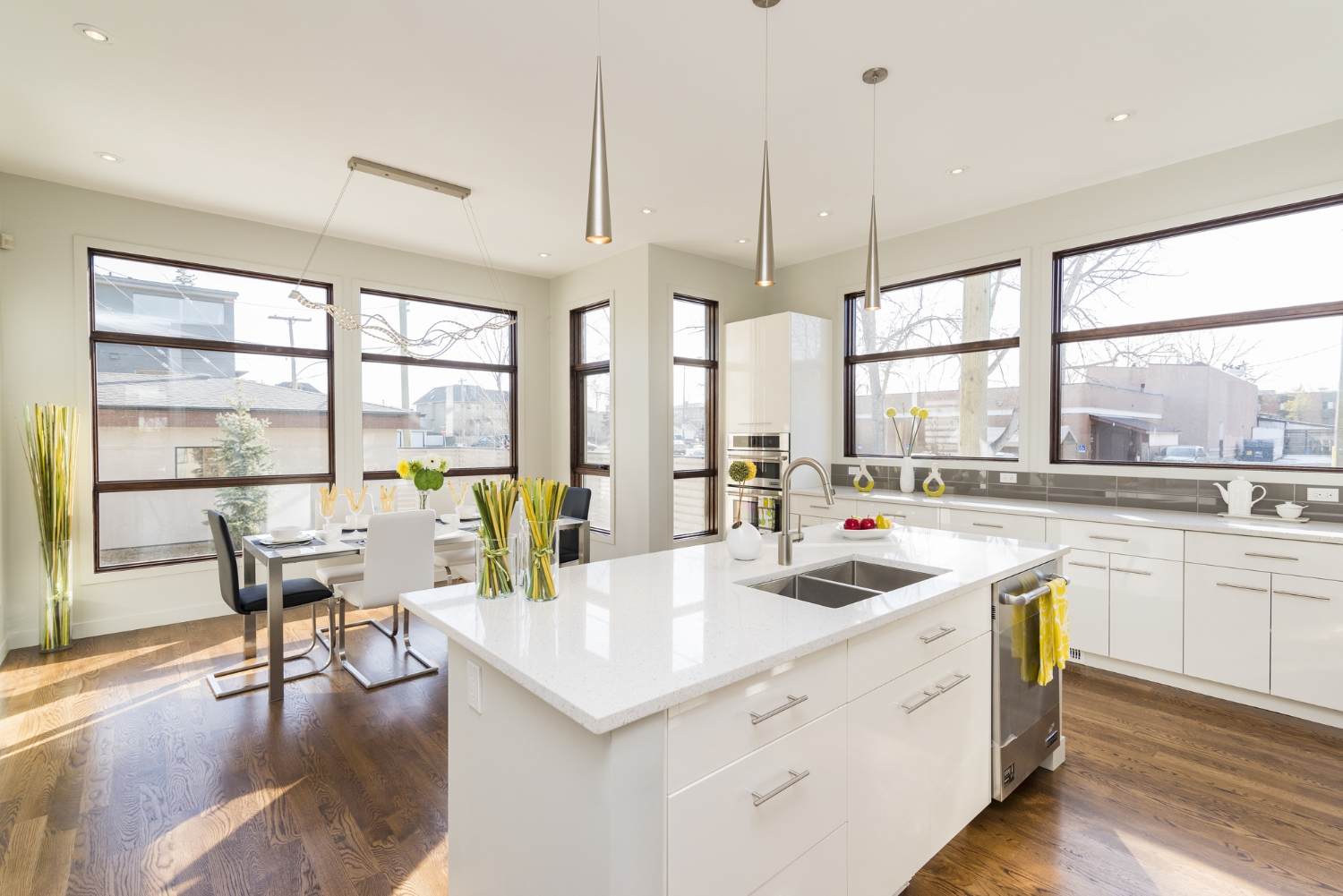
A kitchen with ample task lighting will make cooking easier and safer, while good ventilation will keep the air fresh during meal prep.
7. Permits and Regulations
Before starting your remodel, familiarize yourself with local building codes and regulations.
- Permits: Depending on the scope of your remodel, you may need permits for electrical, plumbing, or structural changes.
- Inspections: Some projects require inspections to ensure compliance with safety standards.
Example:
Failing to obtain the necessary permits can result in fines or complications when selling your home in the future.
By considering these key aspects, homeowners can create a well-planned kitchen layout that meets their needs and enhances the overall functionality and aesthetic of their home.
Actionable Advice for Your Kitchen Remodel
1. DIY vs. Professional Work
Deciding whether to take a DIY approach or hire professionals can significantly affect your kitchen remodel. Each option has its pros and cons.
| Aspect | DIY | Professional |
|---|---|---|
| Cost | Generally lower, as you save on labor costs. | Higher due to labor fees, but may save you money in the long run. |
| Time | Can take longer due to inexperience and other commitments. | Usually faster, as professionals have the skills and tools to complete the job efficiently. |
| Quality | Varies based on skill level; mistakes can be costly. | Typically higher quality due to experience and expertise. |
| Stress | Can be stressful if you encounter unexpected challenges. | Less stressful as professionals handle the complexities. |
Insider Tip:
If you’re considering DIY, start with smaller projects like painting or installing backsplash tiles. Save more complex tasks, like plumbing or electrical work, for professionals.
2. Budget vs. Premium Remodel
Your budget will dictate the quality of materials and the extent of your remodel. Here’s how to compare budget and premium options:
| Feature | Budget Remodel | Premium Remodel |
|---|---|---|
| Cabinets | Stock cabinets or refacing existing ones. | Custom cabinetry tailored to your space. |
| Countertops | Laminate or low-cost granite. | High-end materials like quartz or marble. |
| Appliances | Basic models without advanced features. | High-efficiency appliances with smart technology. |
| Flooring | Vinyl or laminate flooring. | Hardwood or high-quality tile. |
Insider Tip:
If you’re on a budget, consider investing in a few high-quality items, like appliances or countertops, while saving on other elements like paint or cabinet hardware.
3. Common Mistakes to Avoid
Many homeowners make avoidable mistakes during a kitchen remodel. Here are some pitfalls to watch out for:
- Ignoring the Workflow: Failing to consider the kitchen triangle can lead to a layout that disrupts cooking efficiency.
- Overlooking Storage: Not planning for adequate storage can result in a cluttered kitchen. Incorporate cabinets, drawers, and shelves effectively.
- Choosing Trends Over Functionality: While trendy designs may look appealing, prioritize functionality to ensure your kitchen meets your needs over time.
- Underestimating Costs: Many homeowners overlook hidden expenses. Always budget an additional 10% to 20% for unexpected costs.
- Neglecting Lighting: Poor lighting can make a kitchen feel cramped and uninviting. Ensure a mix of task, ambient, and accent lighting.
Insider Tip:
Create a detailed plan and timeline before starting your remodel. This will help you stay organized and minimize costly mistakes.
4. Essential Tips for a Successful Remodel
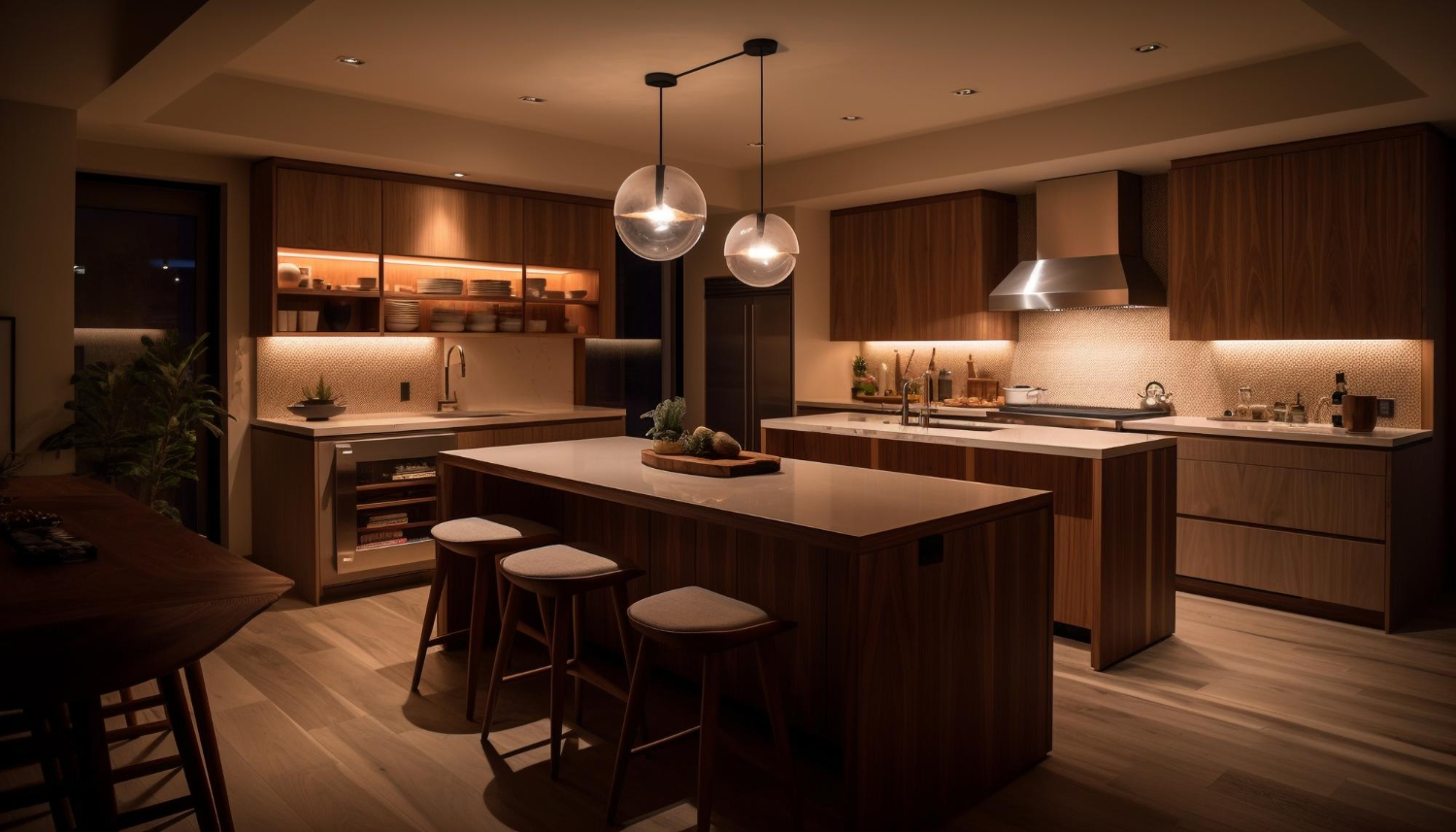
Here are some insider tips that can help make your kitchen remodel smoother and more successful:
- Consult with a Designer: Even if you plan to DIY, a consultation can provide valuable insights and help you avoid common pitfalls.
- Use a Mood Board: Create a mood board to visualize your design elements, colors, and materials. This will help you stay focused on your vision.
- Prioritize Layout Over Aesthetics: While a beautiful kitchen is important, a functional layout should be your top priority.
- Be Flexible: Be prepared to make changes as issues arise. Flexibility can save you time and money.
- Plan for the Future: Consider your long-term needs, especially if you plan to stay in your home for many years. Choose materials and designs that will stand the test of time.
Insider Tip:
Consider future resale value when making decisions. While some upgrades may be appealing to you, they may not appeal to future buyers.
By following these actionable pieces of advice, homeowners can avoid common pitfalls and make informed decisions that lead to a successful kitchen remodel.
Facts About Kitchen Layouts and Their Benefits
1. Statistical Insights on Kitchen Remodels
Understanding the numbers behind kitchen remodels can help homeowners make informed decisions. Here are some key statistics:
- Return on Investment (ROI): According to the National Association of Realtors, a minor kitchen remodel can yield an ROI of about 80% to 85% when selling a home.
- Average Cost: The average kitchen remodel costs approximately $25,000, but this can vary widely based on location, materials, and complexity.
- DIY Savings: Homeowners who take a DIY approach can save about 20% to 30% on labor costs, but this comes with the trade-off of time and effort.
- Space Utilization: A well-planned kitchen layout can increase usable space by up to 30%, making the kitchen feel larger and more functional.
Benefits of a Thoughtful Approach
Taking the time to thoughtfully plan your kitchen layout can lead to several benefits:
- Cost Savings: By planning carefully, homeowners can avoid costly mistakes and unexpected expenses.
- Increased Home Value: A well-designed kitchen can significantly enhance the resale value of a home, attracting potential buyers.
- Improved Comfort: A functional layout enhances daily cooking experiences, making the kitchen more enjoyable and efficient.
2. Prioritizing Your Kitchen Remodel
When planning your kitchen remodel, it’s essential to know what to prioritize and when to start.
- Start with a Clear Vision: Define your goals and what you want to achieve with your remodel. This will guide your decisions throughout the process.
- Set a Realistic Budget: Factor in all costs, including materials, labor, and unexpected expenses. Establish a budget that allows for flexibility.
- Focus on Layout First: Prioritize the kitchen layout before selecting materials or finishes. A functional layout is essential for a successful remodel.
- Choose Timeless Elements: Select materials and designs that will remain appealing over time, rather than following fleeting trends.
Final Advice:
Consider starting your remodel during off-peak seasons, such as late winter or early spring, when contractors may have more availability and potentially lower rates.
3. Common Owner Insights from Forums
Homeowners often share valuable insights and experiences in online forums. Here’s a summary of what many are saying:
| Common Insight | Description |
|---|---|
| Measure Twice, Cut Once | Accurate measurements are crucial. Many users emphasize double-checking dimensions to avoid costly mistakes. |
| Don’t Skimp on Lighting | Good lighting transforms a kitchen. Homeowners recommend investing in a mix of task and ambient lighting. |
| Plan for Storage | Many users stress the importance of sufficient storage. Incorporating cabinets, drawers, and shelves is essential. |
| Hire Professionals for Key Tasks | While DIY is appealing, many recommend hiring professionals for plumbing and electrical work to ensure safety and compliance. |
| Stay Flexible | Unexpected issues can arise. Homeowners advise being adaptable and ready to adjust plans as needed. |
By leveraging statistical data and insights from fellow homeowners, you can approach your kitchen remodel with a clear plan, maximizing both functionality and value.