
How to Design My Kitchen Remodel
Why This Question Matters for Homeowners
Remodeling a kitchen is one of the most significant investments a homeowner can make. The kitchen is often considered the heart of the home, where families gather, meals are prepared, and memories are created. Therefore, designing a kitchen remodel is not just about aesthetics; it involves practical considerations that can impact daily life.
A well-planned kitchen can enhance functionality, improve energy efficiency, and increase the overall value of a home. Conversely, a poorly designed kitchen can lead to frustration, wasted space, and costly mistakes. Homeowners must approach this task with a clear strategy, taking into account various factors that influence the remodeling process.
Broader Factors Influencing Kitchen Design

When embarking on a kitchen remodel, several critical factors must be considered:
- Budget: The financial aspect is often the most limiting factor. Homeowners need to set a realistic budget that encompasses all aspects of the remodel, from materials to labor costs.
- Time: Remodeling a kitchen can be a lengthy process. Homeowners should plan for potential delays and understand that living without a fully functional kitchen for an extended period can be challenging.
- Design Preferences: Personal style plays a significant role in kitchen design. Homeowners need to consider their aesthetic preferences, whether modern, traditional, or eclectic.
- Functionality: The kitchen should cater to the specific needs of the household. This includes considering the layout, storage solutions, and appliances that will best serve the family’s cooking habits.
- Regulations: Local building codes and regulations can impact design choices. Homeowners must ensure their plans comply with safety standards and zoning laws.
- Environmental Considerations: Sustainable practices and energy-efficient appliances are increasingly important. Homeowners should think about how their remodel can minimize environmental impact.
By addressing these factors upfront, homeowners can create a more cohesive and practical kitchen design that meets their needs and enhances their living space.
Designing Your Kitchen Remodel
Key Aspects to Consider
Remodeling a kitchen involves multiple dimensions that require careful planning and execution. Here are the main aspects to consider when designing your kitchen remodel:
1. Assessing Your Needs
Before diving into design, it’s crucial to assess your specific needs and preferences. Ask yourself:
- How often do you cook?
- Do you entertain guests frequently?
- What appliances do you currently use, and what do you wish to have?
- Is there enough storage for your cooking and dining needs?
For example, if you frequently host dinner parties, you may want a larger kitchen island for food preparation and seating. Conversely, if you rarely cook, a minimalist design with fewer appliances may suffice.
2. Setting a Budget
Budgeting is a fundamental step that can dictate the scope of your remodel. On average, a kitchen remodel can range from $10,000 to $50,000, depending on the size, materials, and complexity of the project. Here are some typical costs to consider:
- Cabinets: $5,000 – $20,000
- Countertops: $2,000 – $5,000
- Appliances: $3,000 – $10,000
- Labor: $4,000 – $12,000
Make sure to allocate a portion of your budget for unexpected expenses, which often arise during remodeling projects.
3. Choosing a Layout
The layout of your kitchen is crucial for functionality. The most common kitchen layouts include:
- U-Shaped: Ideal for larger spaces, offering ample storage and counter space.
- L-Shaped: Works well in smaller areas, providing an efficient workflow.
- Galley: A narrow layout that maximizes space, suitable for small kitchens.
- Island: Adds extra counter space and can serve as a dining area.
Consider the “work triangle” principle, which suggests that the stove, sink, and refrigerator should form a triangle for optimal efficiency.
4. Selecting Materials and Finishes
Choosing the right materials and finishes can dramatically affect both aesthetics and functionality. Here are some options:
- Cabinets: Solid wood, plywood, or MDF are popular choices. Solid wood is durable but more expensive.
- Countertops: Options include granite, quartz, laminate, and butcher block, each with its pros and cons in terms of durability and maintenance.
- Flooring: Consider tile, hardwood, or vinyl. Tile is durable and easy to clean, while hardwood offers warmth.
Research and compare the average costs and maintenance requirements of each material before making a decision.
5. Planning for Appliances
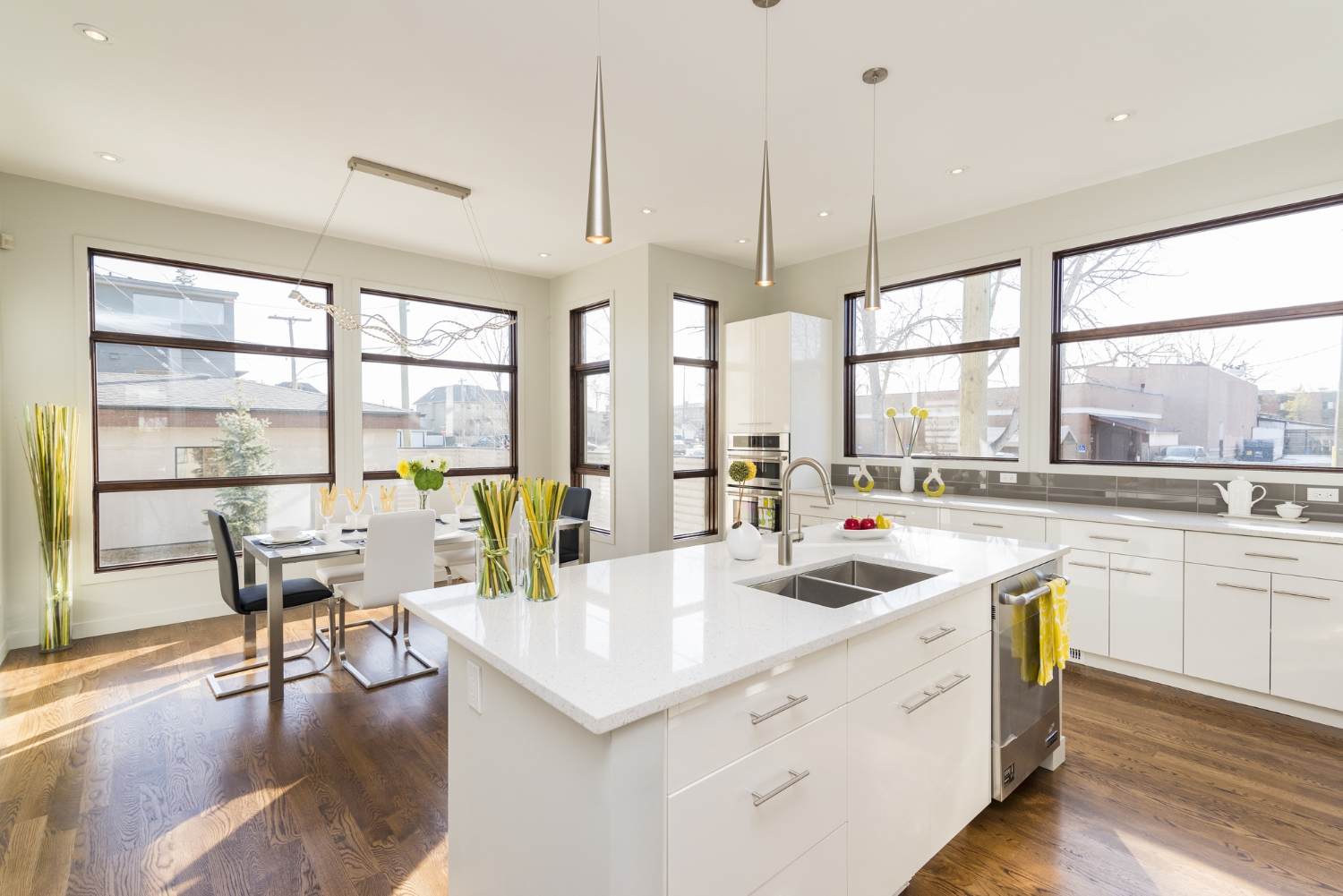
Appliances can significantly impact your kitchen’s functionality. When selecting appliances, consider:
- Size: Ensure your appliances fit the designated spaces.
- Energy Efficiency: Look for ENERGY STAR-rated appliances to save on utility bills.
- Features: Decide which features are essential for your cooking style, such as convection ovens or smart refrigerators.
On average, homeowners spend around $3,000 to $10,000 on new appliances, depending on the brand and features.
6. Lighting and Ventilation
Proper lighting and ventilation are often overlooked but are essential for a functional kitchen. Consider:
- Task Lighting: Install under-cabinet lighting for better visibility while cooking.
- Ambient Lighting: Use ceiling fixtures or pendant lights to create a welcoming atmosphere.
- Ventilation: Invest in a good range hood to eliminate cooking odors and moisture.
The cost of lighting fixtures can range from $100 to $1,000, depending on style and quality.
7. Timeline and Project Management
A kitchen remodel can take anywhere from a few weeks to several months, depending on the project’s complexity. A typical timeline may look like this:
- Planning and Design: 2-4 weeks
- Demolition: 1-2 weeks
- Construction: 4-8 weeks
- Finishing Touches: 1-2 weeks
Potential challenges during this process include delays in material delivery, unexpected structural issues, or changes in design mid-project. Being prepared for these challenges can help mitigate stress.
By carefully considering these aspects, homeowners can create a functional and aesthetically pleasing kitchen that meets their needs and enhances their home.
Actionable Advice for Your Kitchen Remodel
Common Approaches: DIY vs. Professional Work
When it comes to kitchen remodeling, homeowners often face the decision of whether to tackle the project themselves or hire professionals. Each approach has its pros and cons.
DIY Kitchen Remodel
- Pros:
- Cost savings on labor.
- Personal satisfaction from completing the project.
- Flexibility to work at your own pace.
- Cons:
- Time-consuming, especially if you’re not experienced.
- Potential for costly mistakes.
- Lack of access to professional-grade tools and materials.
Professional Kitchen Remodel
- Pros:
- Expertise and experience lead to a higher-quality finish.
- Access to a network of suppliers and resources.
- Time-efficient, with a well-defined timeline.
- Cons:
- Higher overall cost due to labor fees.
- Less control over the project timeline and decisions.
- Potential communication issues with contractors.
Budget vs. Premium Remodel
When planning your kitchen remodel, it’s essential to understand the difference between a budget-friendly remodel and a premium one.
| Aspect | Budget Remodel | Premium Remodel |
|---|---|---|
| Cost | $10,000 – $20,000 | $30,000 – $100,000+ |
| Materials | Laminate, stock cabinets | Granite, custom cabinetry |
| Appliances | Basic models, energy-efficient | High-end, smart appliances |
| Design | Functional, minimalistic | Custom designs, high-end finishes |
| Return on Investment | Moderate (60-70%) | High (70-90% or more) |
Mistakes to Avoid
Avoiding common pitfalls can save you time and money during your kitchen remodel. Here are some mistakes to watch out for:
- Ignoring the Kitchen Work Triangle: Ensure that the stove, sink, and refrigerator are positioned for optimal efficiency.
- Underestimating Costs: Always budget for unexpected expenses, which can add 10-20% to your total costs.
- Neglecting Storage: Failing to include sufficient storage can lead to clutter and inefficiency.
- Skimping on Lighting: Poor lighting can affect both functionality and ambiance; invest in a mix of task and ambient lighting.
- Overcomplicating the Design: A complex design can lead to higher costs and longer timelines. Stick to a layout that works for your needs.
Insider Tips
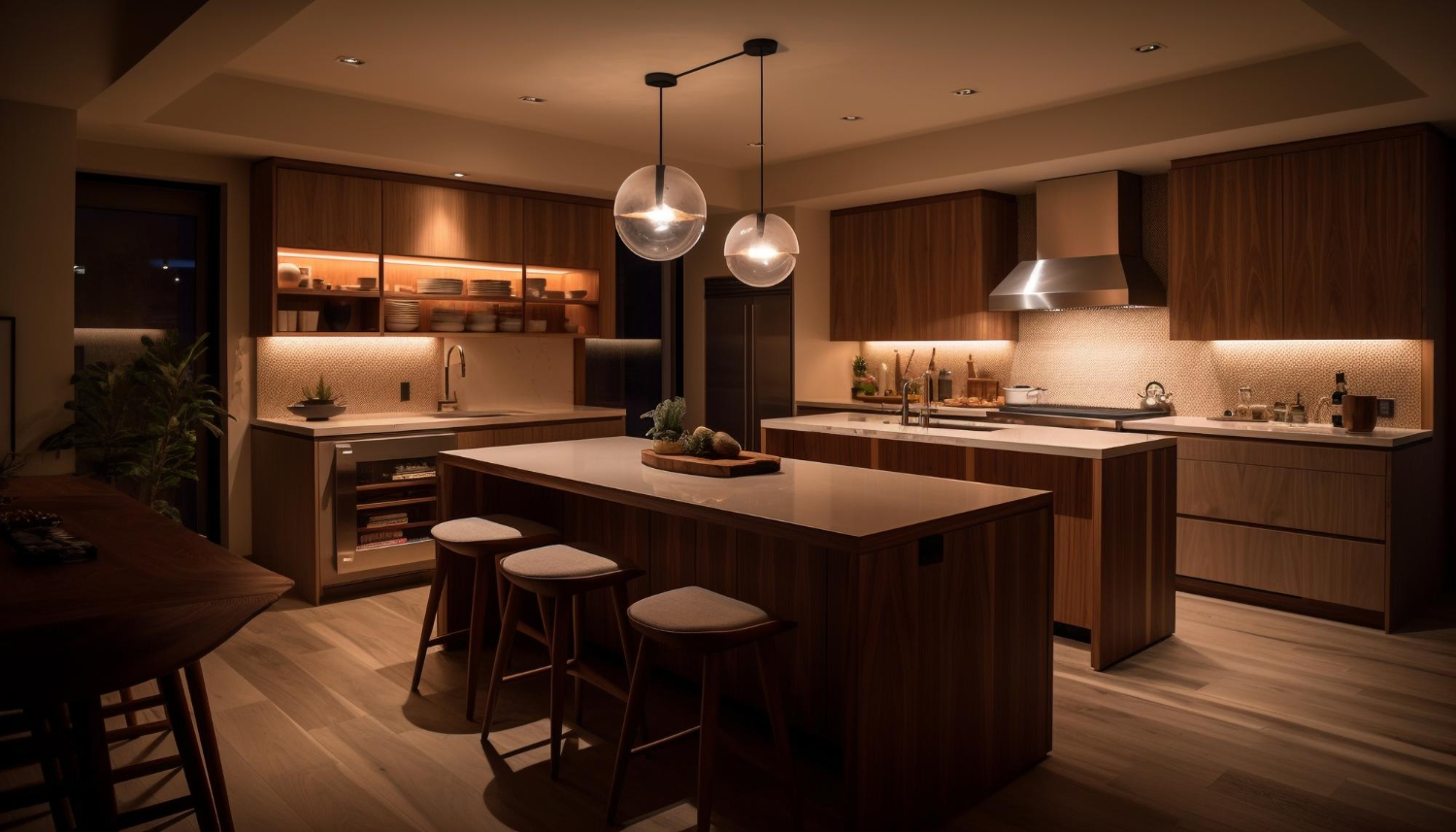
Here are some insider tips that can help streamline your kitchen remodel:
- Get Multiple Quotes: If hiring professionals, always obtain at least three quotes to compare pricing and services.
- Plan for Future Needs: Think about how your kitchen might need to adapt in the coming years, especially if you plan to stay in your home long-term.
- Invest in Quality Fixtures: Don’t skimp on faucets and sinks; high-quality fixtures can enhance both functionality and aesthetics.
- Consider Resale Value: If you plan to sell your home, choose designs and materials that appeal to a broad audience.
- Document Everything: Keep a detailed record of all decisions, costs, and timelines to help manage the project effectively.
By weighing your options, avoiding common mistakes, and following these insider tips, you can navigate your kitchen remodel more effectively and achieve a space that meets your needs and preferences.
Facts About Designing Your Kitchen Remodel
Statistical Insights
When planning a kitchen remodel, understanding the statistics can provide valuable insights into the potential benefits of a thoughtful approach. Here are some key facts:
- Return on Investment (ROI): According to Remodeling Magazine’s Cost vs. Value report, a mid-range kitchen remodel can yield an ROI of around 70% to 80%, while upscale remodels can return about 60% to 70% of the investment.
- Average Costs: The National Kitchen and Bath Association (NKBA) reports that the average kitchen remodel costs between $15,000 and $50,000, depending on the scope and materials chosen.
- Home Value Increase: A well-executed kitchen remodel can increase a home’s value by 10% to 15%, making it one of the most impactful renovations.
- Energy Efficiency: Upgrading to energy-efficient appliances can save homeowners an average of $200 to $400 annually on utility bills, according to ENERGY STAR.
Benefits of a Thoughtful Approach
Taking a thoughtful approach to your kitchen remodel can yield several benefits:
1. Saving Money
By planning carefully and setting a realistic budget, homeowners can avoid overspending and costly mistakes. Here are some tips to save money during the remodel:
- Shop for sales on appliances and materials.
- Consider refinishing existing cabinets instead of replacing them.
- Choose stock or semi-custom cabinets instead of fully custom options.
2. Adding Home Value
A kitchen remodel is one of the most effective ways to increase the value of your home. Potential buyers often prioritize updated kitchens, making it a smart investment.
- Focus on modernizing outdated features.
- Ensure the design appeals to a broad audience.
- Use durable materials that stand the test of time.
3. Improving Comfort
A well-designed kitchen enhances the overall comfort and functionality of the space. Key improvements to consider include:
- Incorporating an open layout to promote social interaction.
- Adding adequate storage solutions to reduce clutter.
- Improving lighting to create a welcoming atmosphere.
When to Start and What to Prioritize
Timing your remodel effectively can make a significant difference. Here’s when to start and what to prioritize:
- Start Early: Begin planning at least six months before you want to start construction. This allows time for design, budgeting, and securing permits.
- Prioritize: Focus on the following areas first:
- Layout: Ensure the kitchen functions efficiently.
- Storage: Maximize space with cabinets and shelving.
- Appliances: Invest in quality, energy-efficient models.
- Countertops: Choose durable materials that fit your style.
Common Owner Feedback
Homeowners often share their experiences and insights in forums. Here is a summary of common sentiments:
| Feedback Theme | Common Owner Comments |
|---|---|
| Budgeting | “I wish I had set a more realistic budget upfront to avoid surprises.” |
| Planning | “Taking the time to plan saved me a lot of headaches during the remodel.” |
| Functionality | “The new layout has made cooking and entertaining so much easier.” |
| Quality Materials | “Investing in quality materials was worth it; my kitchen looks amazing!” |
| Hiring Professionals | “Hiring a designer made a huge difference in the final outcome.” |
By leveraging statistical insights, understanding the benefits of a thoughtful approach, and prioritizing key aspects of your remodel, you can create a kitchen that enhances your home and improves your quality of life.