
How to Design Your Kitchen Remodel
Why Kitchen Design Matters
The kitchen is often considered the heart of the home. It’s where meals are prepared, family gatherings occur, and everyday life unfolds. For homeowners, a kitchen remodel is not just about aesthetics; it’s about functionality, efficiency, and comfort. A well-designed kitchen can enhance your cooking experience, improve your home’s value, and even affect your daily routine.
When considering a kitchen remodel, several factors come into play that can significantly influence the outcome of your project. Here are some key elements to consider:
Budget
- Establish a clear budget before starting your remodel. Understand what you can afford and prioritize your spending.
- Consider costs for materials, labor, and unexpected expenses that may arise during construction.
- Research financing options if your budget is tight.
Time
- Remodeling a kitchen can be a time-consuming process. Plan for the disruption to your daily life.
- Set realistic timelines for each phase of the project, from design to completion.
- Factor in lead times for materials and appliances, which can affect your overall schedule.
Design
- Think about the layout that best suits your cooking and entertaining style. Common layouts include L-shaped, U-shaped, and galley kitchens.
- Choose materials that are durable and easy to maintain, such as quartz countertops or tile backsplashes.
- Incorporate modern appliances that improve efficiency and save energy.
Regulations
- Check local building codes and regulations that may affect your remodel, especially regarding plumbing and electrical work.
- Obtain necessary permits before starting any major construction work.
- Consider hiring a professional designer or contractor who is familiar with local regulations to ensure compliance.

In summary, designing your kitchen remodel is a multifaceted process that requires careful consideration of budget, time, design choices, and regulations. By addressing these factors upfront, homeowners can create a kitchen that not only meets their needs but also adds value to their home.
Designing Your Kitchen Remodel
Key Aspects to Consider
When embarking on a kitchen remodel, understanding the key aspects of the design process is crucial for achieving a functional and aesthetically pleasing space. Below are the essential elements to consider:
1. Layout and Flow
- Determine the kitchen layout that best suits your needs. Common layouts include:
- L-Shaped: Ideal for small to medium spaces, offering an efficient workflow.
- U-Shaped: Provides ample counter space and storage, suitable for larger kitchens.
- Galley: Best for narrow spaces, maximizing efficiency with a linear design.
- Consider the kitchen work triangle, which connects the stove, sink, and refrigerator. This triangle should ideally be between 12 to 26 feet for optimal efficiency.
2. Budgeting
- Establish a budget early in the planning process. Average kitchen remodel costs can range from $15,000 to $50,000, depending on the scope of work.
- Break down your budget into categories:
- Cabinets: 30% of your budget
- Countertops: 10-15% of your budget
- Appliances: 15-20% of your budget
- Labor: 20-35% of your budget
- Other Expenses: 10-15% for flooring, lighting, and fixtures
- Always set aside an additional 10-20% for unexpected expenses.
3. Selecting Materials
- Choose materials based on durability, maintenance, and style. Popular options include:
- Countertops: Quartz ($50-$150 per square foot), granite ($40-$100 per square foot), and laminate ($10-$40 per square foot).
- Cabinets: Solid wood ($100-$500 per linear foot), plywood ($50-$150 per linear foot), and MDF ($30-$100 per linear foot).
- Flooring: Tile ($1-$20 per square foot), hardwood ($5-$15 per square foot), and vinyl ($1-$5 per square foot).
4. Lighting
- Lighting is crucial for both functionality and ambiance. Consider a layered approach:
- Task Lighting: Install under-cabinet lights to illuminate work areas.
- Ambient Lighting: Use ceiling fixtures to provide overall illumination.
- Accent Lighting: Highlight architectural features or decor with pendant lights or wall sconces.
- Average costs for kitchen lighting can range from $100 to $2,000, depending on the fixtures chosen.
5. Appliances
- Invest in energy-efficient appliances that meet your cooking needs. Look for ENERGY STAR-rated options to save on utility bills.
- Consider the following average costs for common appliances:
- Refrigerator: $800-$3,000
- Oven/Range: $600-$2,500
- Dishwasher: $400-$1,500
6. Hiring Professionals
- Decide whether to hire professionals or tackle the remodel yourself. Hiring a contractor can simplify the process but adds to costs.
- Average contractor fees can range from $50 to $150 per hour, depending on experience and location.
- Consider hiring specialists such as interior designers or kitchen planners for a more cohesive design.
7. Timeline and Planning
- Establish a timeline for your remodel. A typical kitchen remodel can take anywhere from 6 to 12 weeks, depending on the complexity.
- Break down the timeline into phases:
- Design and Planning: 2-4 weeks
- Demolition: 1-2 weeks
- Construction: 3-6 weeks
- Finishing Touches: 1-2 weeks
- Be prepared for potential delays due to material availability or labor issues.
By focusing on these key aspects of kitchen remodeling, homeowners can navigate the complexities of the design process and create a space that meets their needs while staying within budget and timeline constraints.
Actionable Advice for Your Kitchen Remodel
Common Approaches: DIY vs. Professional Work
When it comes to kitchen remodeling, homeowners often face the decision of whether to tackle the project themselves or hire professionals. Each approach has its pros and cons.
DIY Remodeling
- Pros:
- Cost savings on labor, which can account for 20-35% of the total budget.
- Full control over the design and execution of the project.
- Flexibility in scheduling and pacing the work.
- Cons:
- Time-consuming, potentially extending the project timeline.
- Requires a certain level of skill and experience, which may lead to mistakes.
- May require renting or purchasing tools, adding to costs.
Professional Remodeling
- Pros:
- Expertise in design and execution, leading to a more polished result.
- Access to a network of suppliers and contractors for better pricing on materials.
- Time efficiency, as professionals can complete the work faster.
- Cons:
- Higher overall costs due to labor fees.
- Less control over the final design, depending on the contractor’s vision.
- Potential for miscommunication or delays in project timelines.
Budget vs. Premium Remodel
Choosing between a budget and a premium remodel can significantly impact your kitchen’s functionality and aesthetic appeal. Here’s a comparison of the two approaches:
| Aspect | Budget Remodel | Premium Remodel |
|---|---|---|
| Cost | $15,000 – $30,000 | $30,000 – $100,000+ |
| Materials | Laminate countertops, stock cabinets | Granite or quartz countertops, custom cabinetry |
| Appliances | Basic models, energy-efficient options | High-end, smart appliances |
| Design | Functional but basic design | Custom design with professional input |
| Resale Value | Moderate increase in home value | Significant increase in home value |
Mistakes to Avoid
Even with careful planning, mistakes can occur during a kitchen remodel. Here are common pitfalls to avoid:
- Ignoring the Layout: Don’t overlook the importance of a functional layout. Poor flow can make your kitchen less enjoyable to use.
- Overlooking Storage: Failing to plan for adequate storage can lead to clutter. Consider incorporating cabinets that extend to the ceiling or using pull-out shelves.
- Choosing Aesthetic Over Function: While it’s important for a kitchen to look good, functionality should be the priority. Ensure that your design choices facilitate ease of use.
- Neglecting Lighting: A well-lit kitchen is essential. Don’t rely solely on overhead lighting; incorporate task and accent lighting for a well-rounded approach.
- Underestimating Costs: Always budget for unexpected expenses. A general rule is to set aside 10-20% of your total budget for surprises.
Insider Tips
To ensure a successful kitchen remodel, consider these insider tips:
- Plan for the Unexpected: Be prepared for delays and issues that may arise, such as plumbing or electrical problems.
- Get Multiple Quotes: If hiring professionals, obtain several quotes to ensure you’re getting competitive pricing.
- Visit Showrooms: Seeing materials and appliances in person can help you make better choices than relying solely on online images.
- Stay Flexible: Be open to changes in your design as the project progresses; sometimes, what looks good on paper may not work in reality.
- Consult with Experts: Even if you’re going the DIY route, consider getting advice from professionals for specific aspects, such as plumbing or electrical work.
By weighing your options carefully, avoiding common mistakes, and following these actionable tips, you can navigate the complexities of a kitchen remodel with greater confidence and success.
Facts About Designing Your Kitchen Remodel
Statistical Insights
When planning a kitchen remodel, leveraging statistical data can guide your decisions and highlight the benefits of a thoughtful approach. Here are some key facts:
1. Return on Investment (ROI)
- According to the National Association of Realtors, a minor kitchen remodel can yield an ROI of approximately 80%.
- A major kitchen remodel typically offers a lower ROI of around 60-70%, but still adds significant value to your home.
2. Average Costs
- The average cost of a kitchen remodel in the U.S. ranges from $15,000 to $50,000, depending on the scope and quality of materials.
- HomeAdvisor reports that homeowners spend an average of $25,000 on kitchen renovations.
3. Popular Upgrades
- According to Remodeling Magazine’s Cost vs. Value report, the most popular kitchen upgrades include:
- New countertops (up to 20% of the budget)
- Cabinet refacing (15-25% of the budget)
- Upgraded appliances (15-20% of the budget)
Benefits of a Thoughtful Approach
Taking a strategic approach to your kitchen remodel can yield several advantages:
1. Cost Savings
- By planning meticulously, you can avoid costly mistakes that arise from impulsive decisions.
- Investing in energy-efficient appliances can lower utility bills, providing long-term savings.
2. Increased Home Value
- A well-designed kitchen can significantly boost your home’s market value, making it more appealing to potential buyers.
- According to Zillow, homes with remodeled kitchens sell for about 10-15% more than similar homes without renovations.
3. Improved Comfort and Functionality
- A thoughtful kitchen design enhances daily routines, making cooking and entertaining more enjoyable.
- Incorporating ergonomic design principles can reduce strain and fatigue during cooking.
When to Start and What to Prioritize
Timing and prioritization are crucial in a successful kitchen remodel. Here’s when to start and what to focus on:
- Start: The best time to begin a kitchen remodel is during the off-peak seasons, typically late fall or winter, when contractors are more available and materials may be cheaper.
- Prioritize:
- Functionality: Ensure the layout supports your cooking and entertaining needs.
- Quality Materials: Invest in durable materials that will stand the test of time.
- Energy Efficiency: Choose appliances and fixtures that save energy and reduce costs in the long run.
Common Homeowner Insights from Forums
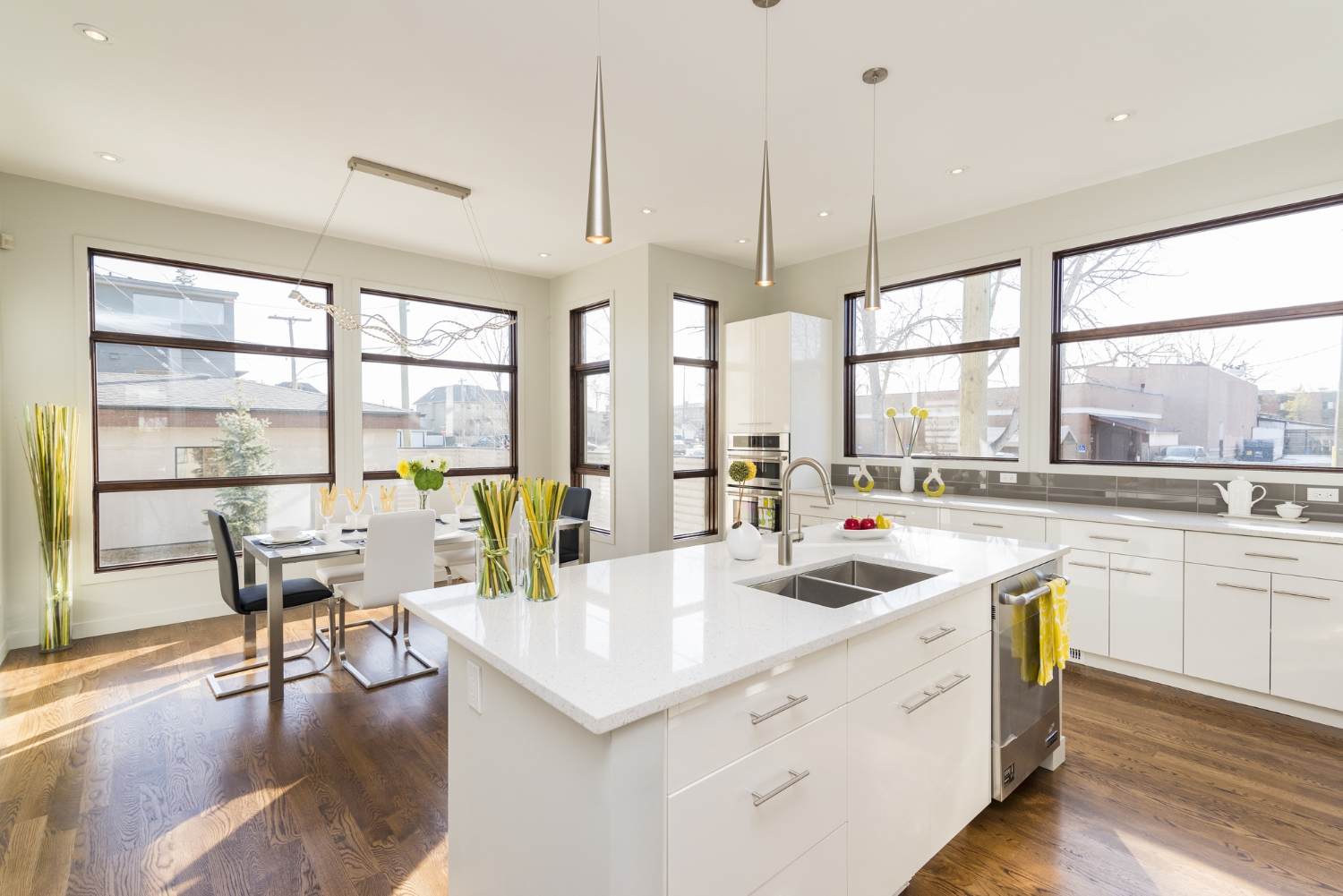
Homeowners often share their experiences and advice in online forums. Here’s a summary of common themes:
| Common Insights | Details |
|---|---|
| Budgeting | Many emphasize the importance of setting a realistic budget and sticking to it. |
| Planning | Homeowners frequently mention that thorough planning leads to better outcomes and fewer mistakes. |
| Functionality | Users often advise prioritizing functionality over aesthetics to ensure a practical kitchen space. |
| Hiring Help | Many recommend consulting with professionals for layout and design, even if doing some work yourself. |
| Patience | Homeowners stress the need for patience, as delays are common and can be frustrating. |
By considering these facts and insights, homeowners can approach their kitchen remodel with confidence, ensuring they make informed decisions that enhance both their living space and property value.